HomeAI · summaries
Storia in 3 fonti
Liquid cooling technology for semiconductor chips is 10 times more efficient than previous record
AI data centers are power-hungry. Not only do artificial intelligence computations consume enormous amounts of electricity, but a significant amount of energy is also required to cool the semiconductor chips that heat up during operation. As AI chips continue to deliver higher performance, the amount of heat they generate increases rapidly. As a result, conventional air cooling and external copper heat spreaders are approaching their practical limits. To address this challenge, a KAIST research team has developed an ultra-high-efficiency liquid-cooling technology that cools semiconductor chips from within.
Confronto fonti
3 prospettive sulla stessa storiaTimeline cronologica
- ·
techxplore.com
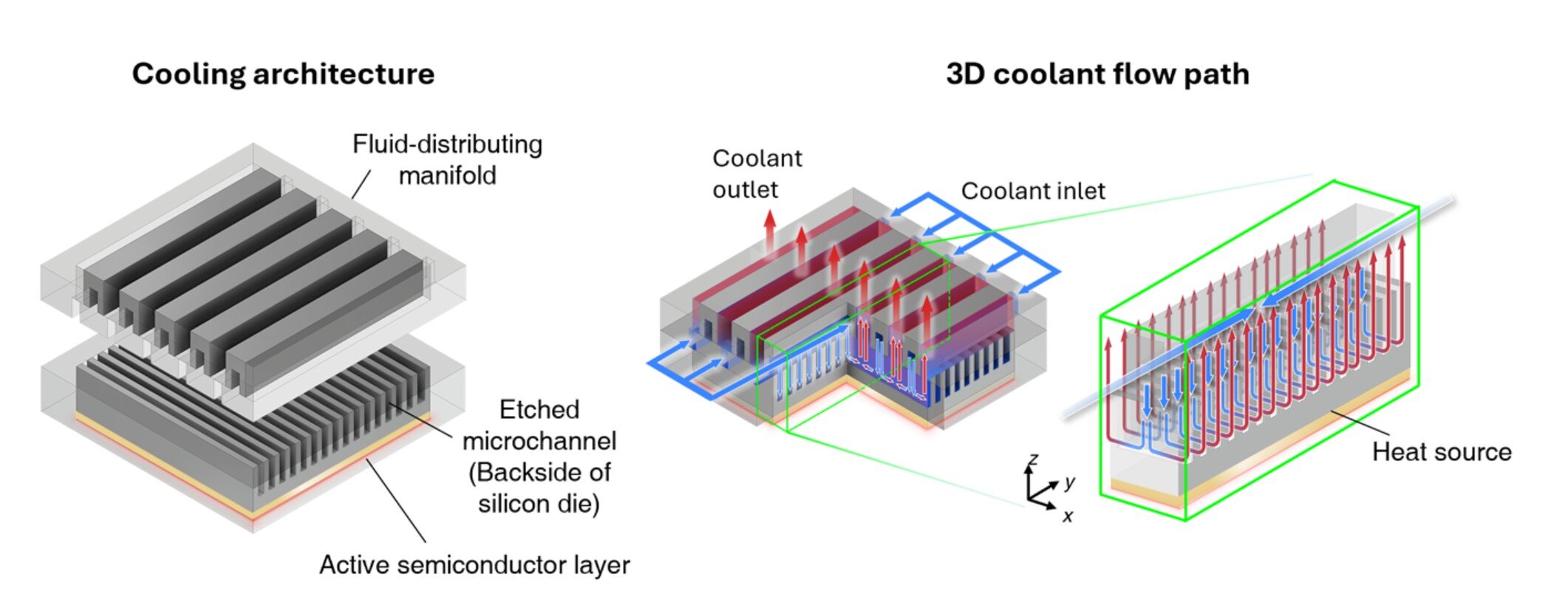
Liquid cooling technology for semiconductor chips is 10 times more efficient than previous record
AI data centers are power-hungry. Not only do artificial intelligence computations consume enormous amounts of electricity, but a significant amount of energy is also required to…
- ·
koreatimes.co.kr
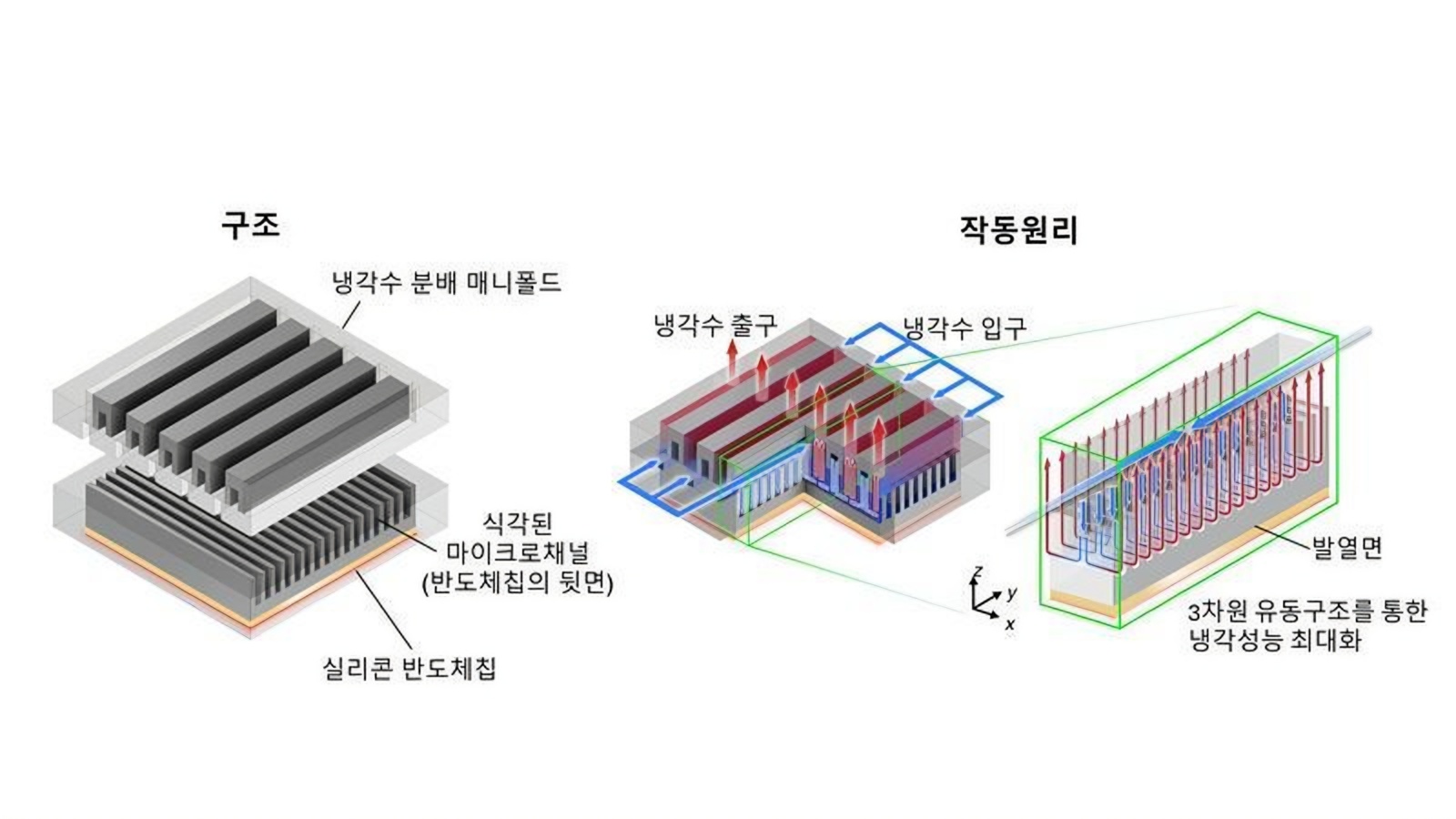
KAIST unveils breakthrough that could slash AI data center cooling power - The Korea Times
As artificial intelligence systems demand ever more computing power, a team of Korean researchers says it has found a way to tackle one of the indu...