The AI factory data center age is here and it brings new challenges and opportunities. The Intel X8-based server era for enterprise and cloud computers spanned roughly three decades with very slight changes in power draw. The GPU-based accelerated compute in AI factories is only beginning, but one thing is for certain: every year presents new challenges as the GPU evolution is on a one-year cycle with power draw from each new GPU generation roughly doubling every year.
Determining the best architectural method in an AI factory to expel the heat outdoors is highly dependent on the temperature and humidity of your environment and the amount of water and electricity use that is desired
Steven Carlini, Schneider Electric
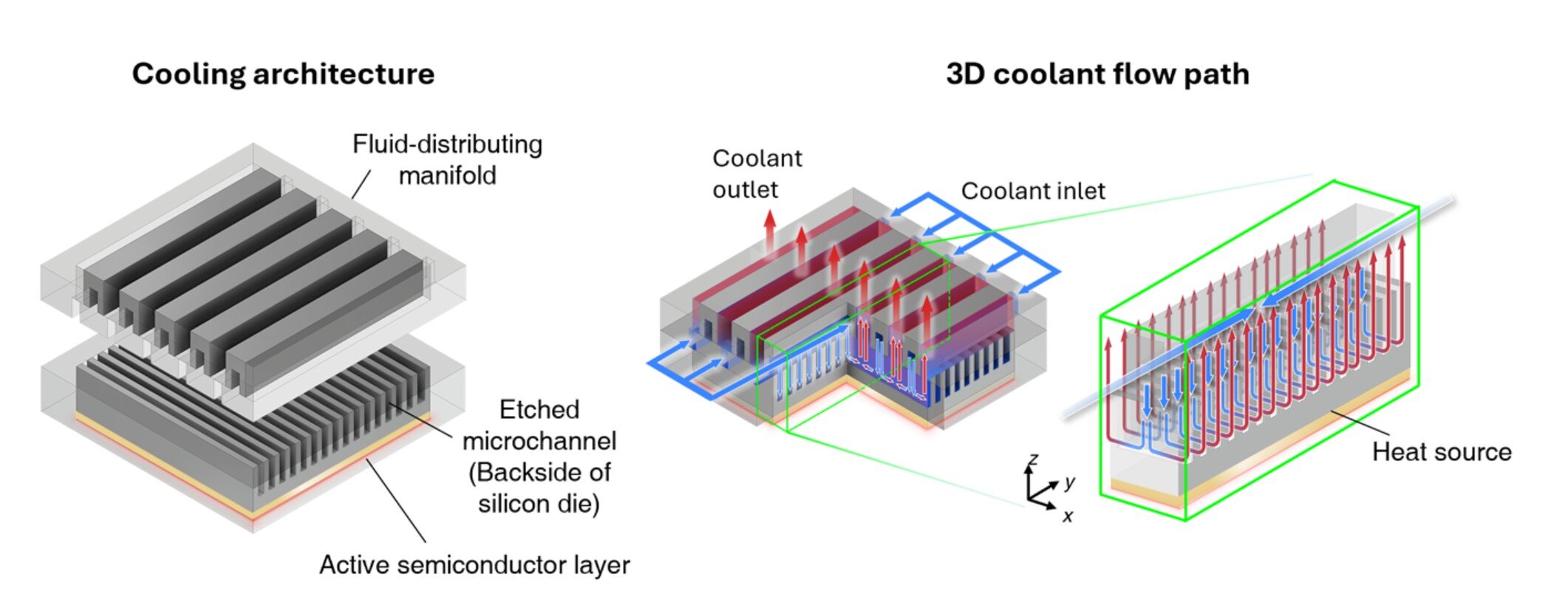
As thermal demands grow, liquid cooling is not a choice but a necessity. Liquid cooling unlocks performance and sustainability benefits while enabling the move to rapidly increasing kilowatts per rack. However, GPU evolutions are moving so fast and high, they are challenging the power and cooling solutions of today and new innovations are needed to keep pace.
Why AI factory cooling is fundamentally different