WARPTECHNEWS · LAB
HomeAIBusinessTechArchive
WARPTECH LAB NEWS

Warptech Lab News aggrega le notizie più rilevanti da oltre 700 fonti internazionali, con classificazione AI, TL;DR sintetici e timeline cluster su singole storie.

Navigazione

  • Home
  • Archivio
  • Editor's Brief
  • Cerca
  • Il tuo account
  • Newsletter tech/AI

Informazioni legali

  • Privacy Policy
  • Termini di servizio
  • Cookie Policy

© 2026 Sparktech S.R.L. — Tutti i diritti riservati. Sito gestito e manutenuto da Sparktech S.R.L.

Sede legale: Corso Libertà 55, 13100 Vercelli (VC), Italia · P.IVA / C.F. 02835910023 · Contatti: admin@warptechlab.com

Home
Storia in 2 fonti

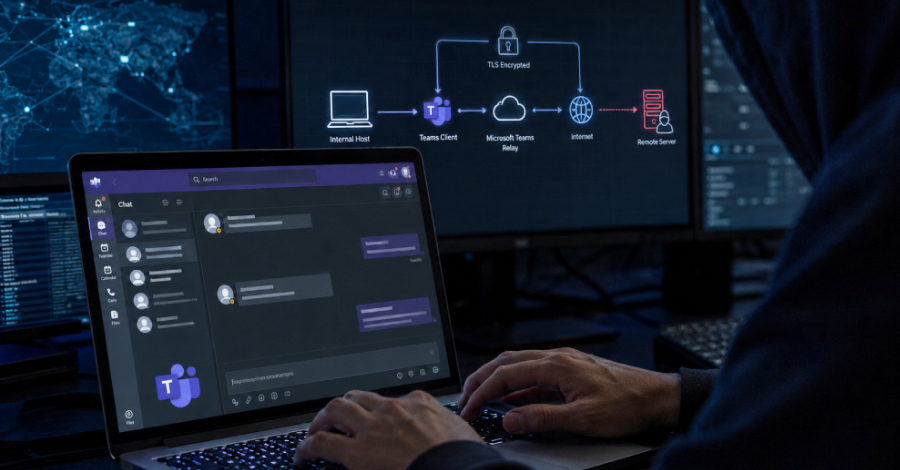
Crooks found a new way to collaborate using Teams – by hiding command-and-control traffic

Custom malware routed communications through legitimate Microsoft services, making malicious activity look like routine corporate collaboration

Raccontata dableepingcomputer.comtheregister.com

Confronto fonti

2 prospettive sulla stessa storia
AI · summaries
theregister.comStai leggendo15 h fa

Crooks found a new way to collaborate using Teams – by hiding command-and-control traffic

Custom malware routed communications through legitimate Microsoft services, making malicious activity look like routine corporate collaboration

originale
bleepingcomputer.com20 h fa

Ransomware gang abuses Microsoft Teams relays to hide malicious traffic

DragonForce ransomware used a custom malware named 'Backdoor.Turn' to hide command-and-control traffic inside Microsoft Teams relay infrastructure.

Leggi questa versione → originale

Timeline cronologica

  1. martedì 16 giugno 2026·bleepingcomputer.com

    Ransomware gang abuses Microsoft Teams relays to hide malicious traffic

    DragonForce ransomware used a custom malware named 'Backdoor.Turn' to hide command-and-control traffic inside Microsoft Teams relay infrastructure.

  2. martedì 16 giugno 2026·theregister.com

    Crooks found a new way to collaborate using Teams – by hiding command-and-control traffic

    Custom malware routed communications through legitimate Microsoft services, making malicious activity look like routine corporate collaboration