HomeAI · summaries
Storia in 5 fonti
How the climate crisis is changing when plants flower, according to AI
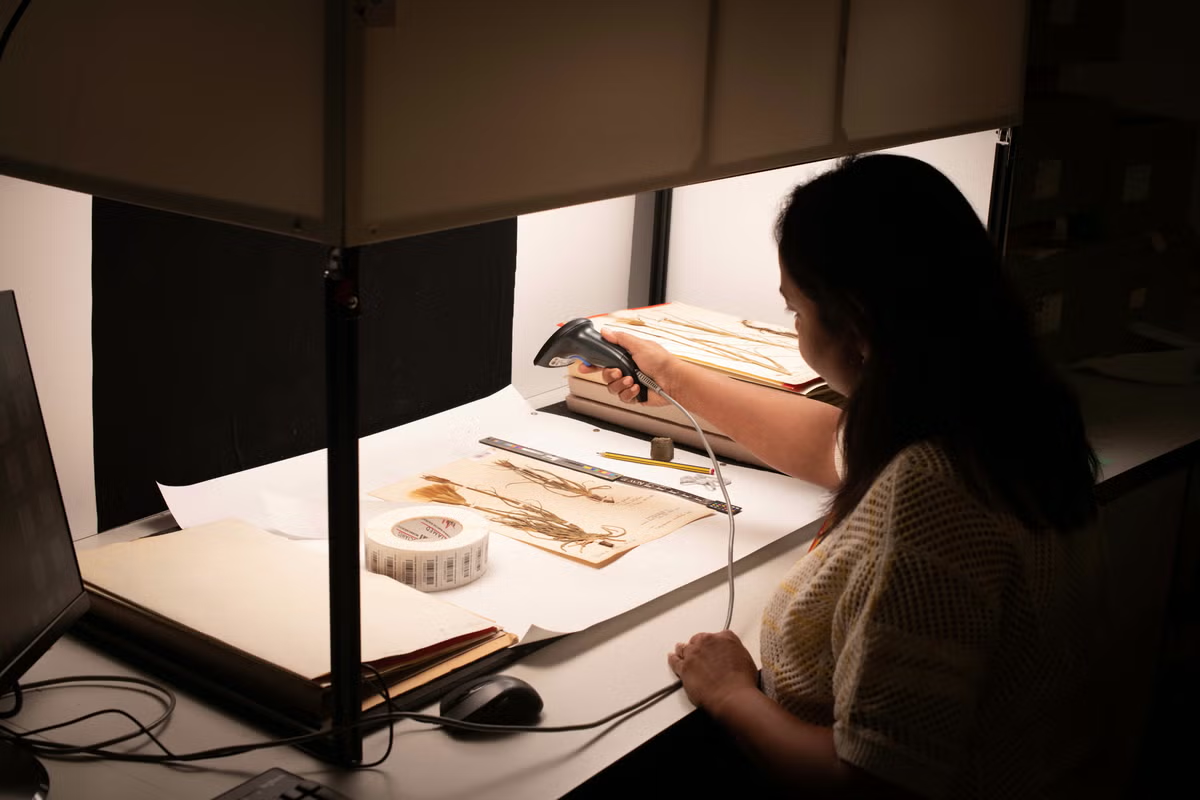
Stay up to date with notifications from The IndependentNotifications can be managed in browser preferences.AllNewsSportCultureLifestyleA worker digitising plant specimens (Jeff Eden/RBG Kew/PA)A global study utilising AI to analyse eight million digitised plant specimens revealed that flowering times have shifted by an average of 2.5 days earlier or later per decade due to the climate crisis. The Royal Botanic Gardens, Kew, has completed a four-year project to digitise its entire herbarium and fungarium, making 7.4 million specimens freely accessible online. This digitisation, combined with AI and other new technologies, is accelerating research into climate-resilient wild relatives of food plants, new medicines and sustainable alternatives. Kew's latest “State of the World’s Plants and Fungi” report warns that threats to plant and fungi species are significantly underestimated, with many undiscovered or facing extinction. Despite alarming figures, the report offers hope, highlighting the transformative power of AI and digitisation to boost knowledge, share information and enhance global conservation efforts. In fullClimate crisis is changing when plants flower, artificial intelligence study findsThank you for registeringPlease refresh the page or navigate to another page on the site to be automatically logged inPlease refresh your browser to be logged in
Confronto fonti
5 prospettive sulla stessa storiaTimeline cronologica
- ·
independent.co.uk
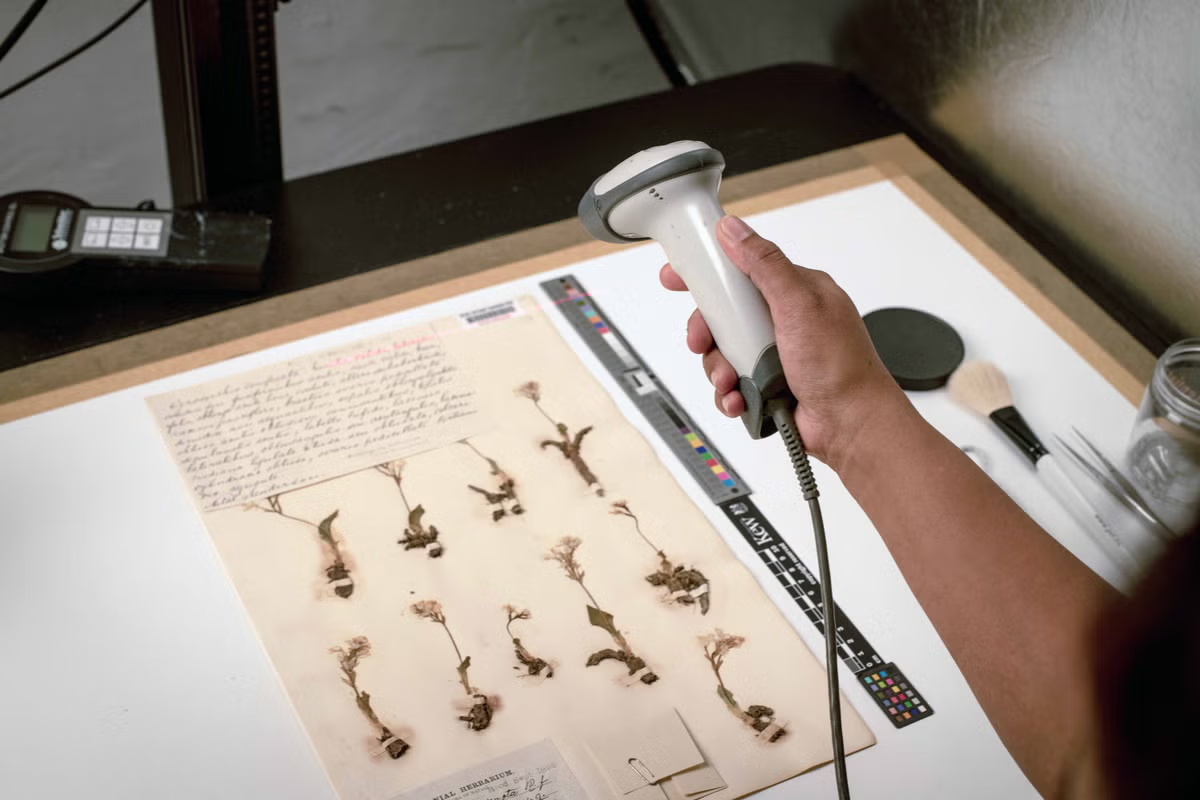
Climate crisis is changing when plants flower, artificial intelligence study finds
A global study using AI to analyse eight million digitalised plant specimens dating back a century revealed flowering has shifted by 2.5 days earlier or later per decade on average
- ·
thenationalnews.com
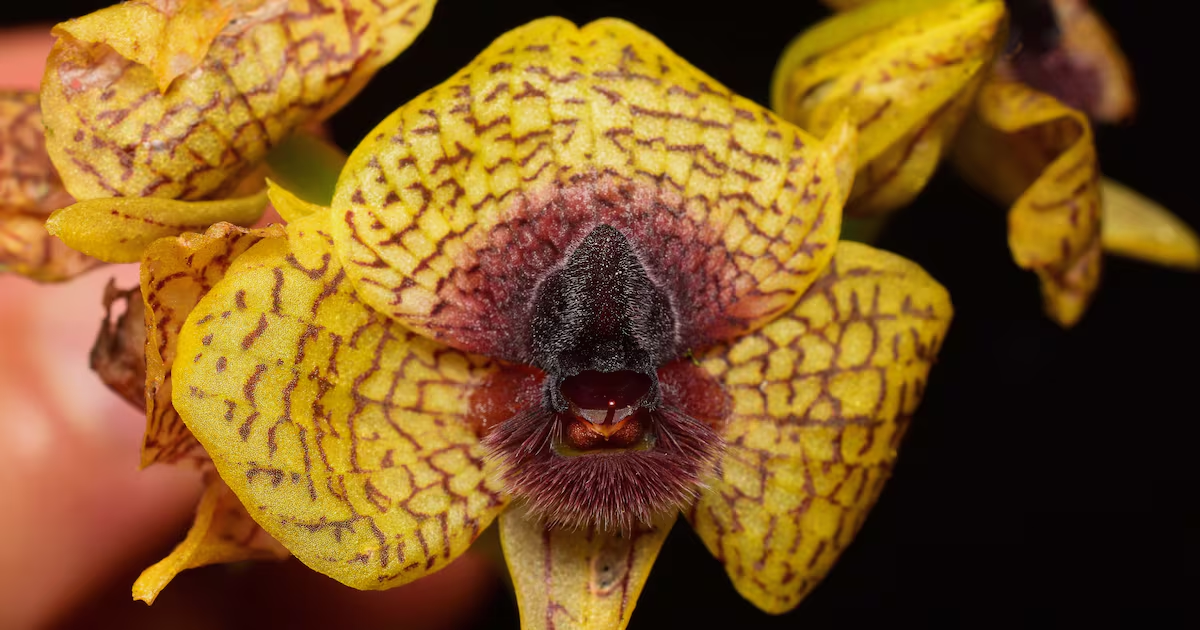
How AI is identifying millions of plant species in 'biodiversity revolution' to boost conservation | The National
Experts in UK digitise specimens collected over past two centuries – raising hope of potential medical breakthroughs