HomeAI · summaries
Storia in 19 fonti
Explainer-Middle East oil and gas output will take months to fully recover
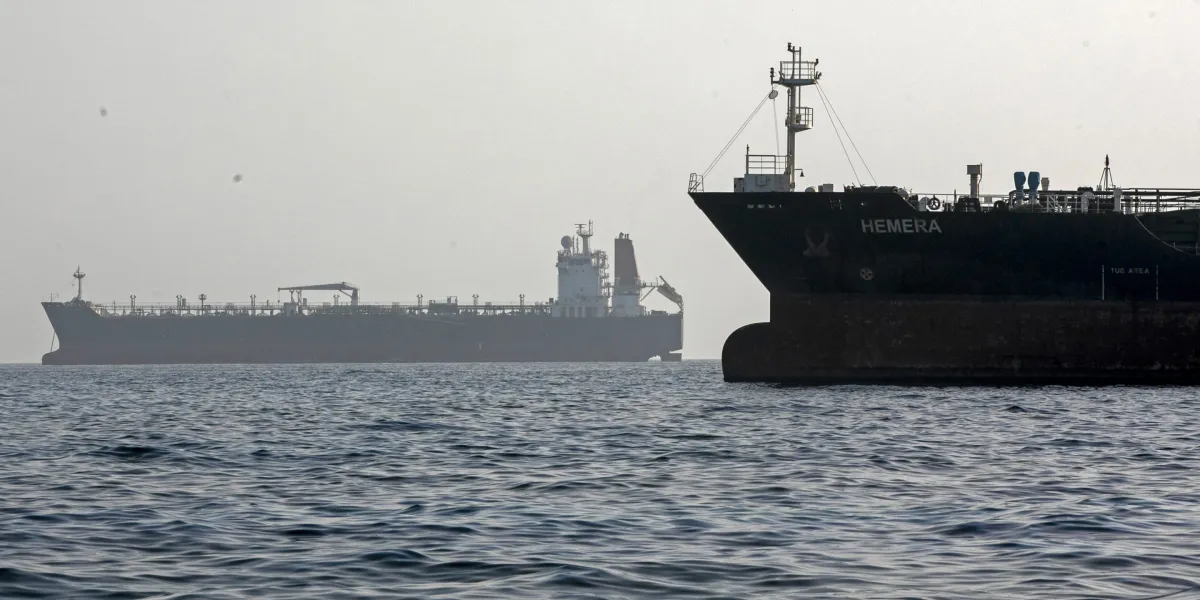
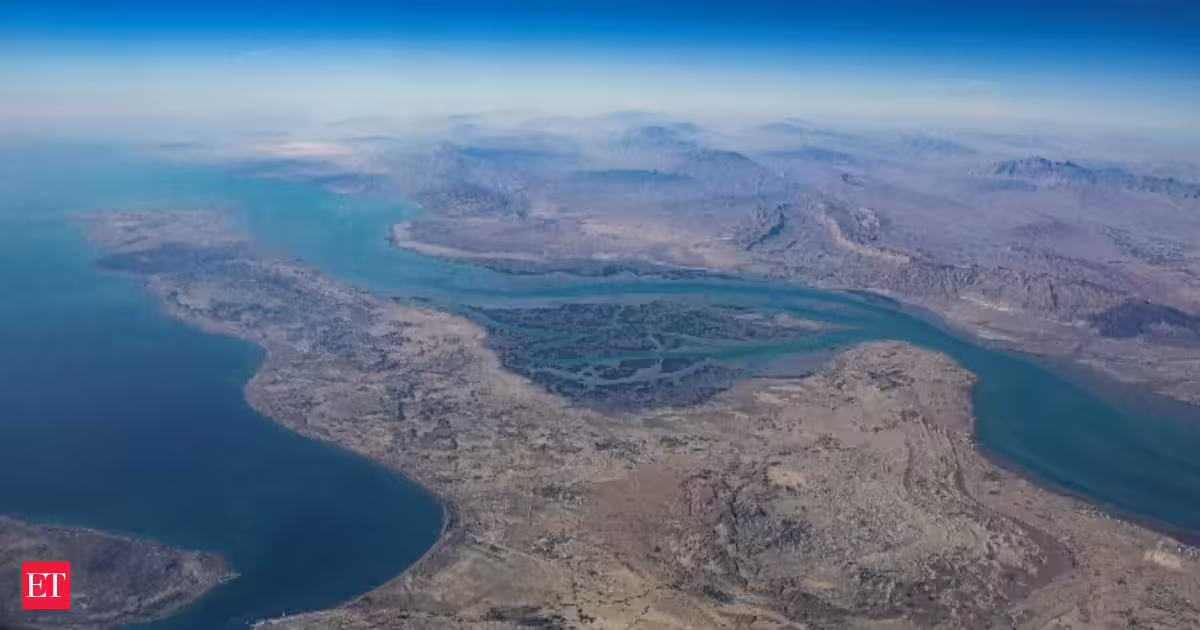
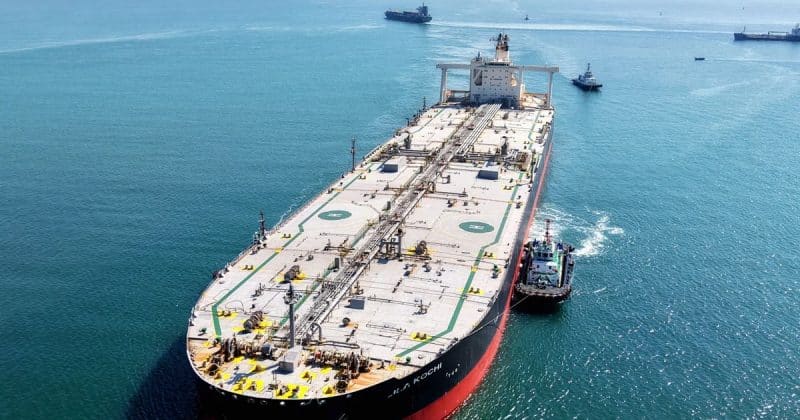
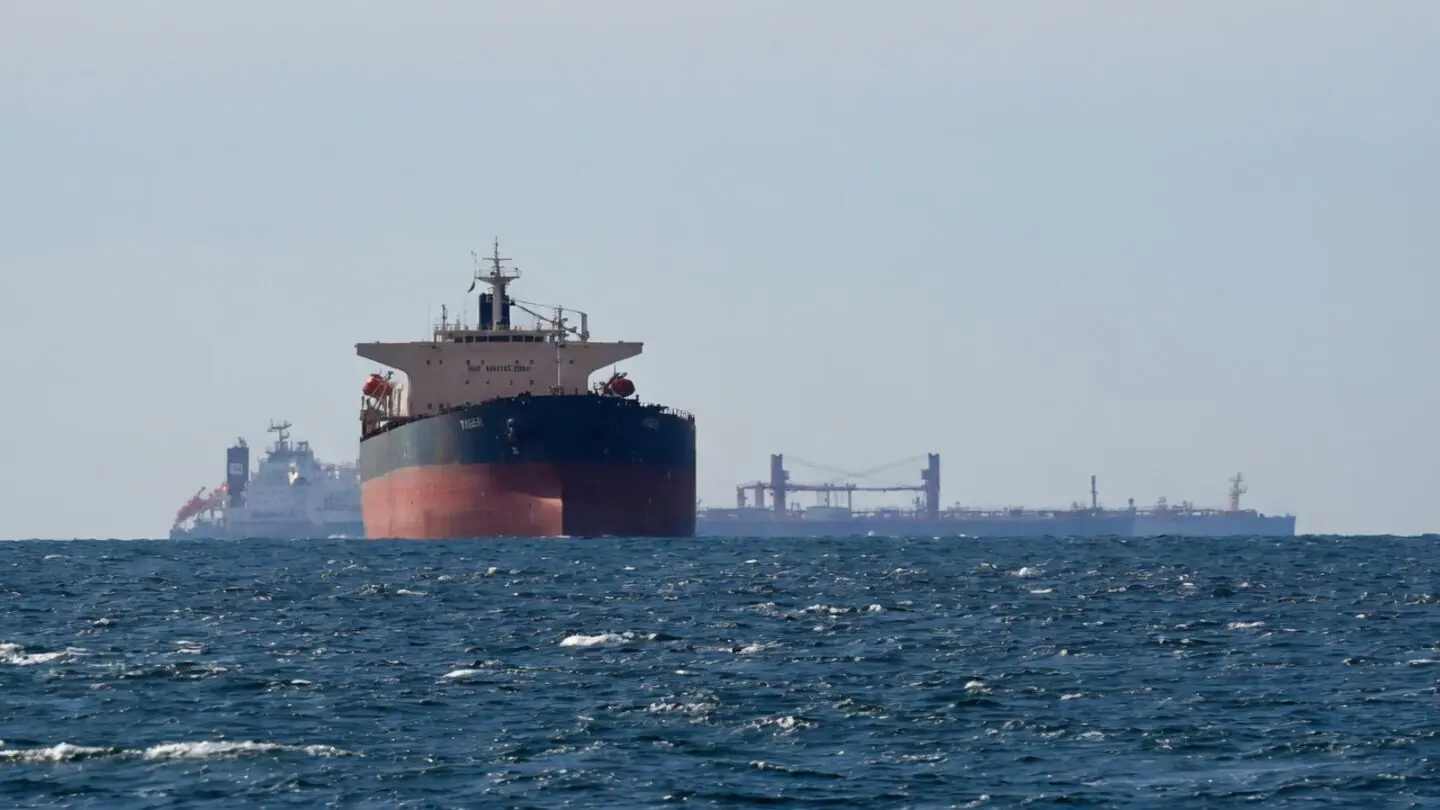
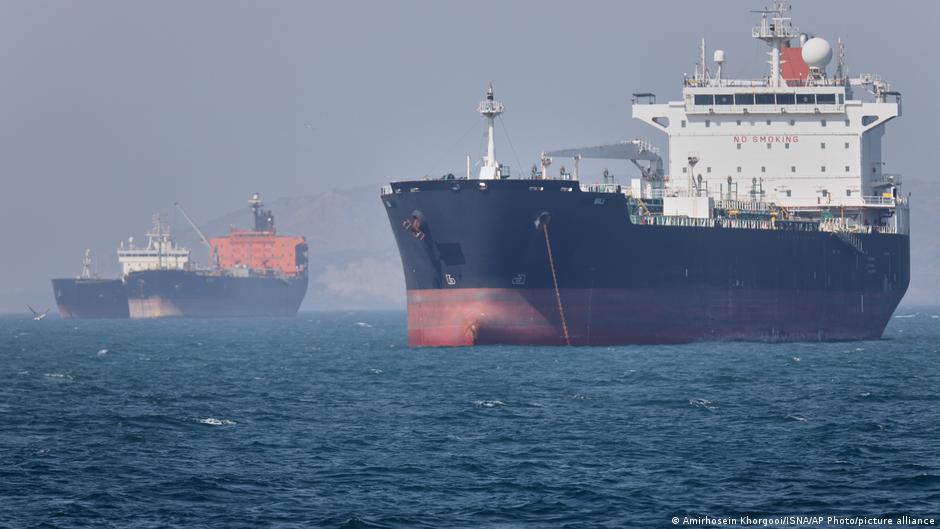
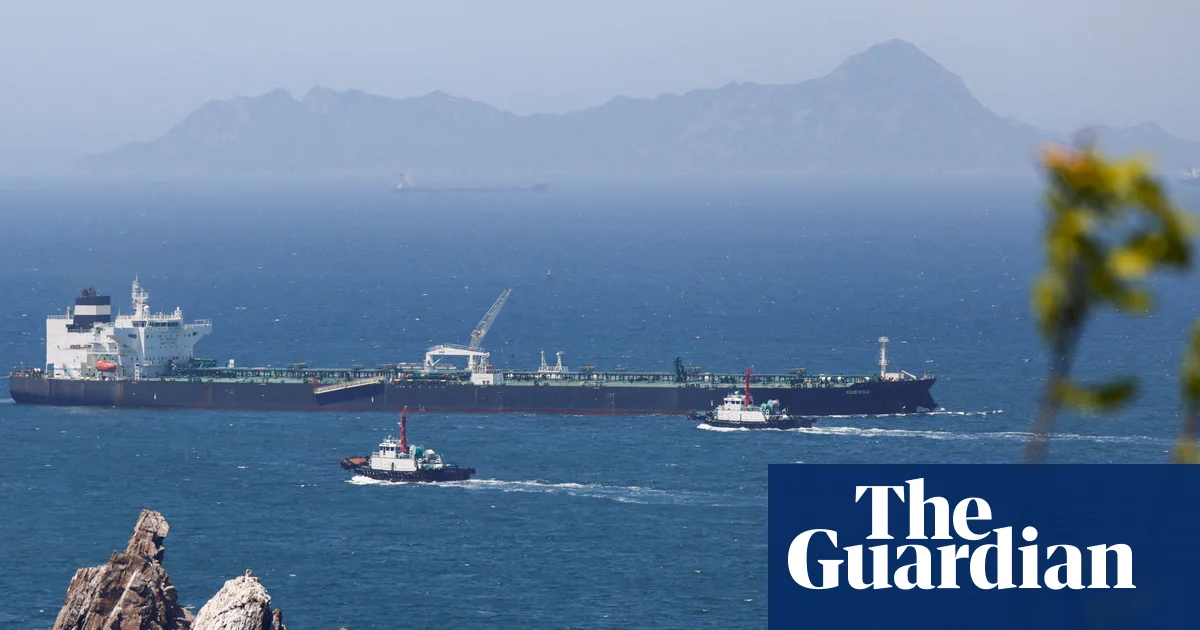
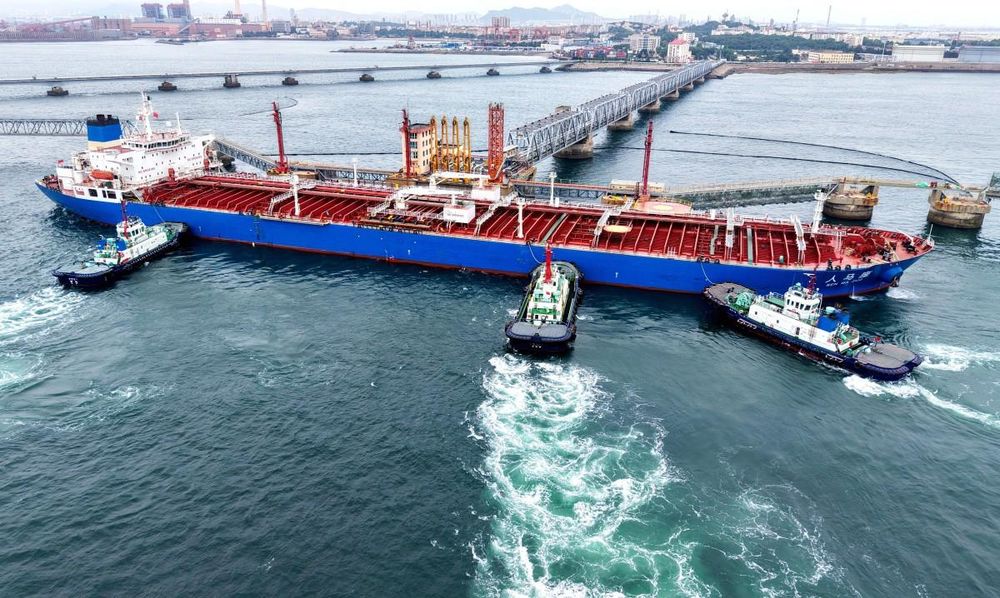
LONDON, June 15 - A framework agreement between the U.S. and Iran on terms to end their war and reopen the Strait of Hormuz sent oil prices tumbling, as traders anticipated the return of flows.But industry officials say a full return to pre-war production and refining levels is likely to take weeks, months or even years.The following explores the main energy implications of the tentative deal.WHAT DOES THE DEAL CHANGE IMMEDIATELY?
Confronto fonti
6 prospettive sulla stessa storiaTimeline cronologica
- ·
thestar.com

Oil and gas supplies could take months to return to normal after Iran deal, energy experts say
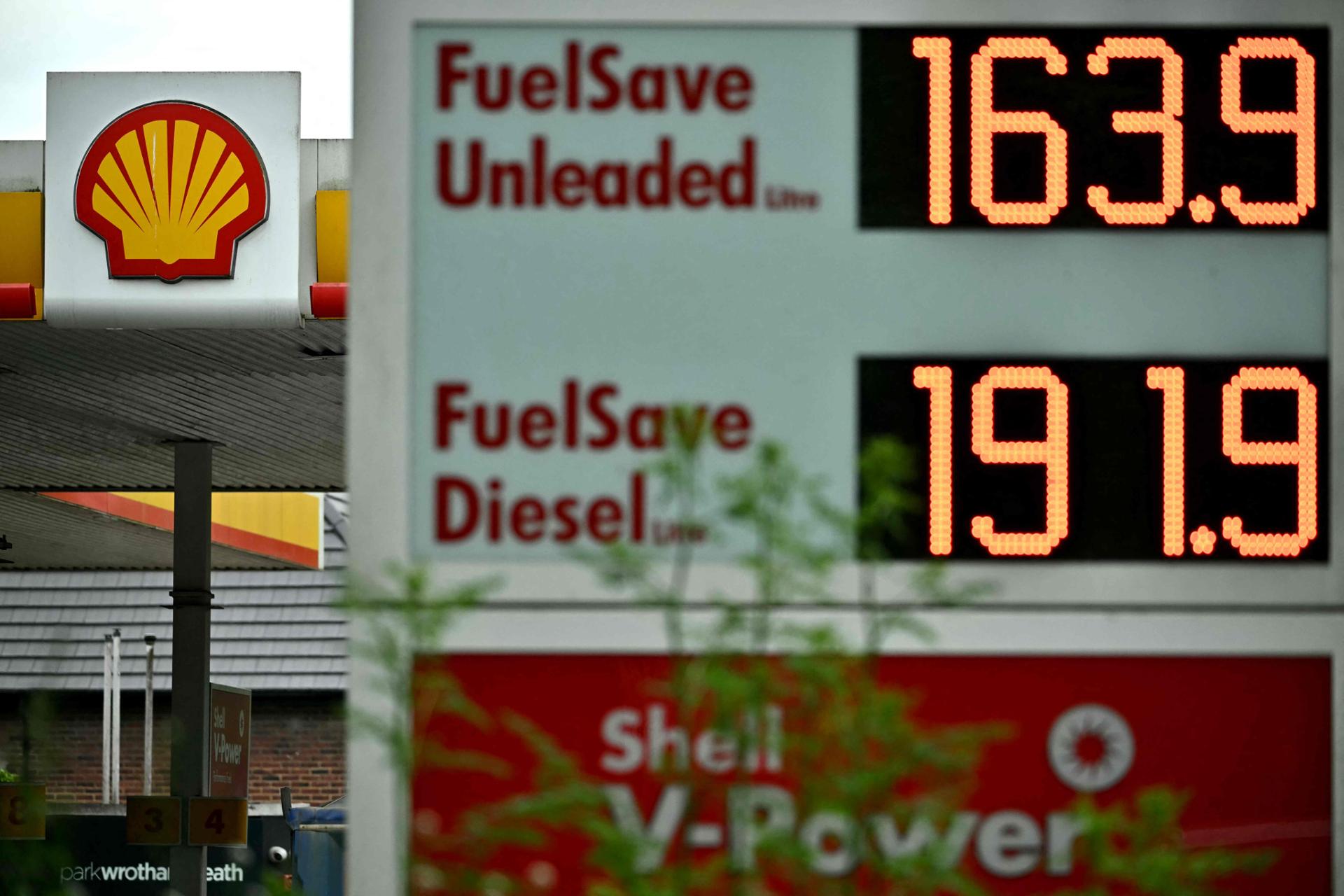
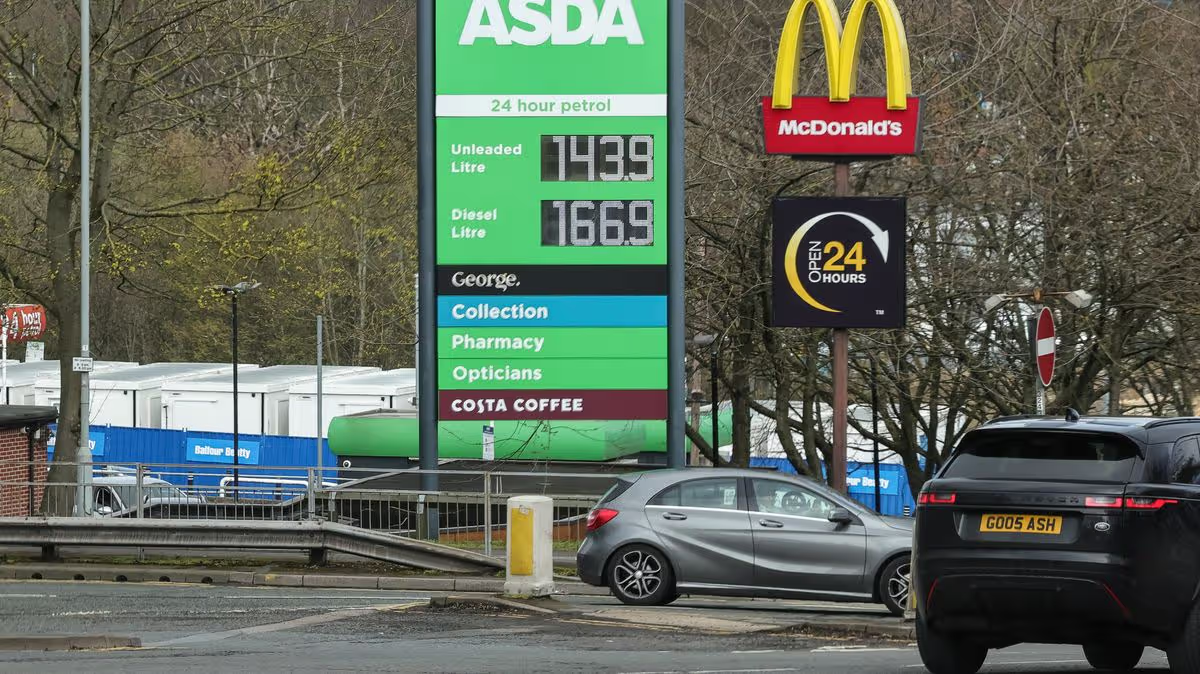
NEW YORK (AP) — High oil and gasoline prices and energy supply problems won't be solved overnight, despite an agreement to end the Iran war and open the Strait of
- ·
forbes.com

What The U.S.-Iran Ceasefire Means For The Region
The Hormuz ceasefire calmed markets fast, but Iran gained leverage, Israel lost tempo, and the Gulf faces a bigger resilience bill. What each actor actually won.