WARPTECHNEWS · LAB
HomeAIBusinessTechArchive
WARPTECH LAB NEWS

Warptech Lab News aggrega le notizie più rilevanti da oltre 700 fonti internazionali, con classificazione AI, TL;DR sintetici e timeline cluster su singole storie.

Navigazione

  • Home
  • Archivio
  • Editor's Brief
  • Cerca
  • Il tuo account
  • Newsletter tech/AI

Informazioni legali

  • Privacy Policy
  • Termini di servizio
  • Cookie Policy

© 2026 Sparktech S.R.L. — Tutti i diritti riservati. Sito gestito e manutenuto da Sparktech S.R.L.

Sede legale: Corso Libertà 55, 13100 Vercelli (VC), Italia · P.IVA / C.F. 02835910023 · Contatti: admin@warptechlab.com

Home
Storia in 4 fonti

An electron microscope breakthrough delivers sharper images of our body’s tiniest proteins

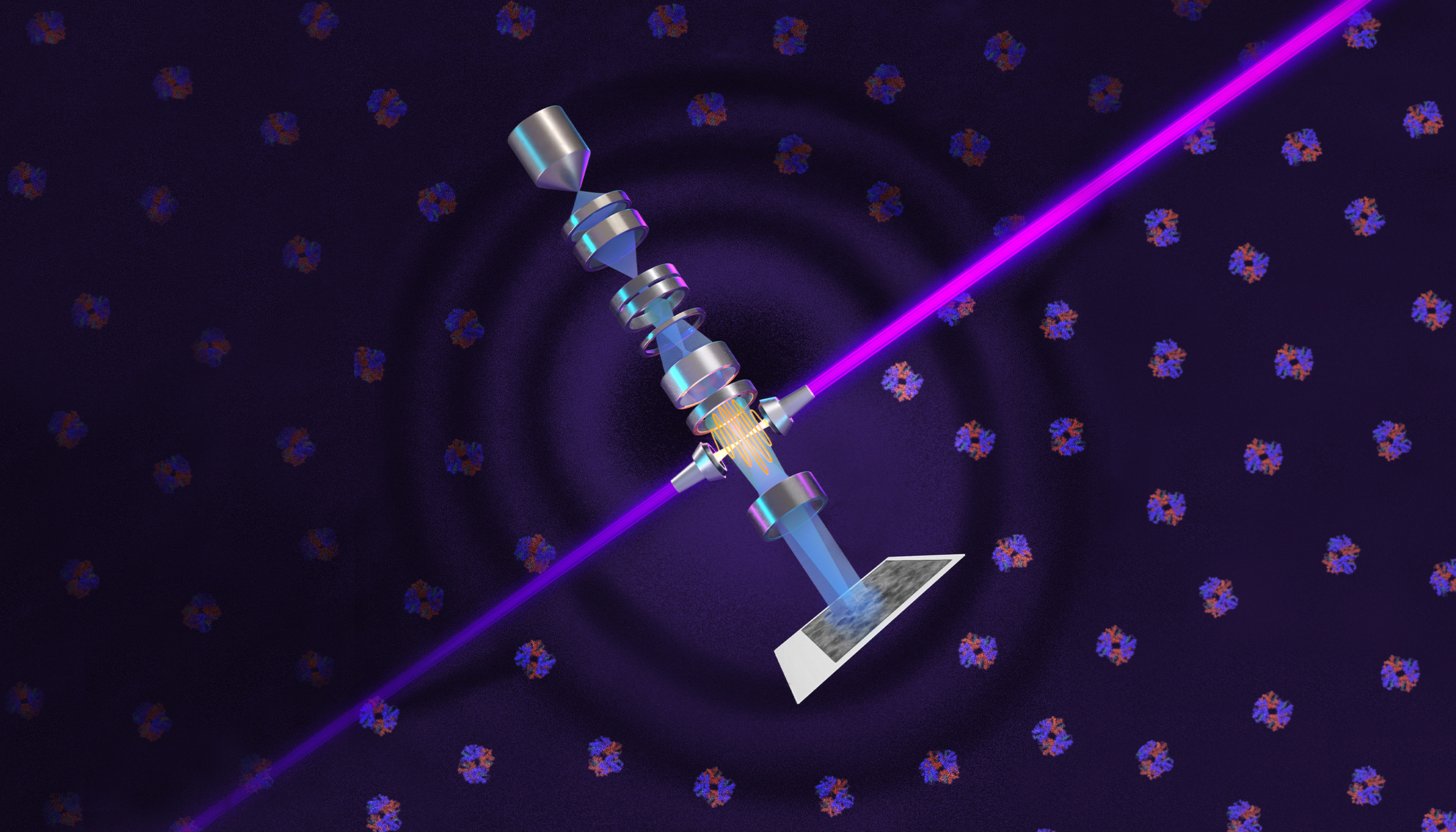
With its ability to determine 3D protein structures, cryo-EM revolutionized drug discovery. But it is limited to imaging the body’s largest proteins. UC Berkeley and Biohub physicists have now added powerful lasers to the electron microscope to produce much higher contrast — like phase contrast in optical microscopes— and potentially allow cryo-EM to resolve proteins one-quarter today’s limit. The “laser phase plate” offers a new window into the molecular machinery of the cell.

Raccontata danews.berkeley.edumorningstar.comnature.comeurekalert.org

Confronto fonti

4 prospettive sulla stessa storia
AI · summaries
eurekalert.orgStai leggendo12 g fa

An electron microscope breakthrough delivers sharper images of our body’s tiniest proteins

With its ability to determine 3D protein structures, cryo-EM revolutionized drug discovery. But it is limited to imaging the body’s largest proteins. UC Berkeley and Biohub physicists have now added powerful lasers to…

originale
news.berkeley.edu13 g fa

A breakthrough in electron microscopy delivers sharper images of our body’s tiniest proteins - Berkeley News

UC Berkeley physicists have introduced phase contrast to the electron microscope, allowing scientists to see much smaller molecules and smaller structures inside cells.

Leggi questa versione → originale
nature.com13 g fa

An innovative technology boosts image quality for protein structures

Müller and Glaeser's laser phase plate (LPP), published in Science, resolves 15-year technical debate to improve small protein cryo-EM imaging. First cryo-EM hardware advance in decades; extends protein range and streamlines tomography for biotech and pharma structural discovery.

Leggi questa versione → originale
morningstar.com13 g fa

Making the Invisible Visible: Microscope Breakthrough Will Open Unprecedented View into Our Cells

Biohub and UC Berkeley integrated laser phase plate into cryo-electron microscopes, enabling imaging of 90% of human proteins unresolvable by current methods. Unlocks molecular disease mechanisms and therapeutic targets, directly accelerating drug discovery and structural biology research.

Leggi questa versione → originale

Timeline cronologica

  1. giovedì 11 giugno 2026·news.berkeley.edu

    A breakthrough in electron microscopy delivers sharper images of our body’s tiniest proteins - Berkeley News

    UC Berkeley physicists have introduced phase contrast to the electron microscope, allowing scientists to see much smaller molecules and smaller structures inside cells.

  2. giovedì 11 giugno 2026·morningstar.com

    Making the Invisible Visible: Microscope Breakthrough Will Open Unprecedented View into Our Cells

    Making the Invisible Visible: Microscope Breakthrough Will Open Unprecedented View into Our Cells
  3. venerdì 12 giugno 2026·nature.com

    An innovative technology boosts image quality for protein structures

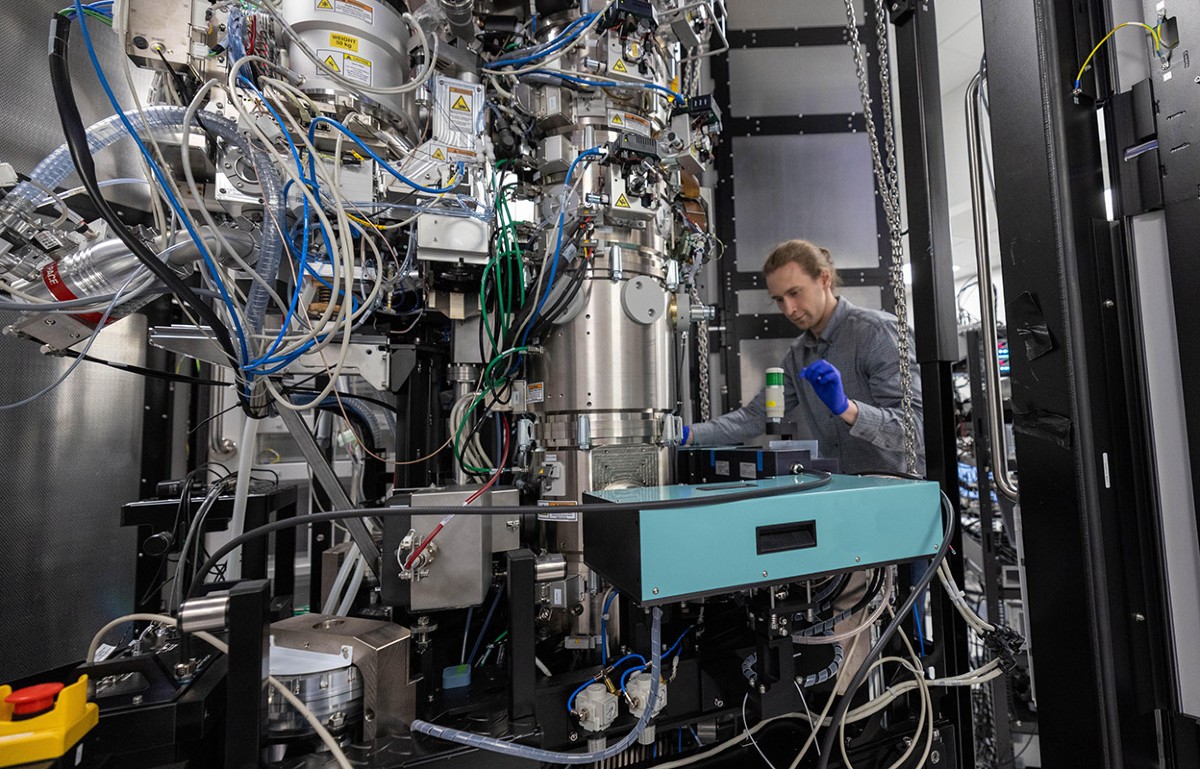
    After years of effort, two research teams have developed ‘laser phase plate’ systems that could help cryo-electron-microscopy users to generate high-quality structures for a broad…

  4. venerdì 12 giugno 2026·eurekalert.org

    An electron microscope breakthrough delivers sharper images of our body’s tiniest proteins

    With its ability to determine 3D protein structures, cryo-EM revolutionized drug discovery. But it is limited to imaging the body’s largest proteins. UC Berkeley and Biohub…