HomeAI · summaries
Storia in 9 fonti
Three-quarters of new German homes equipped with heat pump
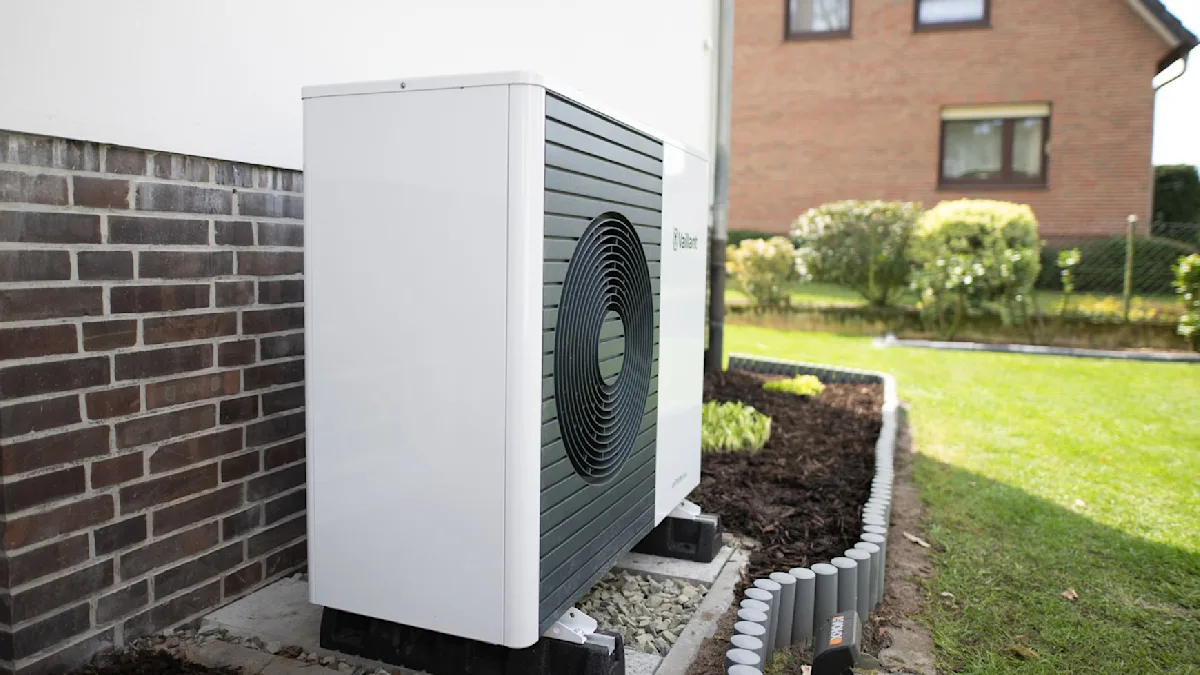
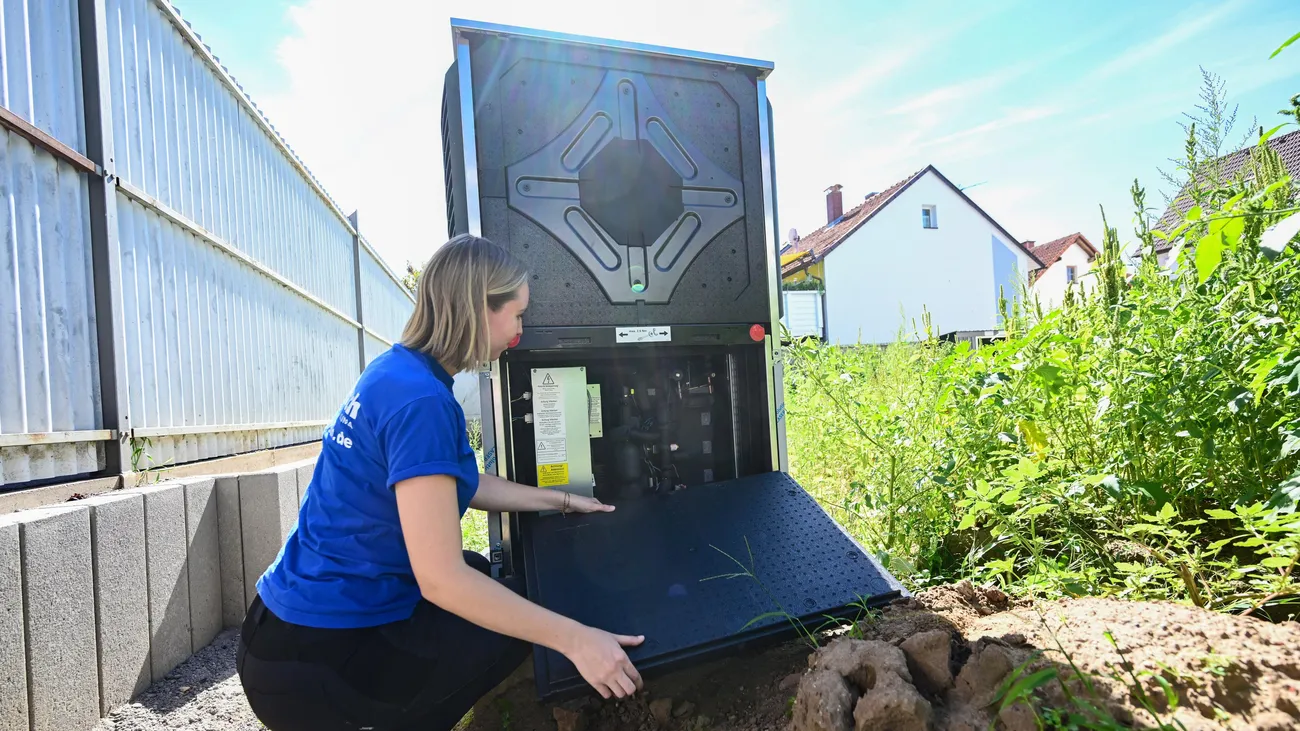
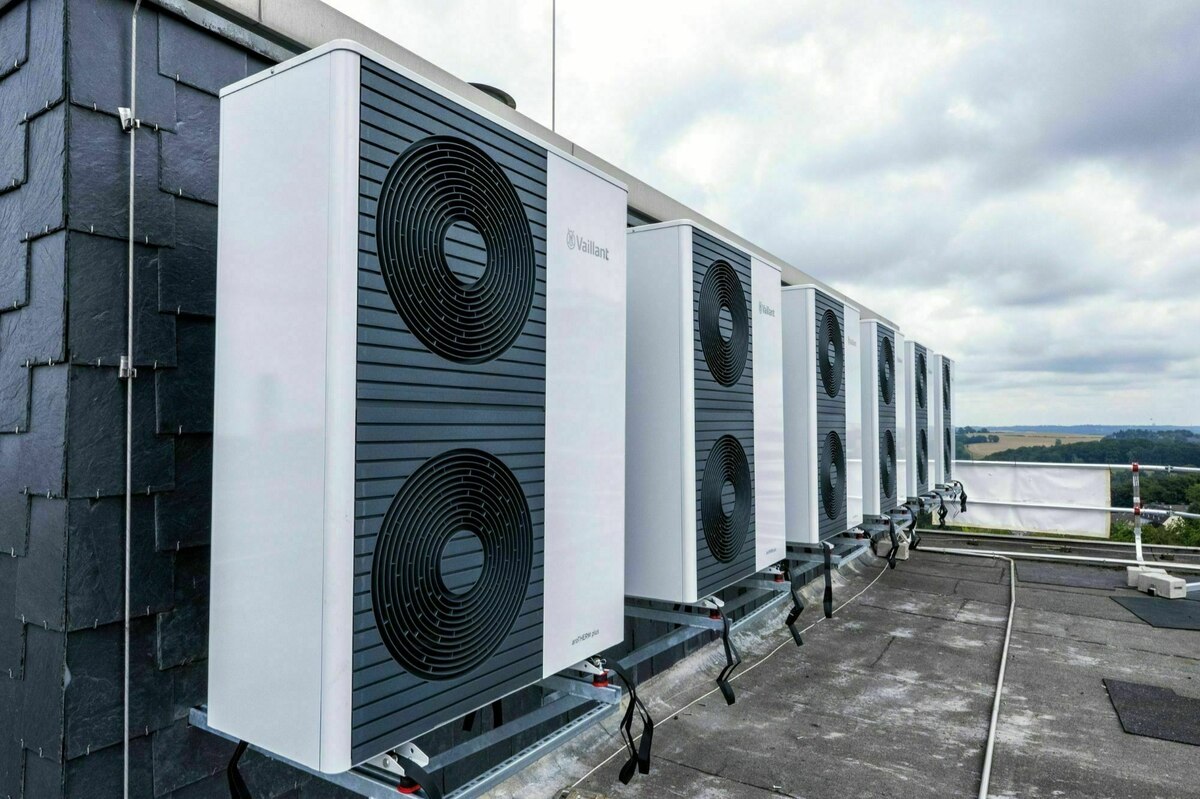
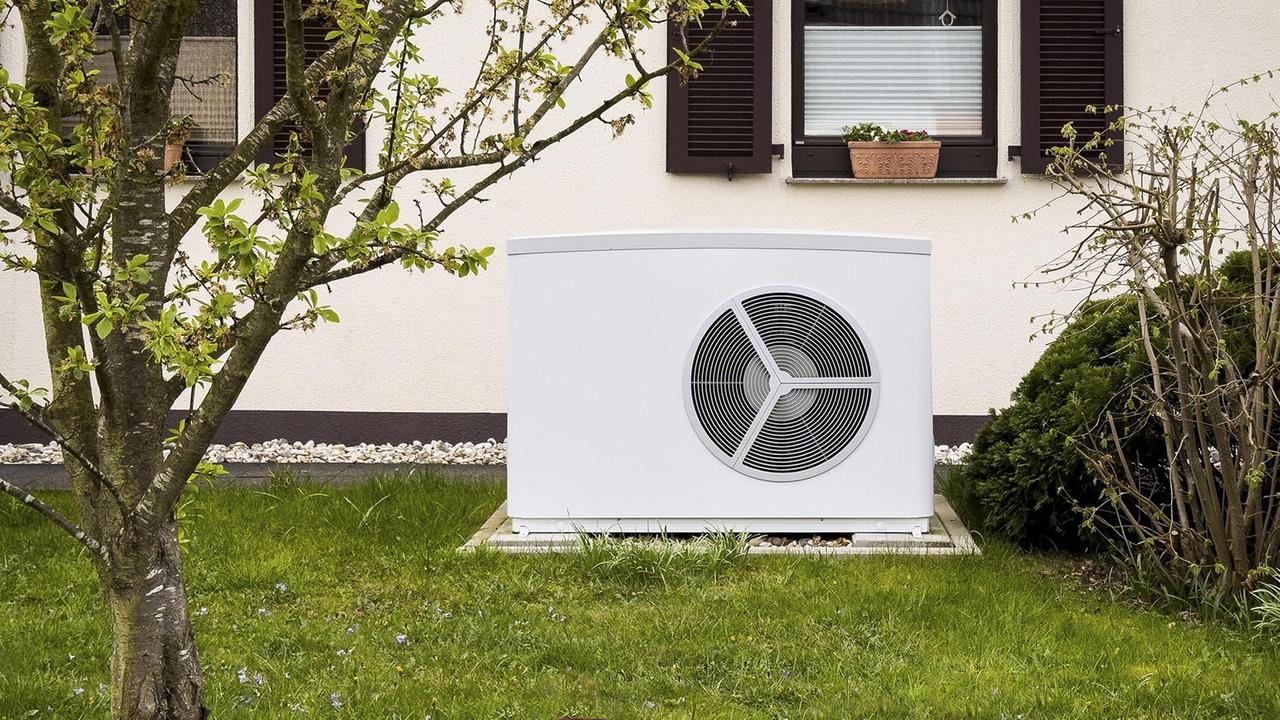
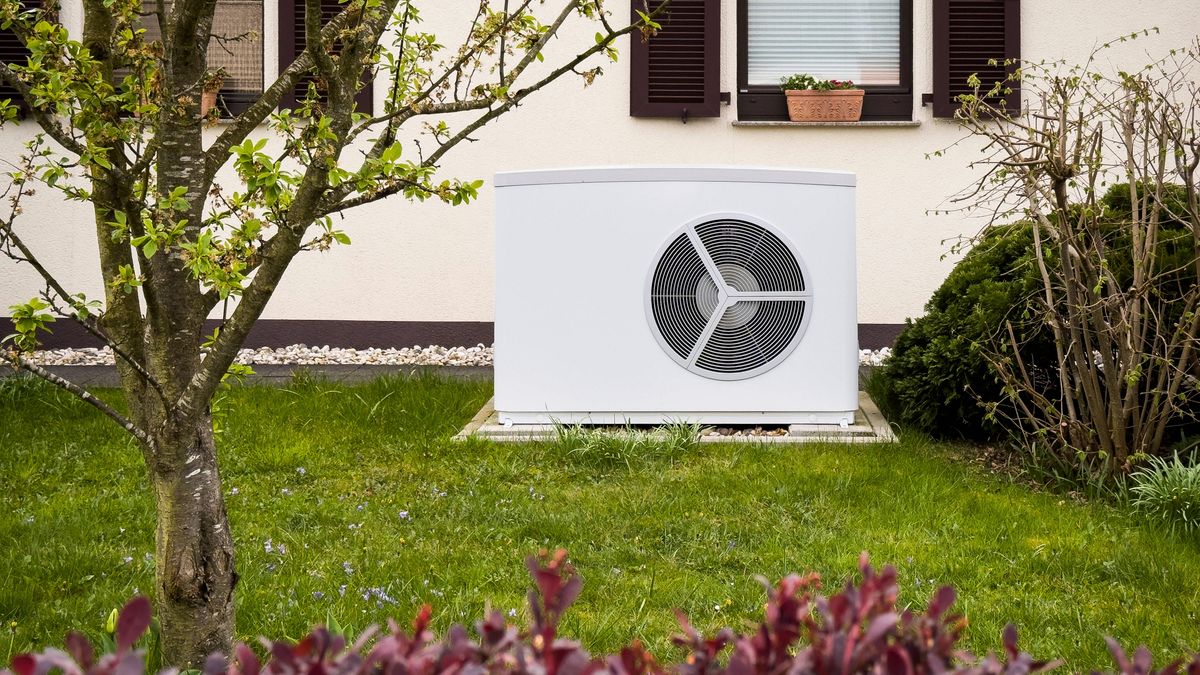
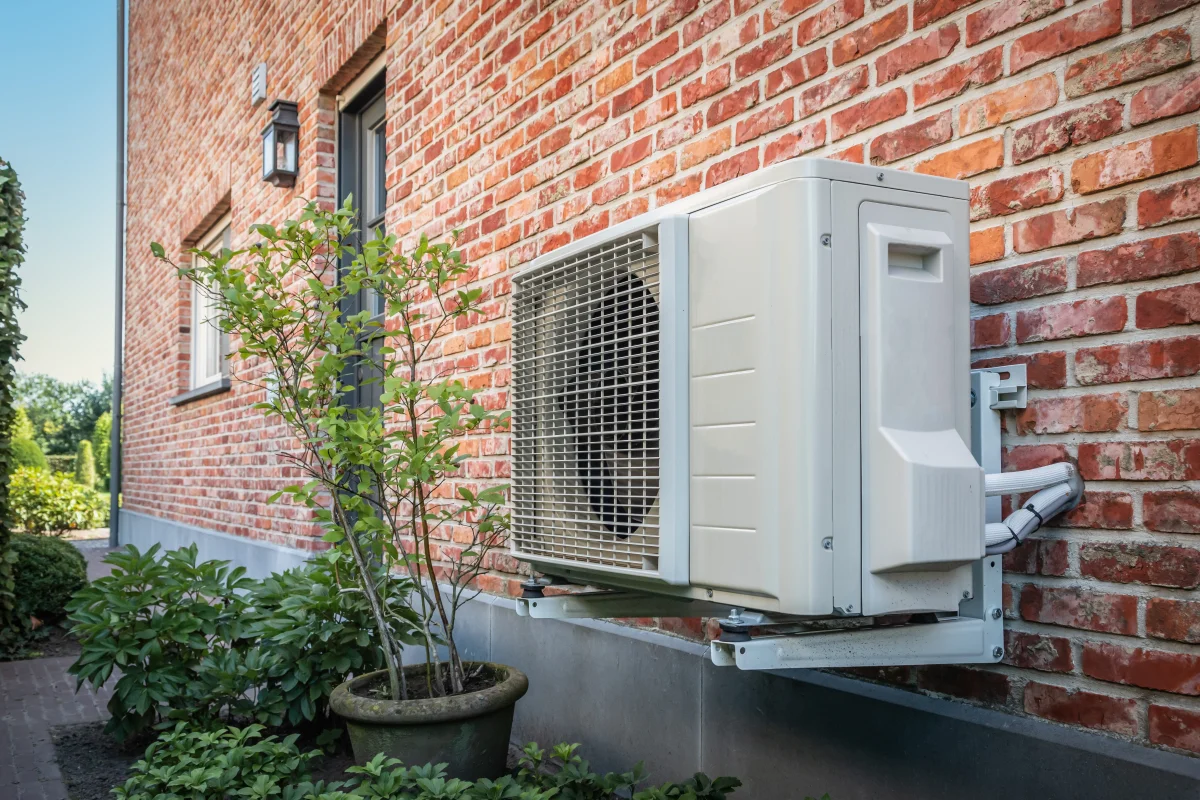
Heat pumps have become the top choice by far for keeping new residential buildings in Germany warm, data from the Federal Statistical Office (Destatis) showed. Just under three-quarters (73.6%) of the approximately 58,900 residential buildings completed in Germany in 2025 primarily use a heat pump for heating, up around 4 percentage points compared to the previous year. Gas boilers were the second most common heating technology, installed in 10.5 percent of new homes (down from 15% in 2024, and 51.5% in 2015), followed by district heating in about 8 percent of new buildings - which is also often gas-powered. Europe's homes are heavily dependent on fossil fuels – a big hurdle on the path to greenhouse gas neutrality – and fossil gas still dominates heating in existing buildings in Germany. The EU and Germany are struggling to drive the shift to climate-friendly heating, with upfront costs a crucial hurdle for many homeowners. “The heat pump faces a financing problem, not a problem of acceptance, as one might sometimes assume from the political debate,” said Carolin Friedemann, who heads the Initiative Climate Neutral Germany (IKND). Upfront costs remain the main obstacle for the majority of households, according to a survey published last year. The government should ensure targeted support differentiated by income in the long term, IKND said in a factsheet it compiled jointly with think tank Zukunft KlimaSozial. Germany is currently reforming its rules to phase out fossil fuels in the heating sector, following one of the most contentious climate policy debates in recent history. Advocates of a rapid transition towards clean technologies such as heat pumps argued their rapid introduction was key to meeting climate targets and pointed to low long-term operating costs, while critics argued that the initial investment would overburden homeowners and tenants and restrict their choices. The government’s recent reform proposal has drawn criticism because it would drop the current provision that new heaters must run on at least 65 percent renewables, instead raising the share of green gases in the gas supply mix. Many NGOs and think tanks argue this would lock in inefficient fossil fuel technology for years, while significantly raising the operating costs for households. The reform entered parliamentary debate this week. Economy minister Katherina Reiche said it would reduce bureaucracy and allow homeowners the freedom to choose the technology for their future heaters. Opposition lawmakers argue the reform would encourage people to opt for new gas heaters, even as the energy crises of recent years have shown the dangers of dependence on imported fossil fuels, including starkly rising prices.
Confronto fonti
6 prospettive sulla stessa storiaTimeline cronologica
- ·
zeit.de
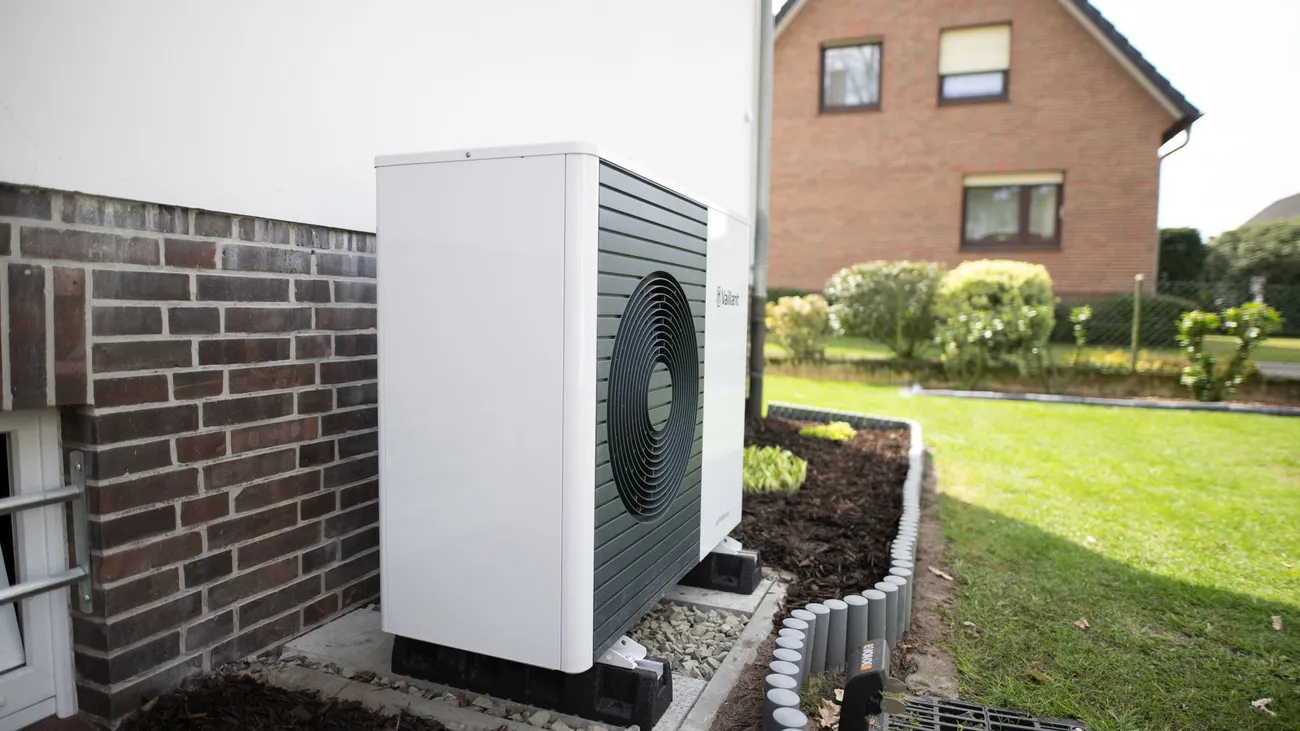
Immobilien: Anteil von Wärmepumpen in Neubauten verdoppelt sich
Hier finden Sie Informationen zu dem Thema „Immobilien“. Lesen Sie jetzt „Anteil von Wärmepumpen in Neubauten verdoppelt sich“.
- ·
sueddeutsche.de
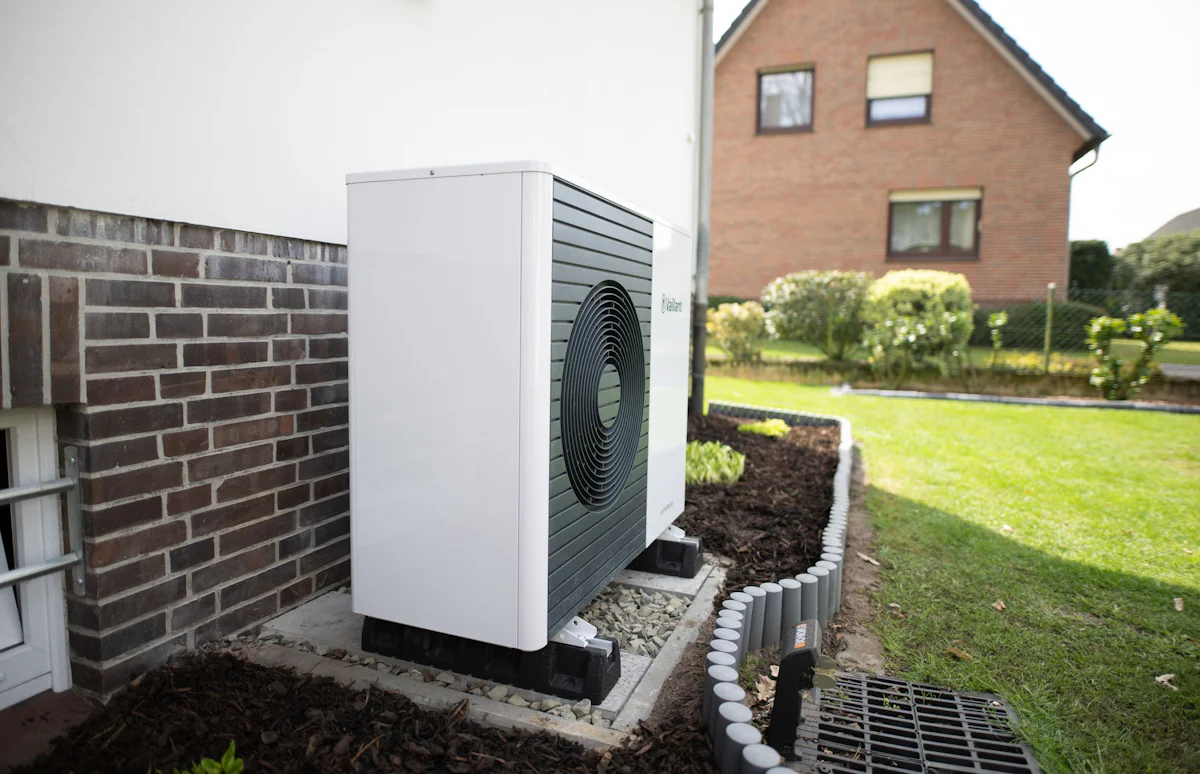
Anteil von Wärmepumpen in Neubauten verdoppelt sich
Wiesbaden (dpa) - Ein immer größerer Teil der neuen Wohngebäude in Deutschland wird mit Wärmepumpen beheizt. Knapp drei Viertel (73,6 Prozent) der rund 58.900 Wohngebäude, die…