HomeAI · summaries
Storia in 5 fonti
Why China is buying less Iranian oil - explained in charts
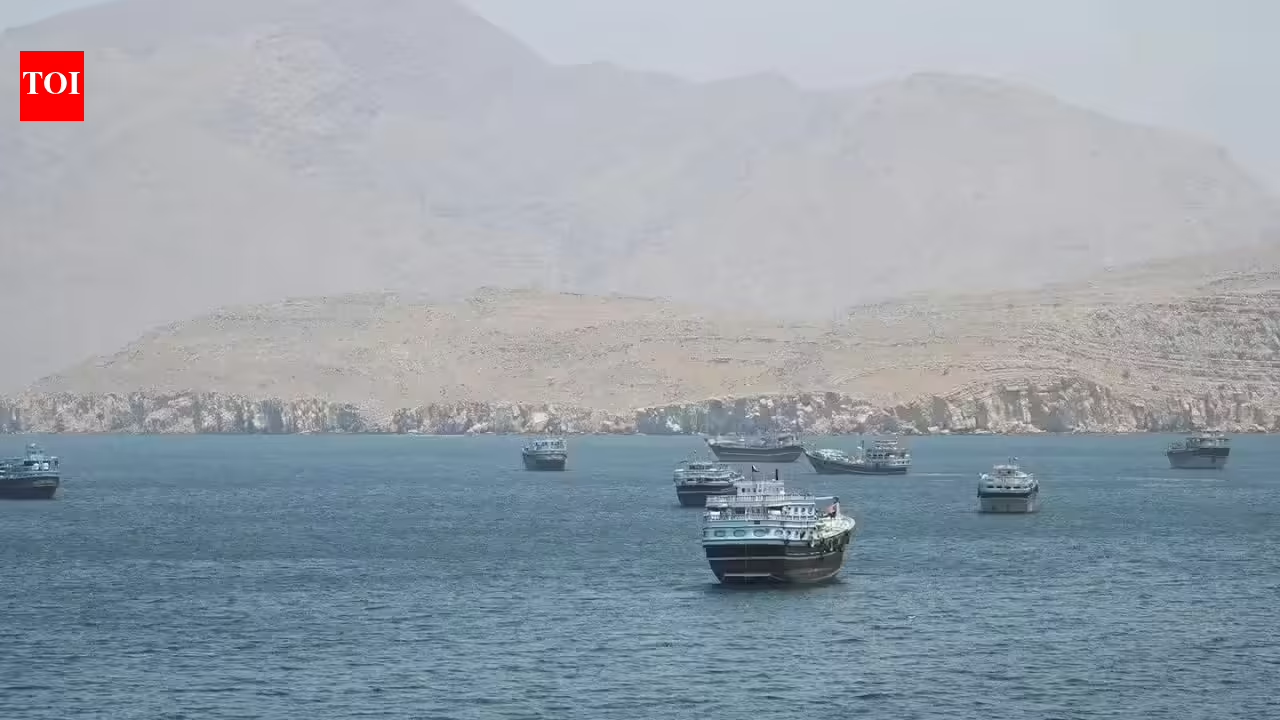
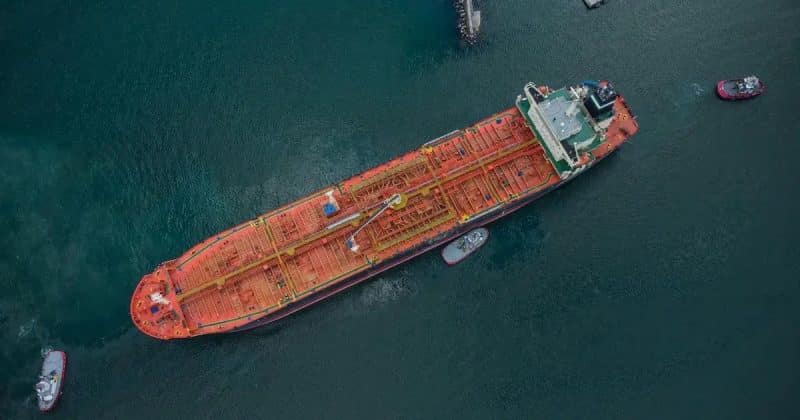
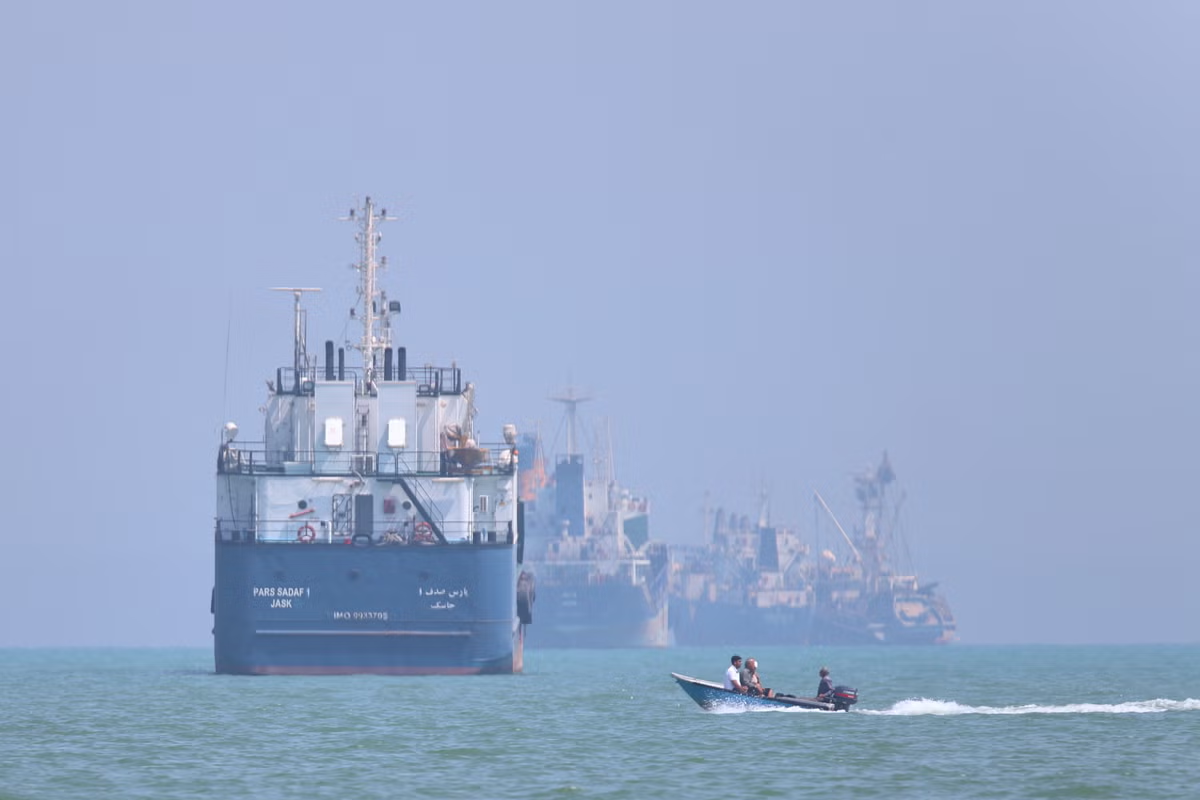
The Strait of Hormuz, just 29 nautical miles (54 km) wide at narrowest point may be one of the world's most critical oil chokepoints. But as disruptions rattles the waterway, an unexpected trend is emerging, as China which is Iran's biggest oil customer is buying significantly less crude.
Confronto fonti
5 prospettive sulla stessa storiaTimeline cronologica
- ·
brookings.edu
From chokepoint to crisis: The Strait of Hormuz and global oil markets | Brookings
Oil prices are likely to rise further as the Strait of Hormuz remains closed, and once it opens, the market will take months to normalize.
- ·
theprint.in
China's oil imports hit eight-year low as Iran war disrupts energy supplies
Beijing has leaned on stockpiles, refinery cuts and export curbs instead of chasing replacement crude, helping cushion global markets from the supply shock.