HomeAI · summaries
Storia in 14 fonti
Texas on alert as flesh-eating parasite infects more animals, threatening industry
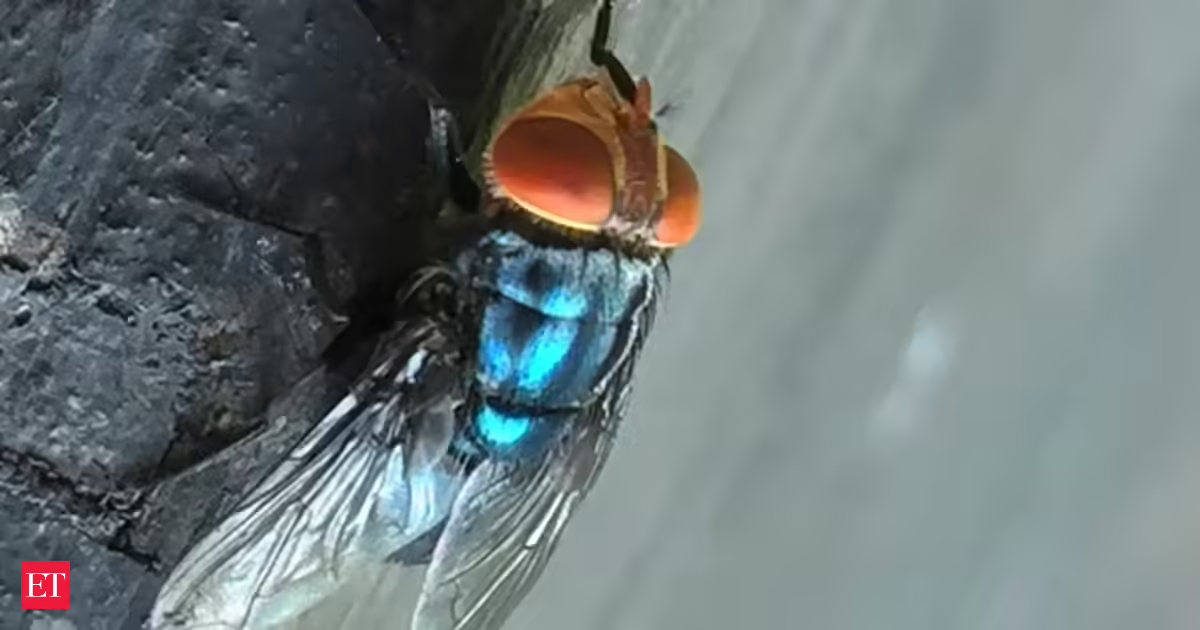
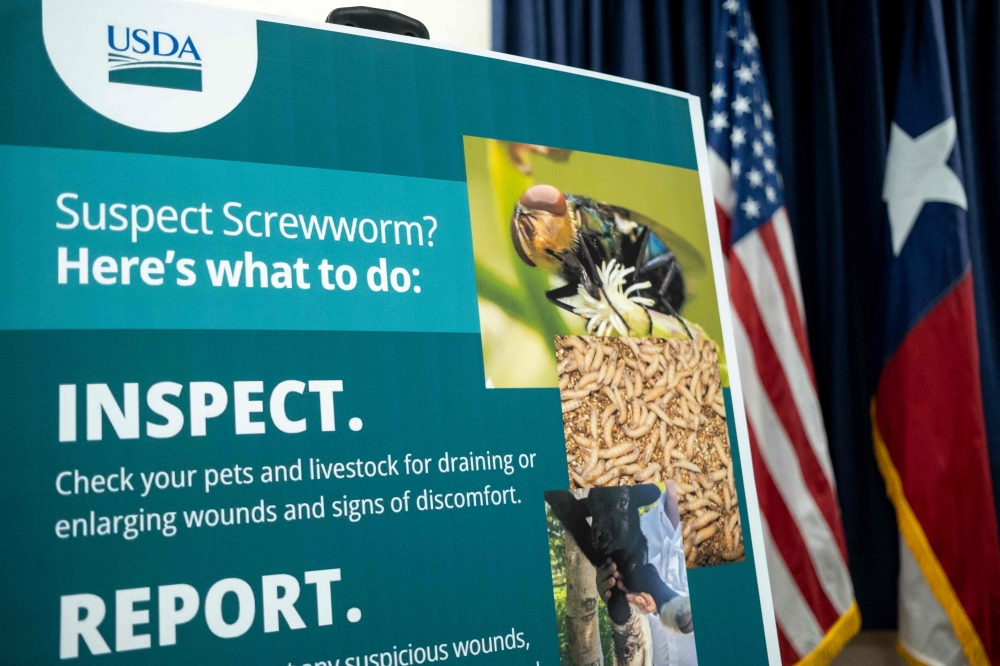
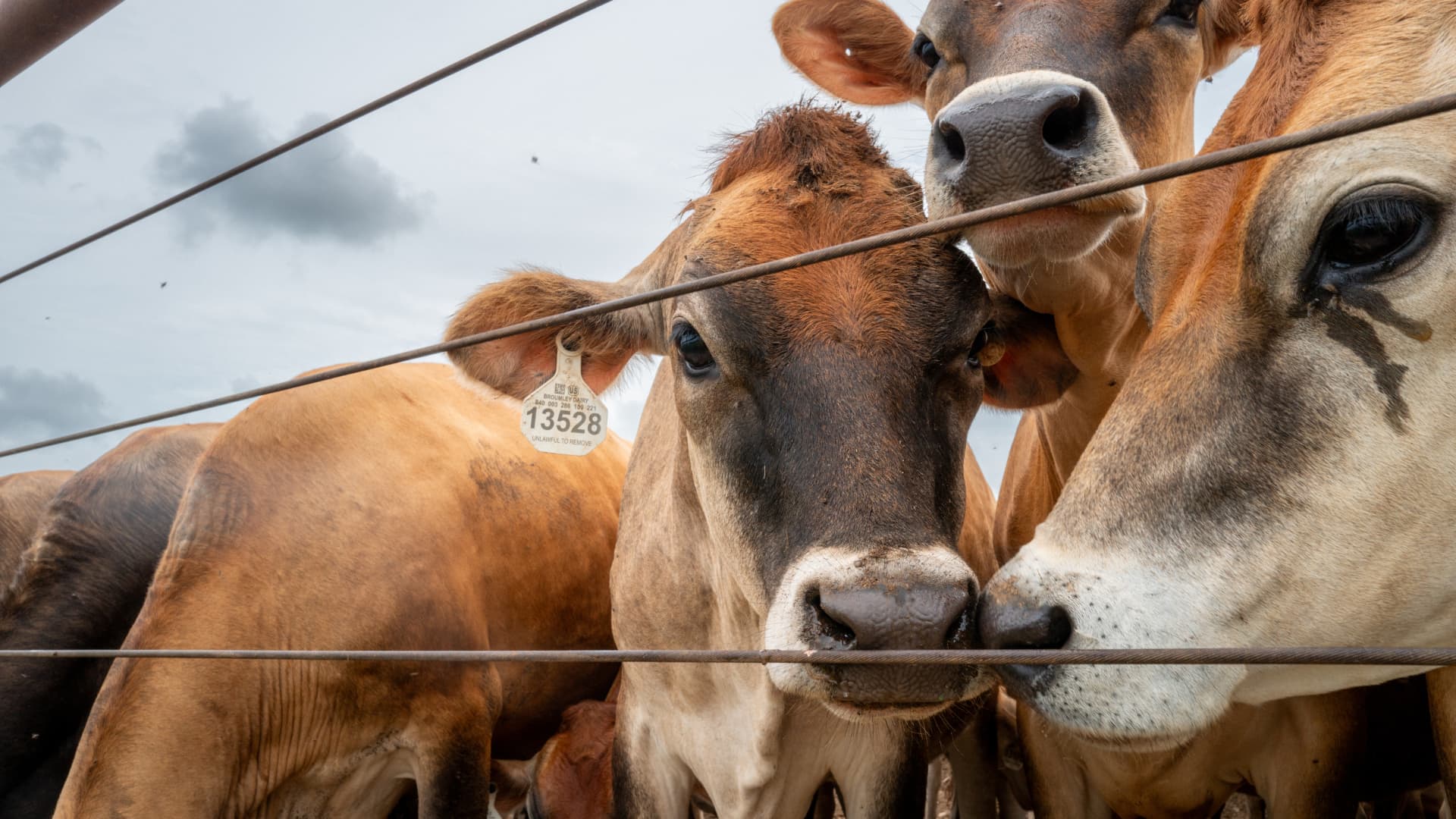
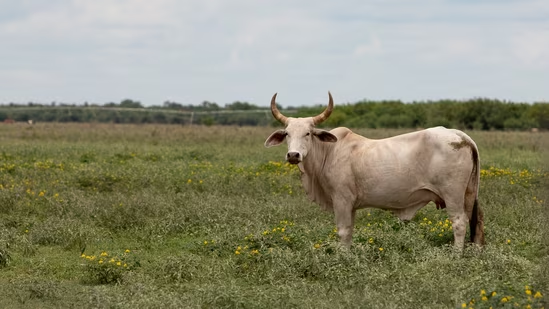
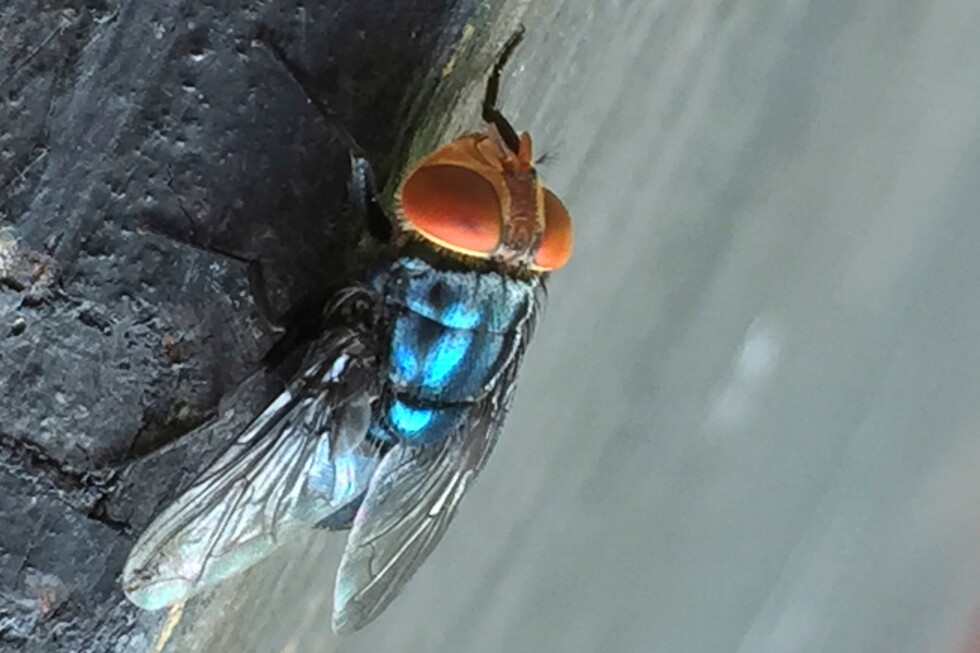
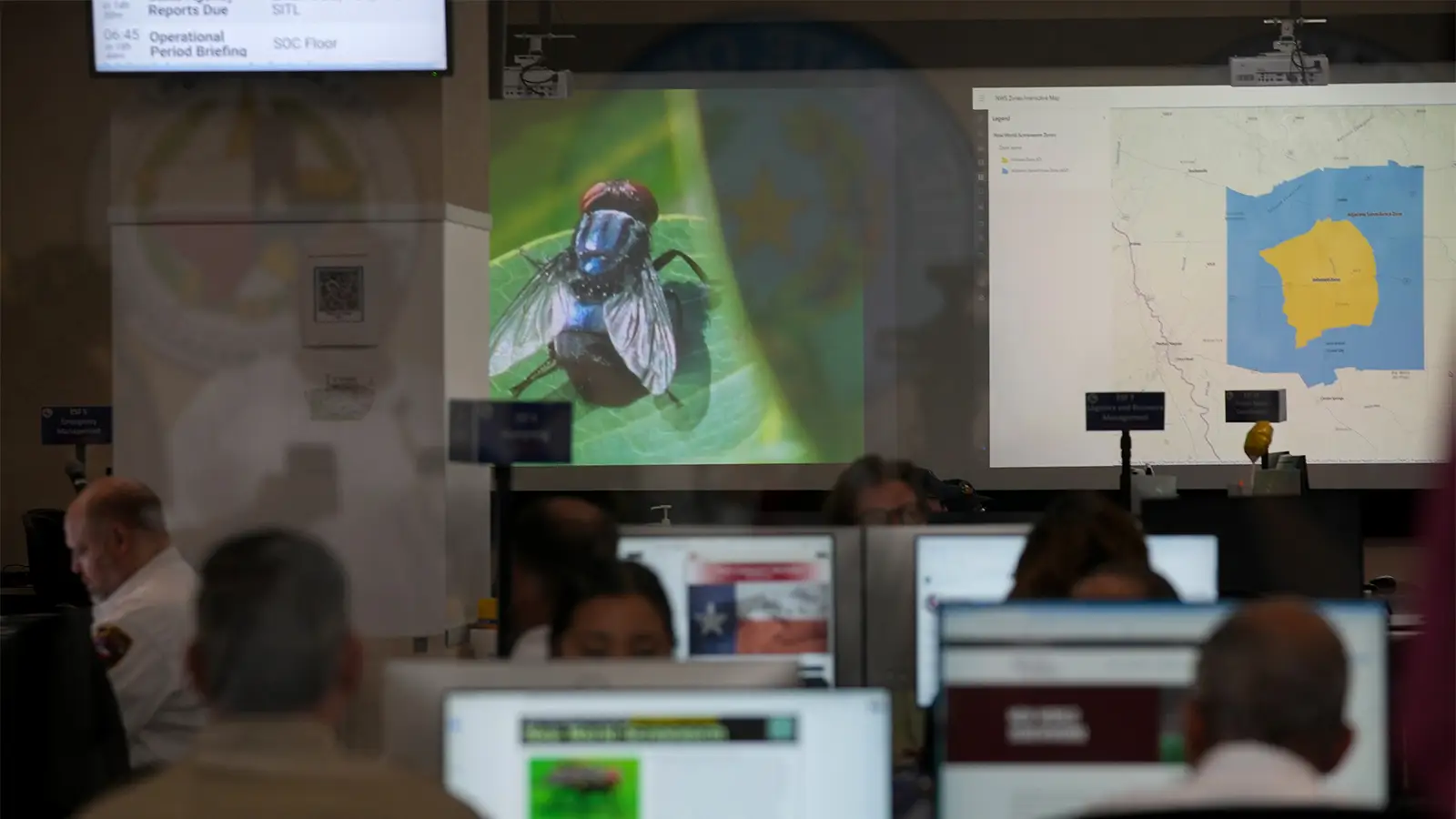
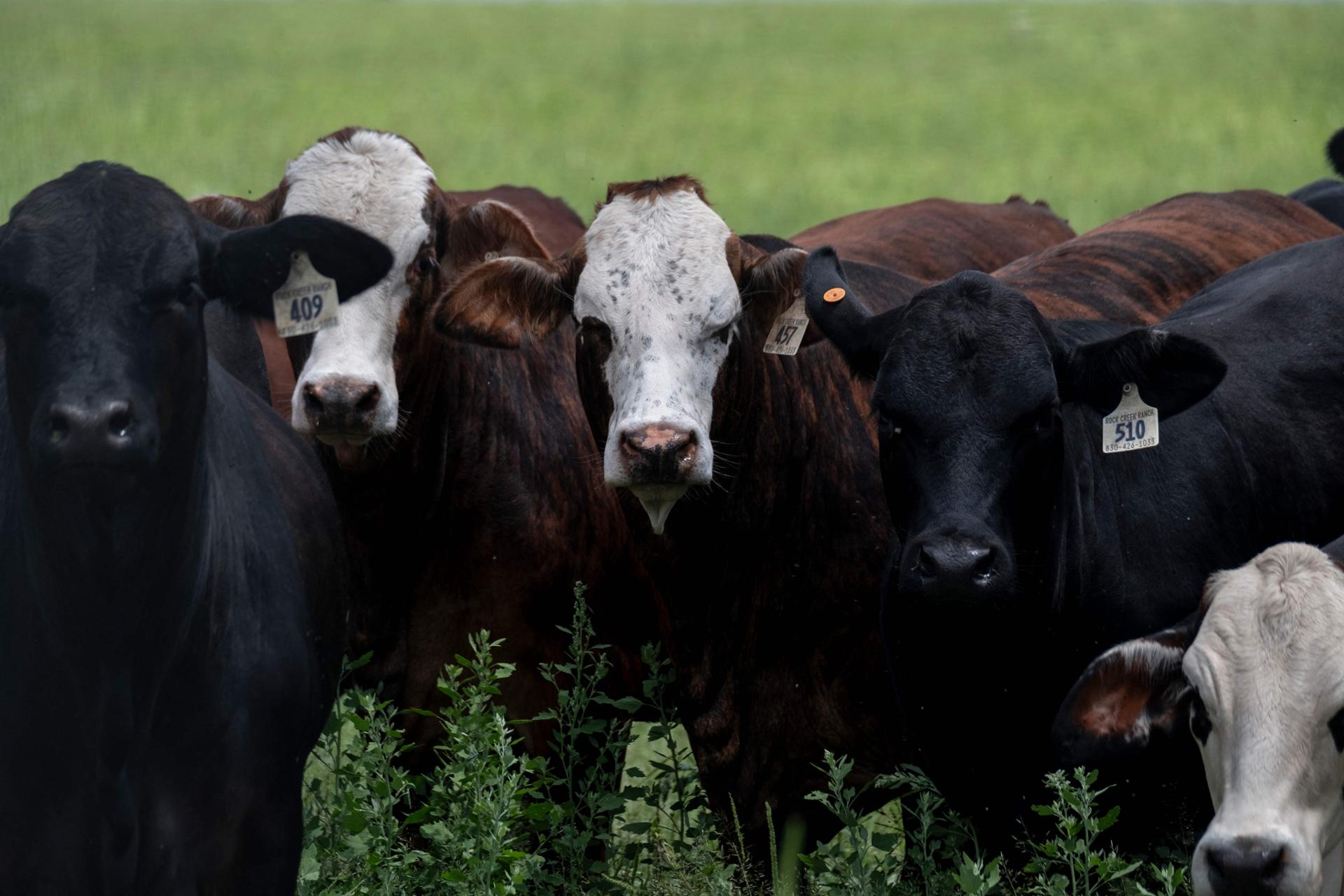
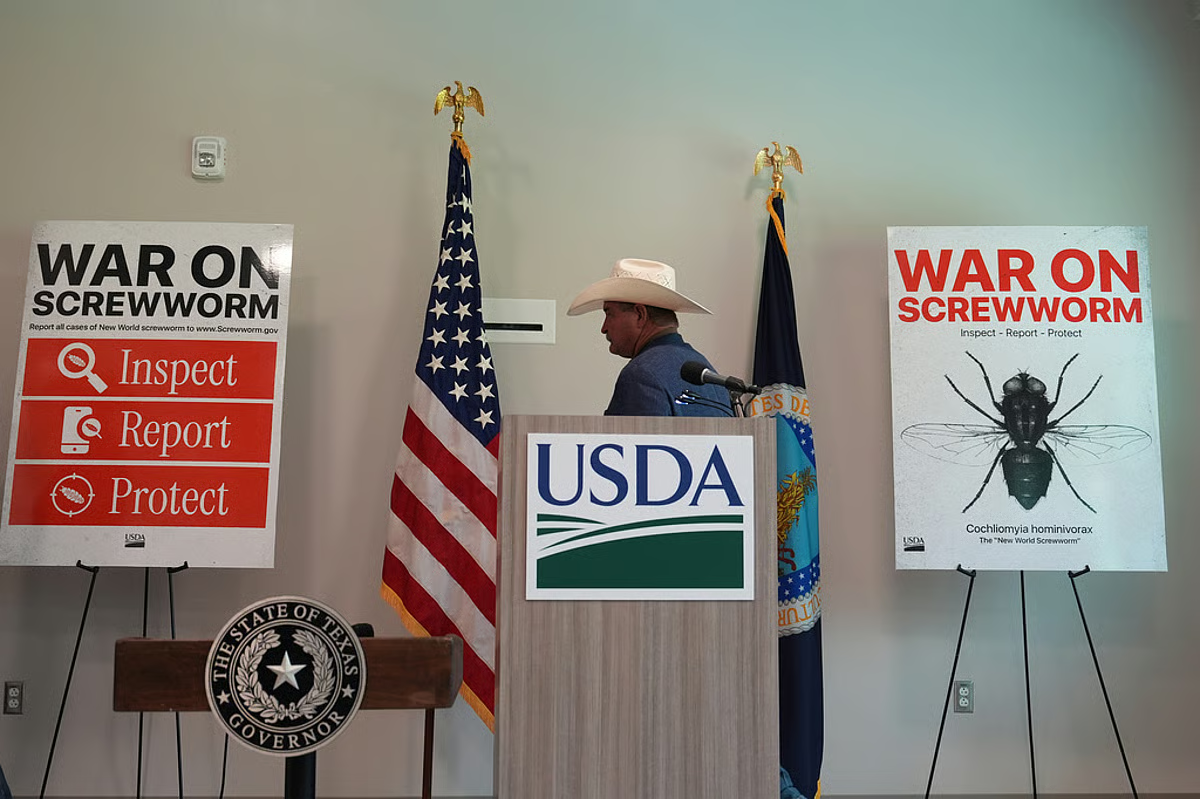
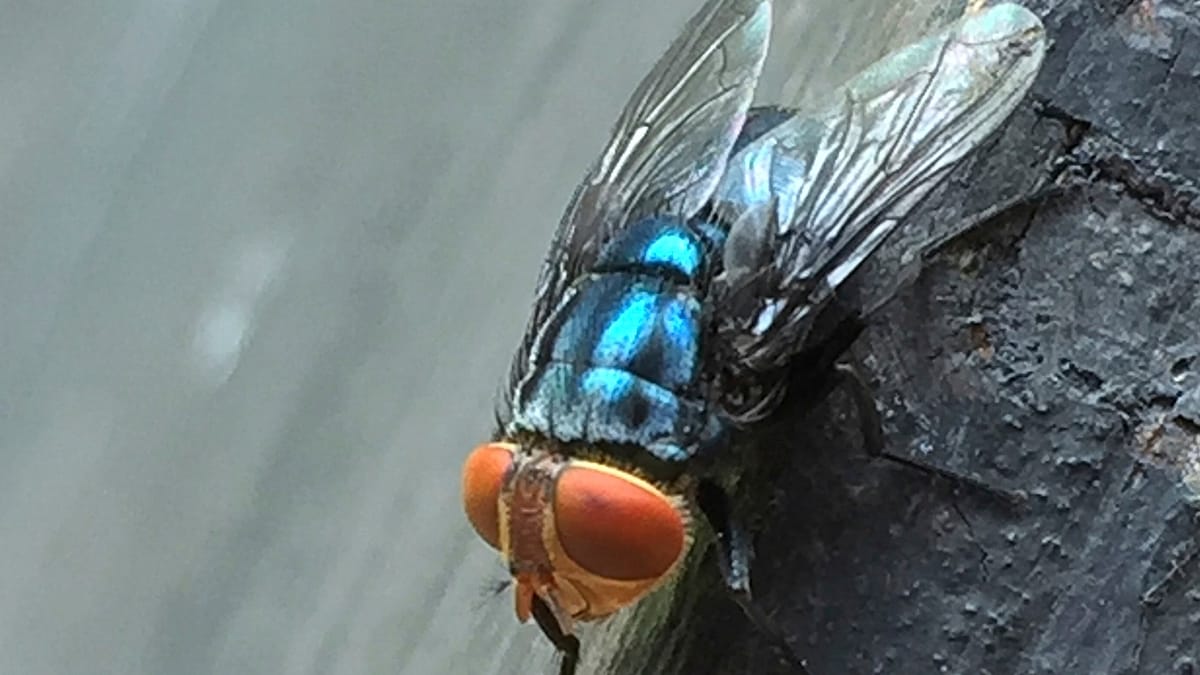
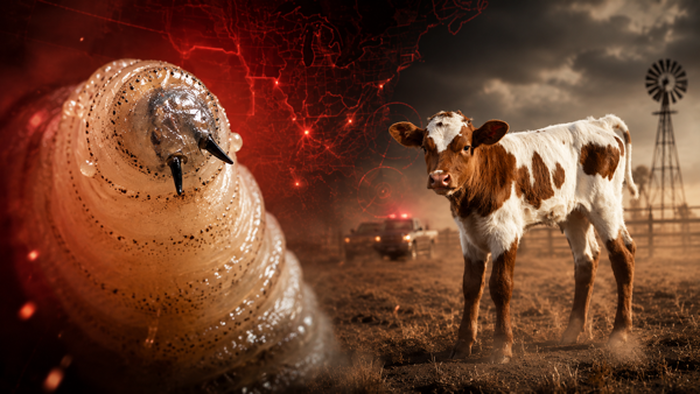
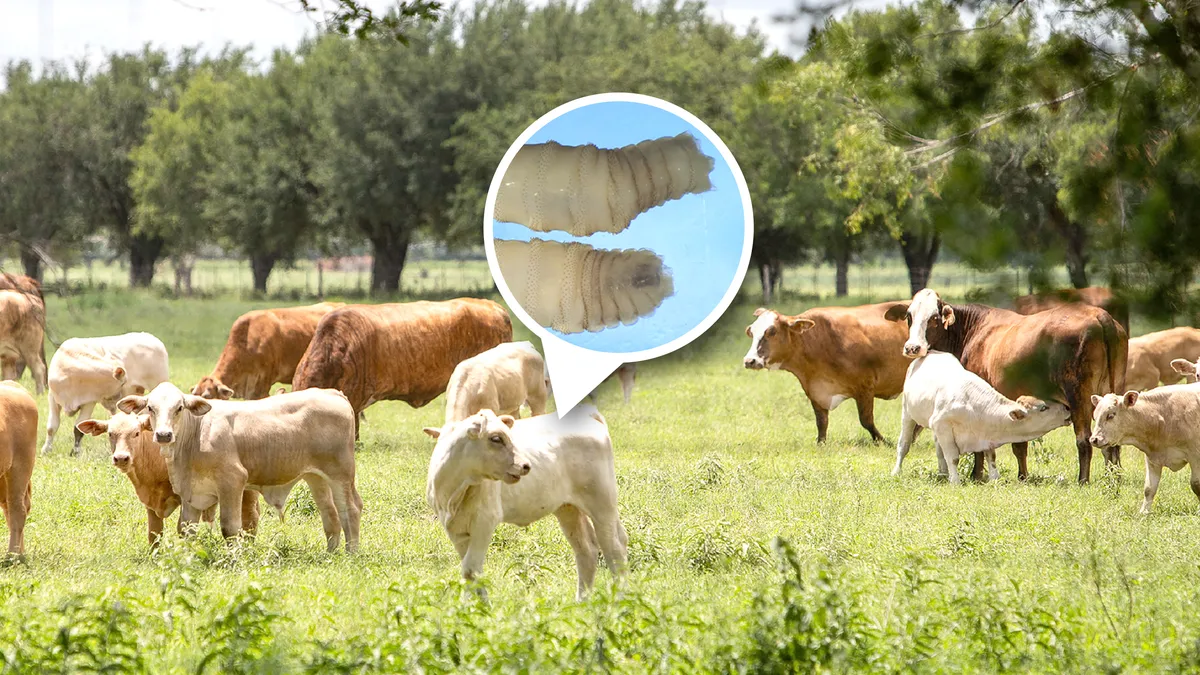
Stay up to date with notifications from The IndependentNotifications can be managed in browser preferences.Jump to contentThank you for registeringPlease refresh the page or navigate to another page on the site to be automatically logged inPlease refresh your browser to be logged inAllNewsSportCultureLifestyleA cow grazes in a field a day after the U.S. Department of Agriculture confirmed that New World screwworm was detected in a Texas calf, near Crystal City (Reuters)Two new cases of the New World screwworm have been confirmed in Texas, bringing the total to four and highlighting a persistent threat to the state's cattle industry. The screwworm, a fly whose larvae consume live flesh, was identified in a calf and a dog in La Salle and Andrews counties, hundreds of miles apart. This re-emergence follows the pest's elimination from the U.S. in the 1960s and its detection in Mexico late in 2024, after decades of containment. The U.S. Department of Agriculture (USDA) is actively working to eradicate the pest, addressing immediate cases while pursuing broader eradication efforts. The USDA's strategy includes breeding sterile male flies to prevent reproduction and plans to increase sterile fly production and construct a new factory in Texas. In fullA parasite that devours living flesh is spreading in Texas—and officials are racing to stop itThank you for registeringPlease refresh the page or navigate to another page on the site to be automatically logged inPlease refresh your browser to be logged in
Confronto fonti
6 prospettive sulla stessa storiaTimeline cronologica
- ·
eu.usatoday.com
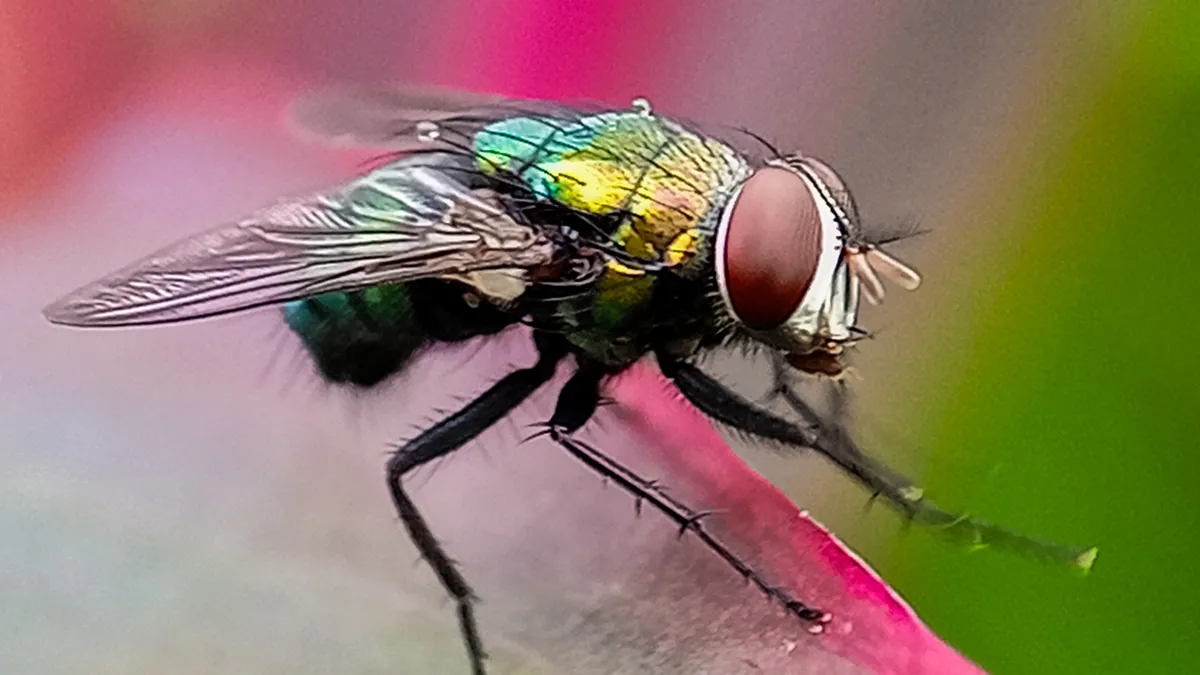
A flesh-eating screwworm is in the US. How worried should we be?
As New World screwworm enters the U.S. for the first time in decades, we should be vigilant but not panic, experts told USA TODAY.
- ·
rnz.co.nz
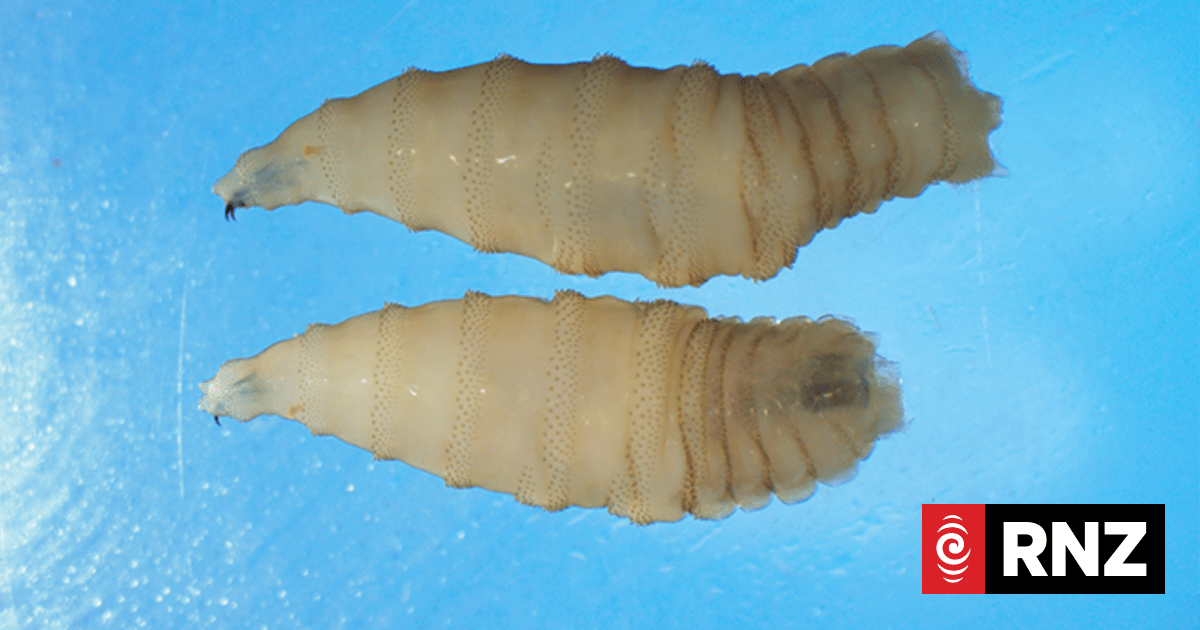
Deadly screwworm parasite detected in Texas
US farmers and officials are worried about the arrival of screwworm in Texas after a calf was found with the flesh-eating parasite.