WARPTECHNEWS · LAB
HomeAIBusinessTechArchive
WARPTECH LAB NEWS

Warptech Lab News aggrega le notizie più rilevanti da oltre 700 fonti internazionali, con classificazione AI, TL;DR sintetici e timeline cluster su singole storie.

Navigazione

  • Home
  • Archivio
  • Editor's Brief
  • Cerca
  • Il tuo account
  • Newsletter tech/AI

Informazioni legali

  • Privacy Policy
  • Termini di servizio
  • Cookie Policy

© 2026 Sparktech S.R.L. — Tutti i diritti riservati. Sito gestito e manutenuto da Sparktech S.R.L.

Sede legale: Corso Libertà 55, 13100 Vercelli (VC), Italia · P.IVA / C.F. 02835910023 · Contatti: admin@warptechlab.com

Home
Storia in 2 fonti

Researchers pinpoint why larger language models pick up skills that small ones miss

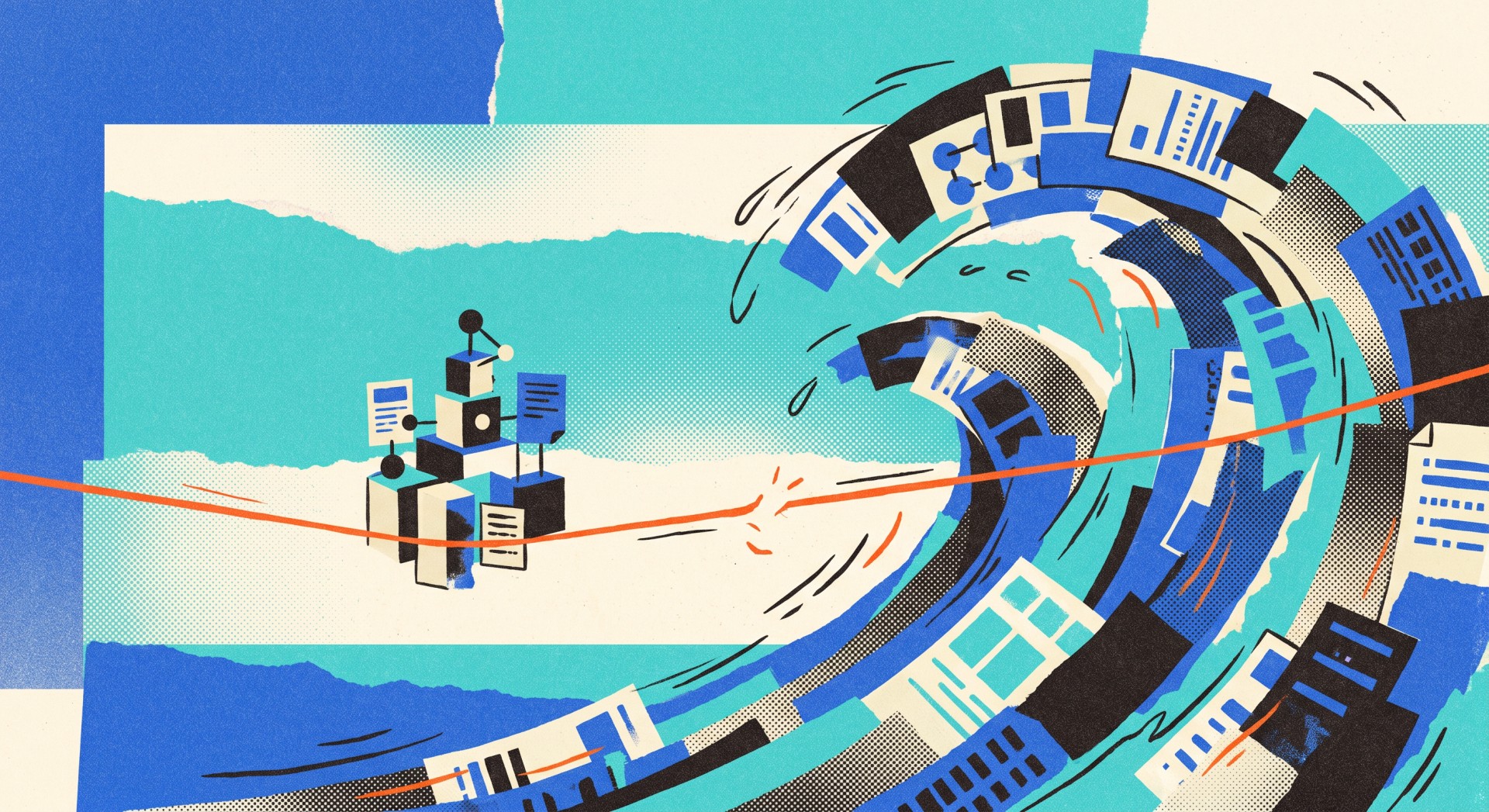
Small language models fail at rare tasks because frequent ones constantly overwrite what they've learned. A new study with models ranging from 4 million to 4 billion parameters shows this mechanism in detail and offers a practical fix: instead of scaling up models, it may be enough to increase how often the target task appears in the training data.

Raccontata dathe-decoder.comcryptobriefing.com

Confronto fonti

2 prospettive sulla stessa storia
AI · summaries
the-decoder.comStai leggendo5 g fa

Researchers pinpoint why larger language models pick up skills that small ones miss

Small language models fail at rare tasks because frequent ones constantly overwrite what they've learned. A new study with models ranging from 4 million to 4 billion parameters shows this mechanism in detail and offers…

originale
cryptobriefing.com3 g fa

Stanford, MIT, Harvard, Anthropic study reveals why larger models learn rare tasks better

New research from Stanford, MIT, Harvard, and Anthropic explains why larger AI models learn rare tasks better through reduced gradient interference during

Leggi questa versione →

Timeline cronologica

  1. domenica 7 giugno 2026·the-decoder.com

    Researchers pinpoint why larger language models pick up skills that small ones miss

    Small language models fail at rare tasks because frequent ones constantly overwrite what they've learned. A new study with models ranging from 4 million to 4 billion parameters…

  2. martedì 9 giugno 2026·cryptobriefing.com

    Stanford, MIT, Harvard, Anthropic study reveals why larger models learn rare tasks better

    New research from Stanford, MIT, Harvard, and Anthropic explains why larger AI models learn rare tasks better through reduced gradient interference during

originale