HomeAI · summaries
Storia in 7 fonti
Wind from Milky Way’s black hole solves a 50-year-old mystery
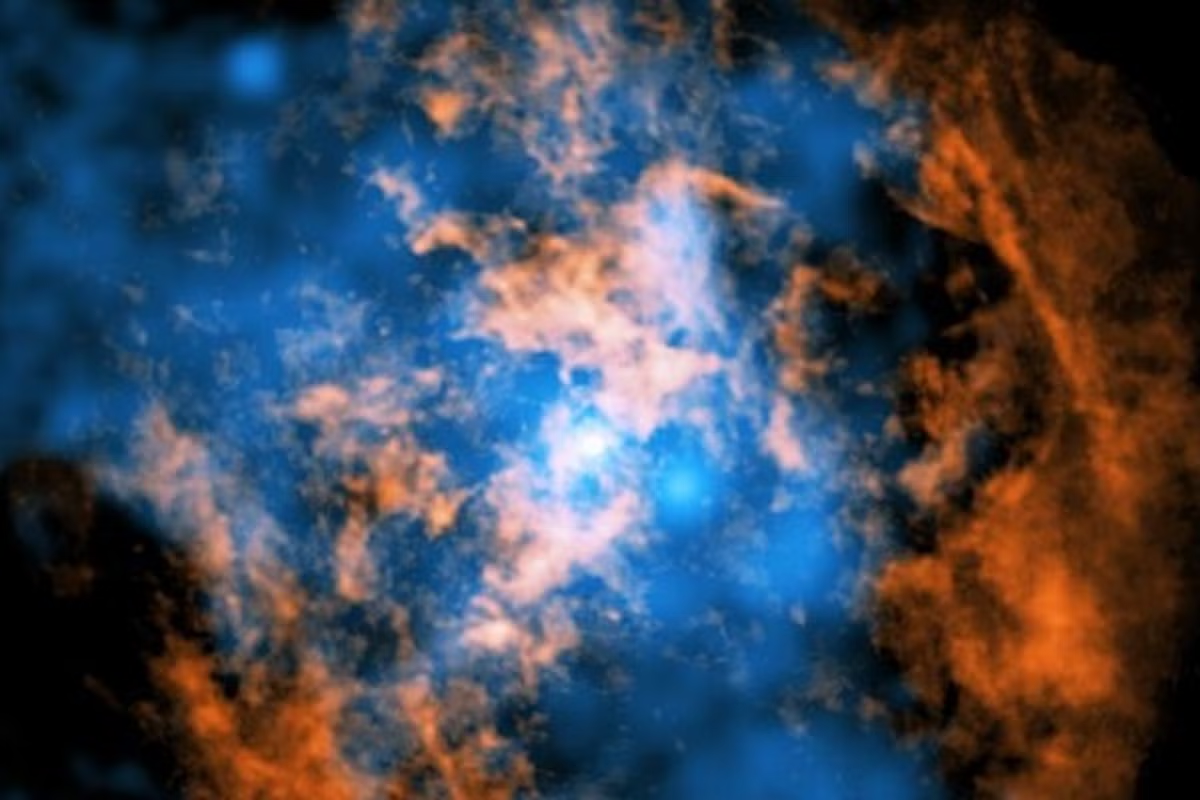
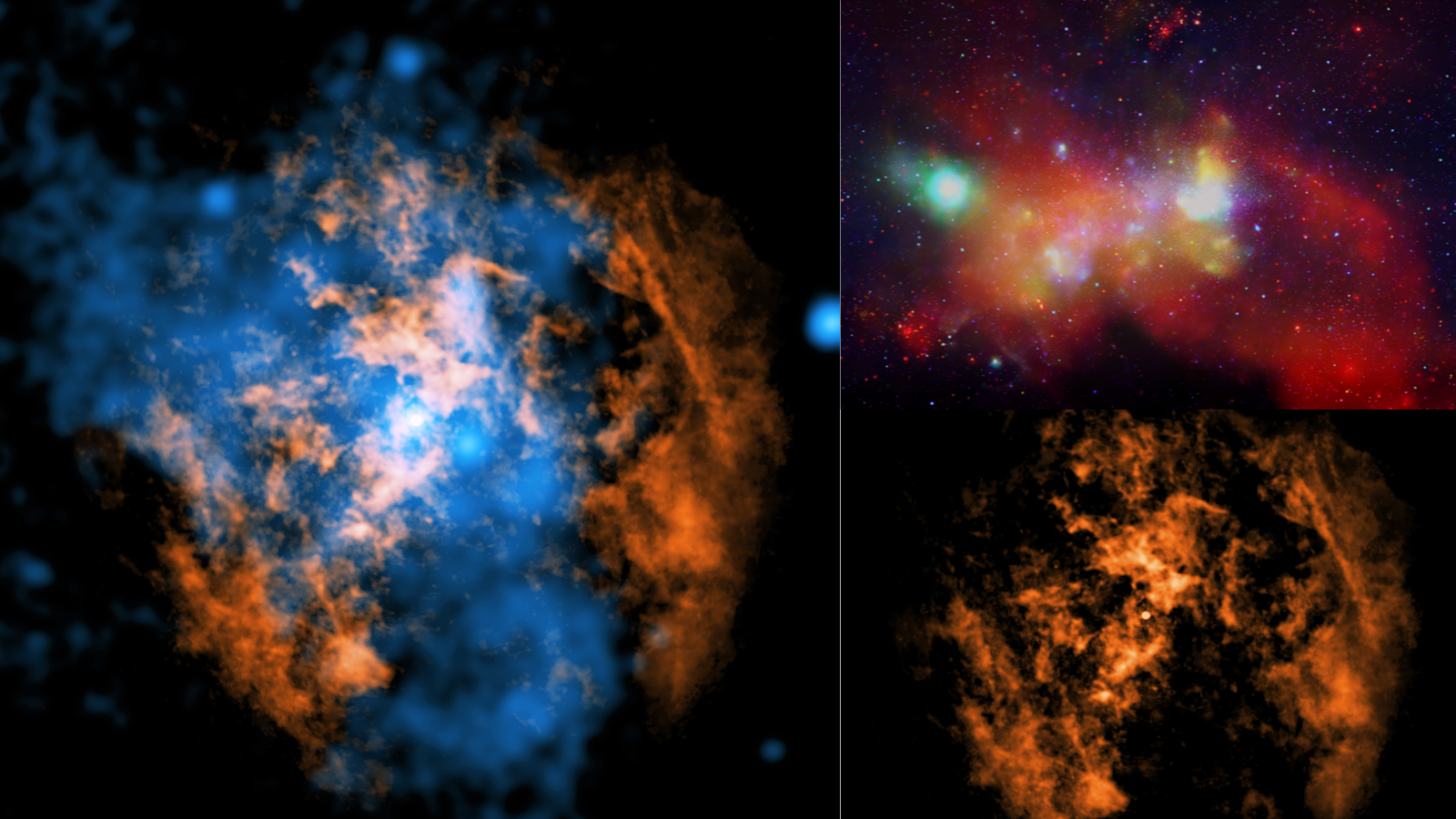
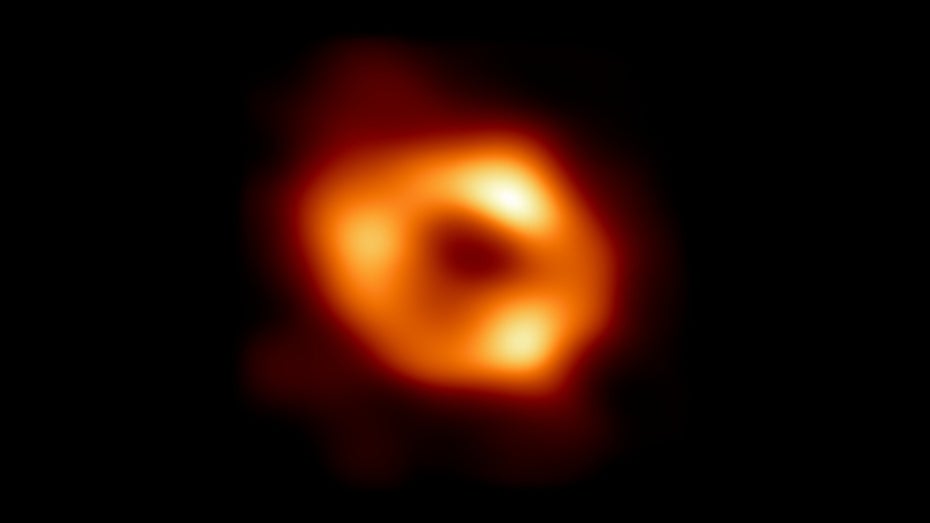
Stay up to date with notifications from The IndependentNotifications can be managed in browser preferences.Jump to contentThank you for registeringPlease refresh the page or navigate to another page on the site to be automatically logged inPlease refresh your browser to be logged inAllNewsSportCultureLifestyleAstronomers have resolved a 50-year-old mystery concerning Sagittarius A*, the supermassive black hole at the centre of the Milky Way galaxy, by finally detecting evidence of its wind. The breakthrough was achieved using five years of observations from the Atacama Large Millimeter/submillimeter Array (ALMA) radio telescopes in Chile, which provided an image 100 times deeper and 80 times sharper than previous maps. Researchers, led by Mark Gorski and Elena Murchikova, discovered a massive, cone-shaped region devoid of gas, which they concluded could only have been carved out by hot wind emanating from Sagittarius A*. This finding confirms that, like most black holes, Sagittarius A* produces a wind as it consumes surrounding material, despite previous difficulties in detecting it due to obscuring gas and dust. The observations indicate that Sagittarius A* is currently in a quieter phase, and the discovery helps scientists better understand the black hole's role in controlling the galaxy's growth and evolution. In fullScientists just solved a decades-old mystery about the black hole in the middle of our galaxyThank you for registeringPlease refresh the page or navigate to another page on the site to be automatically logged inPlease refresh your browser to be logged in
Confronto fonti
6 prospettive sulla stessa storiaTimeline cronologica
- ·
scientificamerican.com
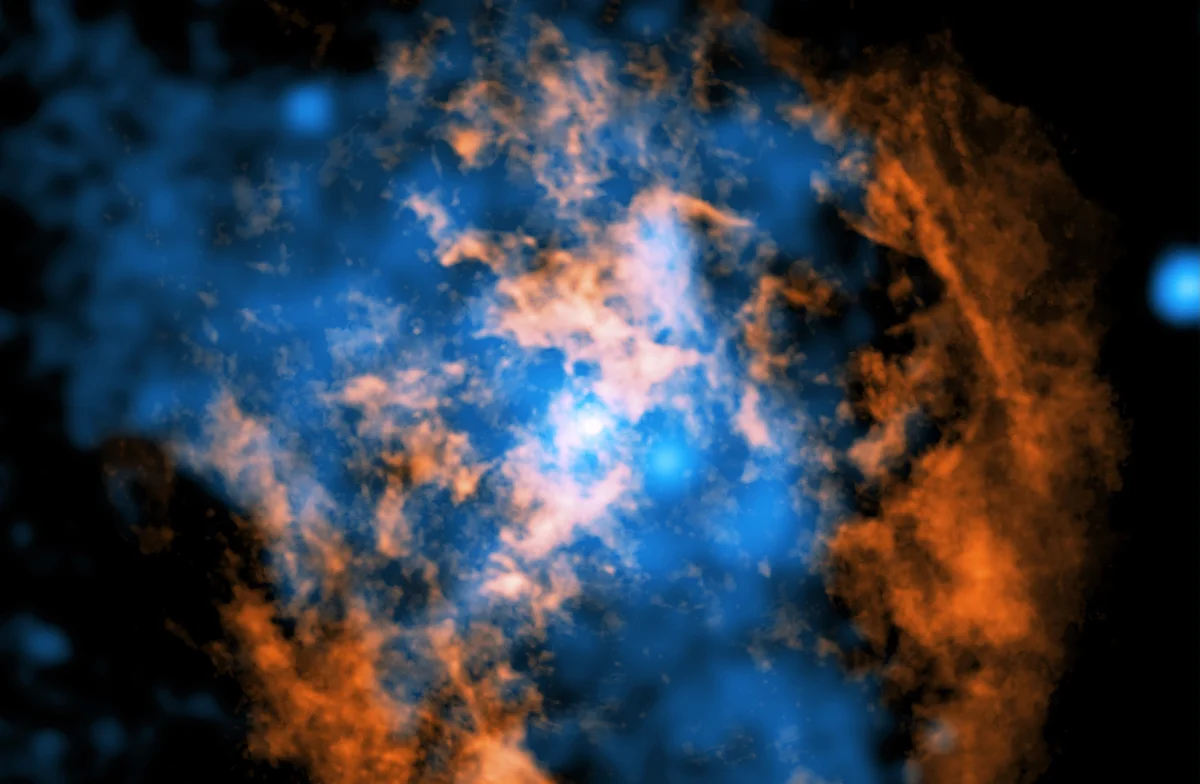
Astronomers just solved a 50-year-old mystery about the Milky Way’s black hole
A breeze is emanating from Sagittarius A* at the heart of our galaxy
- ·
independent.co.uk
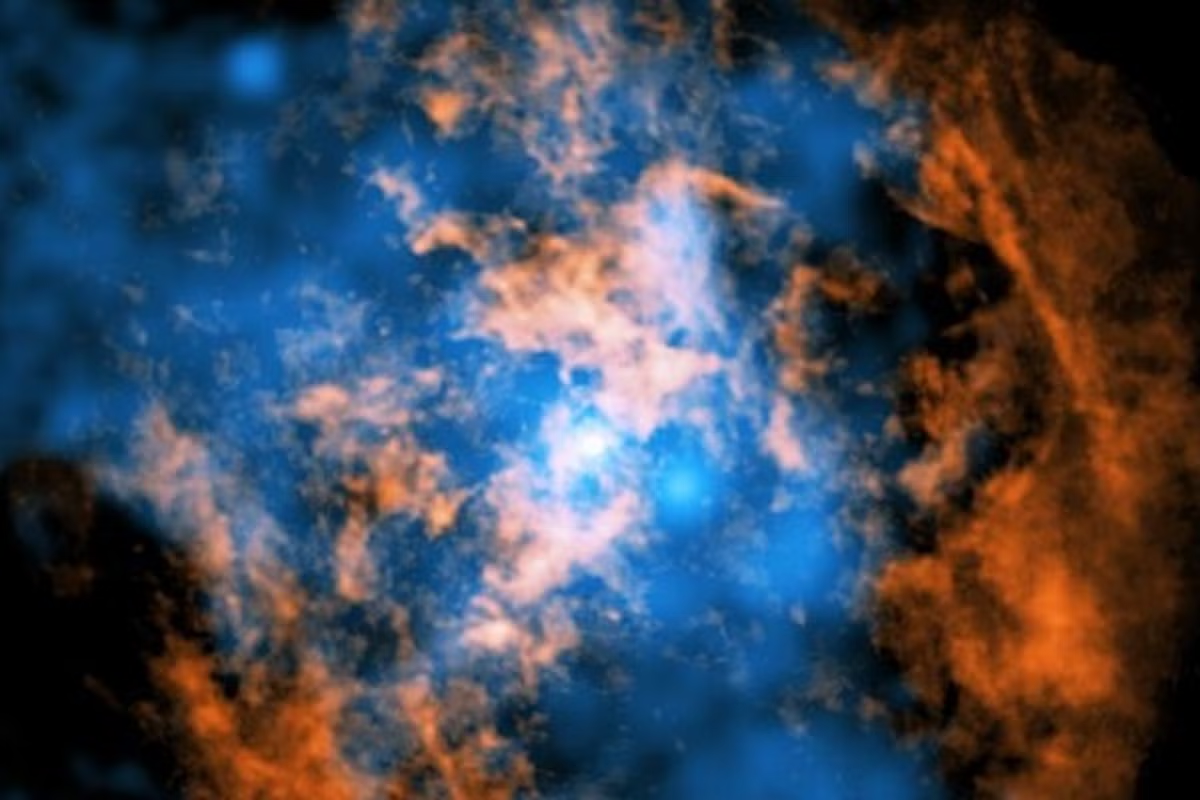
Scientists just solved a decades-old mystery about the black hole in our galaxy
They captured an image 100 times deeper and 80 times sharper than previous maps of the region