OpenAI calls for mandatory third-party evaluations of advanced AI models, diverging from Trump's voluntary review framework in a new policy paper.

Trump's new AI order creates a voluntary review process for powerful AI models. Supporters see a safety measure; critics may see a system vulnerable to favoritism and mission…

Trump’s AI evaluation order advances national security testing but raises concerns over secrecy, industry access and public accountability.
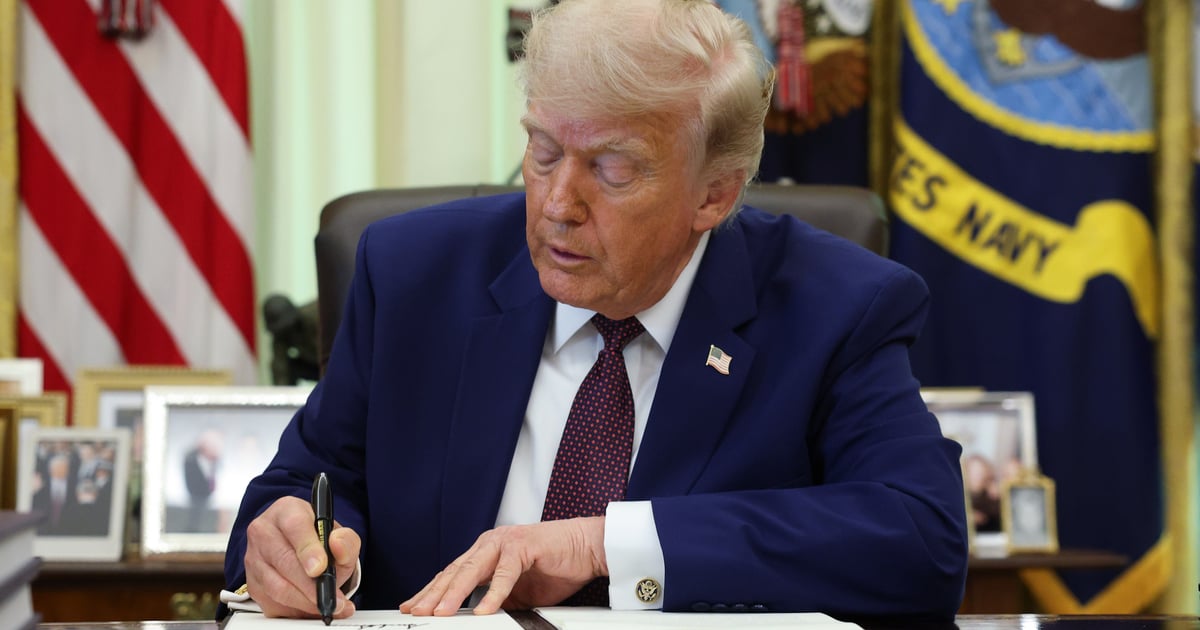
The order asks AI companies to voluntarily submit their most powerful models for the government to test up to 30 days before releasing them to the public.

Trump's AI order embraces pre-release testing for powerful AI models, but secrecy, voluntary participation and industry ties could complicate public trust.

Trump signed a downsized AI executive order with voluntary 30-day pre-release model review and cybersecurity clearinghouse, down from the 90-day mandatory draft scrapped in May.

Voluntary order signals Trump is shifting his strategy toward more monitoring

The tech giant unveiled a regulatory framework for advanced AI that splits from new White House plans for voluntary vetting and an enhanced role for the intelligence community.

OpenAI calls for mandatory third-party evaluations of advanced AI models, diverging from Trump's voluntary review framework in a new policy paper.

In policy paper, OpenAI diverges from White House on AI safety - SiliconANGLE

George Osborne, OpenAI's Head of Countries told CNBC that governments "have a big role to play in how this technology is used and deployed."

The company's head of countries said OpenAI takes its responsibilities "very seriously" and proactively suggests ways governments can track AI safety

OpenAI plans to participate in President Donald Trump's voluntary framework that would evaluate new AI systems before they reach the public.

The White House's AI executive order establishes voluntary framework for early government access to frontier models while investing in federal security.

Everyone seems to agree that AI needs oversight, but nobody agrees who should be in charge of the vetting.