HomeAI · summaries
Storia in 9 fonti
NASA’s James Webb Space Telescope detects methane hidden deep inside interstellar comet 3I/ATLAS with unusual carbon dioxide abundance
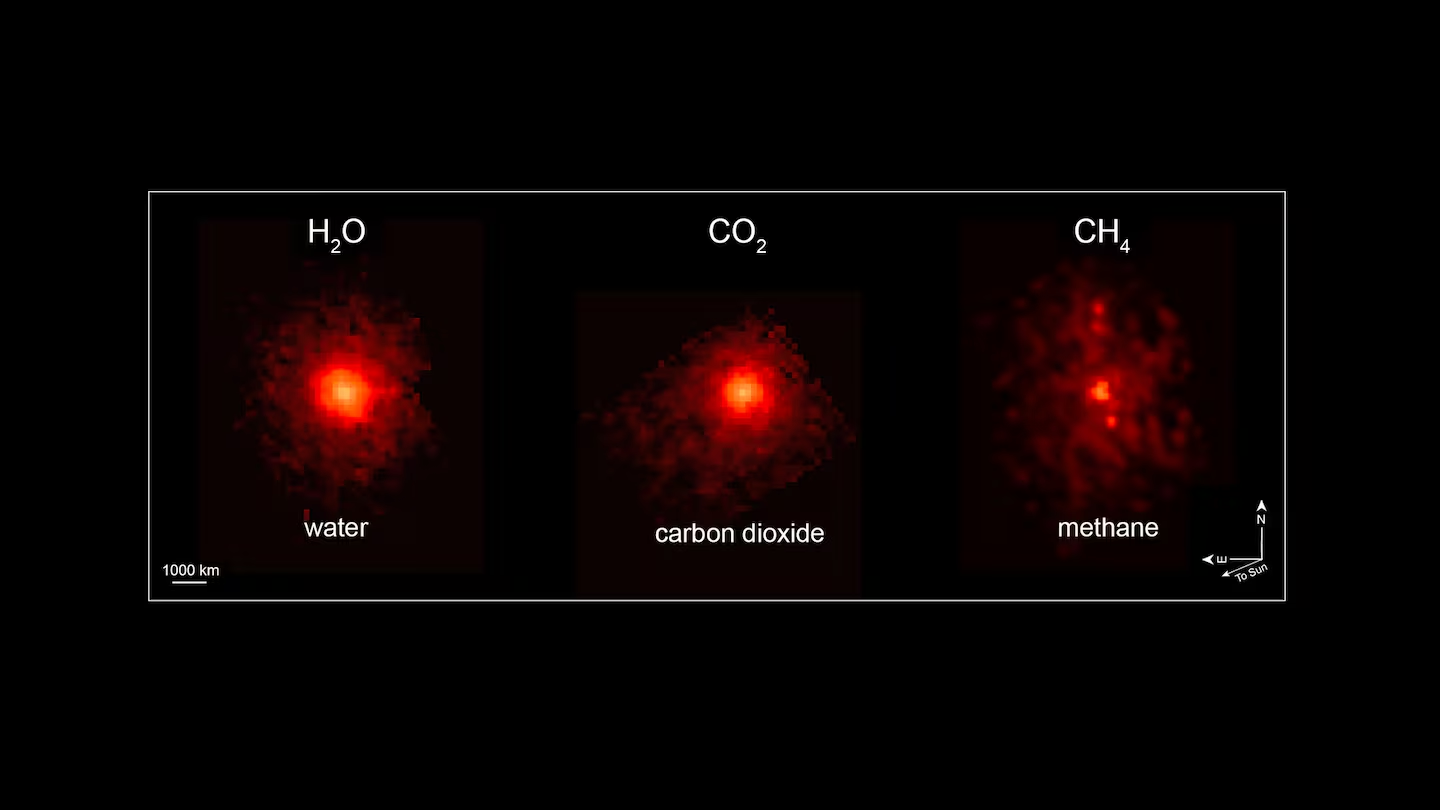
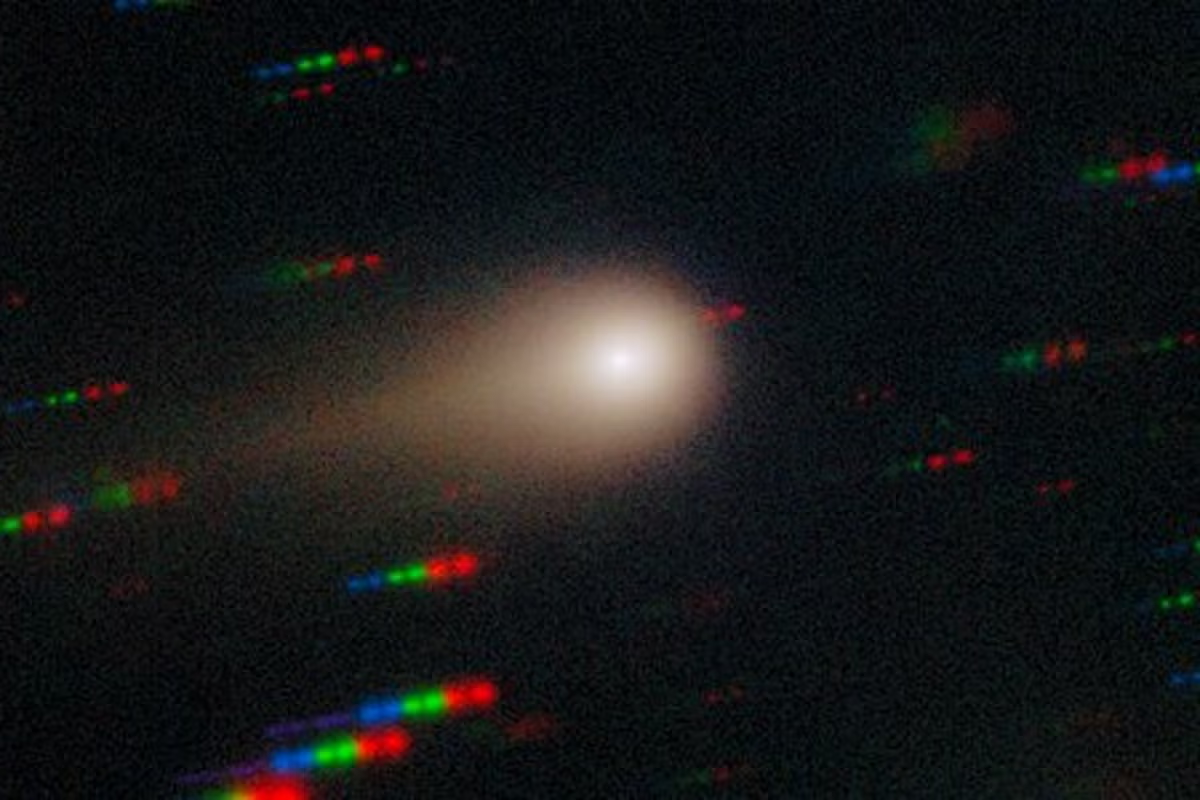
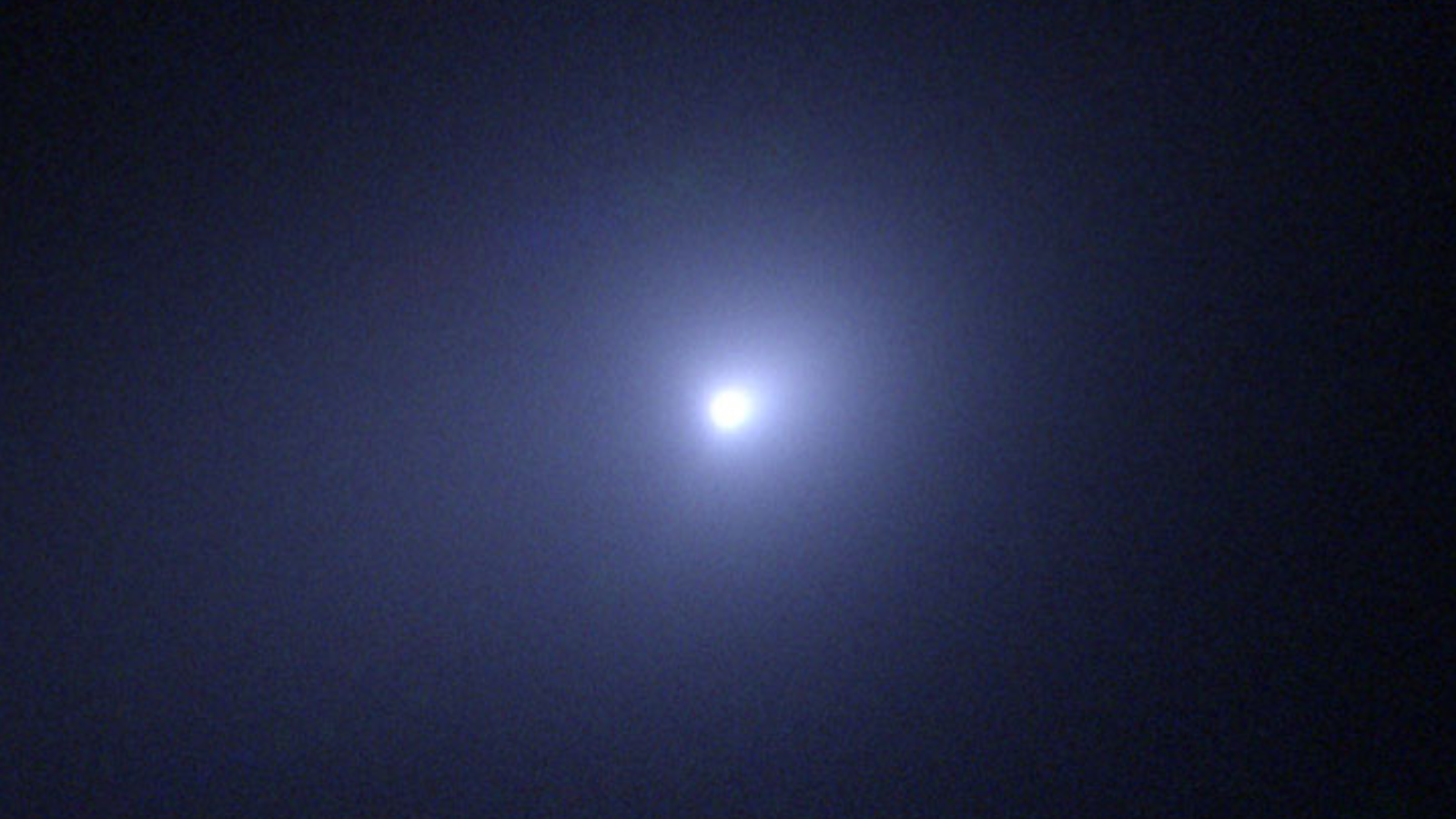
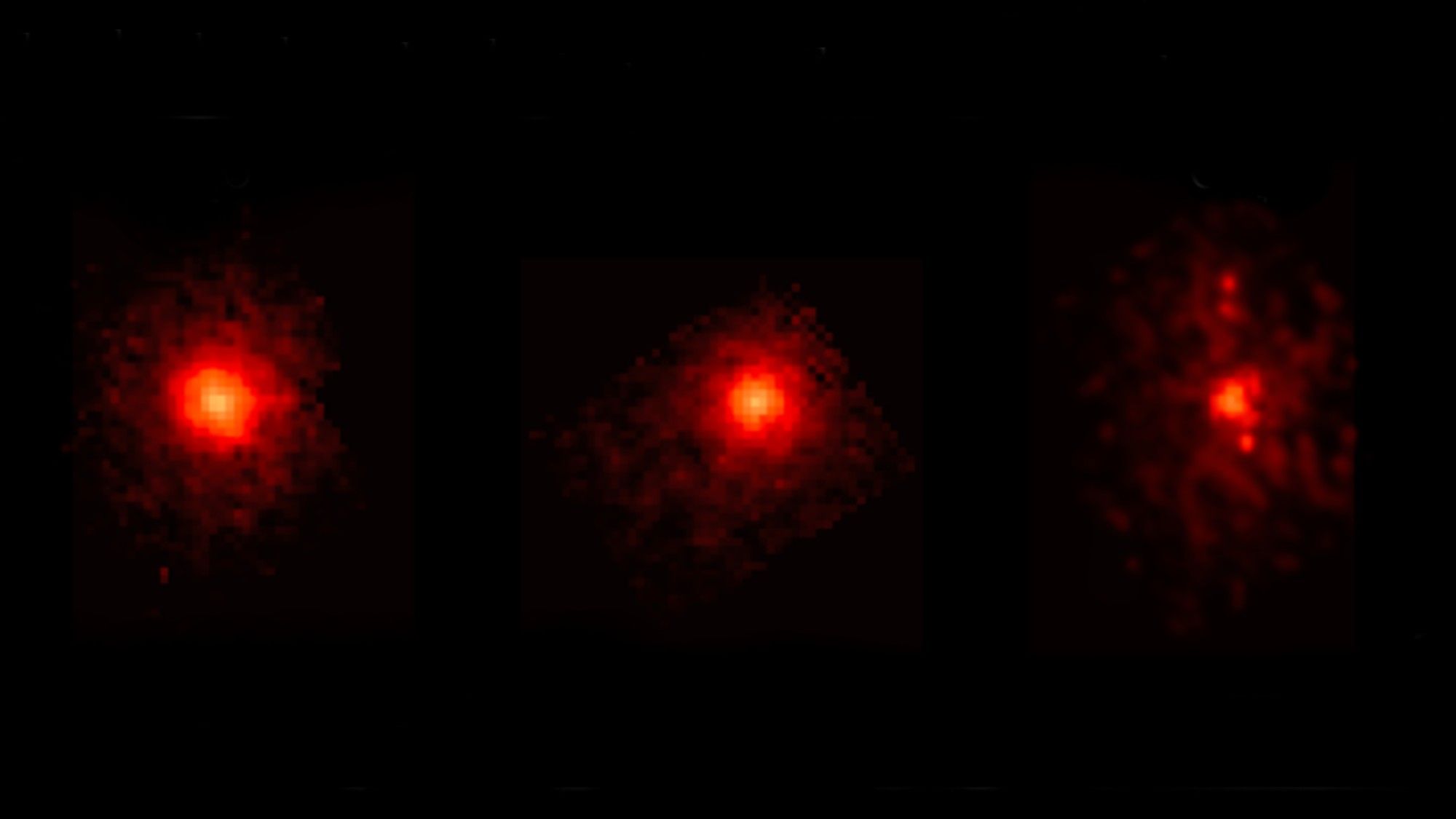
The view coming back from NASA’s James Webb Space Telescope has a way of turning familiar categories of comet science slightly awkward. 3I/ATLAS, an interstellar object only briefly passing through the solar system, has been watched before, but this time the reading feels less like a routine update and more like a chemical surprise that refuses to sit neatly alongside local comets.
Confronto fonti
6 prospettive sulla stessa storiaTimeline cronologica
- ·
sciencedaily.com
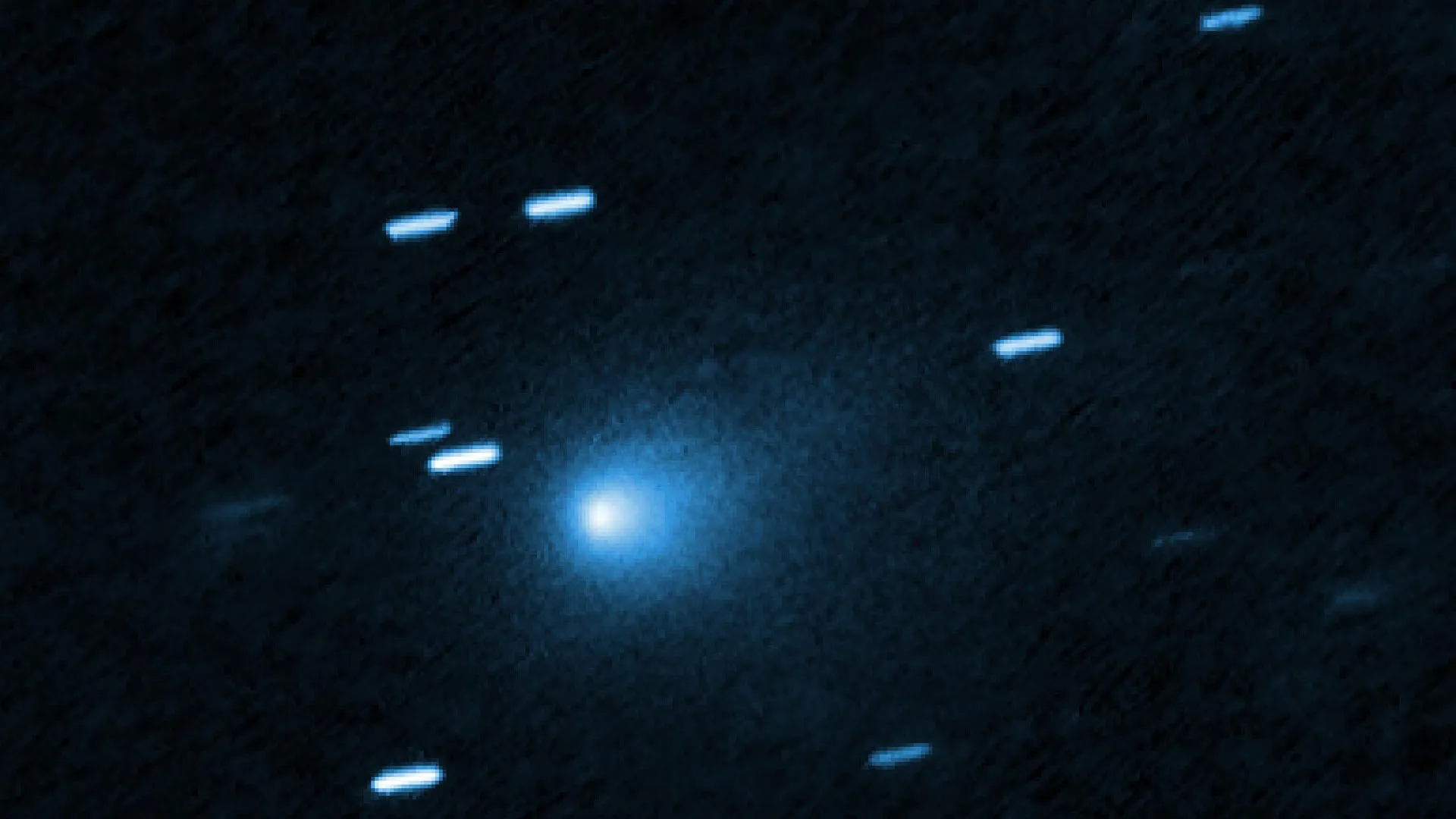
NASA's Webb detects methane and strange chemistry on interstellar comet 3I/ATLAS
NASA's James Webb Space Telescope has uncovered unusual chemistry in interstellar comet 3I/ATLAS, including the first direct detection of methane on a visitor from another star…
- ·
heise.de
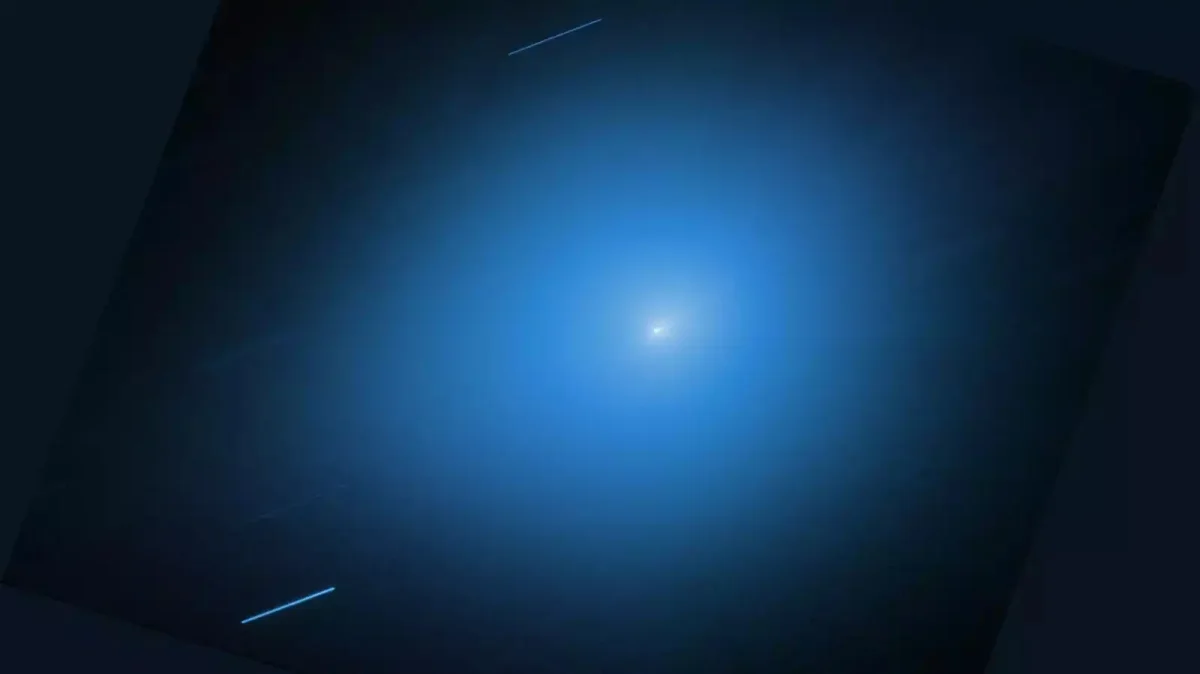
James-Webb-Teleskop weist Methan auf Komet 3I/Atlas nach
Auf dem Kometen 3I/Atlas wurde Methan nachgewiesen. Es ist der erste Fund von Methan auf einem interstellaren Kometen.