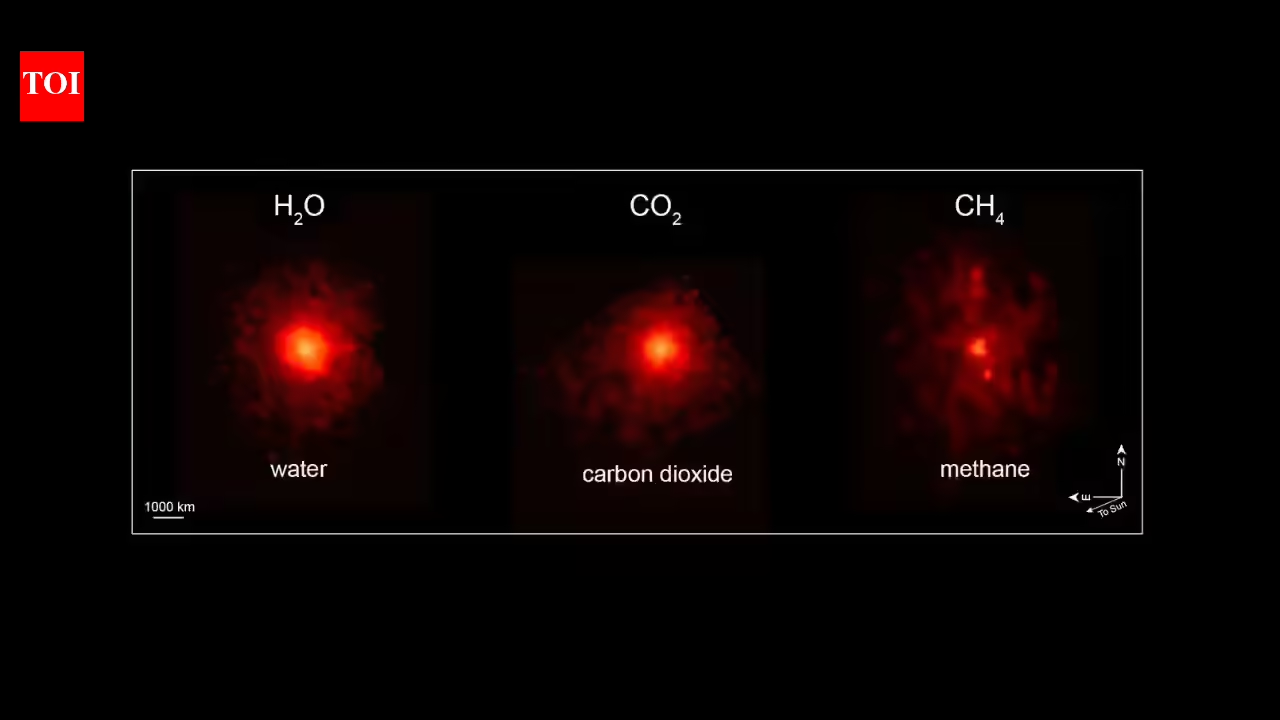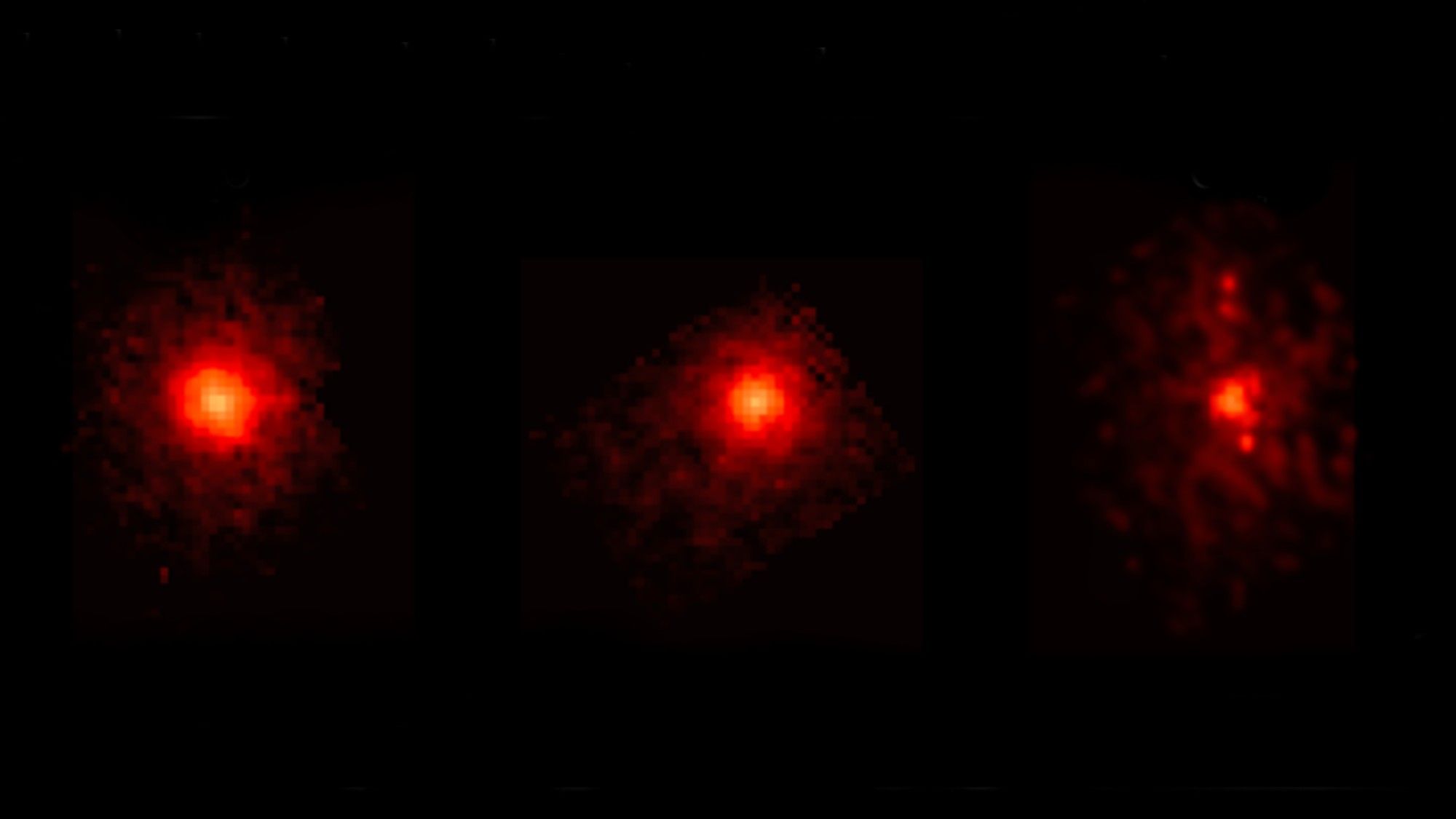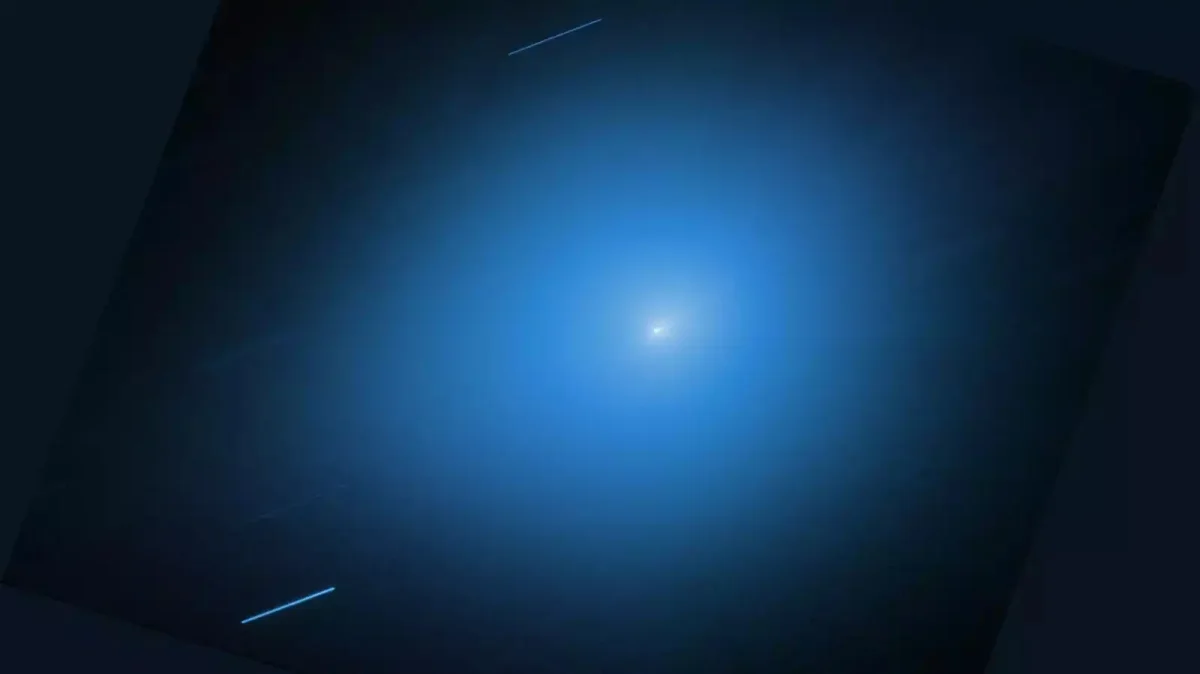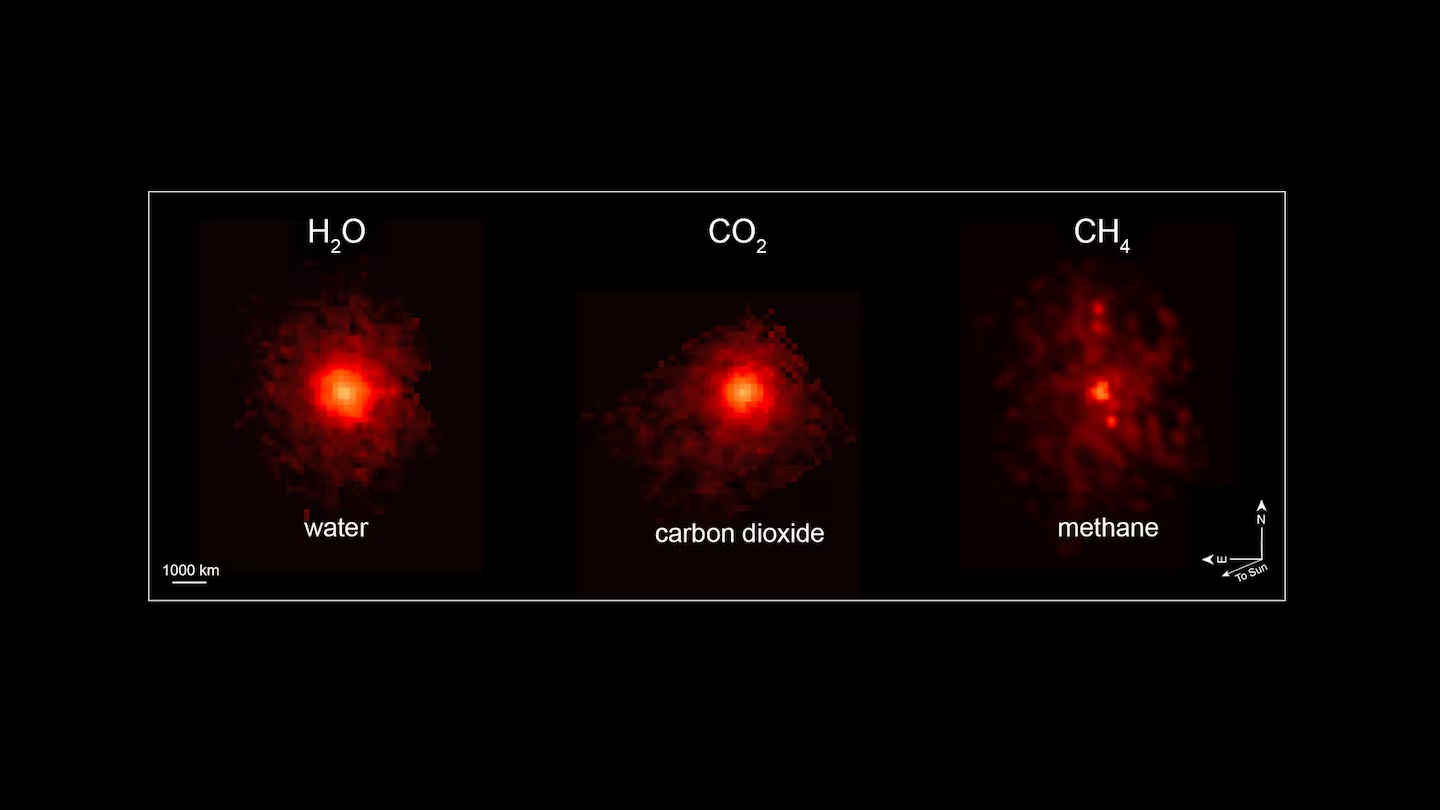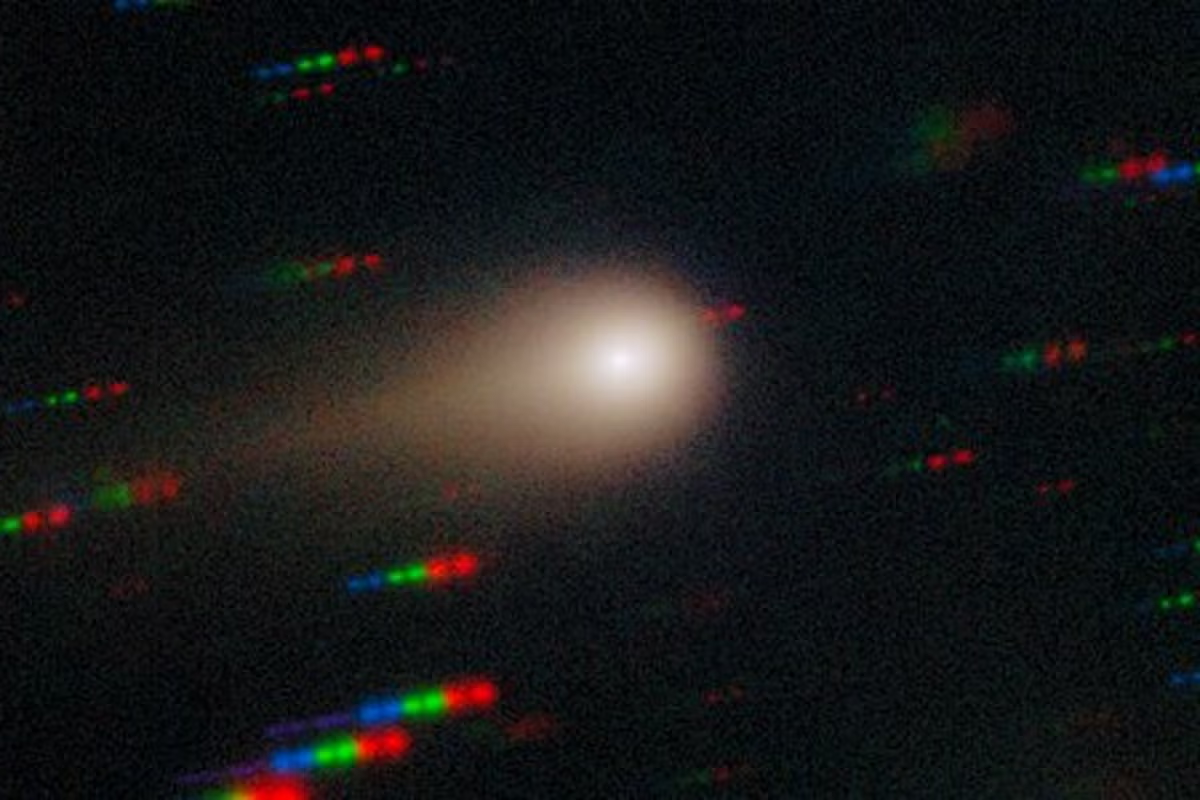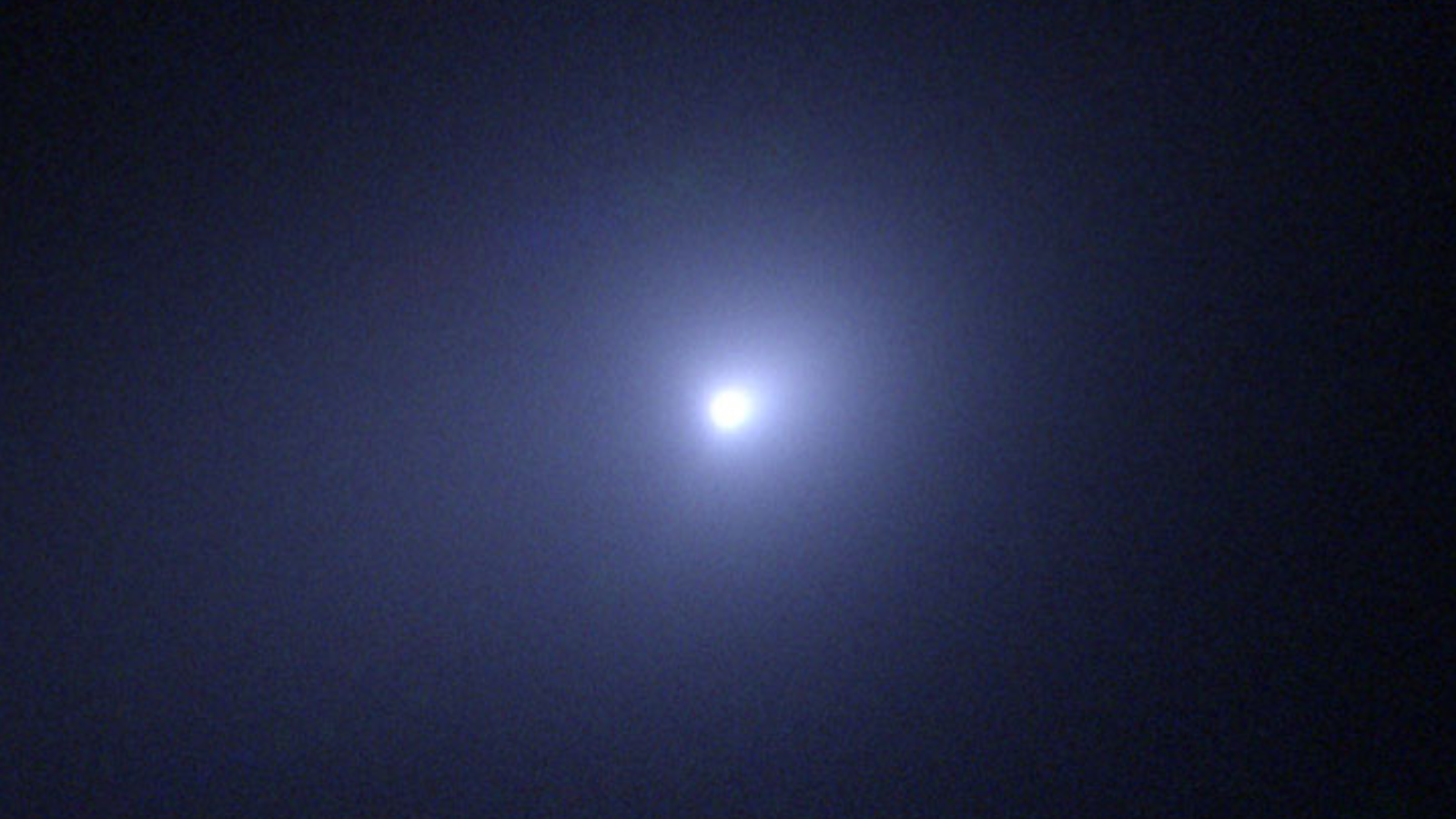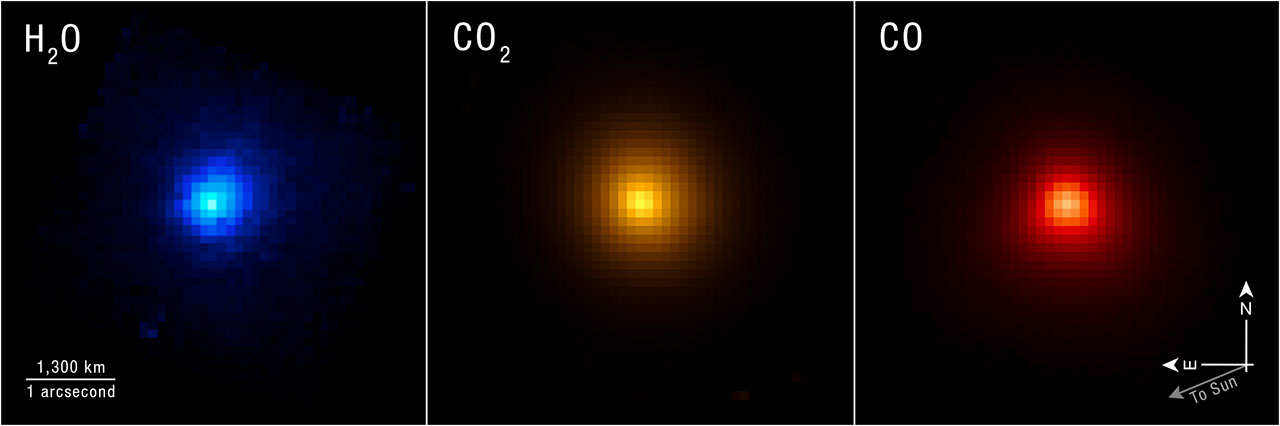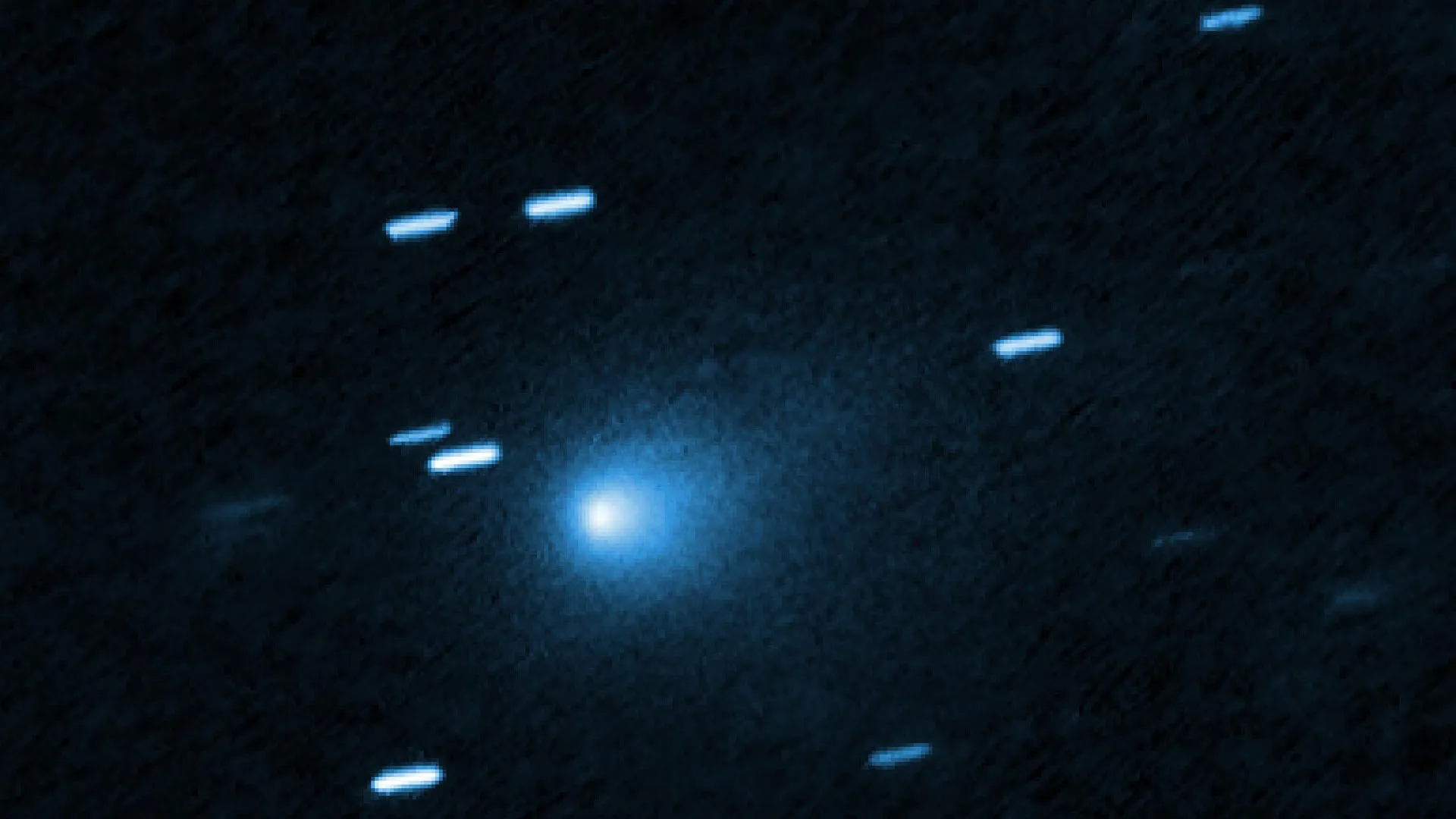
NASA's James Webb Space Telescope has captured the first mid-infrared chemical fingerprint of an interstellar object, providing new insights into the composition of comet 3I/ATLAS as it traveled away from the Sun. The findings were recently published in The Astrophysical Journal Letters.
Researchers used Webb's MIRI (Mid-Infrared Instrument) during two observing sessions after the comet passed its closest point to the Sun. The first set of observations took place on December 15 and 16, when 3I/ATLAS was about 205 million miles (329 million kilometers) from the Sun. A second round followed on December 27, with the comet about 236 million miles (379 million kilometers) away.
Webb Detects Methane on an Interstellar Comet
For the first time, scientists directly identified methane gas on an interstellar visitor.
Methane is an extremely volatile substance that can quickly change from solid ice to gas. Its appearance only after the comet had already passed close to the Sun suggests the methane was buried beneath the surface. According to the research team, the comet's upper layers likely shielded the methane ice until solar heating penetrated deeper into the icy interior.