WARPTECHNEWS · LAB
HomeAIBusinessTechArchive
WARPTECH LAB NEWS

Warptech Lab News aggrega le notizie più rilevanti da oltre 700 fonti internazionali, con classificazione AI, TL;DR sintetici e timeline cluster su singole storie.

Navigazione

  • Home
  • Archivio
  • Editor's Brief
  • Cerca
  • Il tuo account
  • Newsletter tech/AI

Informazioni legali

  • Privacy Policy
  • Termini di servizio
  • Cookie Policy

© 2026 Sparktech S.R.L. — Tutti i diritti riservati. Sito gestito e manutenuto da Sparktech S.R.L.

Sede legale: Corso Libertà 55, 13100 Vercelli (VC), Italia · P.IVA / C.F. 02835910023 · Contatti: admin@warptechlab.com

Home
Storia in 2 fonti

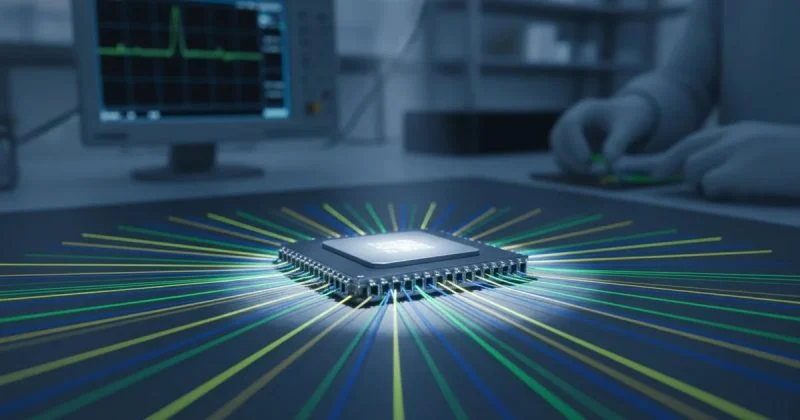
Marvell launches 102.4 Tbps switch designed to power AI data centers

Marvell's Teralynx 102T delivers 102.4 Tbps across 64 ports at 1.6 TbE, targeting AI data centers and competing directly with Broadcom's Tomahawk 6.

Raccontata dacryptobriefing.comtheregister.com

Confronto fonti

2 prospettive sulla stessa storia
AI · summaries
cryptobriefing.comStai leggendo1 g fa

Marvell launches 102.4 Tbps switch designed to power AI data centers

Marvell's Teralynx 102T delivers 102.4 Tbps across 64 ports at 1.6 TbE, targeting AI data centers and competing directly with Broadcom's Tomahawk 6.

originale
theregister.com7 h fa

Marvell enters the AI network fray with 102.4 Tbps switch silicon

Marvell unveiled Teralynx T100, a 102.4 Tbps switch with 25% lower power than rivals, sampling this quarter for AI infrastructure. For CTO infrastructure budgets, 25% switch power reduction enables higher GPU density per rack and improves training TCO.

Leggi questa versione → originale

Timeline cronologica

  1. lunedì 1 giugno 2026·cryptobriefing.com

    Marvell launches 102.4 Tbps switch designed to power AI data centers

    Marvell's Teralynx 102T delivers 102.4 Tbps across 64 ports at 1.6 TbE, targeting AI data centers and competing directly with Broadcom's Tomahawk 6.

  2. martedì 2 giugno 2026·theregister.com

    Marvell enters the AI network fray with 102.4 Tbps switch silicon

    High radix, low latency and low power is what AI datacenters crave, the chipmaker says