HomeAI · summaries
Storia in 5 fonti
Enamel proteins from six Homo erectus specimens across China - Nature
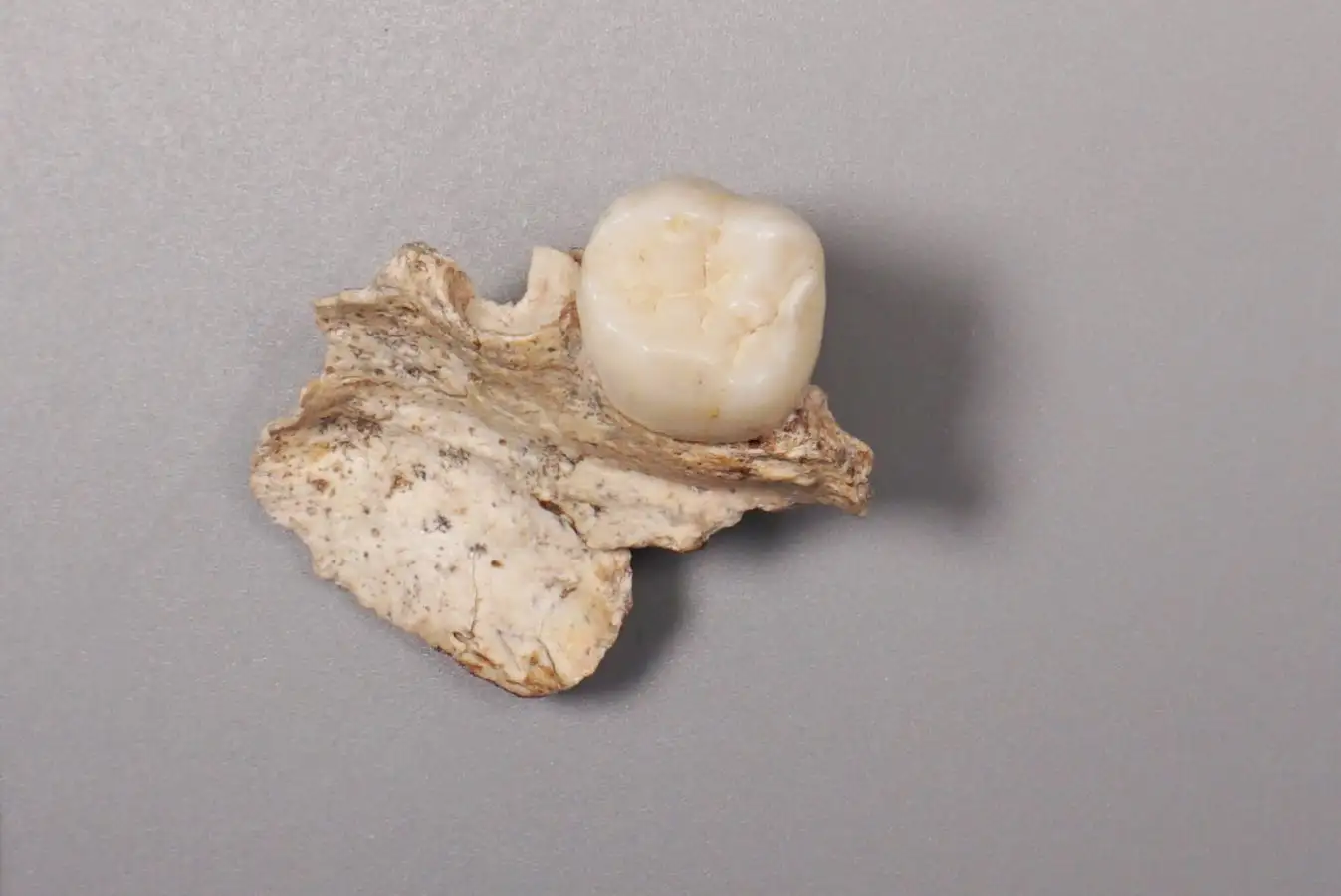
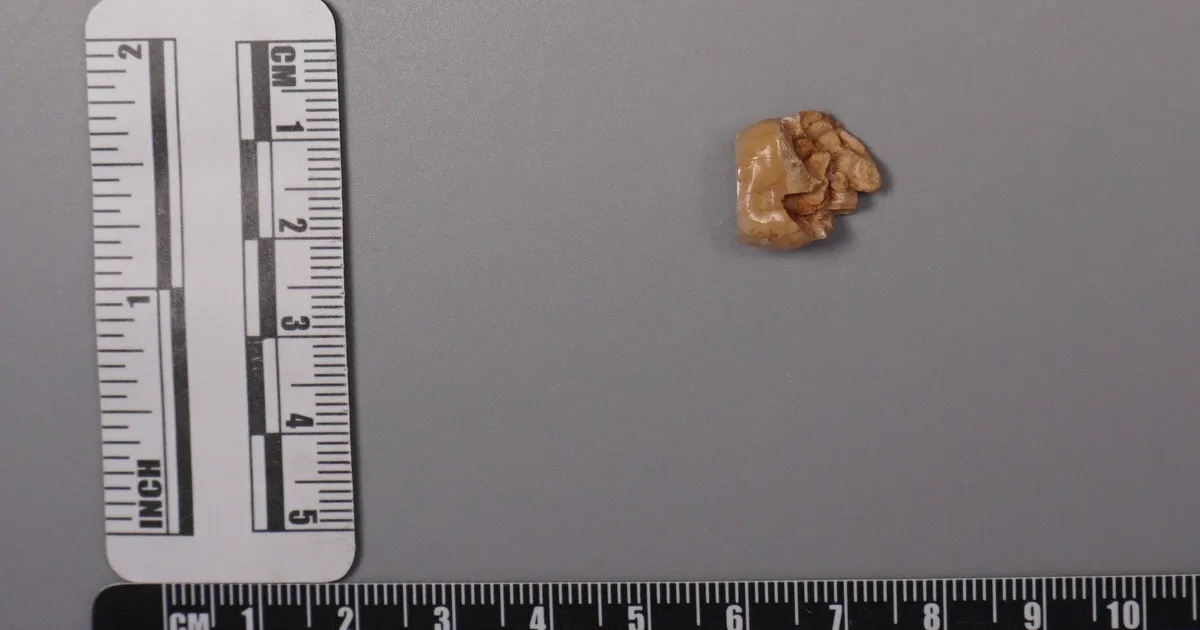
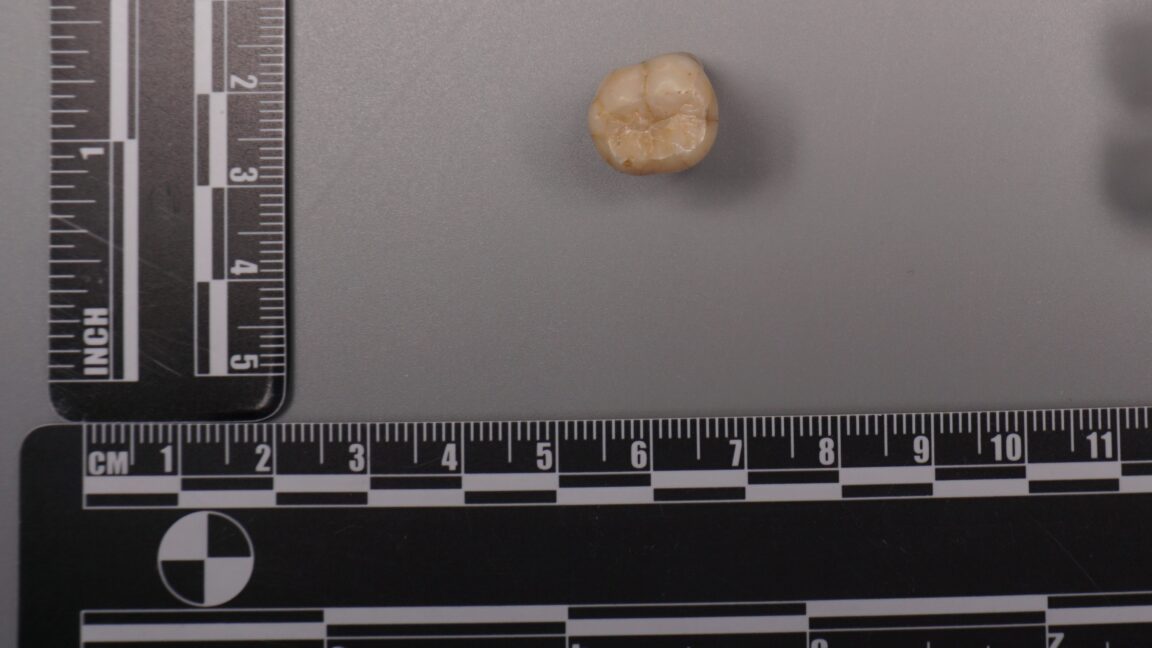
Palaeoproteomic analysis of ancient enamel proteins extracted from Middle Pleistocene Homo erectus specimens from the Zhoukoudian, Hexian and Sunjiadong sites in China suggests that they are a new genetic monogroup, and super-archaic introgression in Denisovans is likely to have originated from H. erectus.
Confronto fonti
5 prospettive sulla stessa storiaTimeline cronologica
- ·
nature.com
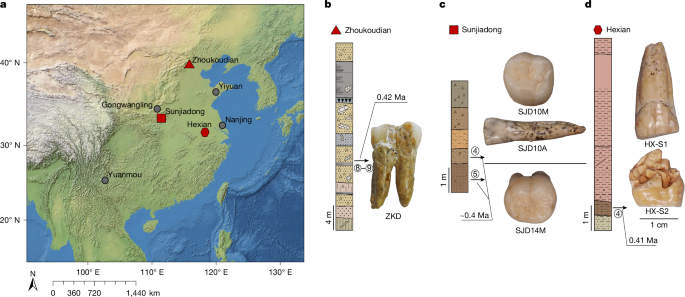
Enamel proteins from six Homo erectus specimens across China - Nature
Palaeoproteomic analysis of ancient enamel proteins extracted from Middle Pleistocene Homo erectus specimens from the Zhoukoudian, Hexian and Sunjiadong sites in China suggests…
- ·
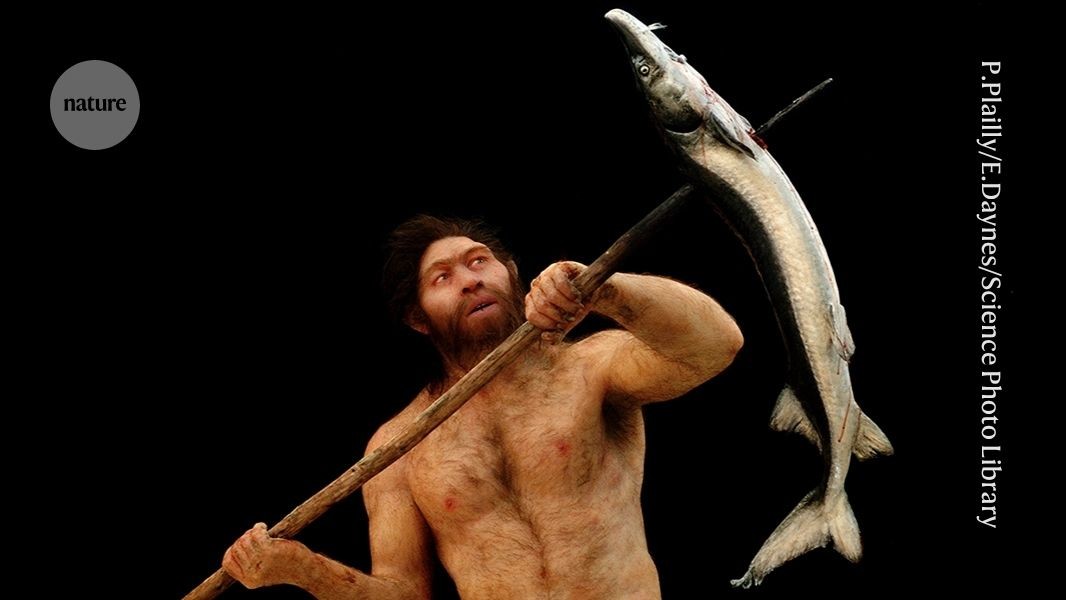
Did Homo erectus and Denisovans mate? Tooth proteins hint at ancient trysts
Genetic analysis suggests interbreeding between two groups of human relatives.