HomeAI · summaries
Storia in 5 fonti
Scientists say human right-handedness may have evolved from ancient ancestors
Stay up to date with notifications from The IndependentNotifications can be managed in browser preferences.Jump to contentThank you for registeringPlease refresh the page or navigate to another page on the site to be automatically logged inPlease refresh your browser to be logged inAllNewsSportCultureLifestyleA new study suggests that the overwhelming prevalence of right-handedness in humans, observed in approximately 90 per cent of individuals across cultures, may have originated when early human ancestors began walking upright and developed larger brains. Unlike other primate species, which do not exhibit such a strong population-level hand preference, human right-handedness appears to be uniquely tied to these evolutionary milestones. Researchers analysed data from 2,025 individuals across 41 primate species, finding that the best explanation for handedness involved a combination of brain size and the relative length of arms versus legs, an indicator of bipedal movement. The theory posits that upright walking initially freed ancestral hands from locomotion, allowing for the evolutionary favouring of manual behaviours, with larger brains subsequently developing and solidifying a rightward bias into the near-universal pattern seen today. While early human ancestors like Ardipithecus and Australopithecus showed mild rightward preferences, this trait became more prominent in the Homo genus, reaching its modern extreme in Homo sapiens, with Homo floresiensis being a notable exception due to its smaller brain. In fullScientists finally decode why most humans are right-handedThank you for registeringPlease refresh the page or navigate to another page on the site to be automatically logged inPlease refresh your browser to be logged in
Confronto fonti
5 prospettive sulla stessa storiaTimeline cronologica
- ·
nautil.us
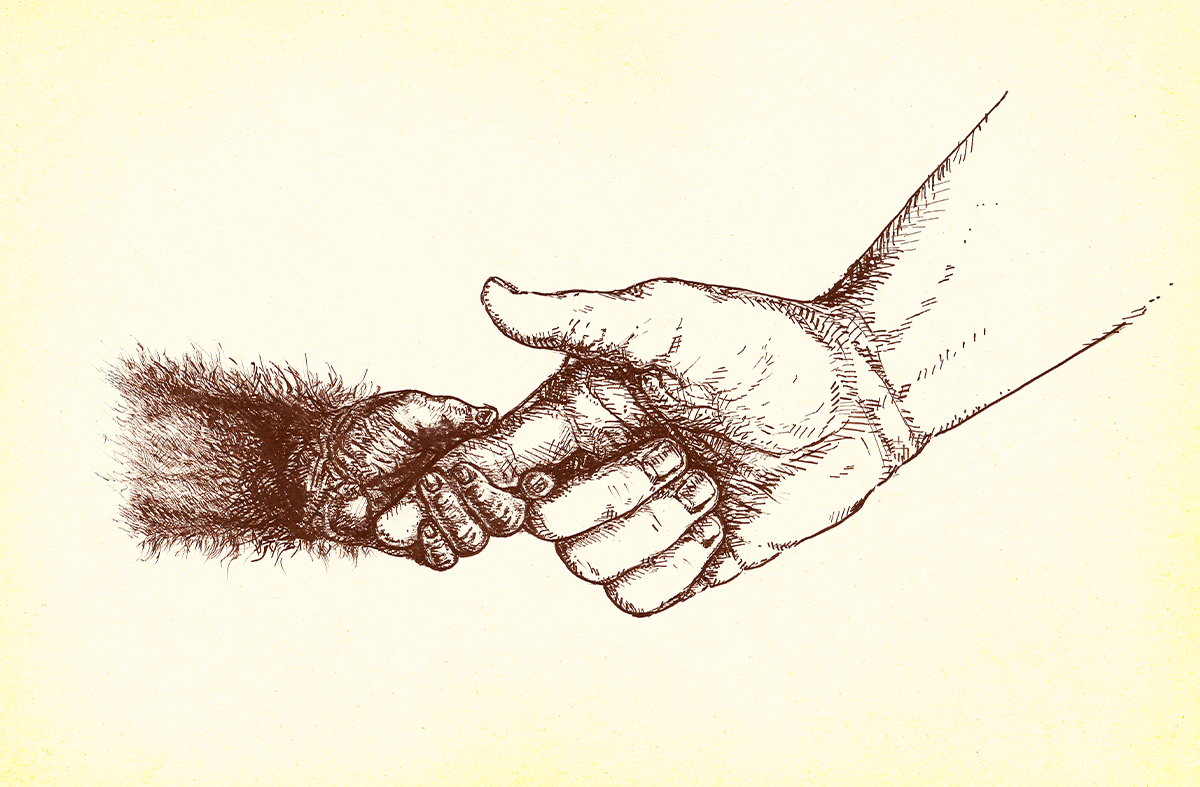
Why Did Humans Evolve to Favor One Hand Over the Other?
Why Did Humans Evolve to Favor One Hand Over the Other?: Whoever heard of a right-handed monkey?
- ·
independent.co.uk

Scientists say human right-handedness may have evolved from ancient ancestors
Stay up to date with notifications from The IndependentNotifications can be managed in browser preferences.Jump to contentThank you for registeringPlease refresh the page or…