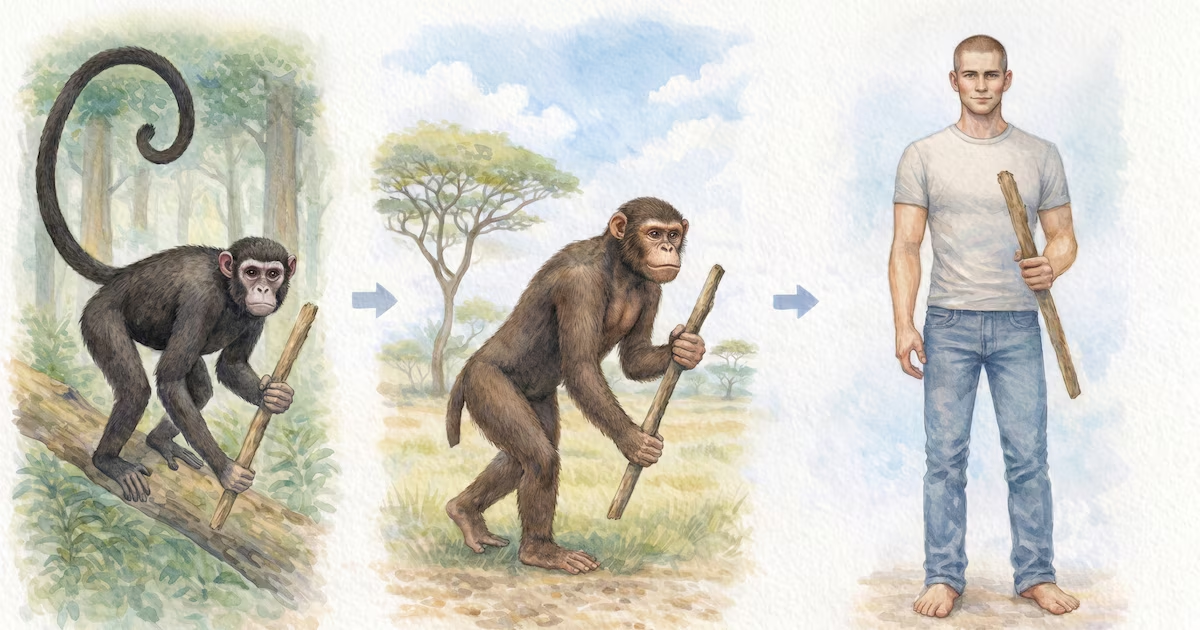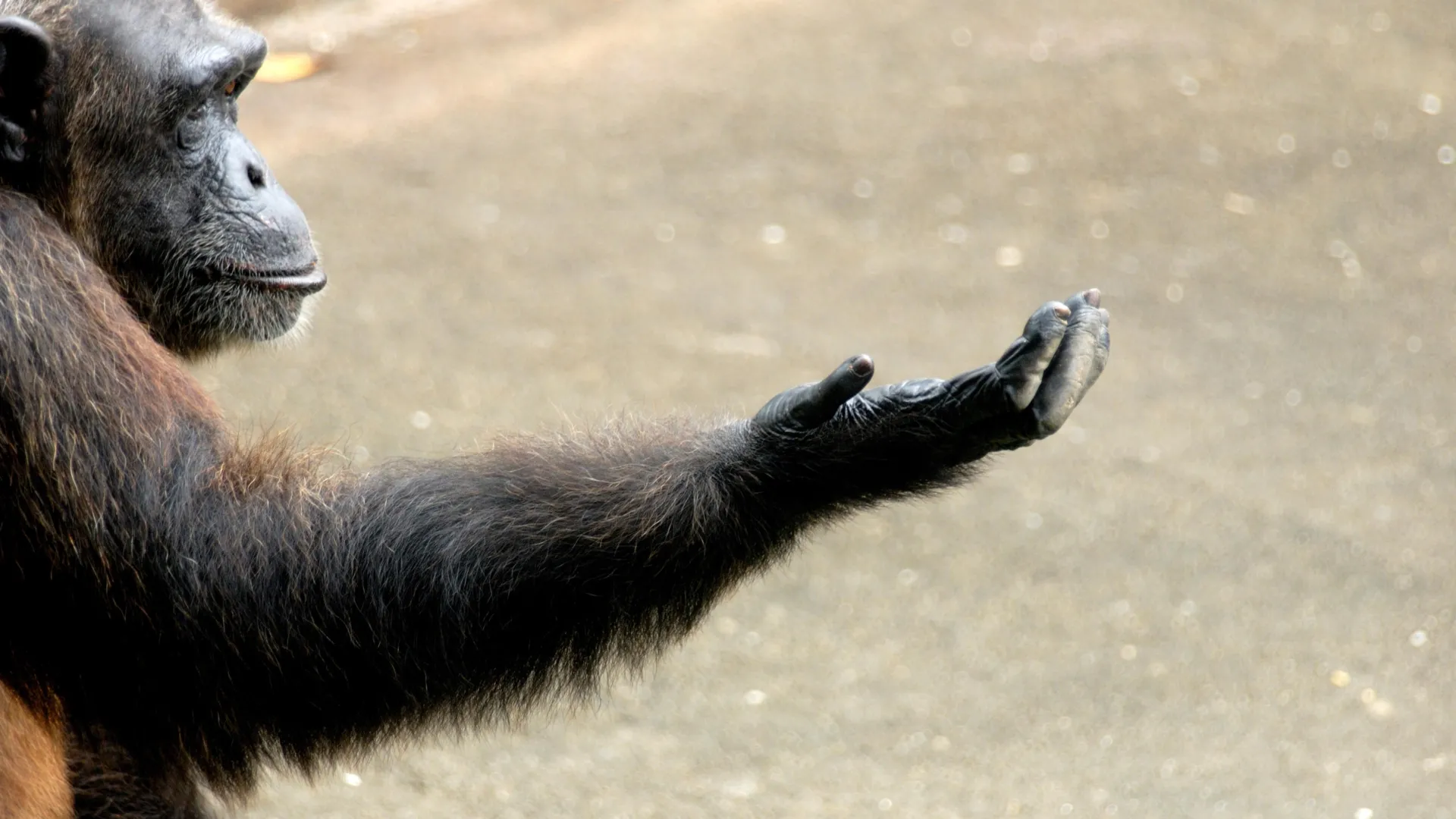
Around 90% of people—across cultures and throughout recorded history—are right-handed. That fact may seem ordinary, yet it remains one of the deepest puzzles in human evolution: how does a single trait become so overwhelmingly dominant in a species? A new study may offer some answers by tracing humanity’s right-handed bias to our early ancestors. A team led by researchers from the University of Oxford suggests that humans became overwhelmingly right-handed because of two major evolutionary milestones: walking upright and developing bigger brains. In a new study, published in PLOS Biology, researchers tested previous theories on the origin of one of humanity’s most distinctive traits to offer a new hypothesis. Raise your right hand Humanity’s right-hand bias differentiates us from other primates, with their preferences being more evenly split across the population. Scientists believe that hand preference begins before birth, and yet it isn’t determined by a single right-handed gene. So, how have humans developed a population-level preference on this scale?
To help find an answer, the researchers behind the new study examined data on 2,025 individuals across 41 species of monkeys and apes. They then tested major theories on handedness based on a few key factors, including the use of tools, diet, habitat, brain size, and movement patterns.