HomeAI · summaries
Storia in 10 fonti
UAE’s Opec exit signals aim to accelerate foreign policy diversification
Iran’s attacks on Gulf states have forced Abu Dhabi to rethink its place within the Saudi Arabia-led diplomatic architecture, analysts say.
Confronto fonti
6 prospettive sulla stessa storiaTimeline cronologica
- ·
thehindu.com

UAE exits OPEC+: What is OPEC, its members, and what does the bloc do?
Learn more about the implications of the UAE's exit from OPEC+, its impact on global oil production, and the alliance's key members.
- ·
aljazeera.com
The UAE’s OPEC exit is not about oil; it is the end of Gulf solidarity
The move reflects a widening confrontation with Saudi Arabia and a fundamental realignment of alliances.
- ·
bbc.com
In five charts - How UAE's exit could affect Opec's influence over the oil price
The BBC takes a look in charts at what the UAE's departure could mean for the oil cartel and more widely.
- ·
ynetnews.com

After UAE quits OPEC, who could be next?
UAE’s exit from oil alliance shakes global markets, raises prospect of more departures and tests whether Saudi Arabia can keep the cartel strong and relevant
- ·
UAE quits OPEC: What that means for the Gulf, energy markets and beyond
UAE signalling intent to pursue independent economic policies and reshape Gulf oil politics.
- ·
theguardian.com
The Guardian view on the UAE quitting Opec: whatever importers pay, the price of fossil fuels is too high | Editorial
Editorial: The world must accelerate the shift to renewables, regardless of the economic effects of Abu Dhabi’s decision
- ·
Why the UAE is leaving OPEC
The UAE's exit from OPEC allows for increased oil production independence amid regional tensions and evolving economic strategies.
- ·
cnbc.com

Shocking UAE exit rocks OPEC, but group will still hold significant sway over the oil market
UAE leaving OPEC will have huge ramifications.
- ·
scmp.com
The UAE’s exit from Opec could bring ‘even bigger trouble’: Chinese expert
While the UAE’s departure from oil cartel is disruptive, it could also further drive apart Gulf Cooperation Council members, observer says.
- ·
thedispatch.com
The UAE’s Departure From OPEC Isn’t Just About Oil
The country wants to sell more crude, but geopolitical tensions with Saudi Arabia also fueled the exit.
- ·
foreignpolicy.com

The Real Meaning of the UAE’s OPEC Exit
The geopolitical realignment goes much deeper than just oil markets.
- ·
US likely to benefit as UAE shifts oil strategy away from OPEC, experts say
UAE wants to supply more oil than its OPEC quota and that could help push down prices once the Strait of Hormuz opens.
- ·
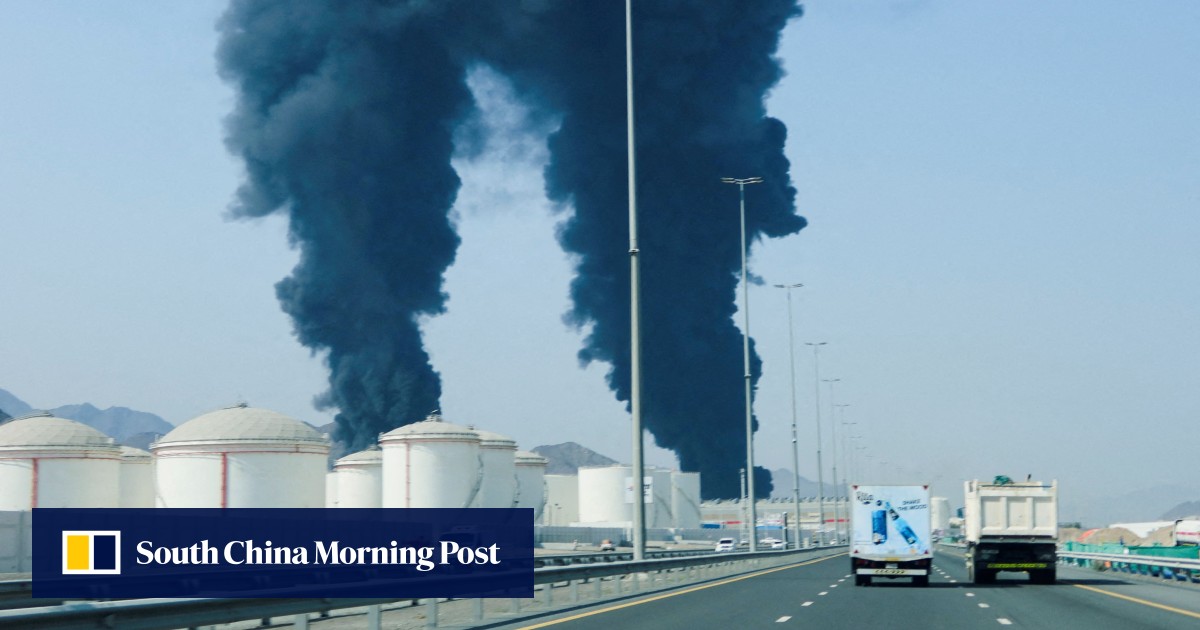
UAE’s Opec exit signals aim to accelerate foreign policy diversification
Iran’s attacks on Gulf states have forced Abu Dhabi to rethink its place within the Saudi Arabia-led diplomatic architecture, analysts say.
- ·
thenationalnews.com
Opec’s future in question as the UAE builds its own energy system | The National
The oil cartel has a chance where it wants to be at the end of the war. It could reinvent or fade