The world must accelerate the shift to renewables, regardless of the economic effects of Abu Dhabi’s decision
O
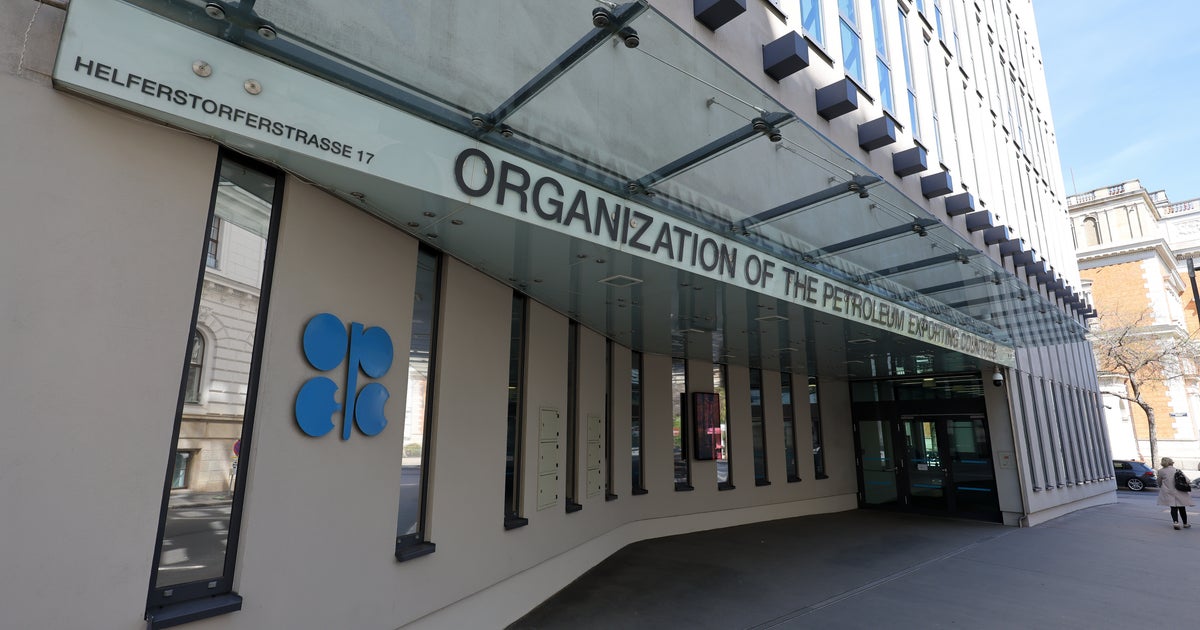
pec appears to be the latest casualty of the Iran war. On Tuesday, the United Arab Emirates announced that it was leaving the oil cartel after 60 years. The loss of a critical member is a blow to the group and its de facto leader, Saudi Arabia, in the midst of the biggest supply crisis in history.
This is a geopolitical decision, not merely an economic one. The UAE has built itself into an increasingly interventionist and unilaterally minded power, not only challenging Riyadh’s dominance but undermining its more cautious approach to regional affairs. The rift has become increasingly public and bitter – with Saudi Arabia bombing what it called a UAE-linked arms shipment in Yemen in December. Abu Dhabi, as the main target of Iranian strikes among the Gulf countries, is also enraged by what it sees as a feeble regional response to the current conflict, and has been privately pushing for counterattacks.
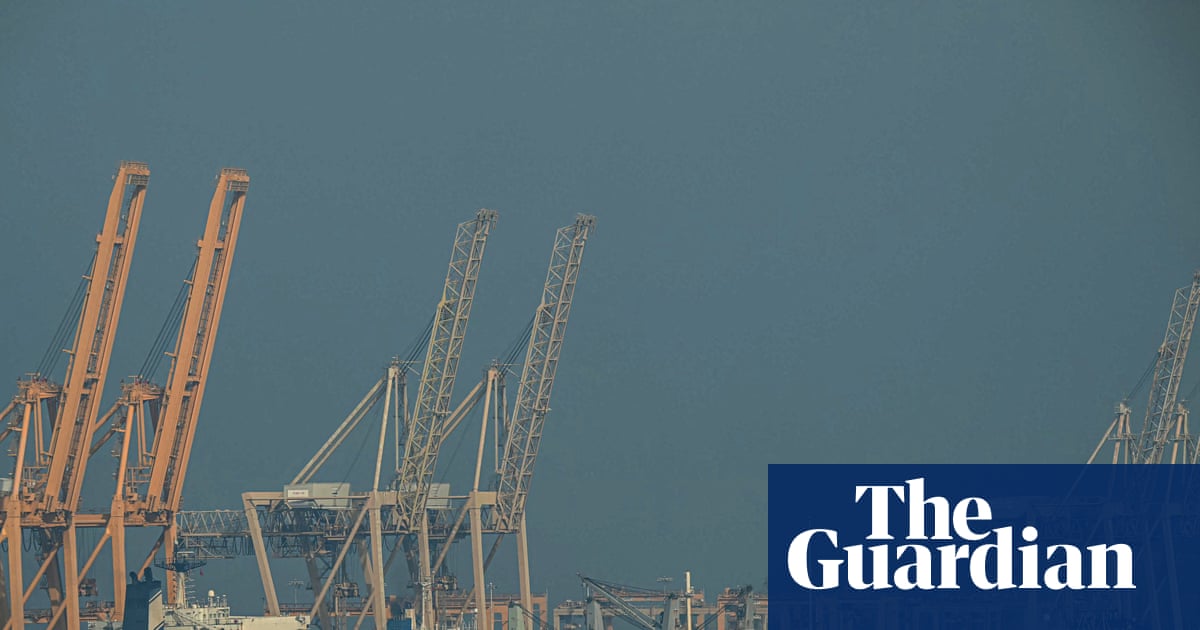
Yet oil quotas have long been a grievance: Abu Dhabi has pushed to pump much more, while Riyadh has insisted on curbing production to maintain the price. The Iran crisis is an opportunity, not the cause of this decision: the choking of oil supplies by the closure of the strait of Hormuz means that the announcement had limited immediate impact on markets. Even when the conflict ends, the effects of restarting production, rebuilding infrastructure and refilling strategic reserves will probably cushion prices.