European tech founders are ready to strike and hoover up disillusioned tech talent seeking more security than the US offers.

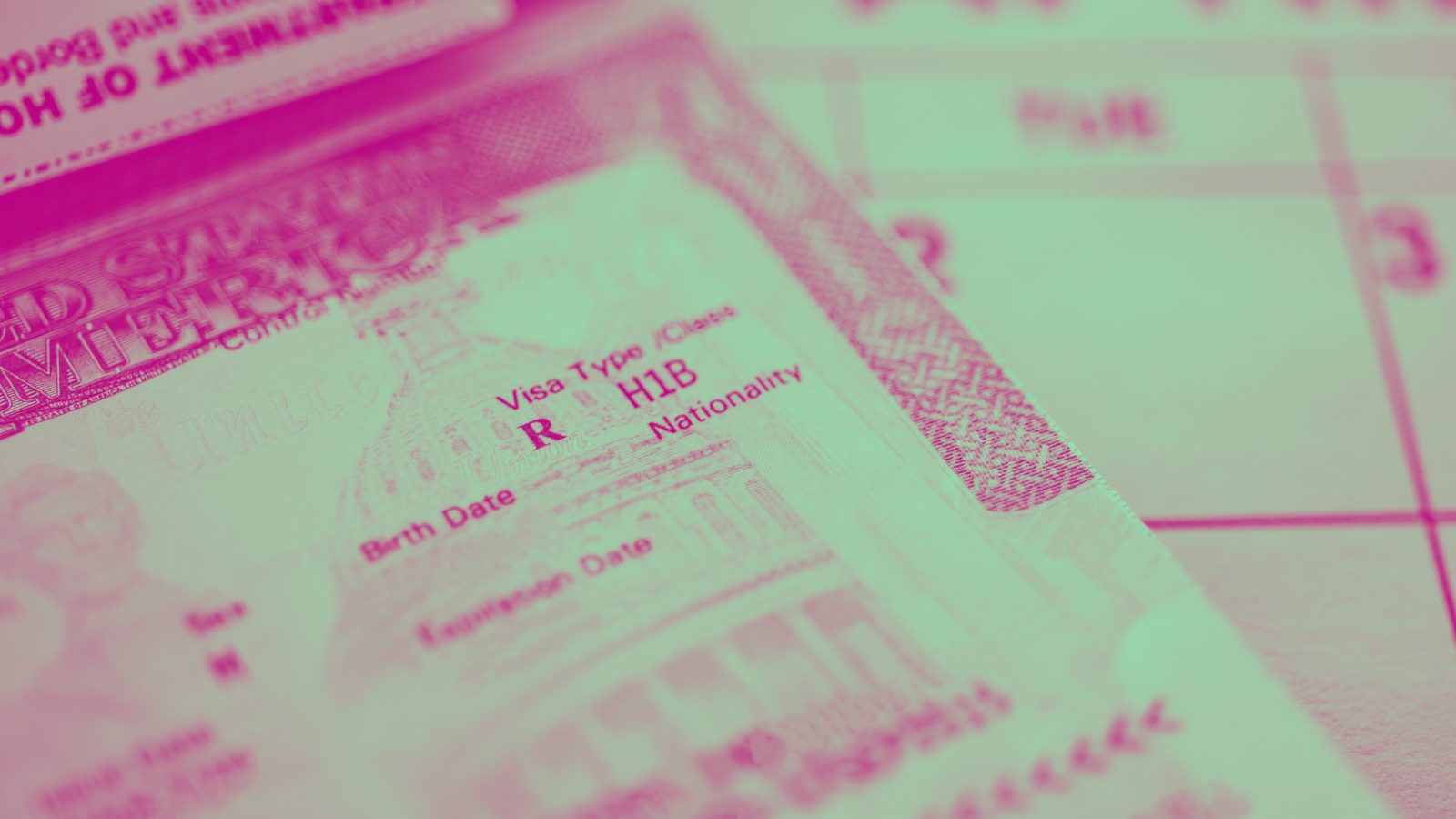
The H-1B visa programme is used heavily by Indian outsourcing firms as well as the US tech sector to bring in skilled workers from abroad.

India may adapt, but the US risks losing skilled workers who have helped build the Silicon Valley and hospitals.
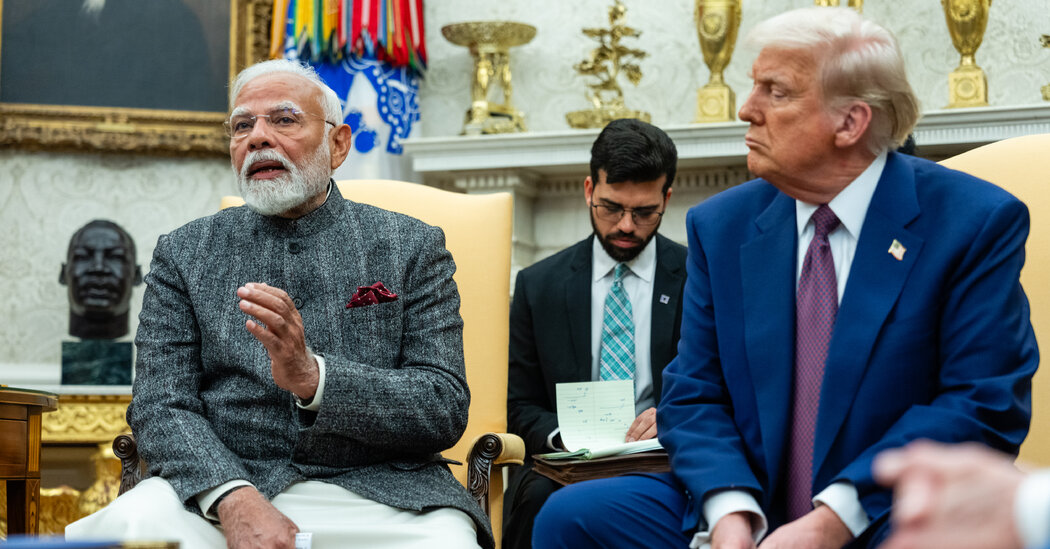
India has been one of the largest beneficiaries of H-1B visas, accounting for 71% of approved visas in 2024

Move is a blow to big tech companies, which rely heavily on visas to hire staff from overseas, particularly India

OpenAI's hardware, X.AI's fundraising, Murdochs and TikTok, Intel's former directors float a plan, Elon and Trump reunite, a Bumble biopic, Zuck ponders bubble in the latest…

The six-figure H-1B visa fee has jolted companies that have long relied on the program to bring in top global talent.

Indian companies were the biggest beneficiaries for years. But that's changed; US firms now dominate visa recipients.

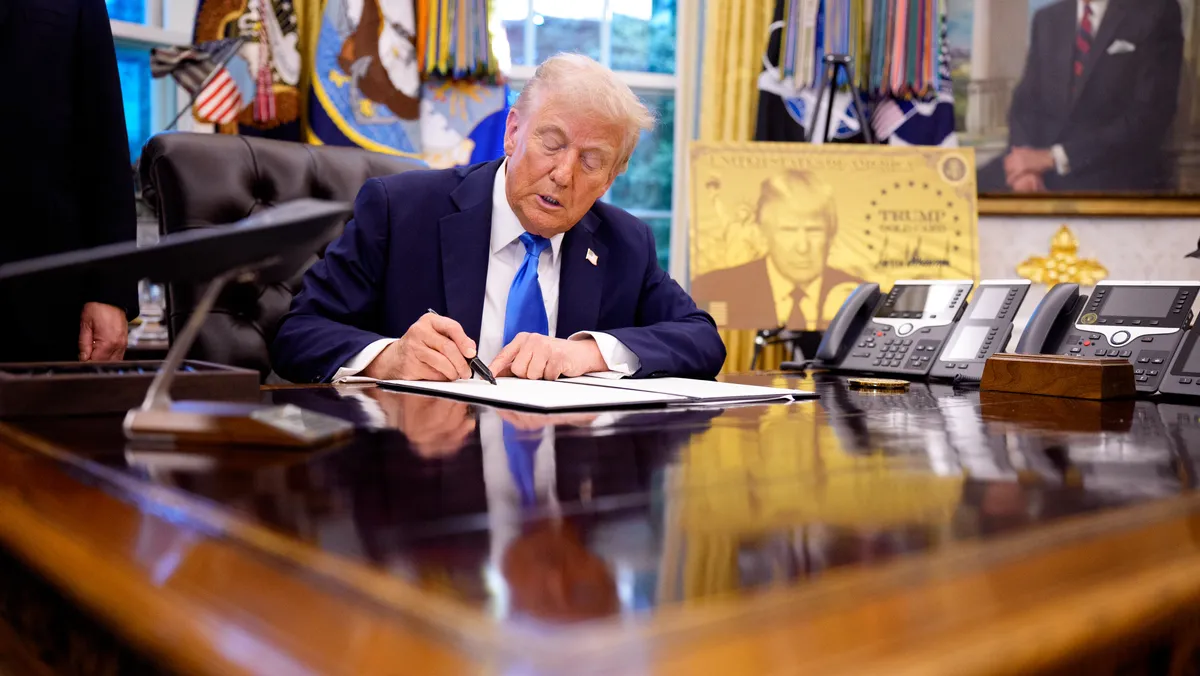
President Trump’s sudden policy shift sent tech firms scrambling to get immigrant workers back to the US and avoid $100,000 fees.

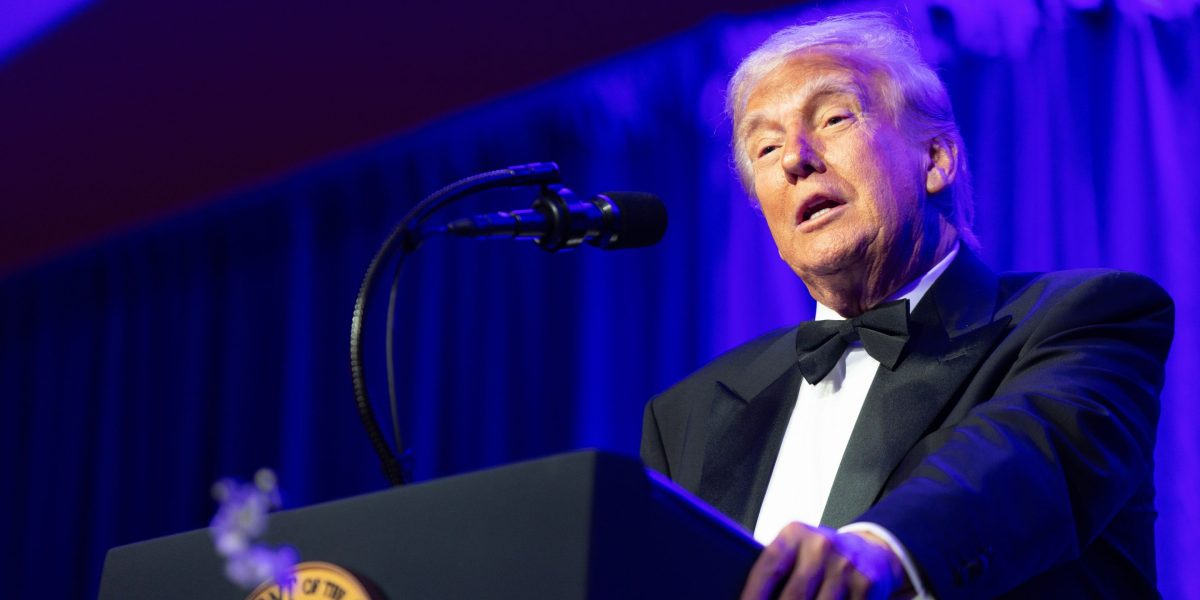
Trump's new visa fees for foreign workers drew widespread condemnation from technology executives, entrepreneurs and investors across social media.

When Trump’s announcement came, it didn’t give companies or lawyers any time to prepare. “It was timed to create pandemonium,” said a New York–based immigration lawyer.

The H-1B visa lured a generation of Indian professionals to take part in the American dream. A $100,000 fee has forced a rethink of the route.

Companies like Amazon, Google, and Microsoft rely on skilled foreign workers. Experts say they’ll pay for the best — but the policy could redirect top talent elsewhere.

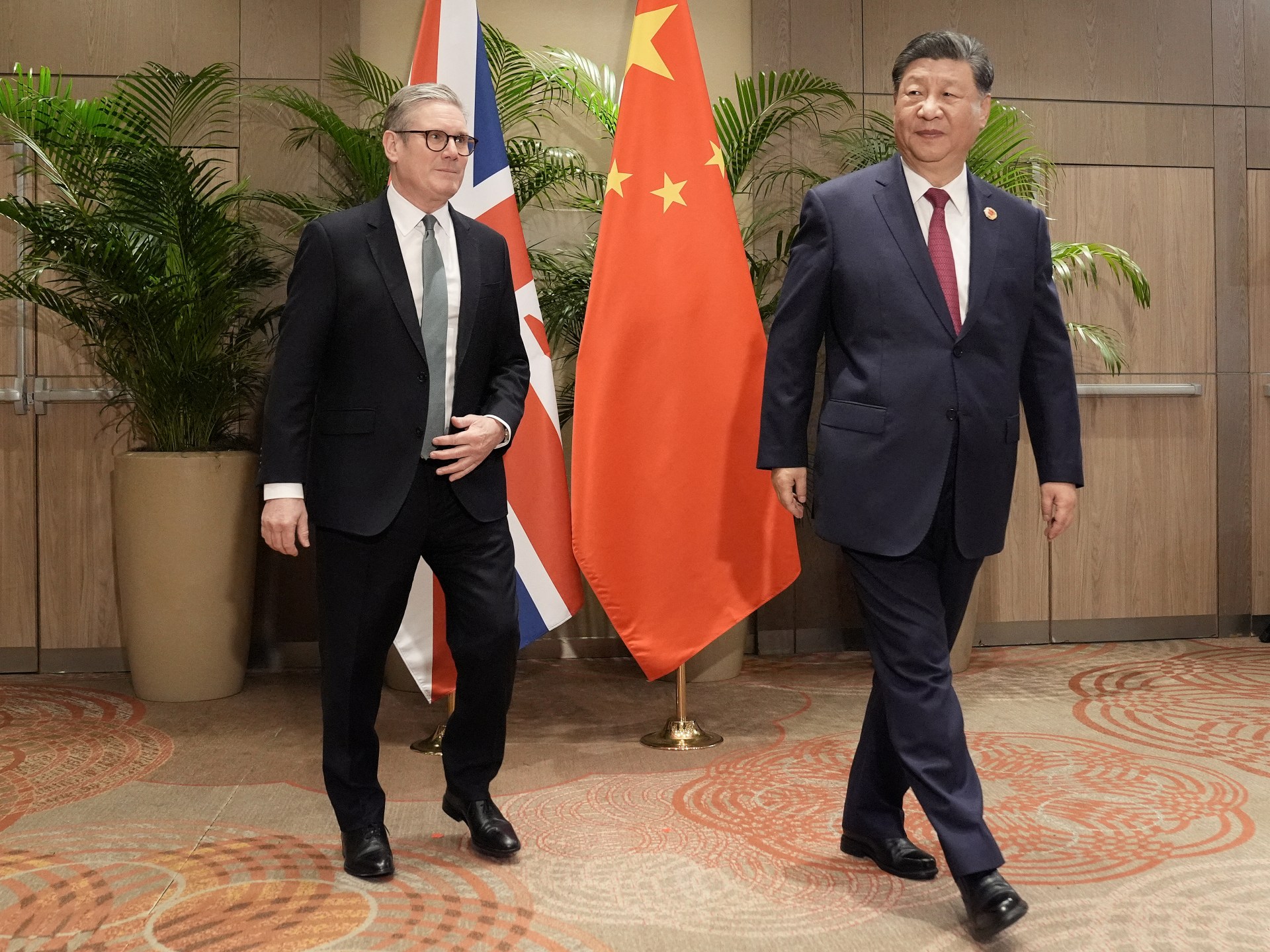
Trump’s proposed changes to the visa programme sparked panic among Chinese workers – and a spike in inquiries about moving to Europe.

Trump’s visa move is a big blow to US tech companies, but could benefit other countries seeking skilled workers.

Research from recruitment company Randstad suggests work-life balance has soared in importance for employees worldwide.

The steep jump in the visa fee from a range of US$2,000 to US$5,000 is expected to curb the flow of India’s tech manpower to the US.

Every time new H1-B restrictions appear, jobs go to Canada.

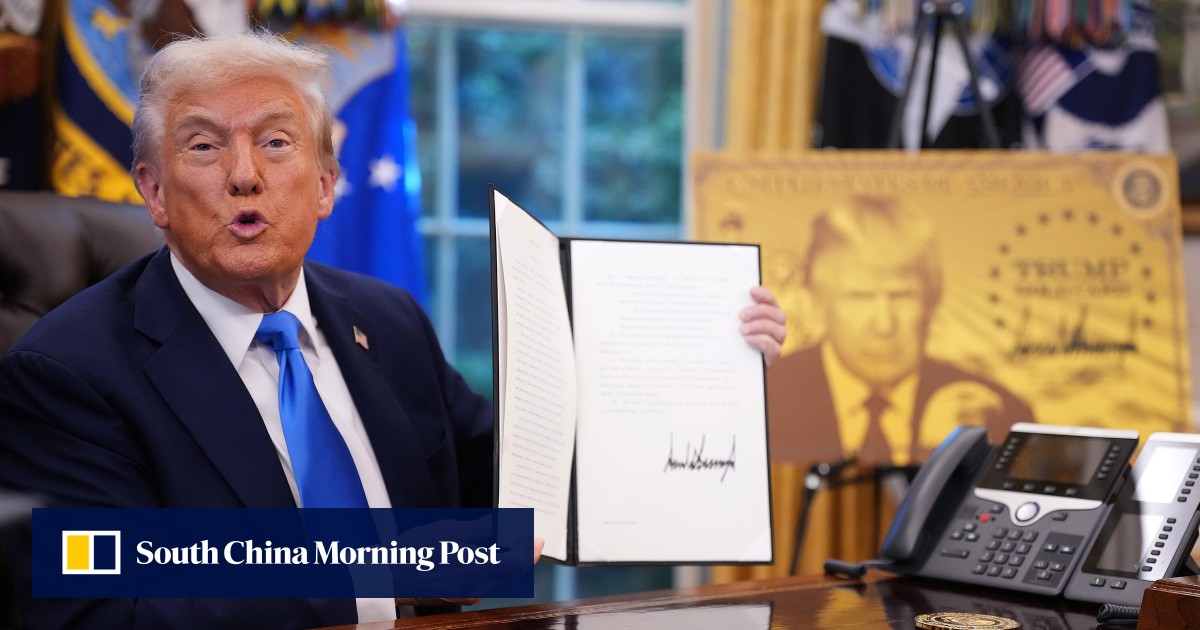
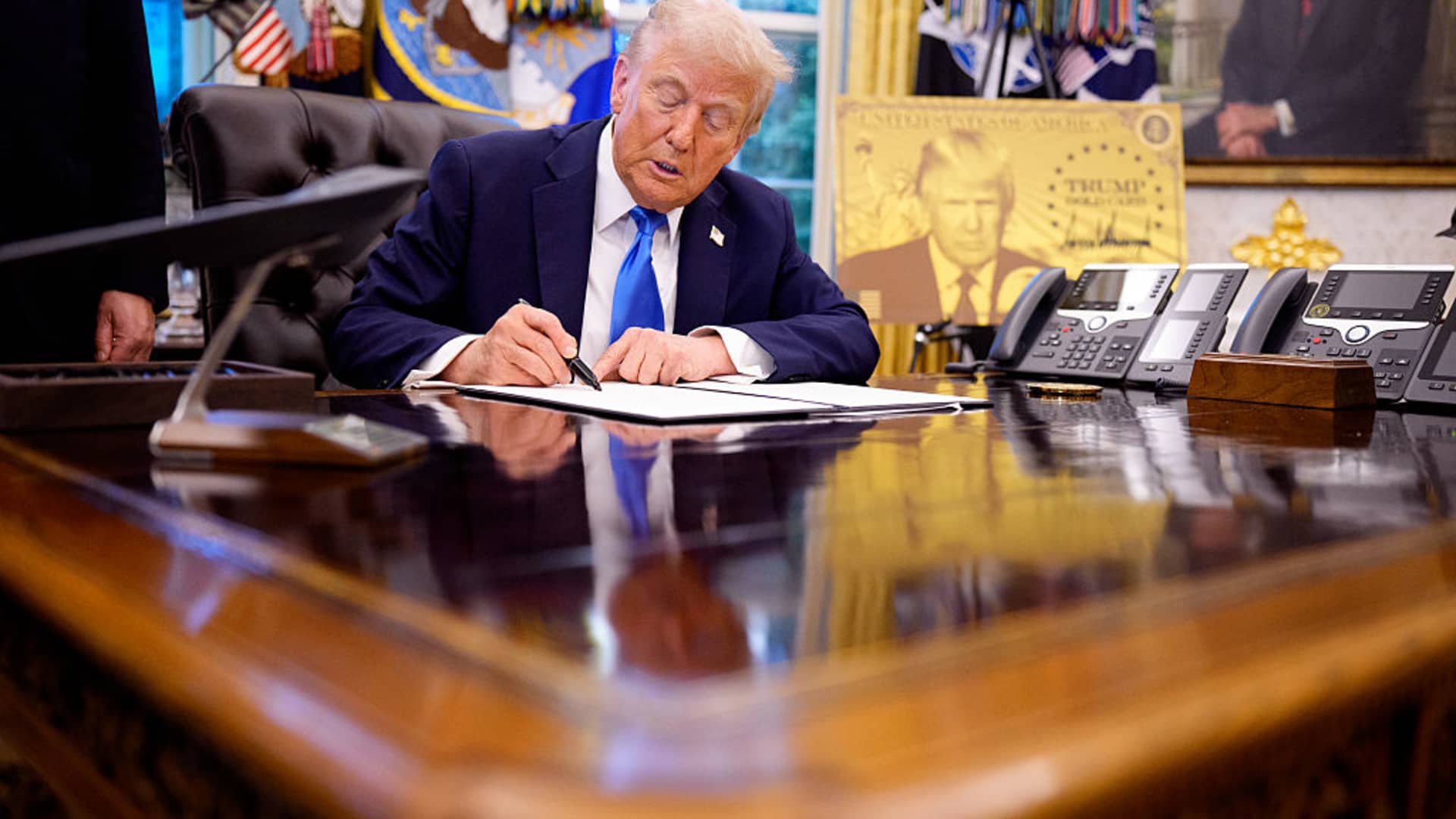
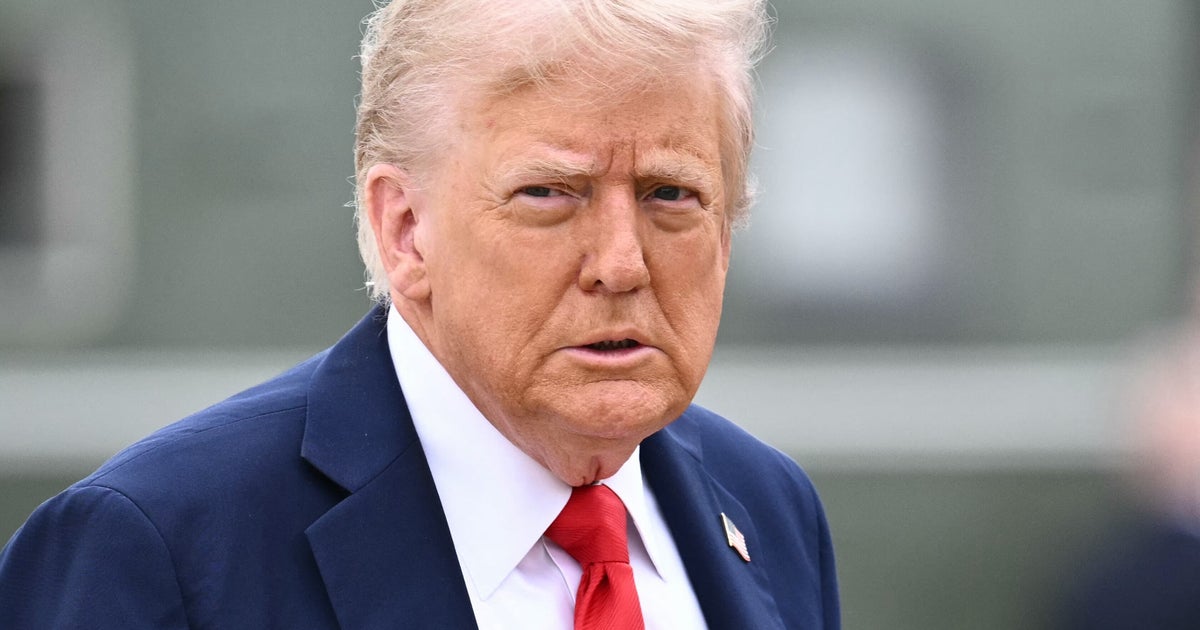
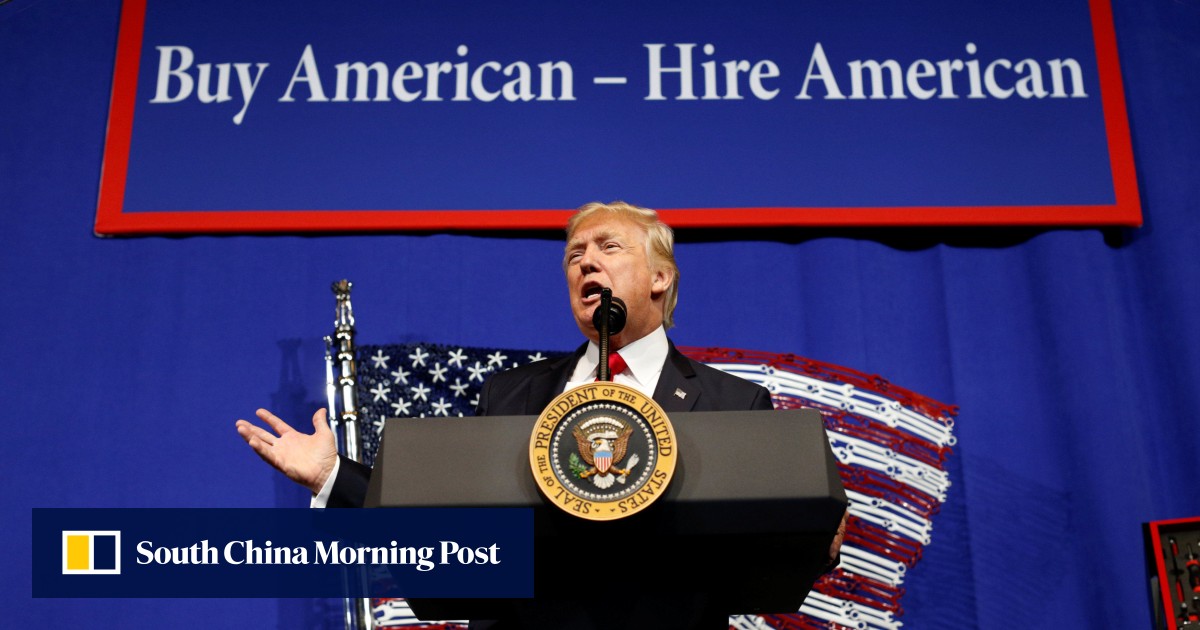
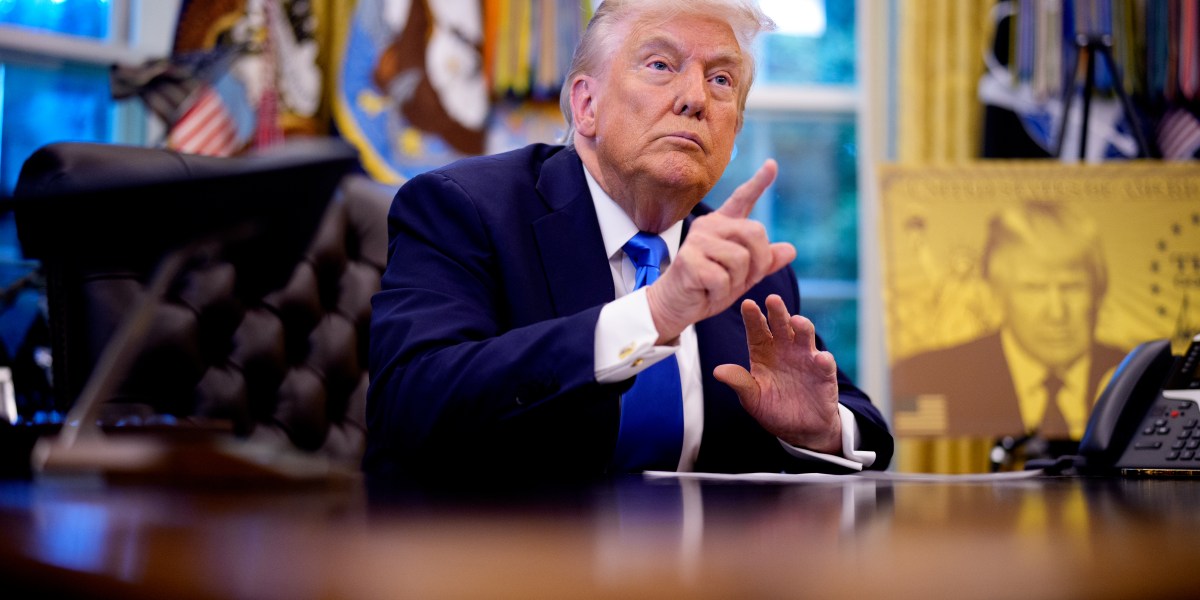
Trump unveiled new restrictions on H-1B visas for skilled workers, which he says allow for the 'large-scale replacement of American workers.'

European tech founders are ready to strike and hoover up disillusioned tech talent seeking more security than the US offers.

Startups and smaller firms could bear the brunt of Trump's new H-1B visa fee, and some fear it could thwart US innovation.