HomeAI · summaries
Storia in 6 fonti
The full horror of atomic bombing of Hiroshima revealed 80 years on
At 8.15am on August 6, 1945, 'Little Boy' was released from Enola Gay, the B-29 Superfortress captained by Colonel Paul Tibbets Junior, writes IAIN MACGREGOR.
Confronto fonti
6 prospettive sulla stessa storiaTimeline cronologica
- ·
elpais.com
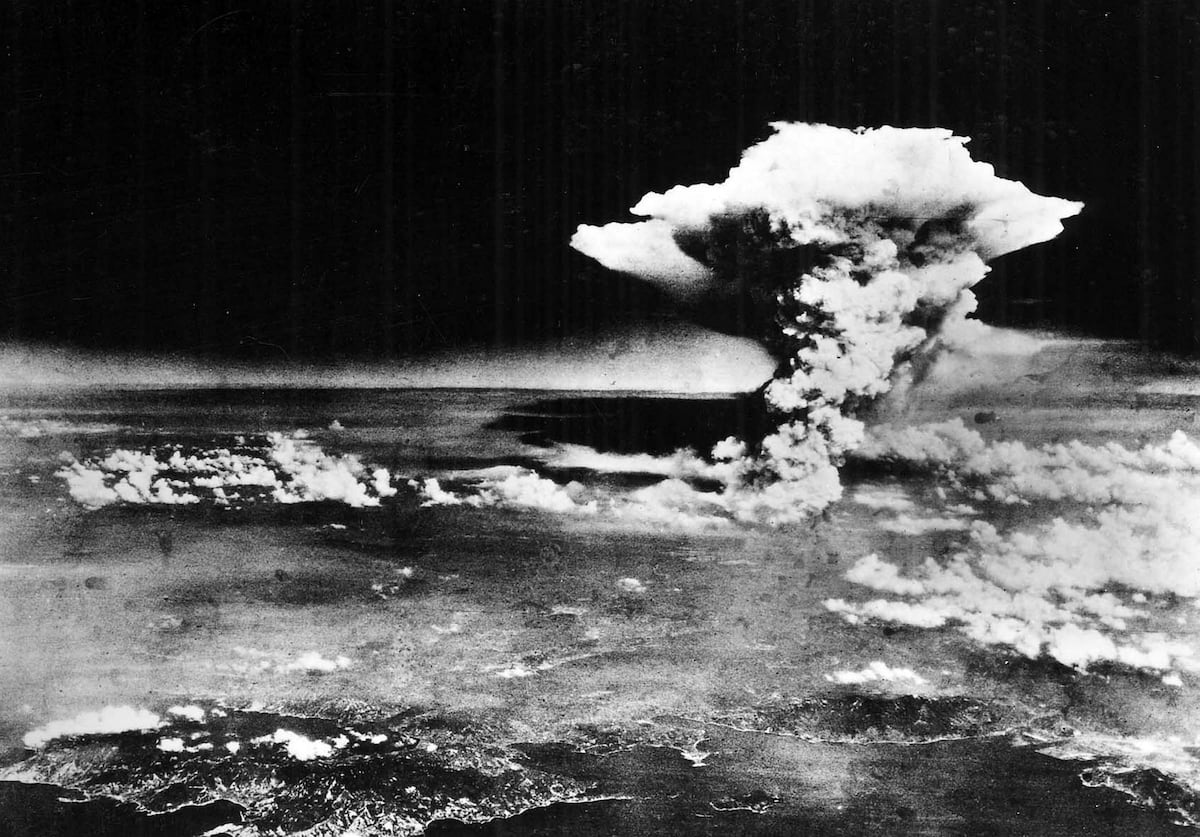
Hiroshima, el resplandor mortal que cambió el mundo
La literatura de los supervivientes de las bombas atómicas, así como el gran reportaje de John Hersey, describen un mundo en el que la humanidad es capaz de destruirse a sí misma
- ·
arabnews.com
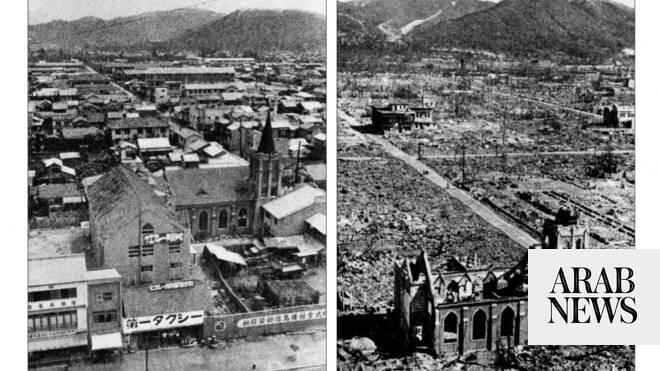
‘Unspeakable horror’: the attacks on Hiroshima and Nagasaki
TOKYO: Japan this week marks 80 years since the United States dropped atomic bombs on Hiroshima and Nagasaki in World War II.The first on August 6, 1945 killed around 140,000…
- ·
dailymail.co.uk
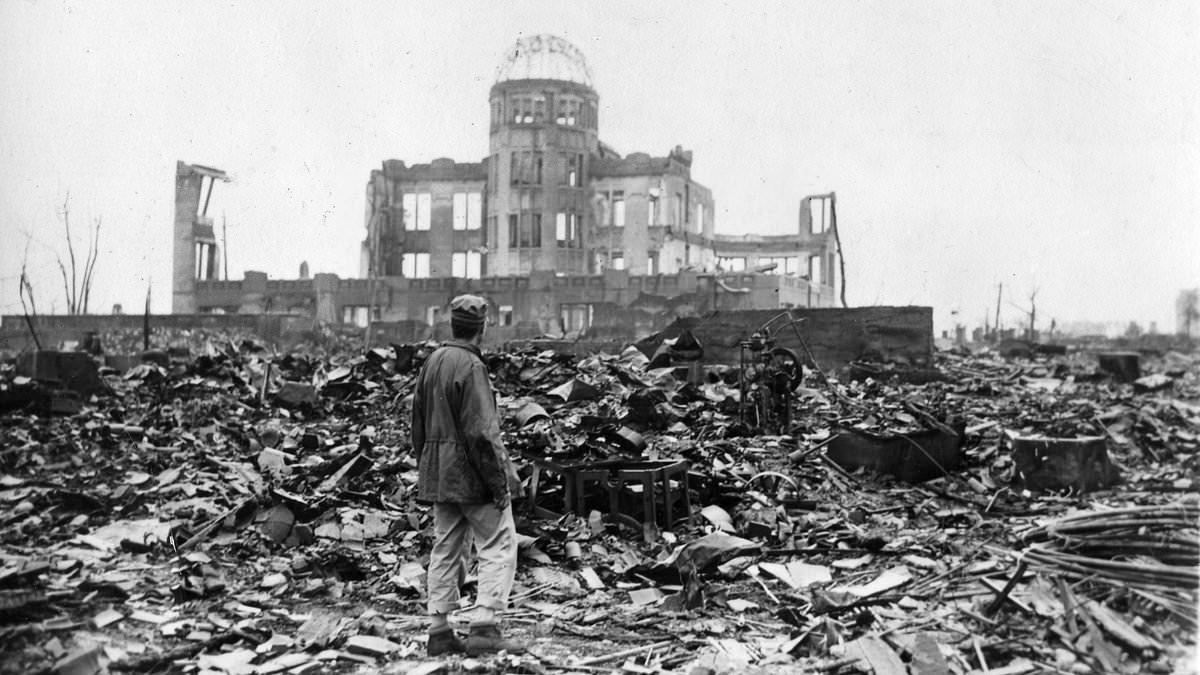
The full horror of atomic bombing of Hiroshima revealed 80 years on
At 8.15am on August 6, 1945, 'Little Boy' was released from Enola Gay, the B-29 Superfortress captained by Colonel Paul Tibbets Junior, writes IAIN MACGREGOR.
- ·
laverita.info
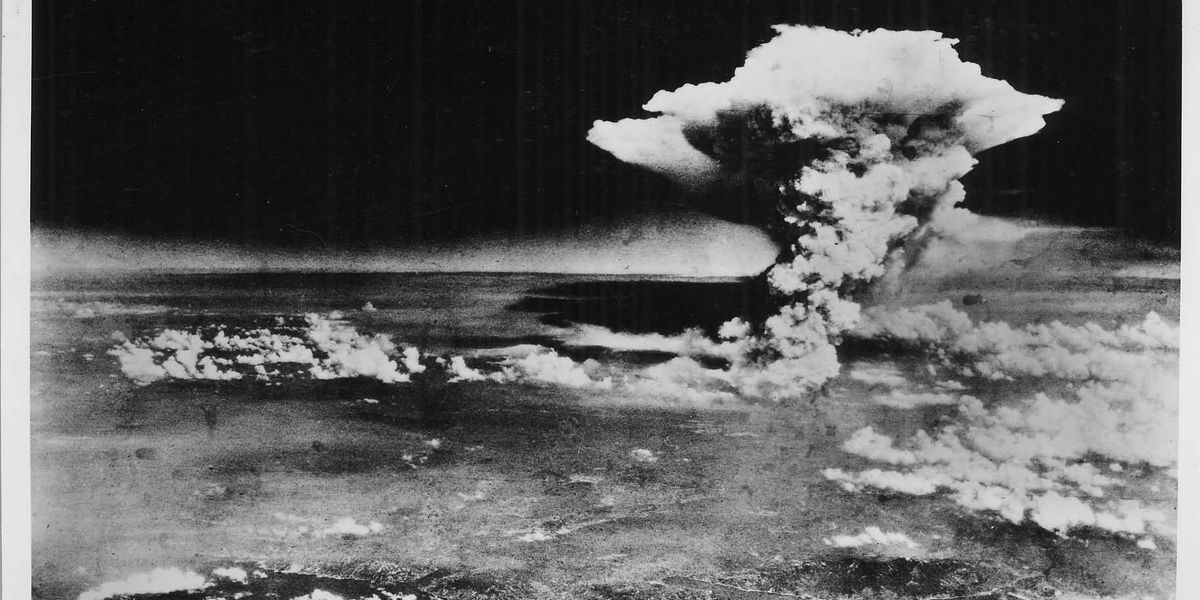
A 80 anni dalla bomba atomica su Hiroshima: le armi nucleari oggi nel mondo
l 6 agosto 1945 il B-29 americano Enola Gay sganciava su Hiroshima l'ordigno atomico «Little Boy», causando la morte di circa 140.000 persone. Una seconda bomba, «Fat Man», colpì …
- ·
ilgazzettino.it
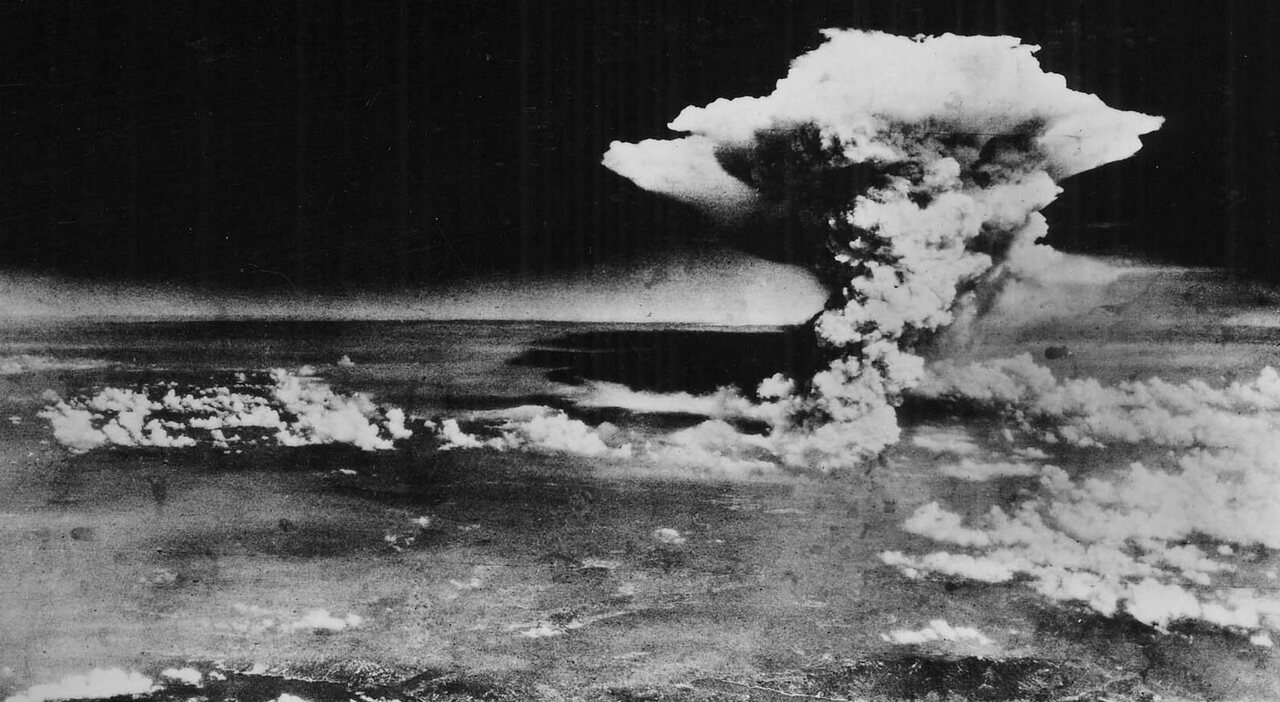
Hiroshima, il 6 agosto di 80 anni fa l’America fece esplodere sul Giappone la prima delle due bombe atomiche: le vittime furono 150mila
Il "Ragazzino", Little Boy, scivolò dal cielo alle 8.15 del 6 agosto 1945 e in pochissimi secondi sotto, a Hiroshima, non rimasero in vita e in piedi niente e nessuno: non case,...
- ·
upi.com
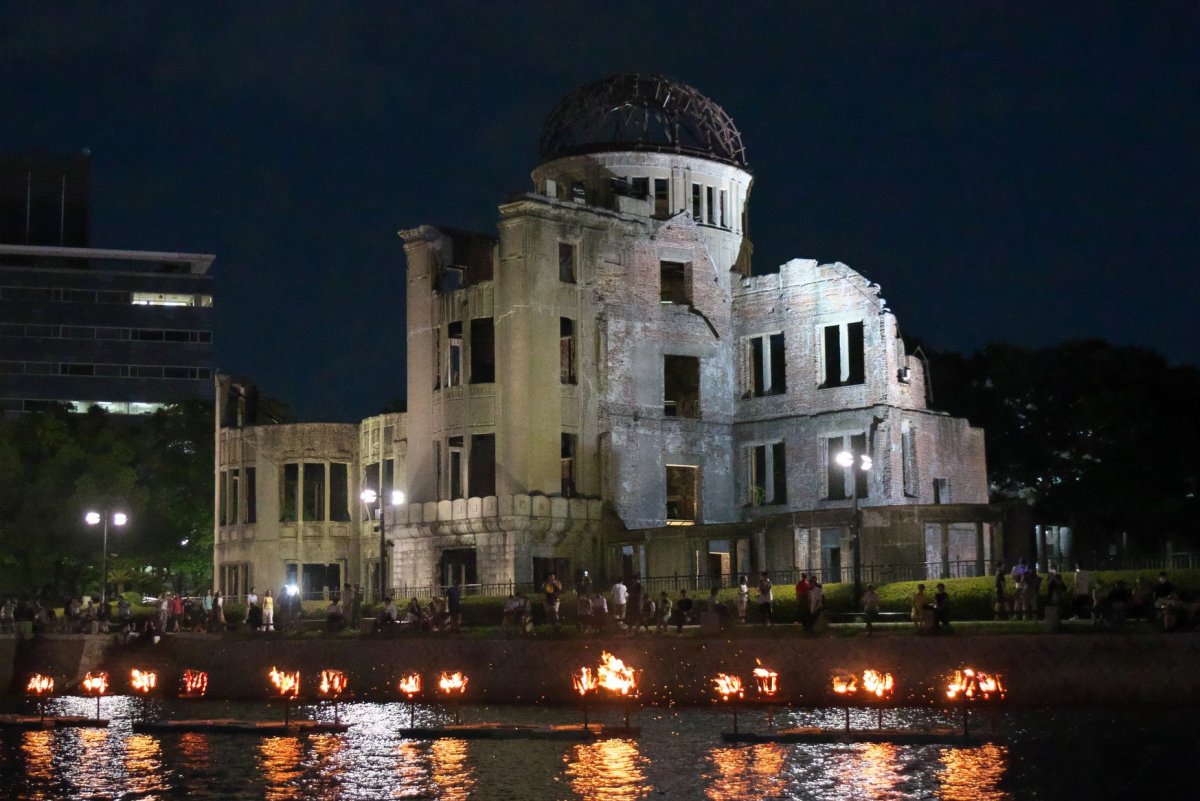
Bombs away? Losers, not winners, will emerge from thermonuclear war - UPI.com
No issue has greater urgency and urgent need than ensuring that weapons of mass destruction will never be detonated in anger or, possibly worse, by accident.