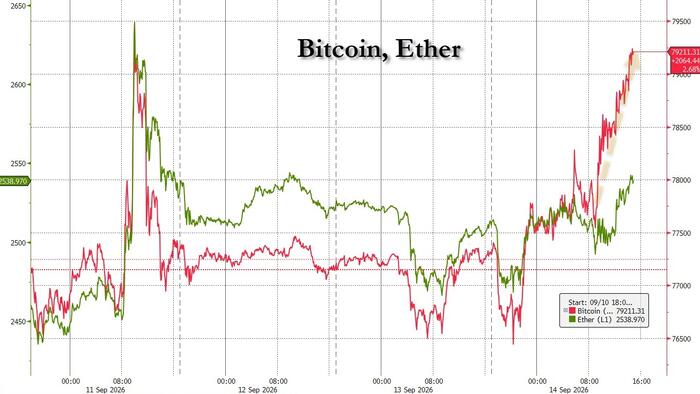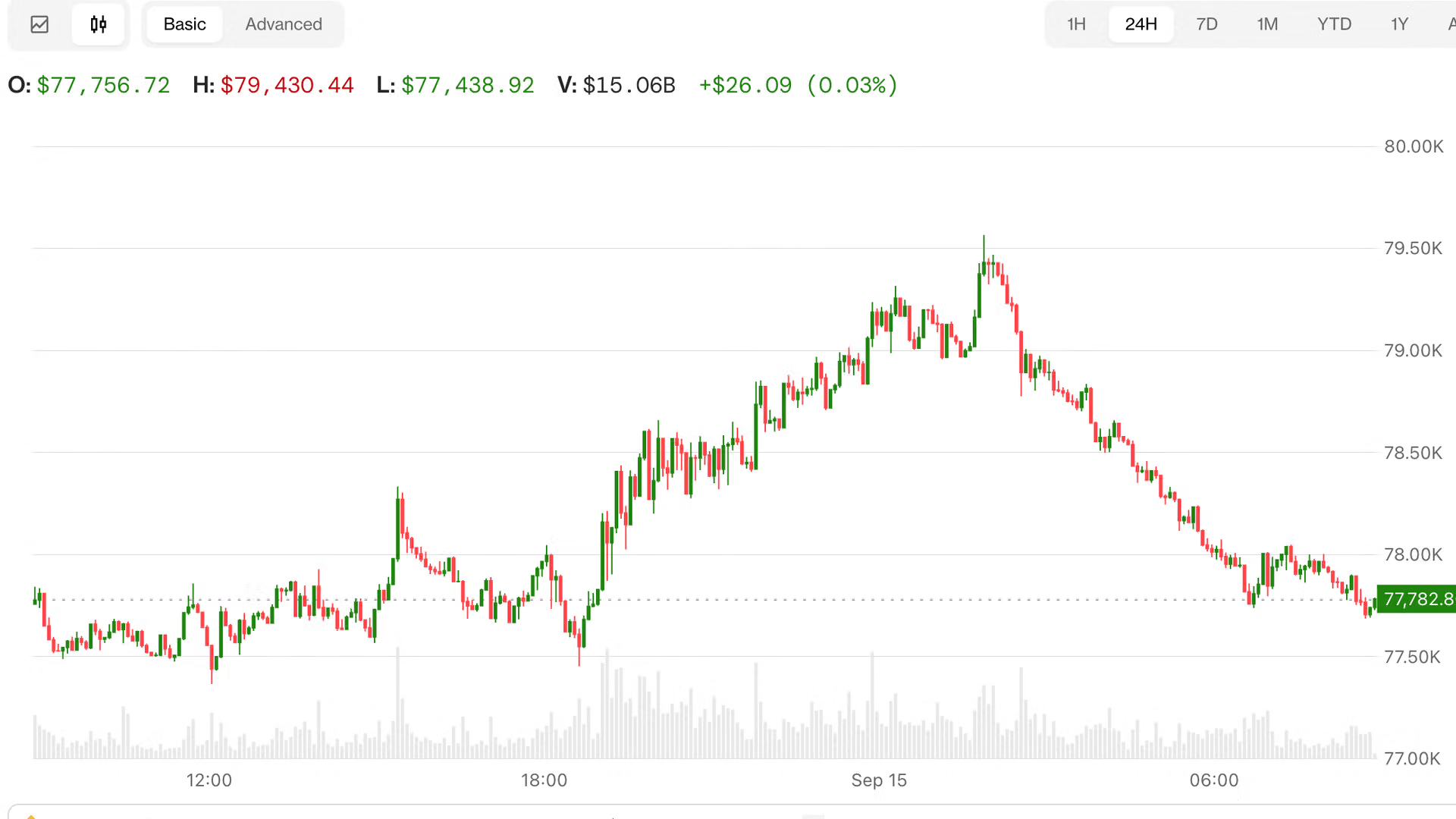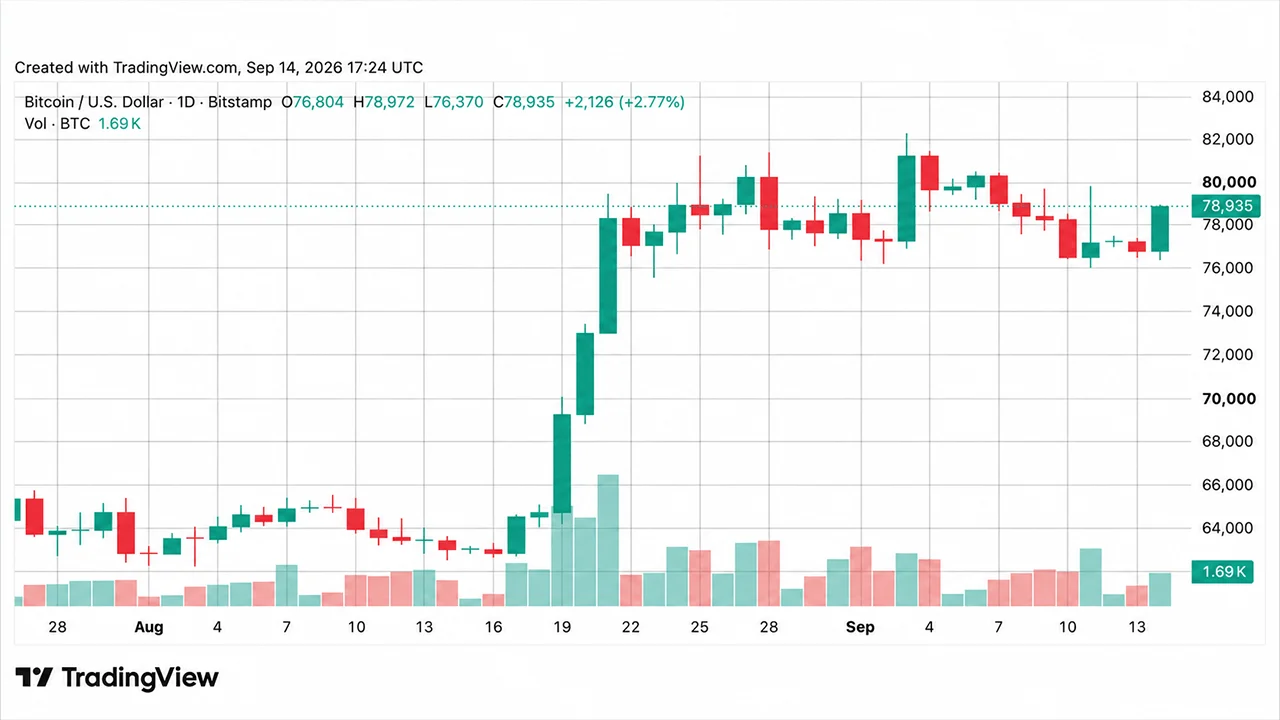
The crypto market’s brief burst of legislative optimism lasted roughly 24 hours. Bitcoin climbed as high as $79,586 on September 14 as traders priced in rising odds that the US Senate might actually pass comprehensive crypto regulation. By the following morning, the rally had unwound and BTC was trading below $78,000.
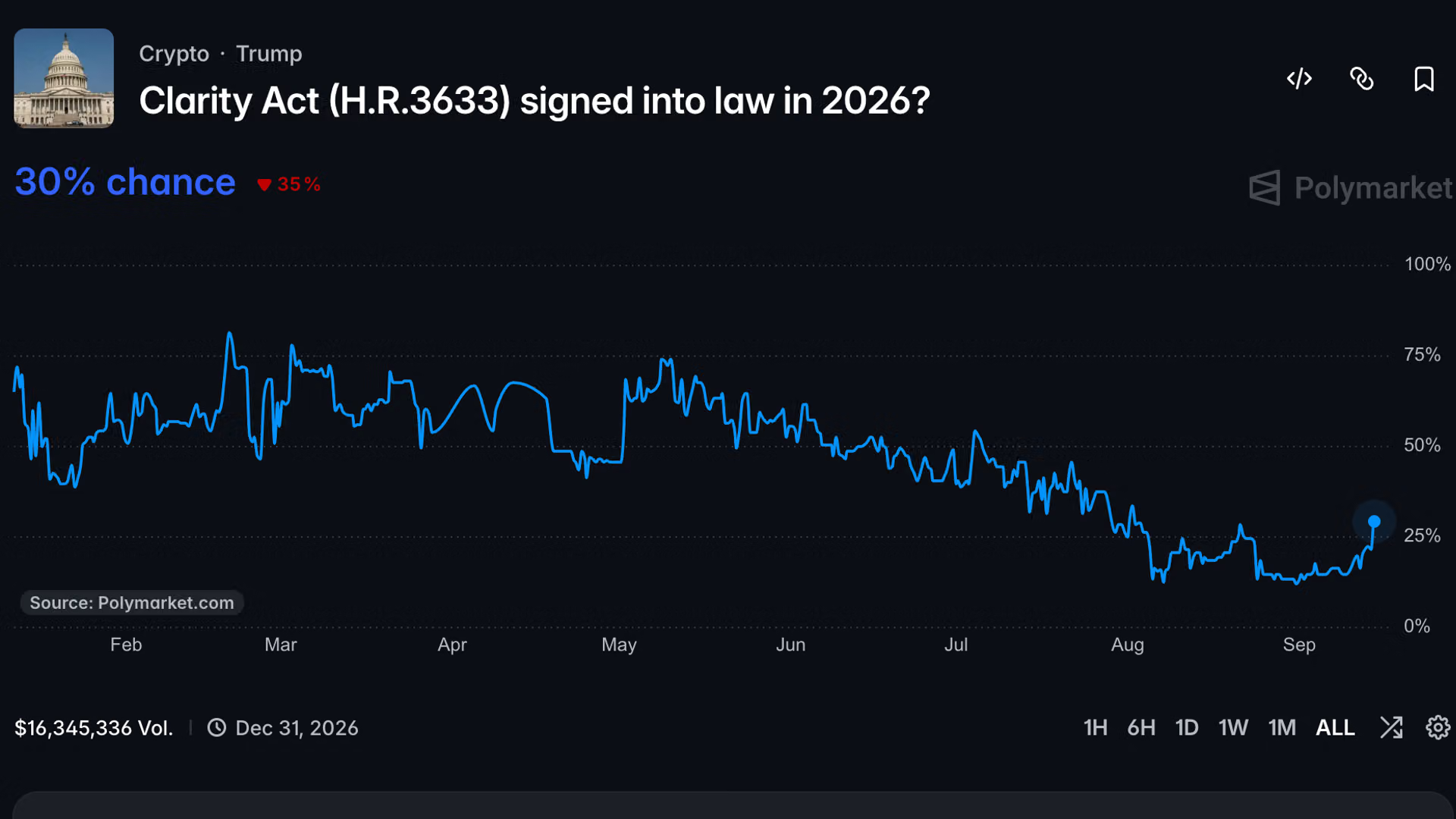
The culprit: a sharp reversal in sentiment around the Digital Asset Market Clarity Act, a bill that would draw clear jurisdictional lines between the CFTC and SEC over digital assets. On Polymarket, the probability of the bill passing surged from roughly 14% to nearly 30% in a single day, then cratered back to 18% as the reality of a divided Senate reasserted itself.
What the Clarity Act actually does
The legislation represents over a year of bipartisan negotiations aimed at answering a question that has haunted crypto since its inception: which federal agency is in charge of what. The Clarity Act would establish a formal framework sorting digital assets into categories based on their characteristics, assigning each to either the SEC or the CFTC.
Senate Republicans released a revised draft that incorporated 126 changes requested by Democrats, covering everything from ethics provisions to stablecoin regulations. That willingness to accommodate the other side is what briefly inflated the bill’s odds on prediction markets.