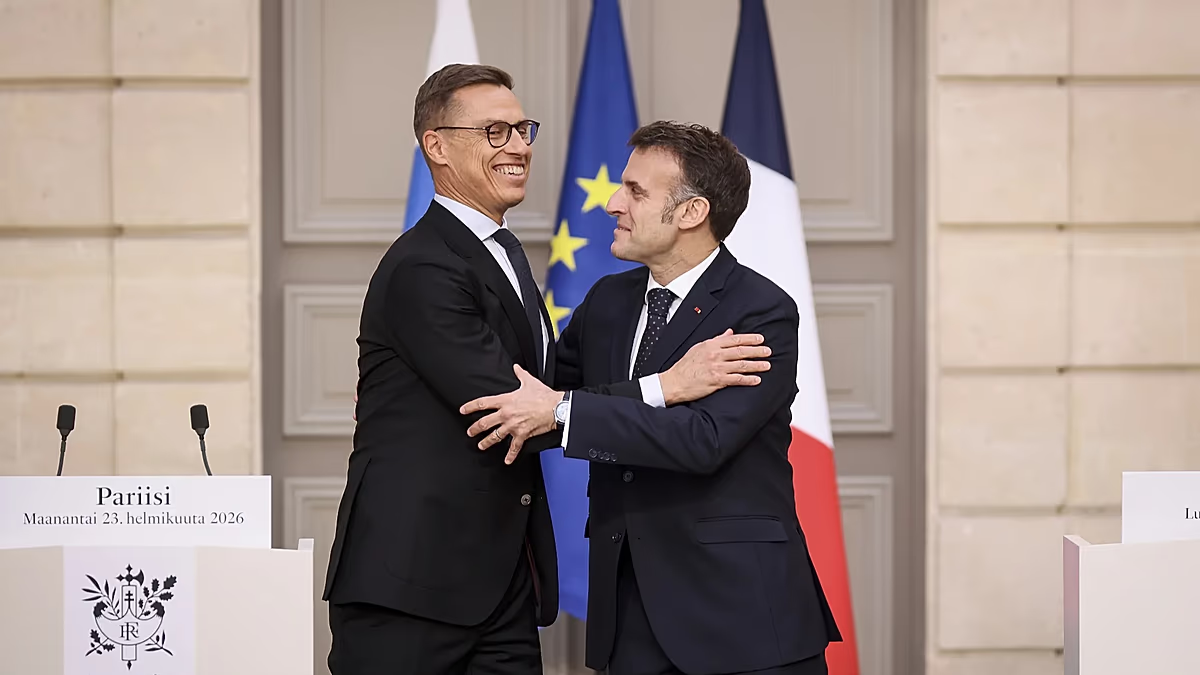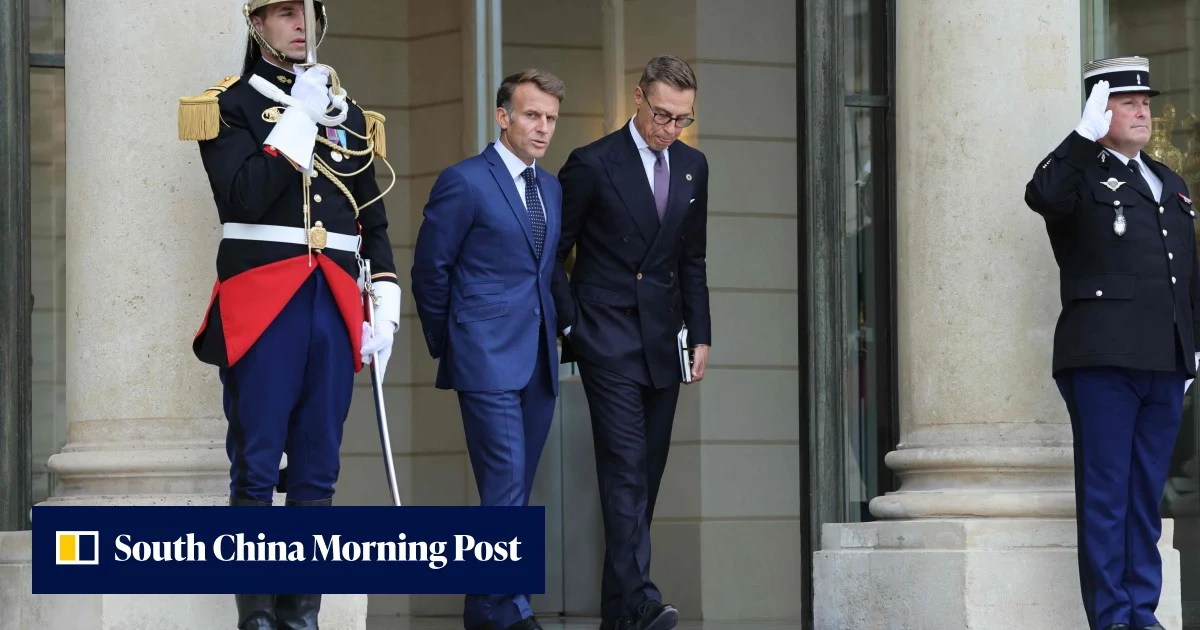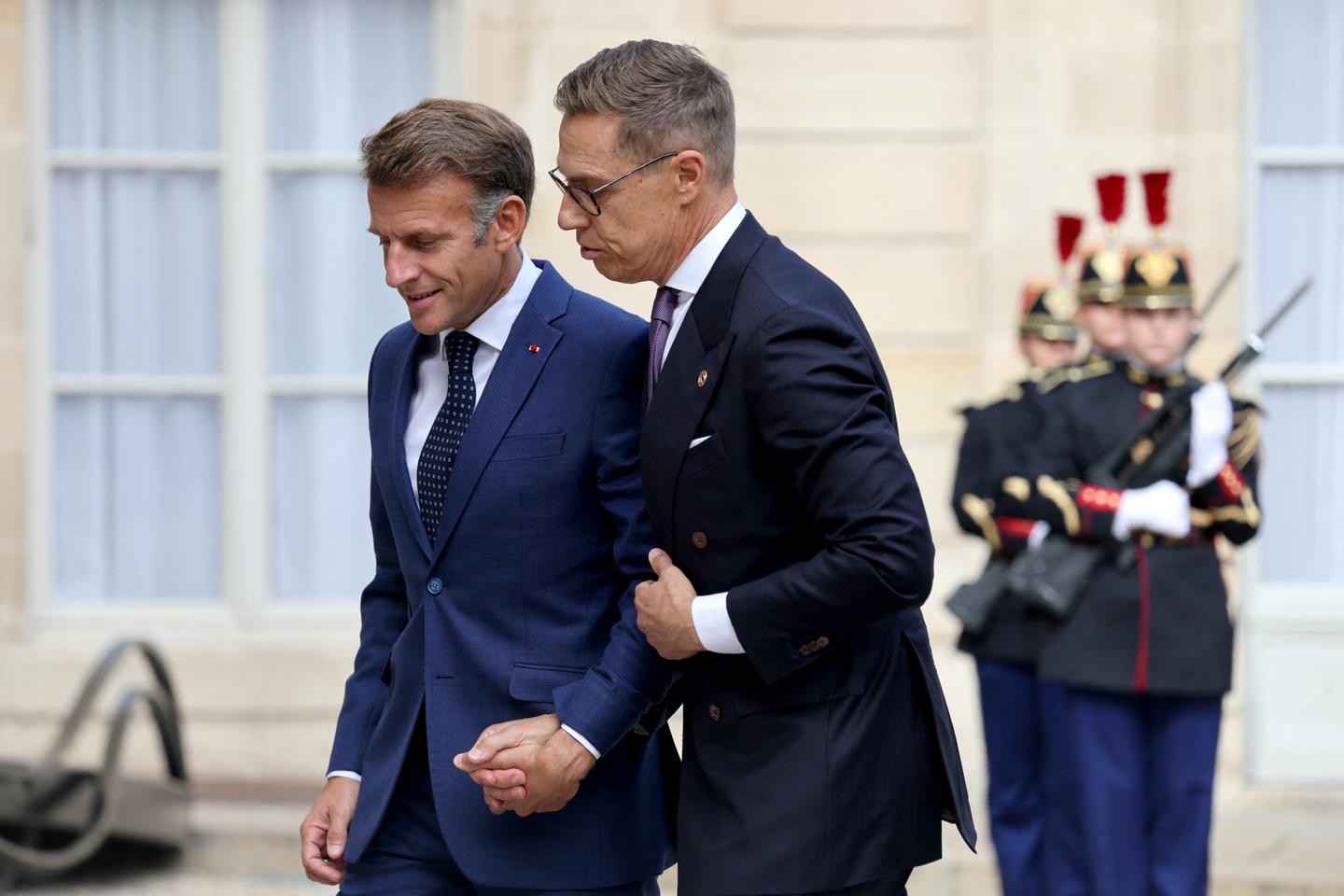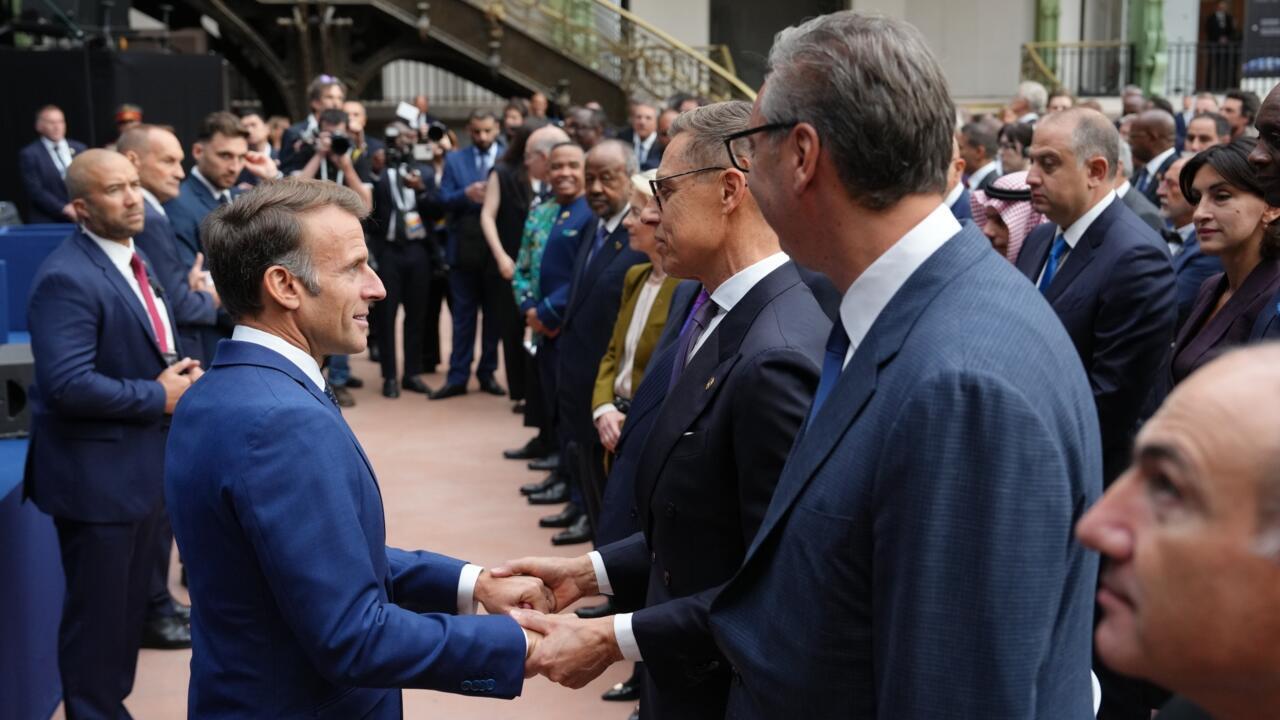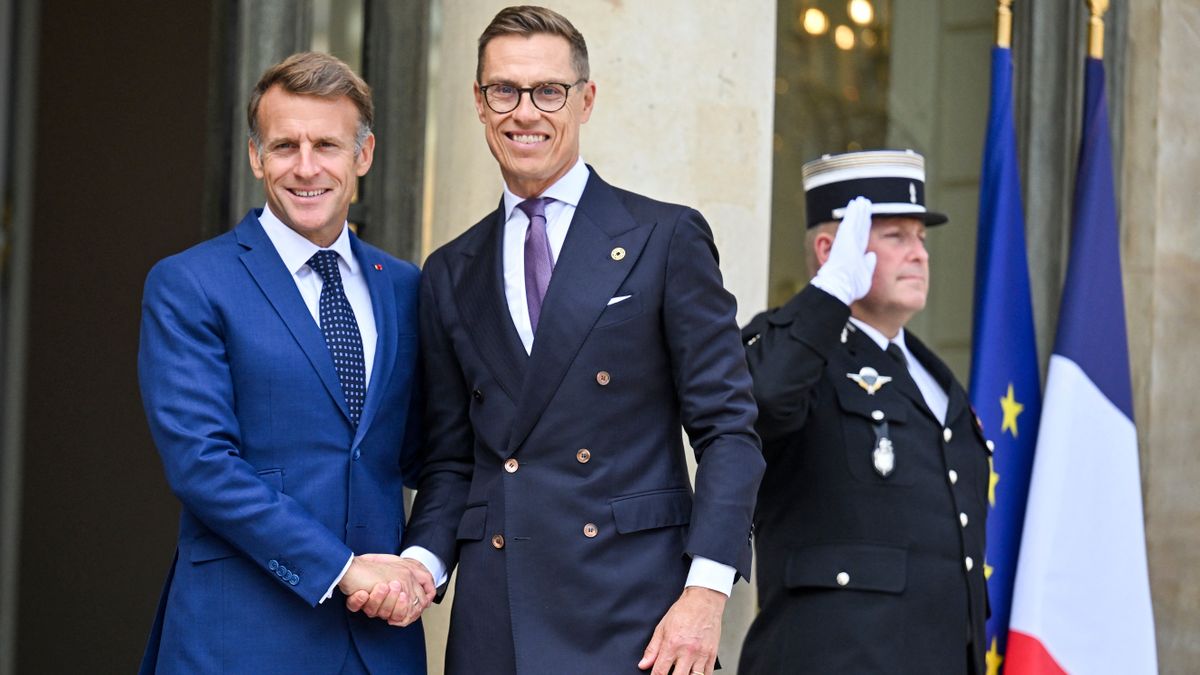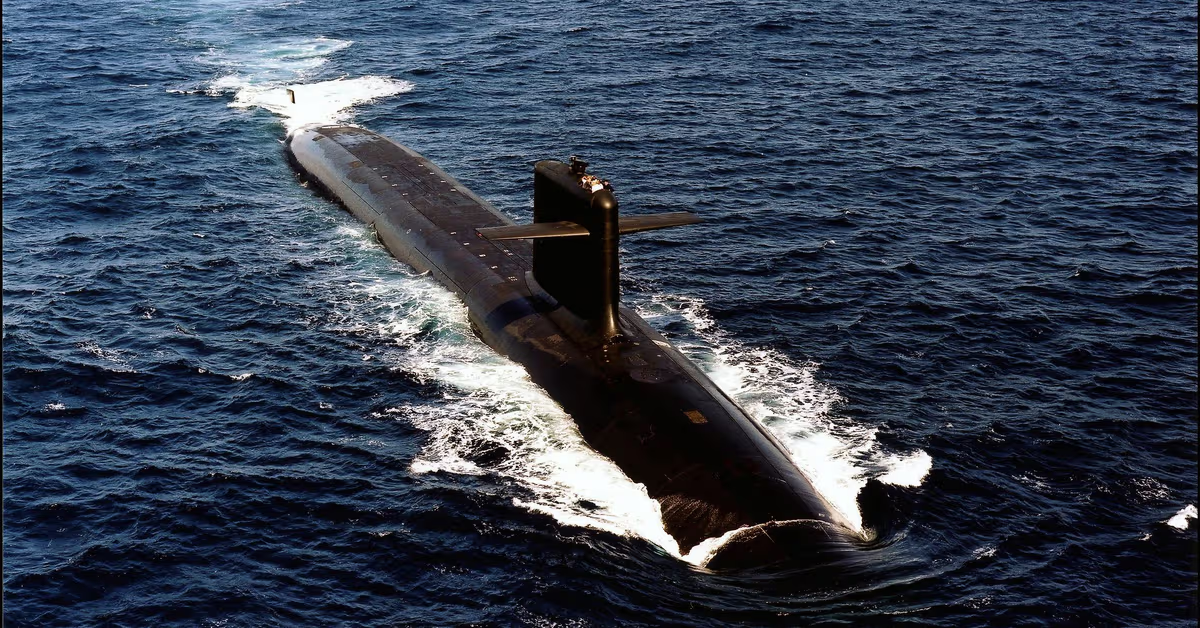
The goal is to prevent escalation, says Finnish President Alexander Stubb.Pictured here: The French nuclear-powered submarine Le Triomphant. Triomphant-class submarines can carry intercontinental ballistic missiles. Image: AOPYle News13:17Finland is joining a French-led nuclear deterrence initiative that is considered significant for European security, Alexander Stubb's office announced on Monday."The initiative is first and foremost about strengthening European security. It reinforces Europe’s responsibility for its own defence and helps prevent escalation," Stubb said on X.The two countries have held confidential discussions on the initiative and have issued a joint statement on Finland's participation.Finland does not plan to station nuclear weapons on its territory in peacetime, according to Stubb.No nuclear umbrellaFrance's strictly defensive nuclear doctrine will not change, and the country will not provide its partners with a nuclear umbrella. France will also retain full control over its nuclear weapons and continue to determine what it considers its vital interests.A steering group will be established in the coming months to launch Finland's role in the cooperation."Finland's participation in the initiative significantly deepens our bilateral defence cooperation with France and strengthens Finland's security,“ Defence Minister Antti Häkkänen said in a statement.Several countries have decided to take part. Finland's Nordic neighbours Norway, Sweden and Denmark are already involved. Other participants include Germany, Britain, Belgium, the Netherlands, Italy and Greece."The French initiative is different from Nato's nuclear deterrence. The joining countries will not have obligations like Nato's collective defence. Moreover, France is not asking the other countries to contribute to the costs of maintaining the nuclear deterrence," Häkkänen said in a statement.The French initiative is not intended to replace or duplicate Nato's nuclear deterrent, which is backed above all by the United States.Monday's agreement follows an announcement by French President Emmanuel Macron earlier this spring outlining a major update to France's nuclear doctrine, known as dissuasion avancée, aimed at strengthening Europe's collective defence.
Finland joins French nuclear deterrence initiative
The goal is to prevent escalation, says Finnish President Alexander Stubb.
307 words~1 min read