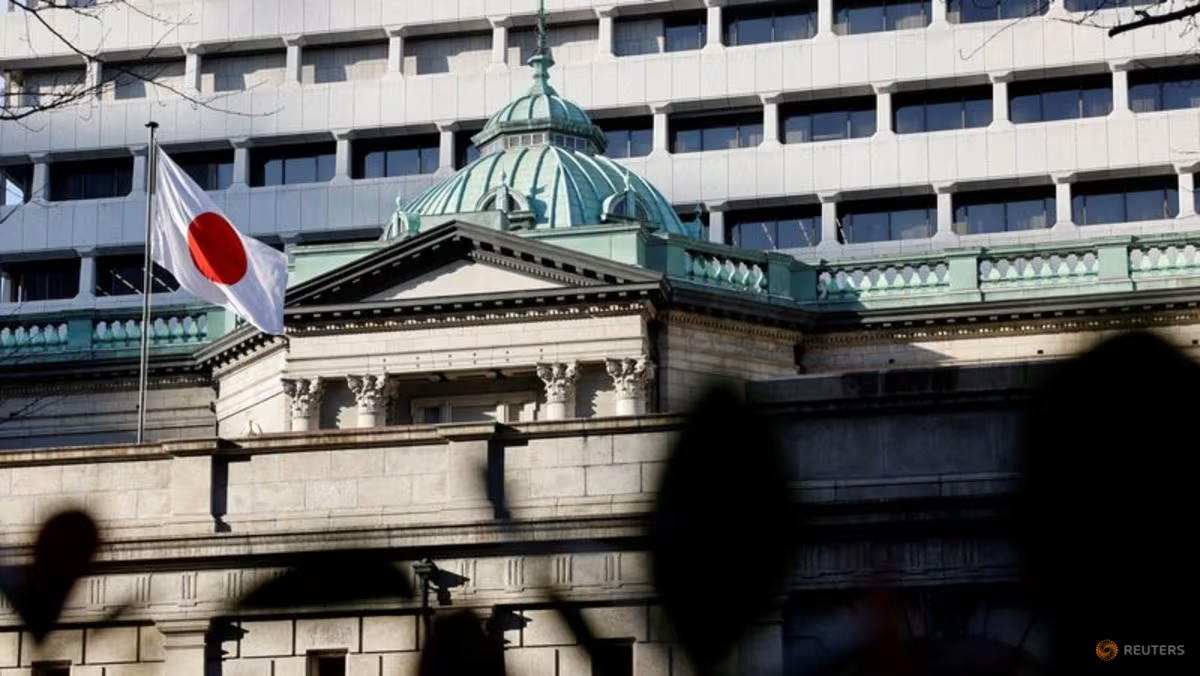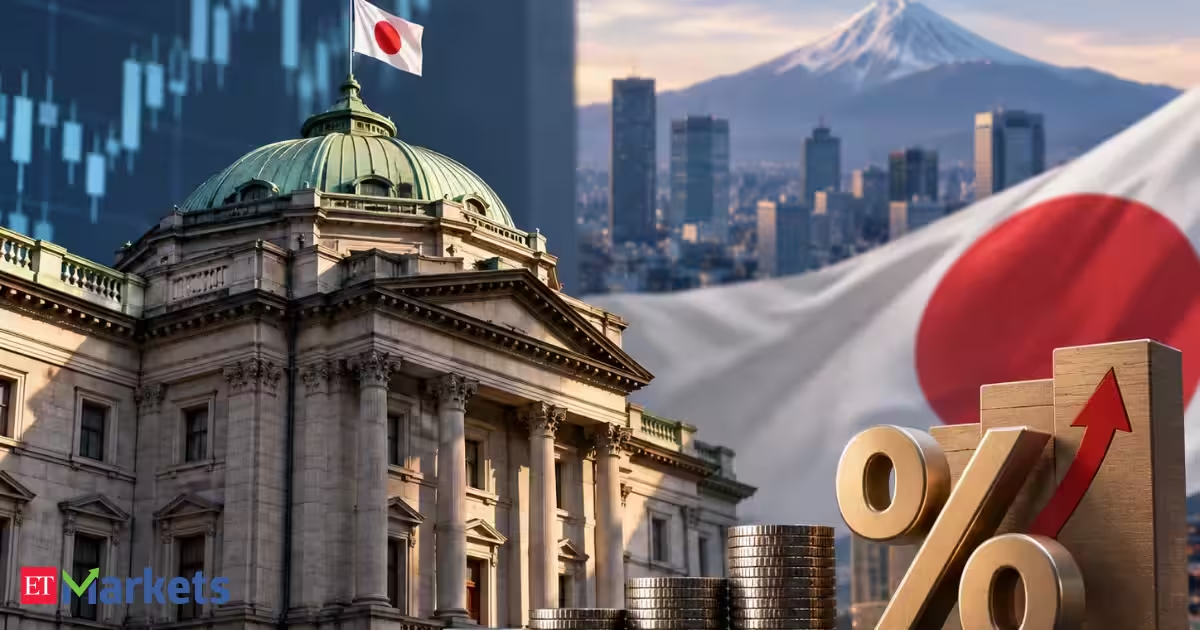
Japan’s central bank is about to do something it spent decades avoiding: raise interest rates at a pace that actually matters. A Bloomberg-hosted webinar this week pulled back the curtain on what comes next, featuring former Bank of Japan senior economist Taro Kimura and market reporter Alice French dissecting the BoJ’s tightening trajectory and its ripple effects across global financial markets.
The timing is no accident. The BoJ’s policy meeting on September 17-18 is widely expected to produce a 25 basis point increase, pushing the policy rate to 1.25%. That would mark another step in a tightening cycle that began in March 2024 and has already delivered a rate of 1%, a level Japan hadn’t seen in 31 years.
The path to 1.75%
A Reuters poll projects the policy rate climbing to 1.75% by the second quarter of 2027, which would represent a pace of tightening that would have been unthinkable during Japan’s long era of negative rates and yield curve control.
What’s driving the urgency is a combination of factors that the BoJ can no longer politely ignore. A persistently weak yen, hovering around 152-153 per dollar, has been feeding imported inflation through higher fuel and chemical prices. Crude oil costs have climbed amid Middle East tensions, adding another log to the fire.