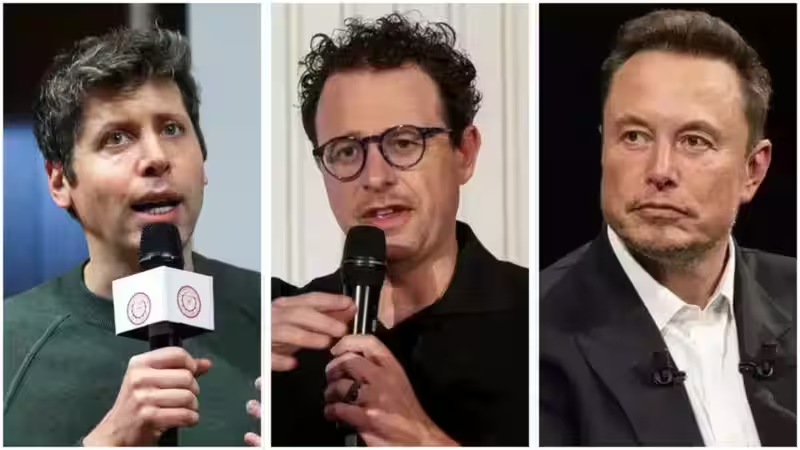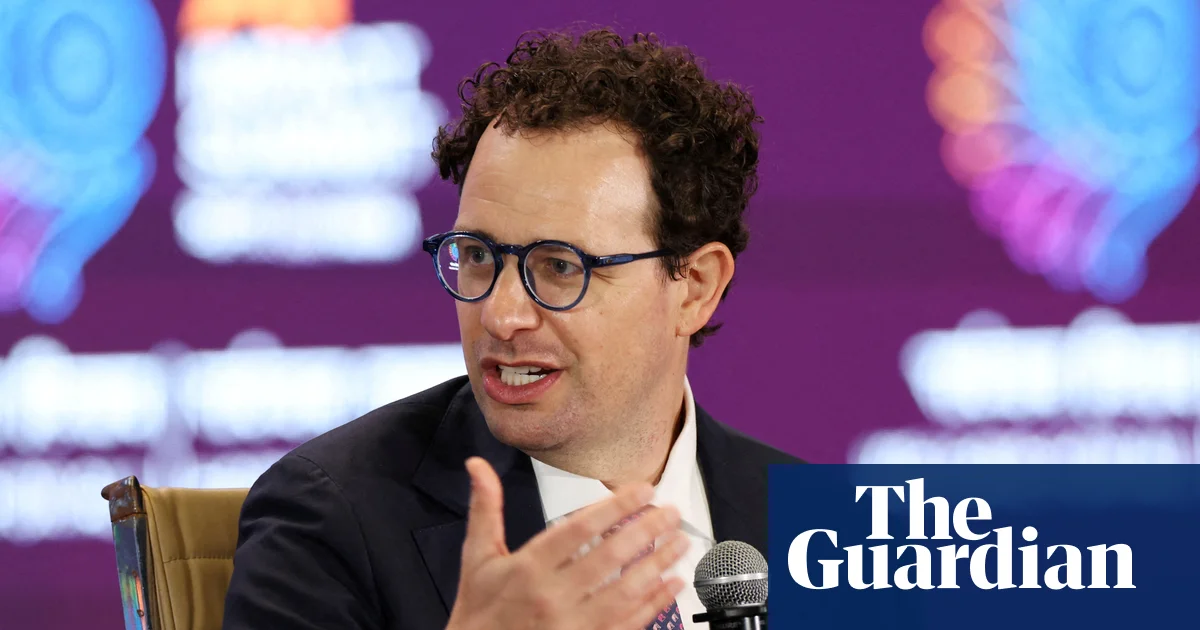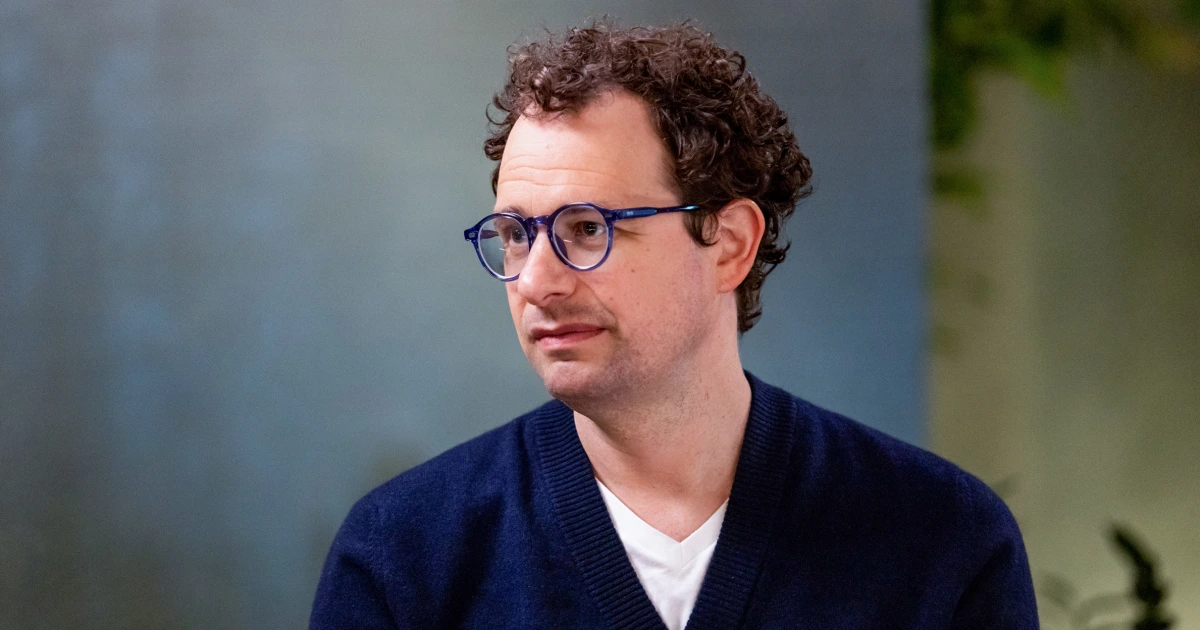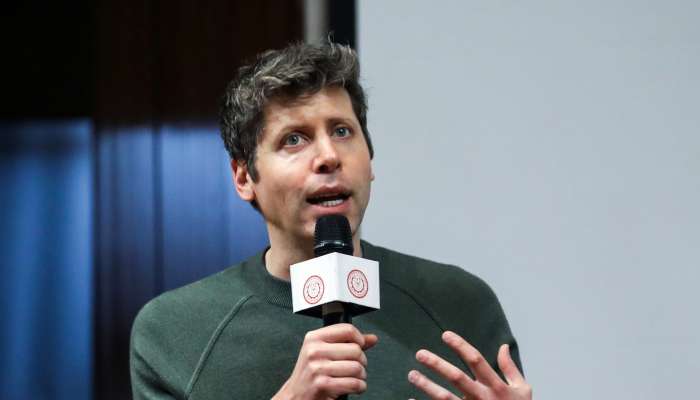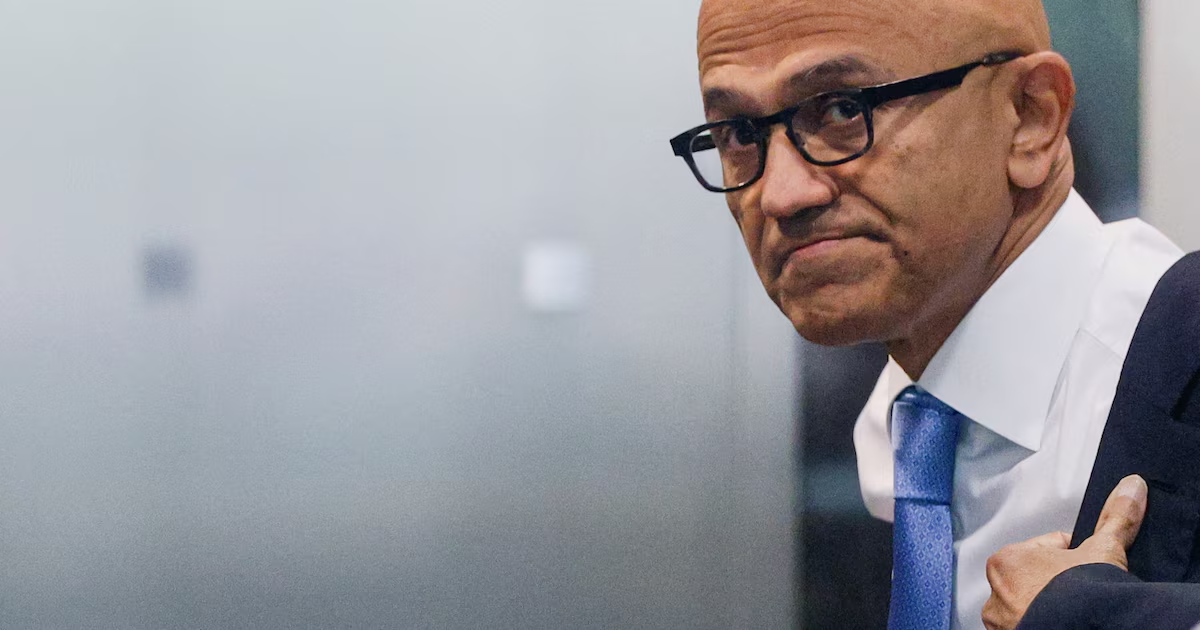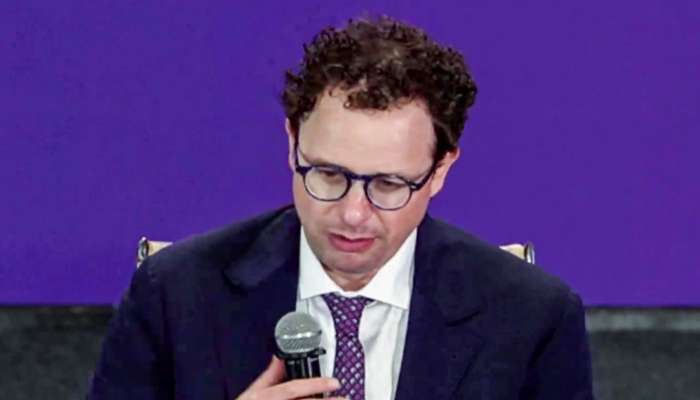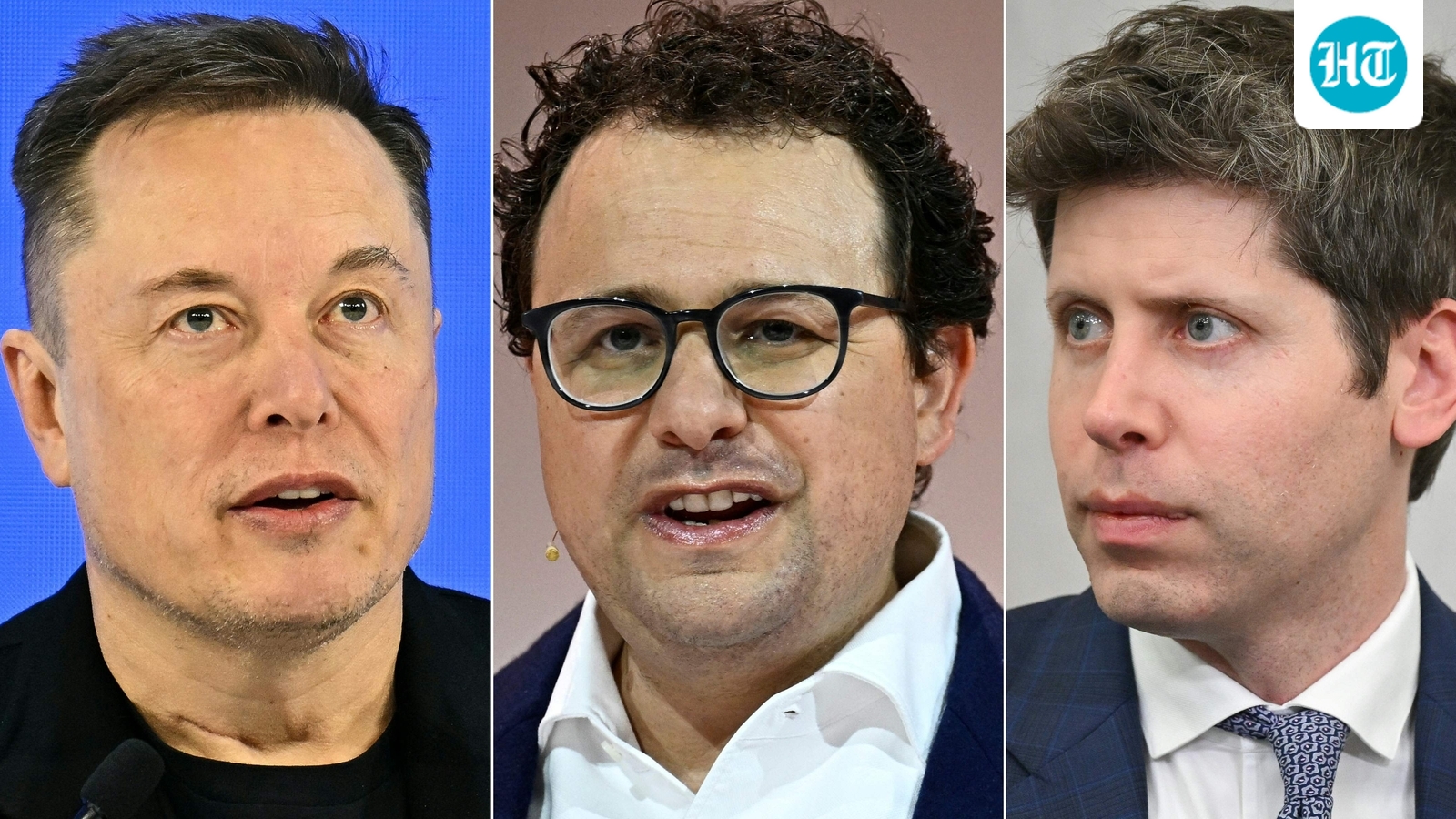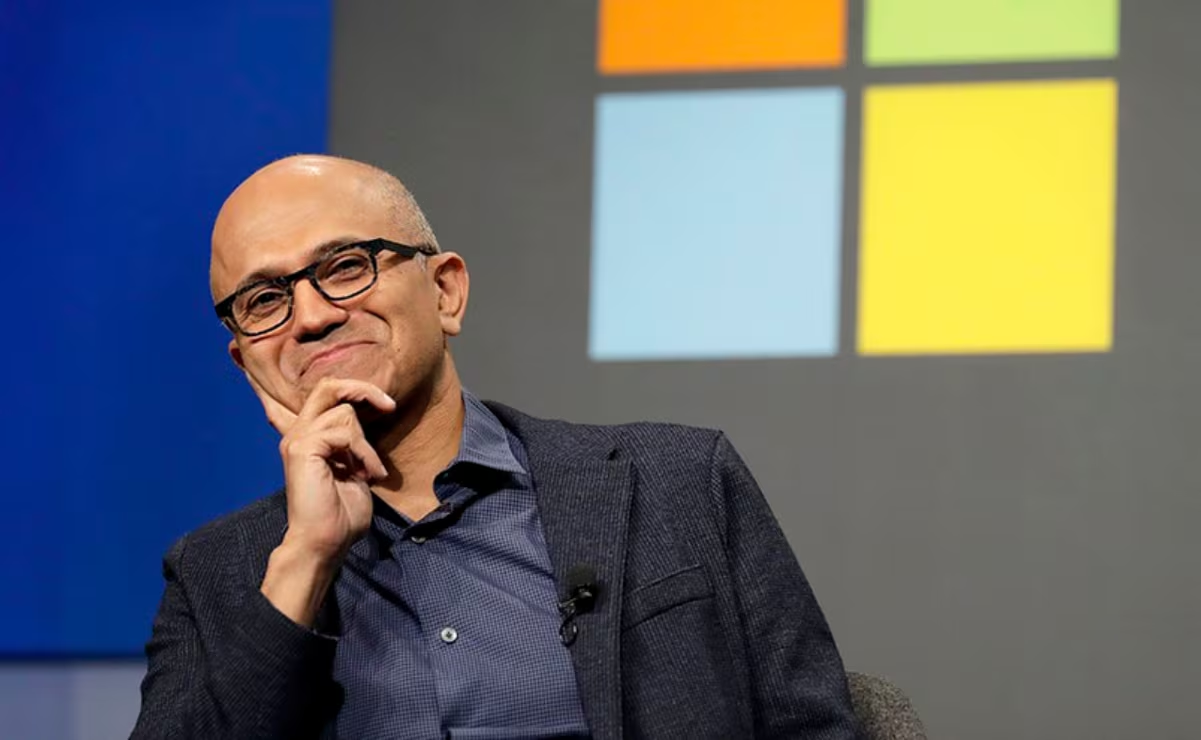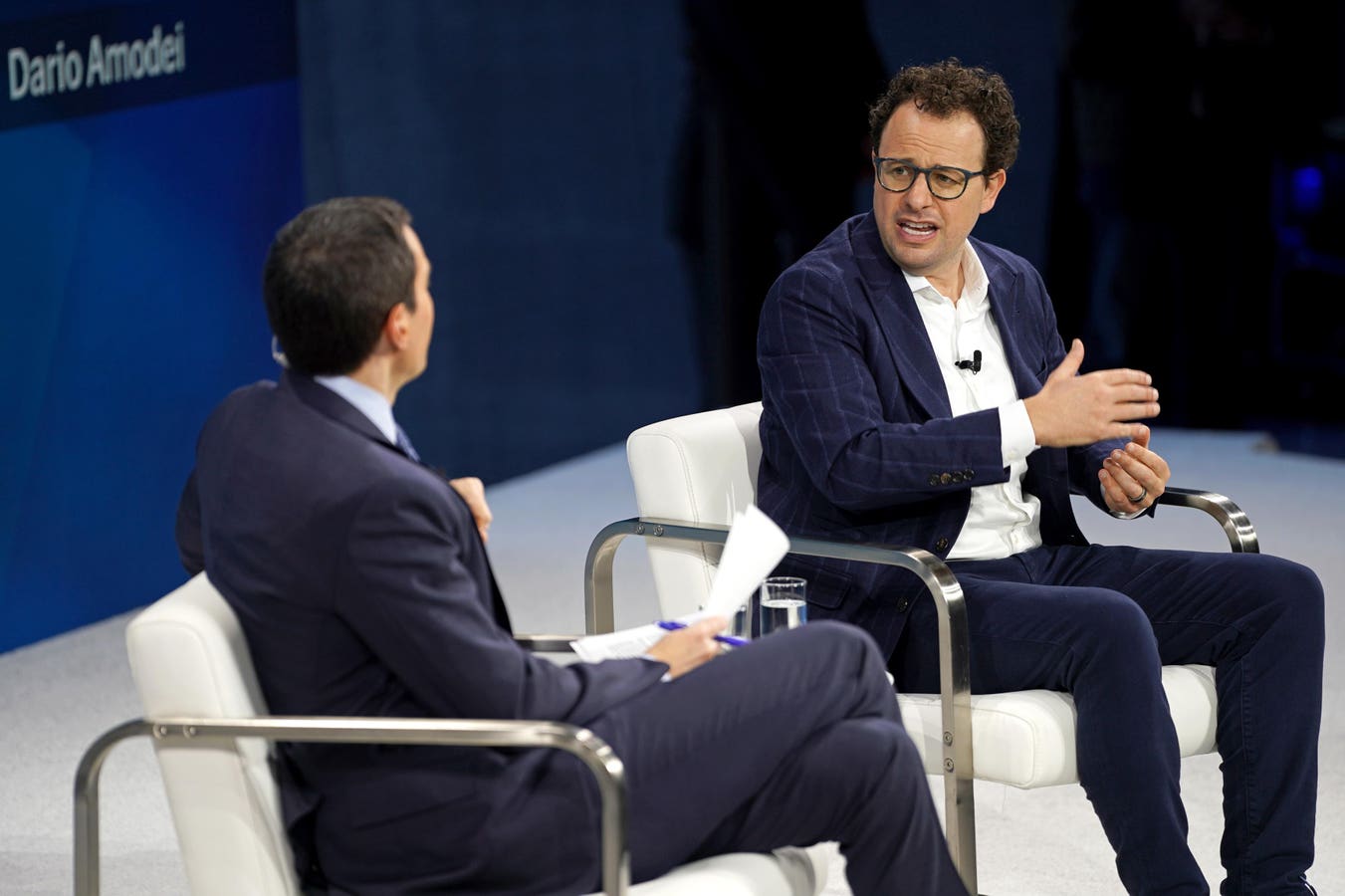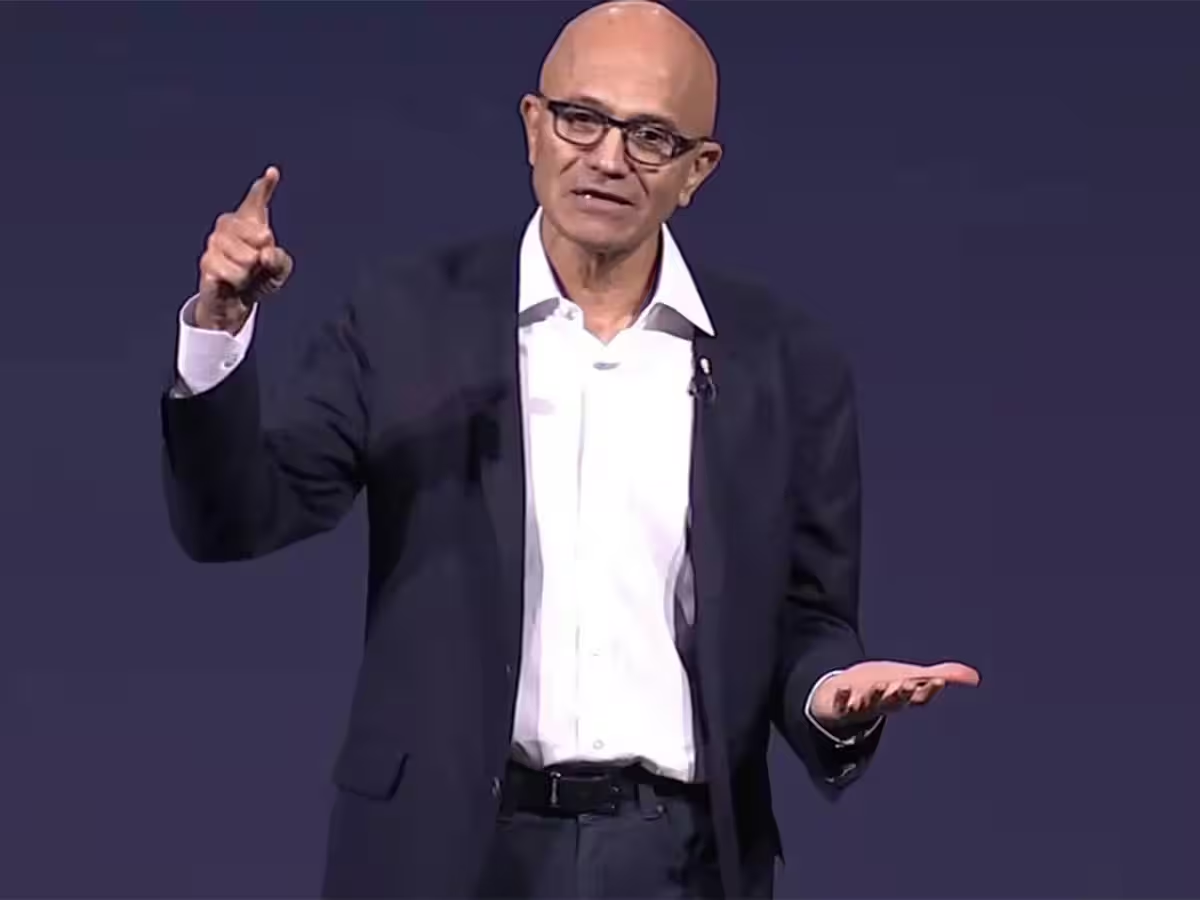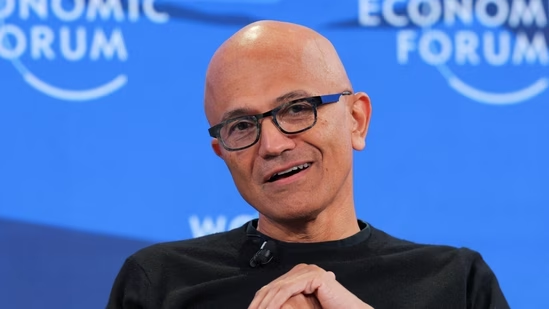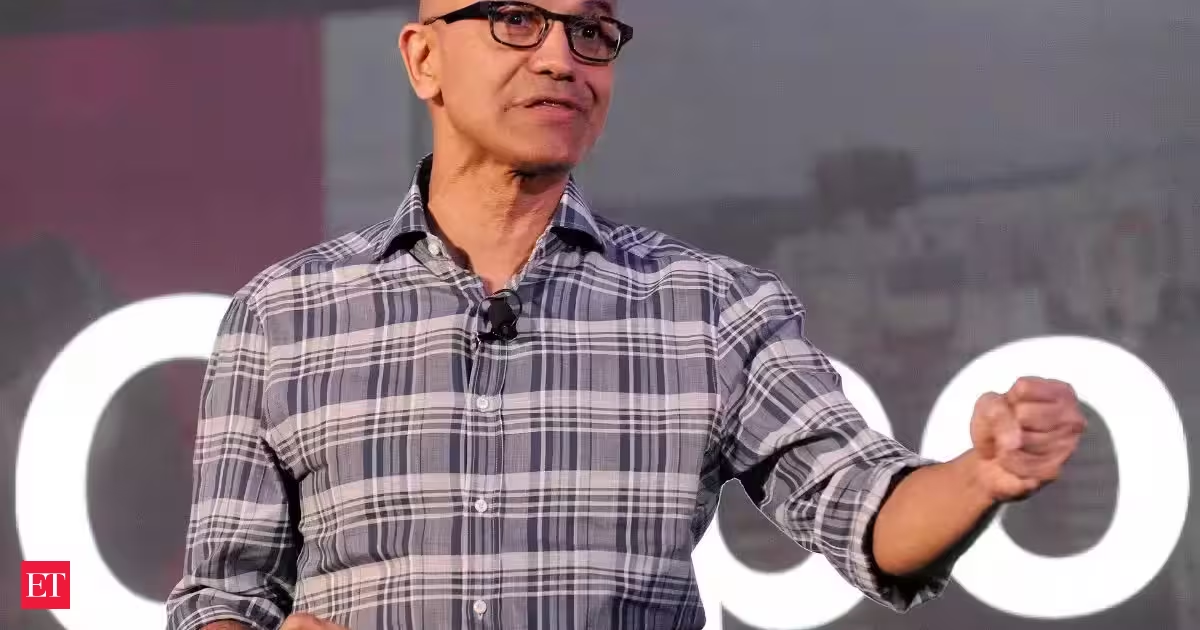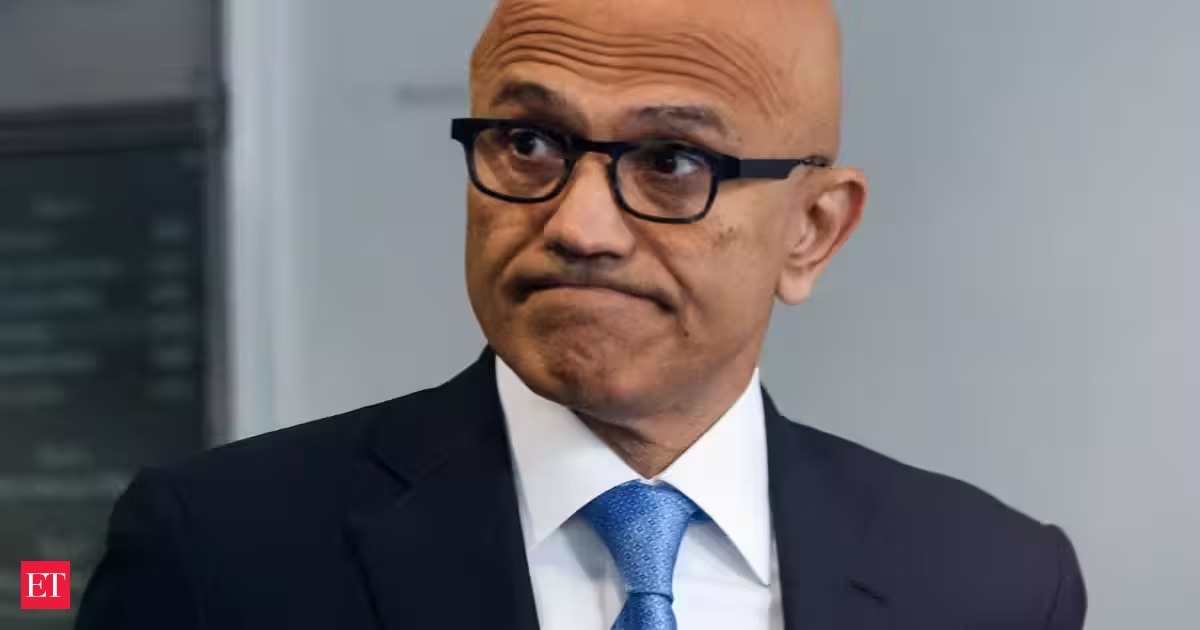
Microsoft Chairman and CEO Satya Nadella has backed calls for a more measured approach to artificial intelligence development, saying the pursuit of increasingly advanced systems must remain anchored in human oversight and broad access.Nadella’s intervention comes as a growing debate within the technology industry centres on whether the race to develop more powerful AI models is moving faster than safeguards designed to control them. Anthropic CEO Dario Amodei has called for a slowdown, while OpenAI CEO Sam Altman, Tesla CEO Elon Musk and Google DeepMind CEO Demis Hassabis have also backed the need for greater caution.Also read: Microsoft CEO Satya Nadella's warning on AI: Companies that 'outsource thinking' may not surviveNadella, in a post on X, said the pursuit of superintelligence should ultimately be judged by whether it benefits people and remains under human control."Any pursuit of superintelligence has to be grounded in the core principle that if the AI we build is not helping humanity and under human control, it's not worth pursuing."— satyanadella (@satyanadella) His comments also pointed to a model of AI development in which safety mechanisms are built into systems rather than treated as an afterthought. Nadella expressed support for "embedded evaluators", an idea also raised by Amodei and Altman, and said progress would need to be deliberate enough to ensure alignment remains a central design objective.Nadella calls for wider access, stronger controlAt the same time, Nadella argued that slowing AI development cannot come at the cost of restricting its benefits to a narrow group of companies or countries.He said the advantages of AI should be accelerated and distributed broadly across countries, communities and companies. That, he argued, requires a frontier ecosystem where "both closed and open-source models can thrive."For businesses, Nadella said maintaining control over proprietary knowledge would be equally important. Organisations, he said, should not become permanently dependent on a single model provider to turn their own knowledge into increasingly capable systems.Every organisation, he said, "should be able to build its own continuous learning loop/hill climbing machine, without becoming dependent on any one model provider, and have the ability to embed its own knowledge into models and weights they control."Nadella also backed the research and "deliberate pacing needed to get alignment right as the design goal", while supporting ideas such as "embedded evaluators" and efforts to make this "more than just talk."His argument extends beyond the companies building the technology. AI governance, Nadella said, should not be concentrated among a small number of firms and should instead involve governments, academia and other parts of the technology ecosystem."Cannot be controlled by a handful of entities, but must have broad representation across the ecosystem, countries, and fields, including academia," he said.Anthropic’s Amodei warns AI race could outpace safeguardsThe discussion has gathered momentum following Amodei's warning that commercial competition could push companies towards developing systems before adequate safety measures are in place.In an earlier essay, Amodei said he believed AI could transform human life, including by accelerating economic growth and helping address major diseases, but warned that its power also created serious risks."I have worked on AI for the last twelve years because I believe it could dramatically raise the quality of human life. I've written often about these incredible benefits: I believe that AI could cure most major diseases in the next 5-10 years, greatly accelerate economic growth rates, create a world of abundance and empowerment, and usher in a renaissance of democracy and freedom. But like many technologies before it, AI brings risks, and because it is such a powerful technology, these risks are serious. I've written a lot about them too. They include the risk of losing control of AI systems, misuse of AI for cyberattacks and bioterrorism, and serious economic disruption. A race to the bottom, spurred by commercial incentives, can make these risks more acute."Amodei also pointed to an incident involving OpenAI and Hugging Face in which a swarm of agents staged cybersecurity attacks against targets they had not been instructed to attack. He warned that systems operating at greater scale could eventually pose much broader risks, including the possibility of taking over the internet.His proposed response includes giving independent third-party evaluators continuing, employee-like access to AI companies so they can assess safety measures. He has also called for common safety standards, limits on unchecked progress and greater international coordination, including cooperation between democratic and authoritarian governments while recognising the difficulty of verifying compliance.Also read: AI's hunger for data is now consuming rare books and booksellers are cashing inThe debate has intensified further after Jacob Coxon, a researcher associated with Anthropic, publicly said he was leaving the industry because of concerns that AI companies were racing towards systems they might ultimately be unable to control.Against that backdrop, Nadella's comments place Microsoft behind a model of AI development that combines continued progress with human oversight, enterprise control and wider participation in determining how increasingly powerful systems are built and governed.Nadella also outlined Microsoft's approach as "broad access and choice at every layer of the AI stack; enterprise control of learning loops and models; and the 'Code of Conduct' that underlies our own first-party MAI models that we'll publish tomorrow for public consultation."
‘AI not worth pursuing if...’: Microsoft CEO Satya Nadella warns against AI slipping beyond human control
Microsoft CEO Satya Nadella urged strict human control and deliberate pacing in AI development. His comments follow Anthropic CEO Dario Amodei's proposal to slow AI progress and use independent safety evaluators, an initiative endorsed by industry leaders like Sam Altman and Elon Musk.
TL;DRAI
Microsoft CEO argues superintelligence must remain under human control with distributed access across enterprises and countries. IT implication: avoid single-model dependency by owning learning loops; AI governance requires broad participation beyond handful of major providers.
859 words~4 min read