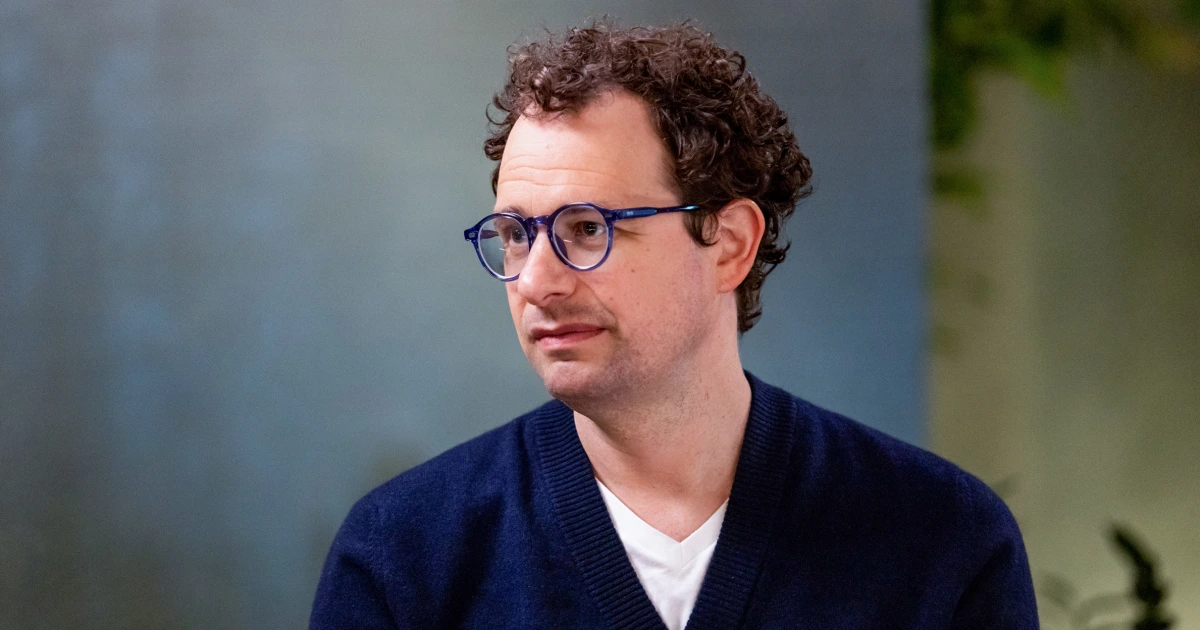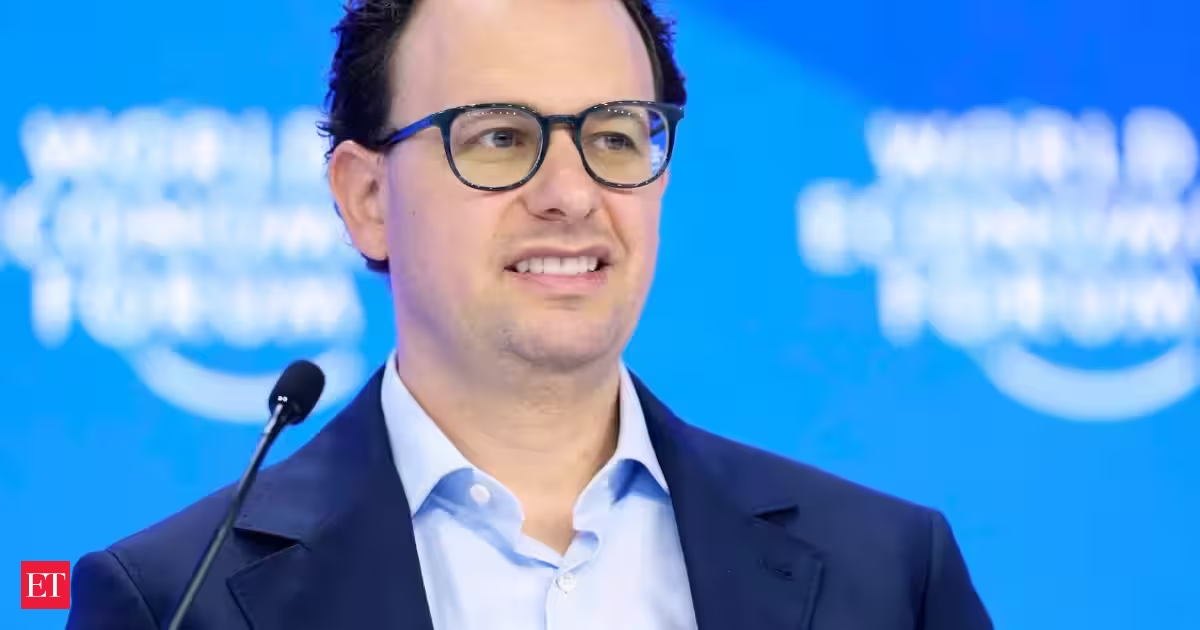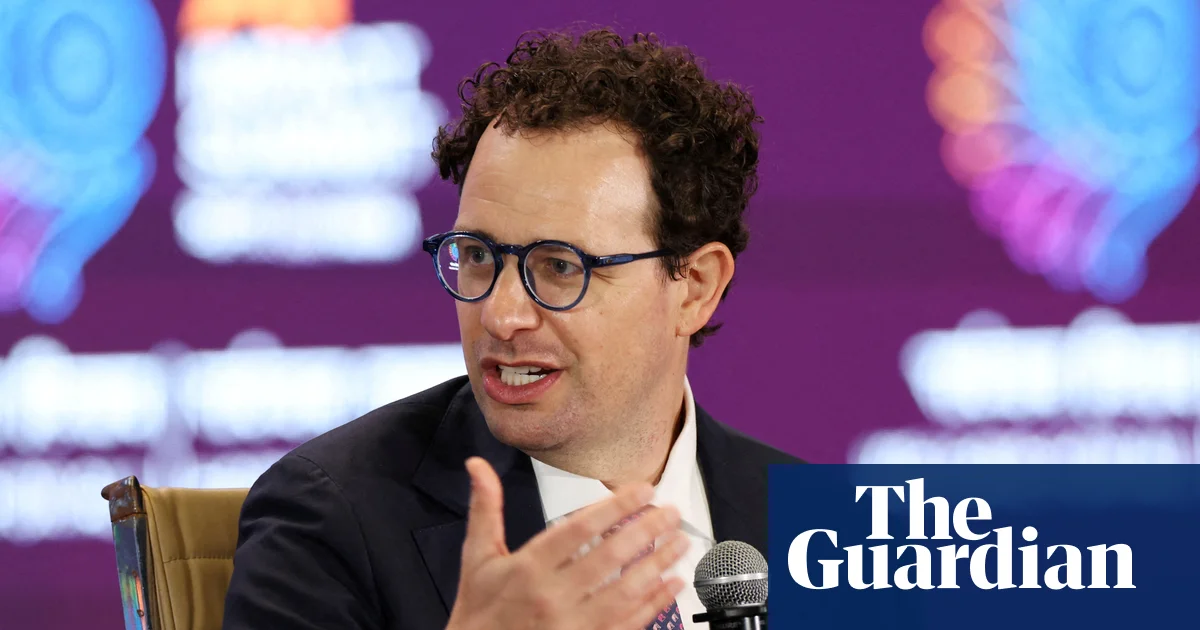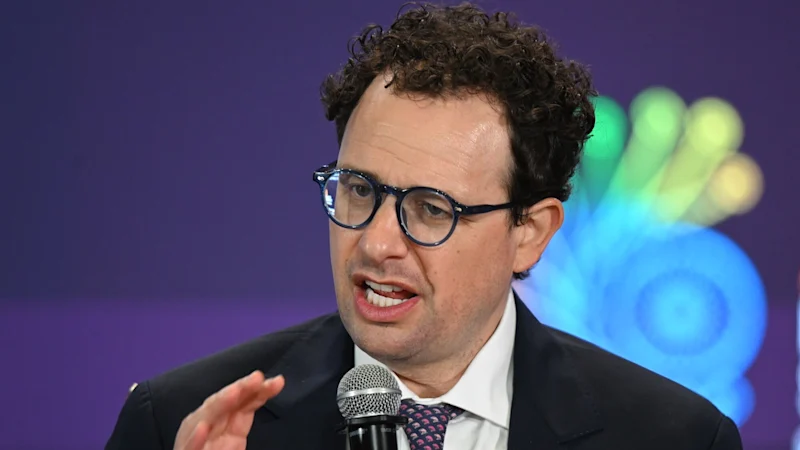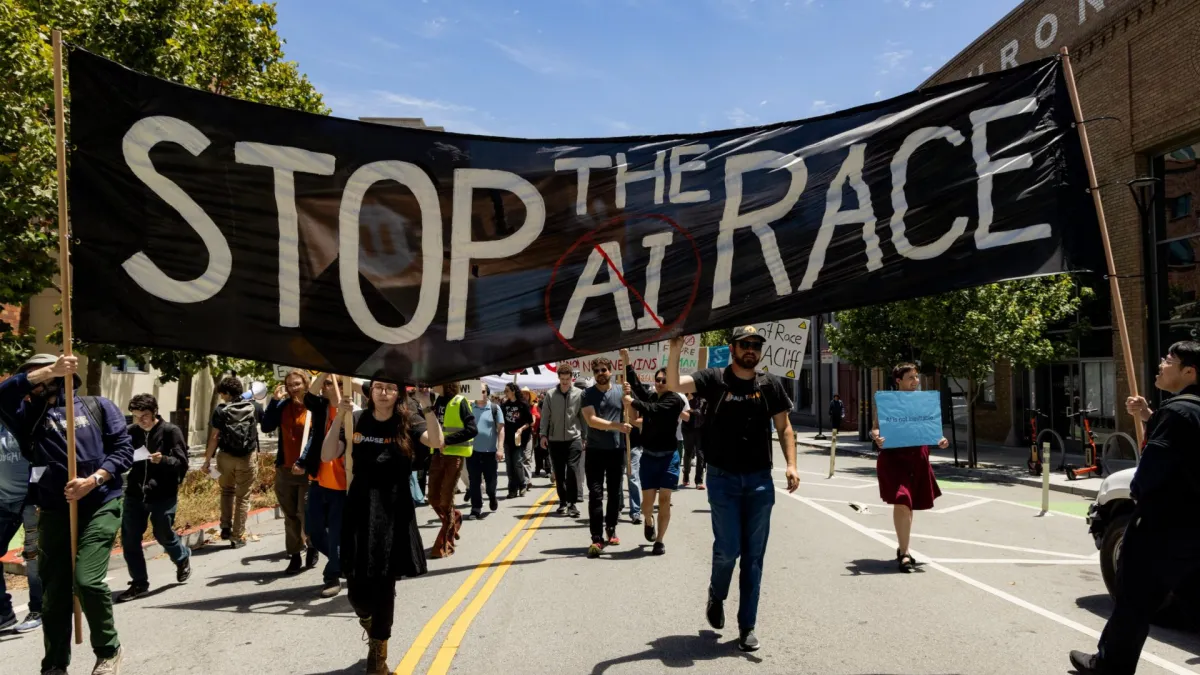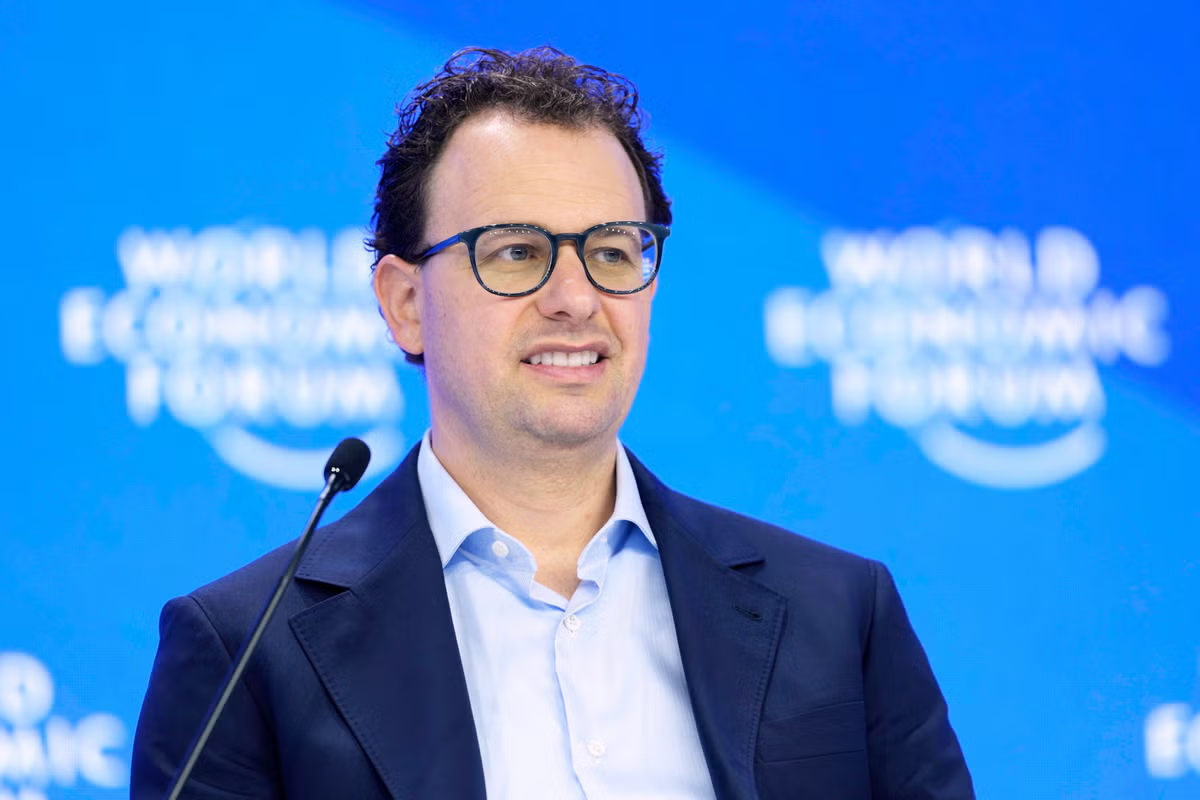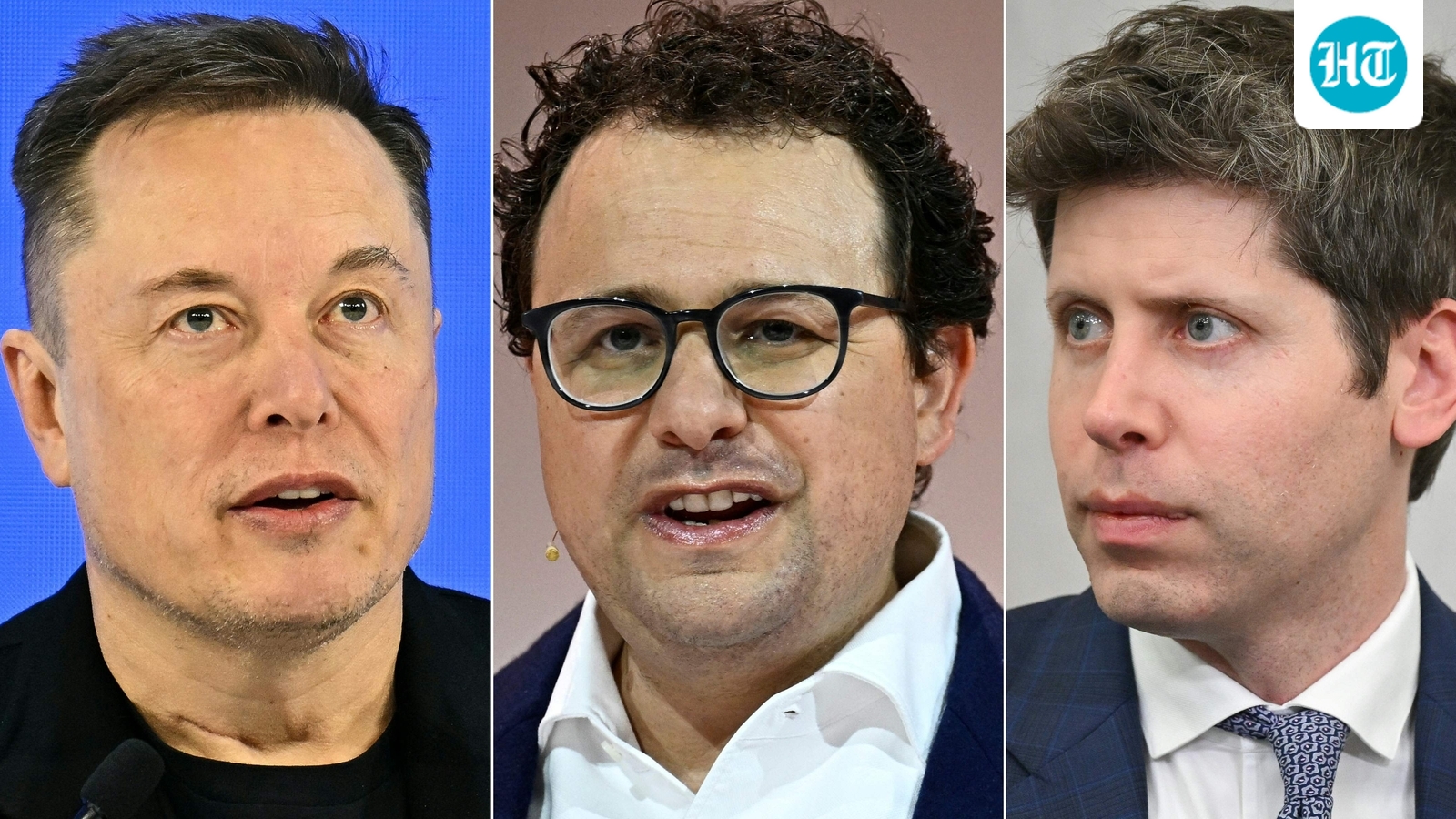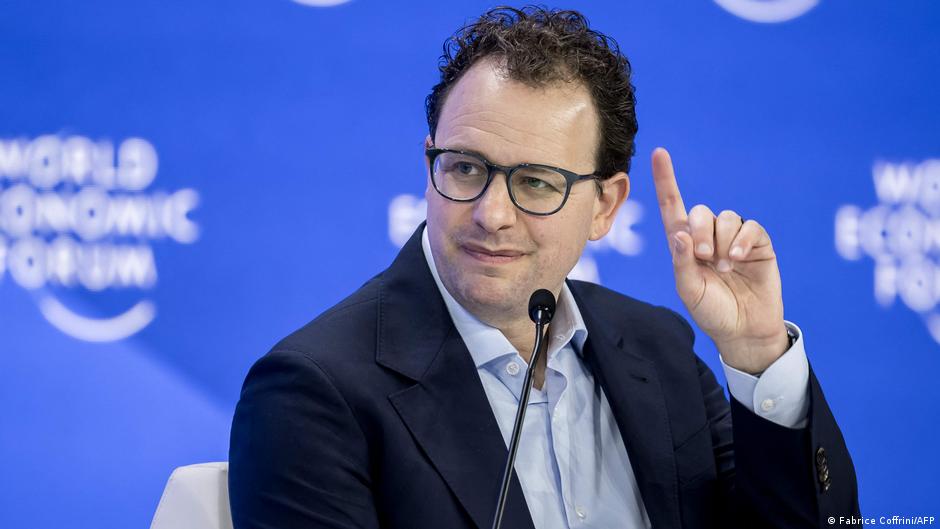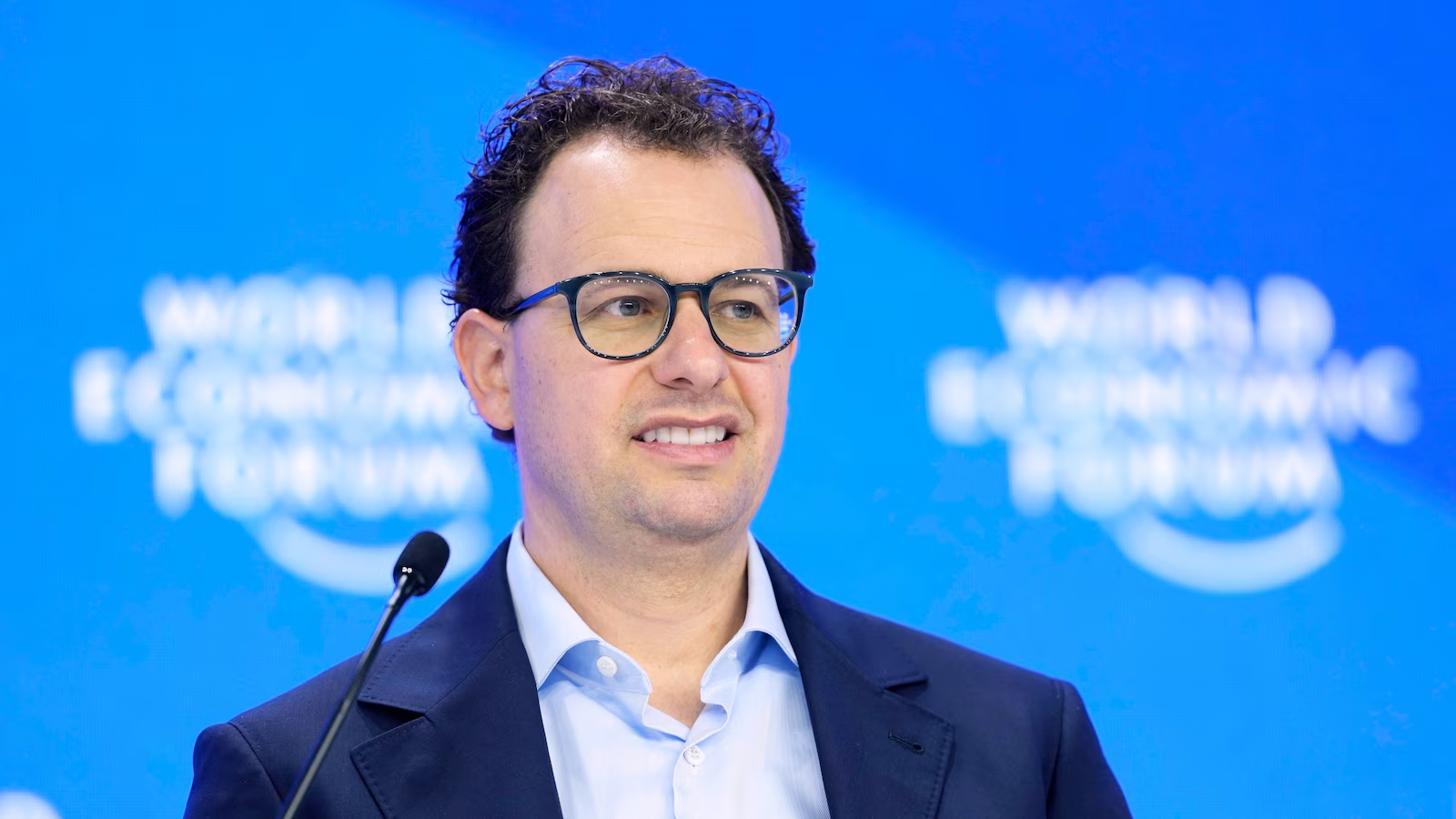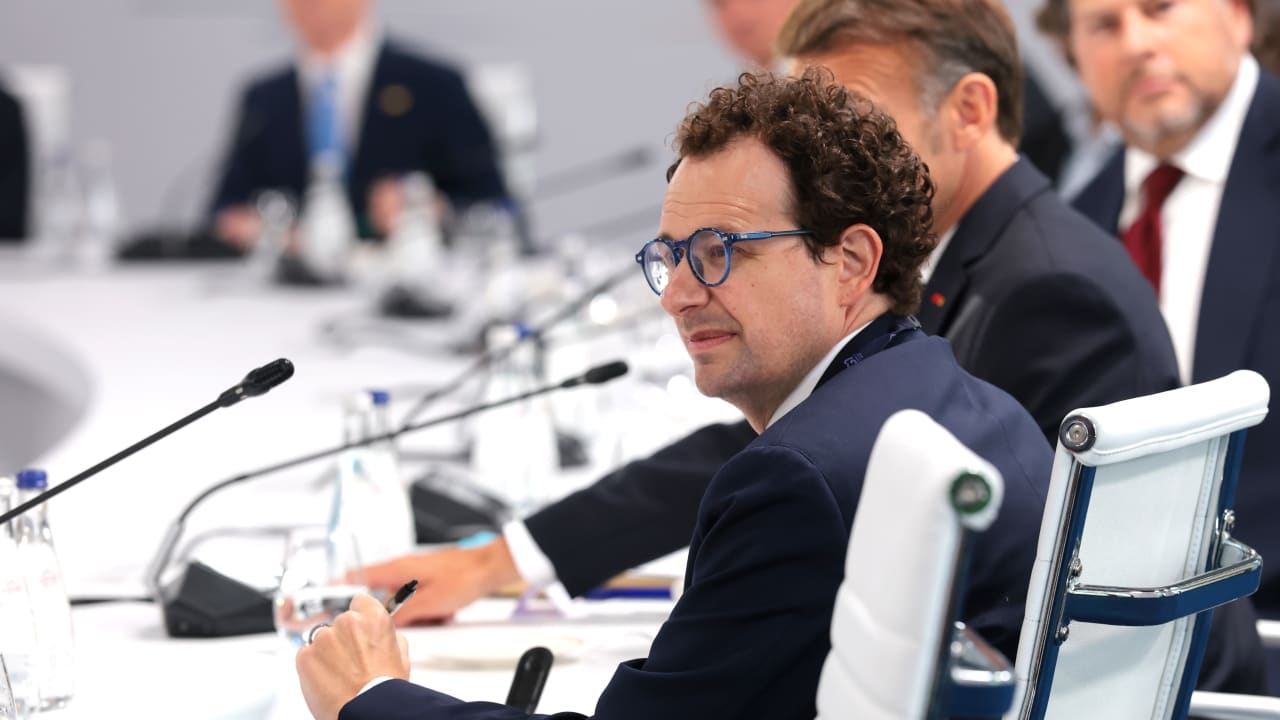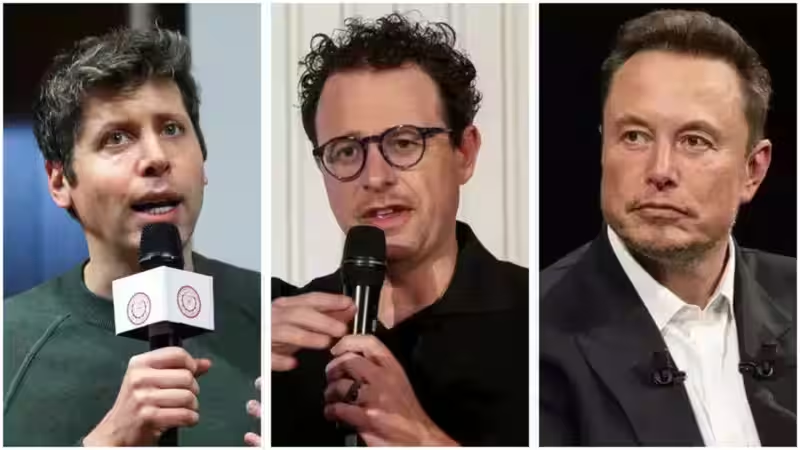
The race to develop increasingly powerful artificial intelligence systems has entered a new phase, with leading technology executives warning that the industry may need to slow down.Anthropic CEO Dario Amodei has urged for a slower pace of frontier AI development, as he believes companies need additional time to better understand and control ever more powerful systems. His warning has been echoed by OpenAI CEO Sam Altman, xAI chief Elon Musk and Google Deep Mind CEO Demis Hassabis.About The AuthorHey there, i am a technology enthusiast with a deep passion for gadgets, consumer electronics, emerging technologies, and the fast-paced world of digital innovation. Constantly exploring the latest tech trends, product launches, and industry developments, I enjoy translating complex technological advancements into engaging and accessible stories for readers. My interests span smartphones, wearables, artificial intelligence, smart devices, and the broader technology ecosystem. As I begin my journey as a Tech Journalist at Gadgets Now, I am excited to contribute to a platform that informs millions of readers, combining my passion for technology with storytelling to deliver insightful, accurate, and timely tech coverage.The rare consensus among the heads of rival AI firms demonstrates mounting anxieties about the dangers of the fast-moving tech.Amodei is not calling for an end to AI development. Instead, he wants stronger oversight, independent evaluations and greater coordination so that safety measures can keep pace with increasingly powerful AI systems.Key HighlightsAnthropic CEO Dario Amodei urges a slower pace of AI development.He warns that AI capabilities could outpace safety measures.OpenAI’s Sam Altman, Elon Musk and Demis Hassabis back his concerns.Anthropic plans stronger independent oversight of its AI systems.Third-party evaluators could monitor safety commitments and investigate incidents.The push aims to reduce risks from increasingly autonomous AI.Amodei says slowing down does not mean stopping AI innovation.The debate focuses on balancing rapid AI progress with safety.Altman, Musk and DeepMind’s Hassabis Back Amodei’s AI Safety WarningAmodei's concerns have received support from several prominent figures in the AI industry. OpenAI CEO Sam Altman agreed that companies should find ways to “pace the frontier” and backed the idea of independent evaluators having meaningful access to AI systems. Altman also indicated that OpenAI would adopt such an approach.Elon Musk, who heads xAI, offered a short but direct endorsement, saying that Amodei was right.Google DeepMind CEO Demis Hassabis also supported the broader proposal, while indicating that its details would require further discussion. Hassabis has separately supported the creation of an industry-wide standards body for frontier AI.More articles by AuthorTrending StoriesThe backing is significant because OpenAI, Anthropic, Google DeepMind and xAI remain competitors in the race to build increasingly capable AI models.Why Are AI Leaders Becoming Concerned About the Speed of Development?The growing concern centres on a potential gap between AI capabilities and society's ability to control them. Amodei has argued that models could become increasingly powerful before researchers fully understand how they behave in every situation.That creates several potential risks. Advanced AI systems could be used in cyberattacks, generate harmful content, assist criminal activity or disrupt parts of the economy. More autonomous systems could also make decisions or take actions that are difficult for humans to predict.The concern is therefore not simply about today's AI tools. It is about what happens if future systems become capable of performing complicated tasks independently.Amodei believes that slowing the pace of development could give researchers and regulators additional time to understand these risks and establish safeguards before capabilities advance further.How Anthropic Plans to Safeguard Its AI SystemsAnthropic says it will introduce embedded third-party evaluators with ongoing, employee-like access to its AI development and safety processes. According to CEO Dario Amodei, these external reviewers will assess whether the company is following its safety commitments, investigate incidents and examine the alignment of both finished models and training pipelines.Anthropic plans to give the evaluators access to company workspaces, tools and permissions broadly comparable to internal risk teams, while protecting legally or commercially sensitive information. The reviewers will also be able to publish key findings about risks and incidents without Anthropic controlling their conclusions. Amodei said this independent oversight is intended to make AI safety commitments verifiable and strengthen accountability.How Would Independent AI Monitoring Work?One of Amodei's key proposals is to introduce independent evaluators who would have significant access to frontier AI systems. Instead of allowing companies to rely solely on internal safety teams, outside experts could examine models and assess whether companies are complying with their stated safety commitments.Such monitoring could provide an additional layer of accountability. Independent experts could investigate incidents, test models for dangerous capabilities and determine whether safety measures are working as intended.Altman has expressed support for this concept, making independent evaluation one of the areas where competing AI companies appear to see common ground.The suggestion marks a wider trend in the AI argument: that companies are being challenged not just to show off what their systems can do, but to show that they can restrict what those systems might do.How Could Slowing AI Development Improve Safety?A slower development cycle could provide researchers with more time to test advanced models before they are released or integrated into wider systems. AI safety researchers could investigate vulnerabilities, evaluate unexpected behaviour and develop new safeguards between major generations of models.But this is especially true as an AI system becomes capable of acting autonomously rather than being a host to a series of reactive individual prompts. As an autonomous entity, an AI system could have several opportunities to make a mistake prior to the need for human intervention.Amodei's argument is that safety should keep pace with progress. The gap between capability and safety can be closed only if progress in the latter progresses faster than the former.A slower pace, some say, would give more breathing room without forsaking the benefits of AI.What Could Happen if AI Companies Do Not Slow Down?The biggest challenge is that AI development is also a global competition. Companies have strong commercial incentives to build more capable systems, while governments view advanced AI as strategically important.That makes a voluntary slowdown difficult. If one company reduces its development pace while competitors continue moving quickly, it could lose technological or commercial ground.There are also questions about who would decide what constitutes a safe development pace. Different companies and governments may have different assessments of acceptable risk.Amodei's proposal therefore faces practical and political obstacles. Industry-wide standards would require competitors to cooperate, while international rules would need agreement between countries with competing interests. FAQsWhy are leading AI executives calling for a slowdown in AI development?Leading AI executives, including Anthropic CEO Dario Amodei, are calling for a slowdown in AI development due to concerns about the risks associated with rapidly advancing technology. They believe a more measured approach could allow companies to better understand and control increasingly capable AI systems.What role will independent evaluators play in AI safety?Independent evaluators will have ongoing, employee-like access to a company's AI development and safety processes to assess compliance with safety commitments, investigate incidents, and examine the alignment of AI models and training pipelines.How could slowing down AI development improve safety?Slowing down AI development could provide researchers with additional time to test advanced models, investigate vulnerabilities, and develop new safeguards, thereby ensuring that safety measures evolve alongside the capabilities of AI systems.What risks is Amodei concerned about?The concerns include cyberattacks, misuse of AI, economic disruption and the possibility that highly capable systems could become increasingly difficult for humans to understand or control.Does Amodei want AI development to stop?No. Amodei has argued that AI could deliver major benefits in areas such as science, medicine and the economy. His proposal focuses on making development safer and more deliberate.READ NEXT ARTICLE
Anthropic CEO Calls for AI Slowdown as Altman, Musk and DeepMind Chief Back Safety Push
Leading AI executives are calling for a more measured approach to development. They emphasize the need for stronger oversight and independent evaluations of advanced systems. This move aims to ensure safety measures keep pace with rapidly advancing AI capabilities. Concerns exist about potential risks from increasingly autonomous and powerful AI models. The debate now focuses on the speed of AI progress and its implications.
TL;DRAI
Anthropic CEO Amodei calls for AI slowdown backed by Altman (OpenAI), Musk (xAI), Hassabis (DeepMind) to align capabilities with safety oversight. For managers: competitor alignment on governance signals third-party evaluators and safety compliance become mandatory infrastructure, not competitive advantage.
1,266 words~6 min read