Get the latest news and updates from Dawn
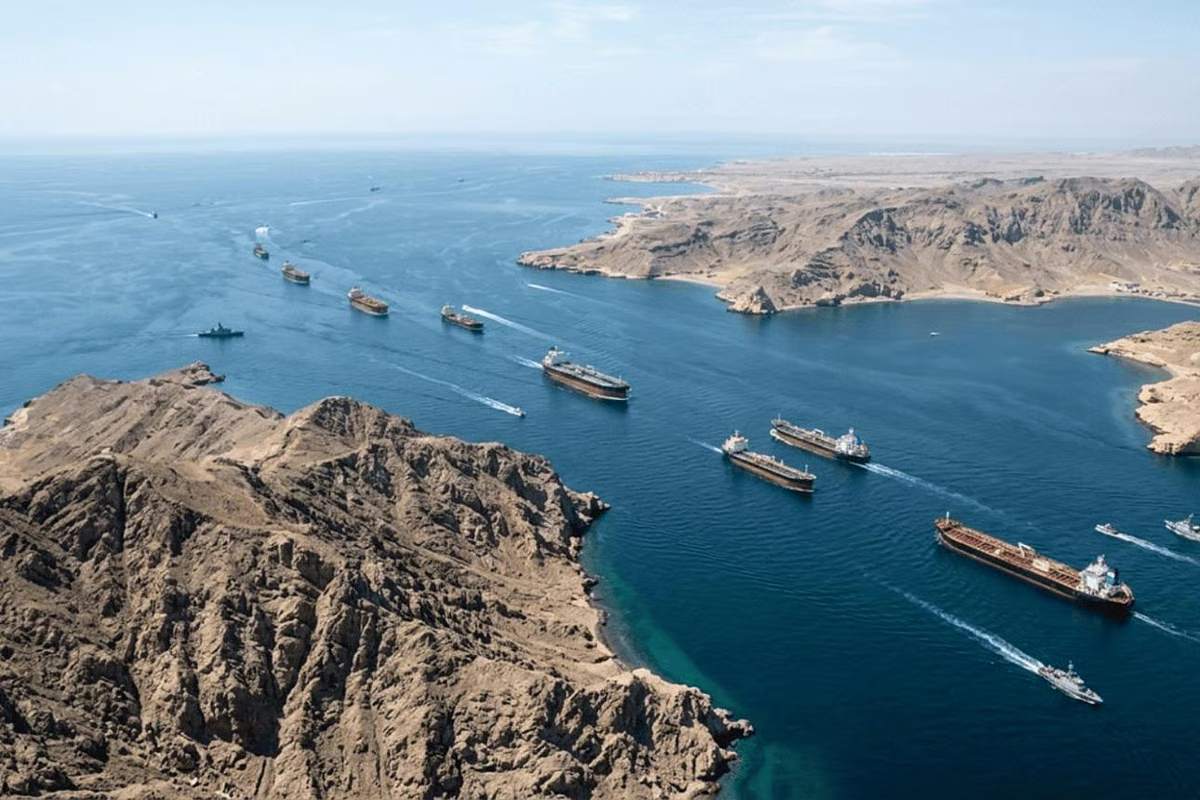
Strain is growing on the global energy markets. While the energy world already faces a significant reduction in oil flows through the Strait of Hormuz, recent disruptions to shipments via Bab al-Mandab in the Red Sea are adding to the markets’ woes.
Approximately 12 to 15 per cent of global maritime trade worth more than $1 trillion transits through the waterway, extending from the Suez Canal in the north to the Bab el-Mandeb Strait in the south, each year. All of that is now under threat. Faced with this double whammy, crude supplies from the Middle East are under even more pressure.
A major new risk has emerged on this Red Sea and Bab el-Mandeb corridor. Iran-supported Houthi forces seized Yemen’s port of Mocha, increasing concerns that Gulf and Red Sea shipping routes could be constrained simultaneously.
Due to the blockage of the Strait of Hormuz, Saudi Arabia, the world’s top crude oil exporter, was using the Bab al-Mandeb to export most of its crude from its west coast shipping terminal on the Red Sea coast in Yanbu. This strait links Asia to Europe via the Red Sea and Suez Canal.