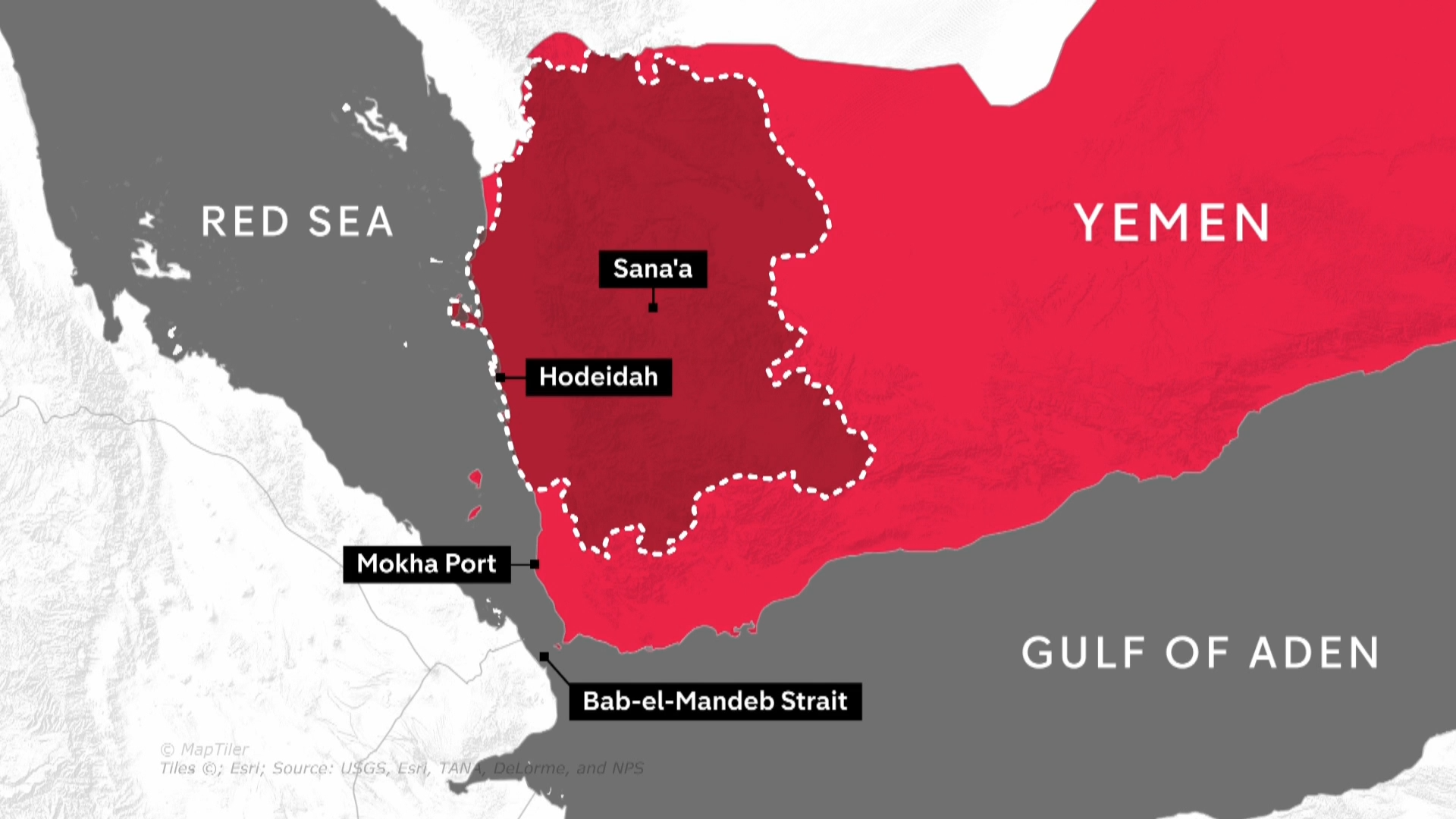
Yemen’s escalating instability, exacerbated by the ongoing conflict between the Iran-backed Houthi movement and the Saudi-backed government, poses significant risks to global energy supplies. This development complicates diplomatic efforts for a peaceful resolution in the region, especially in light of the U.S. conflict with Iran. Recent military activity, including the Houthi movement’s advance towards the strategic Bab al-Mandeb strait, has heightened concerns over potential disruptions to vital shipping lanes. The fragile truce in Yemen, brokered by the UN in 2022, appears increasingly vulnerable as tensions rise, potentially impacting diplomatic dynamics between the U.S. and Iran.
Key Takeaways
Yemen’s instability appears to complicate diplomatic efforts between the U.S. and Iran, suggesting lower odds for successful peace talks.
The increased risk to energy supplies is consistent with market views that WTI crude oil prices could exceed $150 in September 2026.
The likelihood of a U.S.-Iran deal, particularly concerning reconstruction funding, appears diminished amid the regional instability.