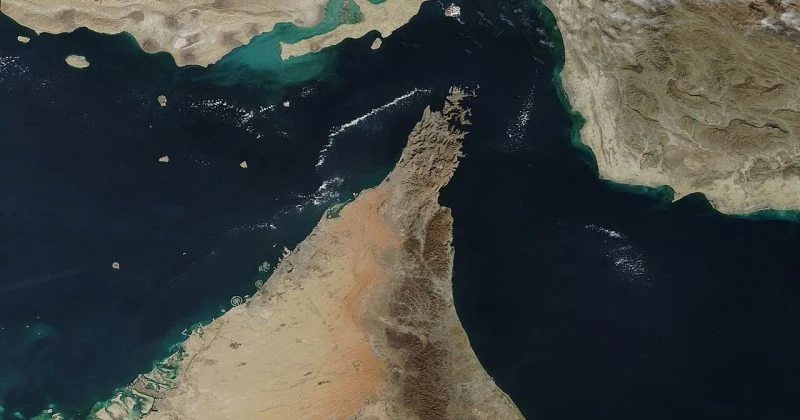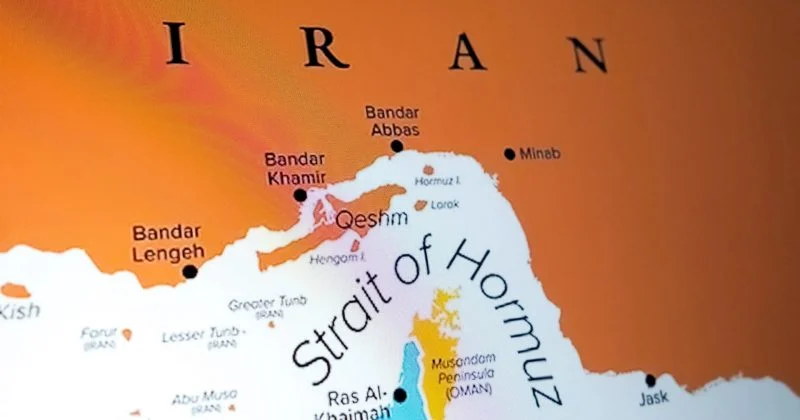
Oil markets are transitioning from managing immediate disruptions to addressing long-term challenges as geopolitical tensions persist following recent U.S.-Iran strikes. Brent crude and U.S. West Texas Intermediate (WTI), the two primary global oil benchmarks, have experienced significant price increases following these events. Brent crude was recently reported at $101.21 per barrel, while WTI stood at $96.05, reflecting the highest levels since late May. This price elevation is attributed to reduced oil flows through the Strait of Hormuz, a critical artery for global oil transportation, which has been affected by tanker attacks and military activities in the region.
The current market scenario suggests a sustained period of uncertainty, with potential implications for oil pricing. The market for crude oil reaching a new all-time high by September 30 is priced at 3.4% YES, a slight increase from 2% a week ago. The December 31 market shows a more pronounced expectation, with a 13.5% YES probability. This indicates that market participants may see the extended geopolitical situation as supportive of higher oil prices in the longer term, particularly as supply disruptions continue to loom over market dynamics.