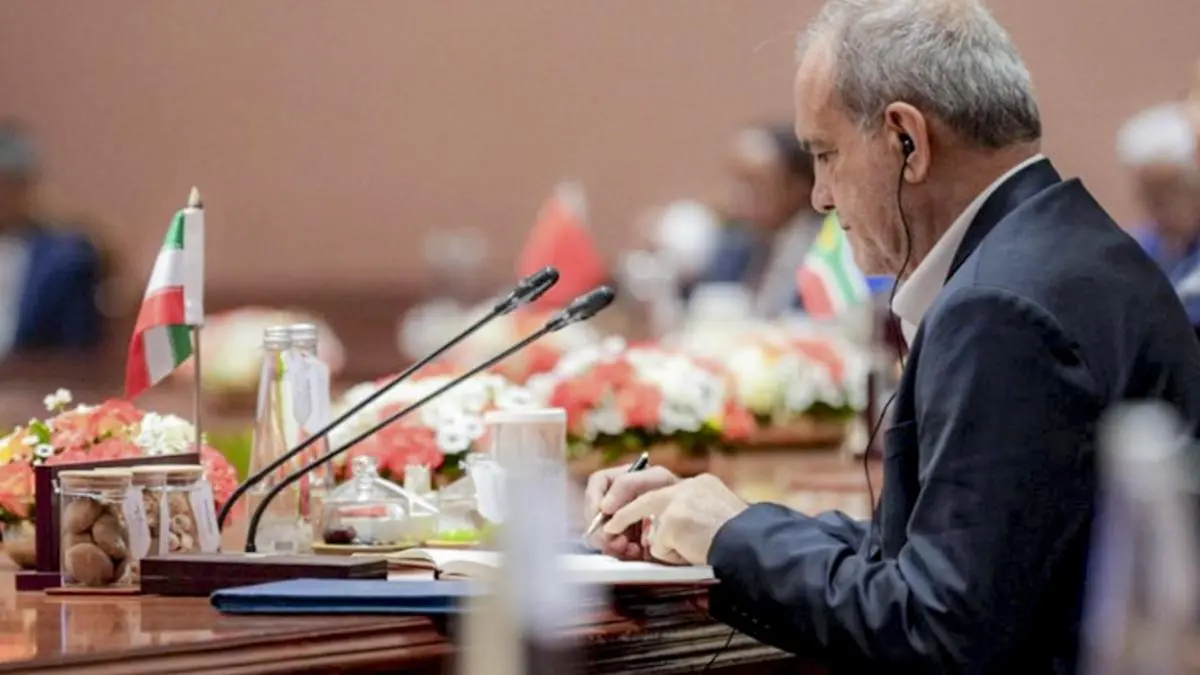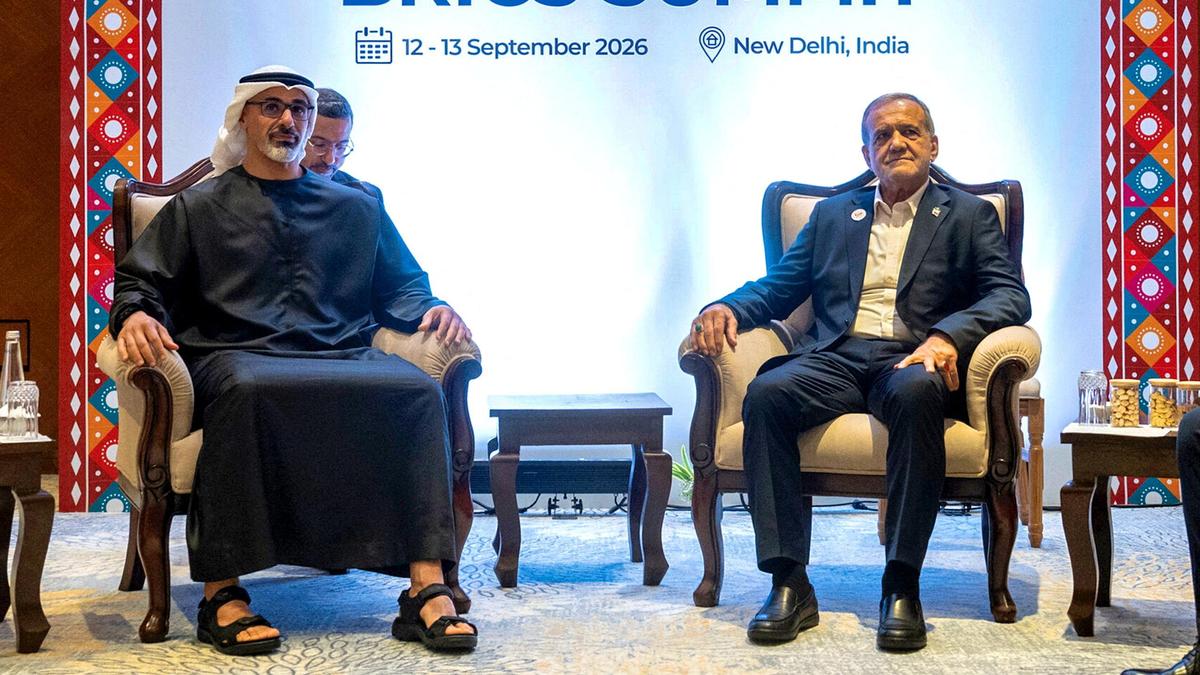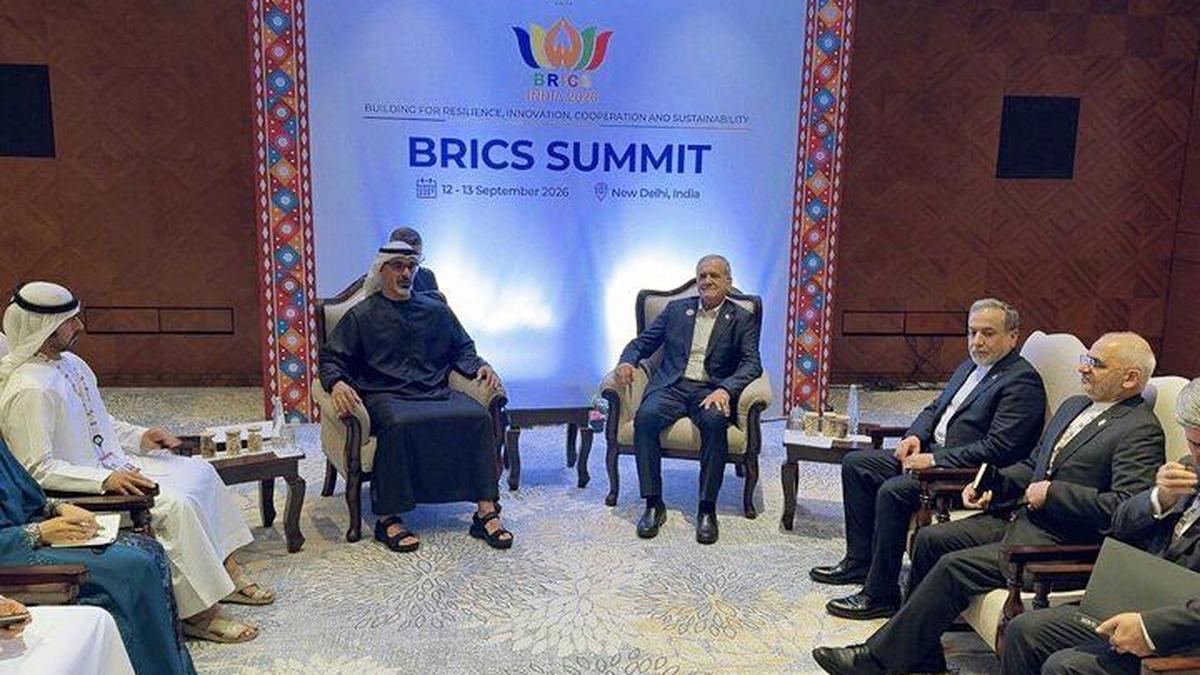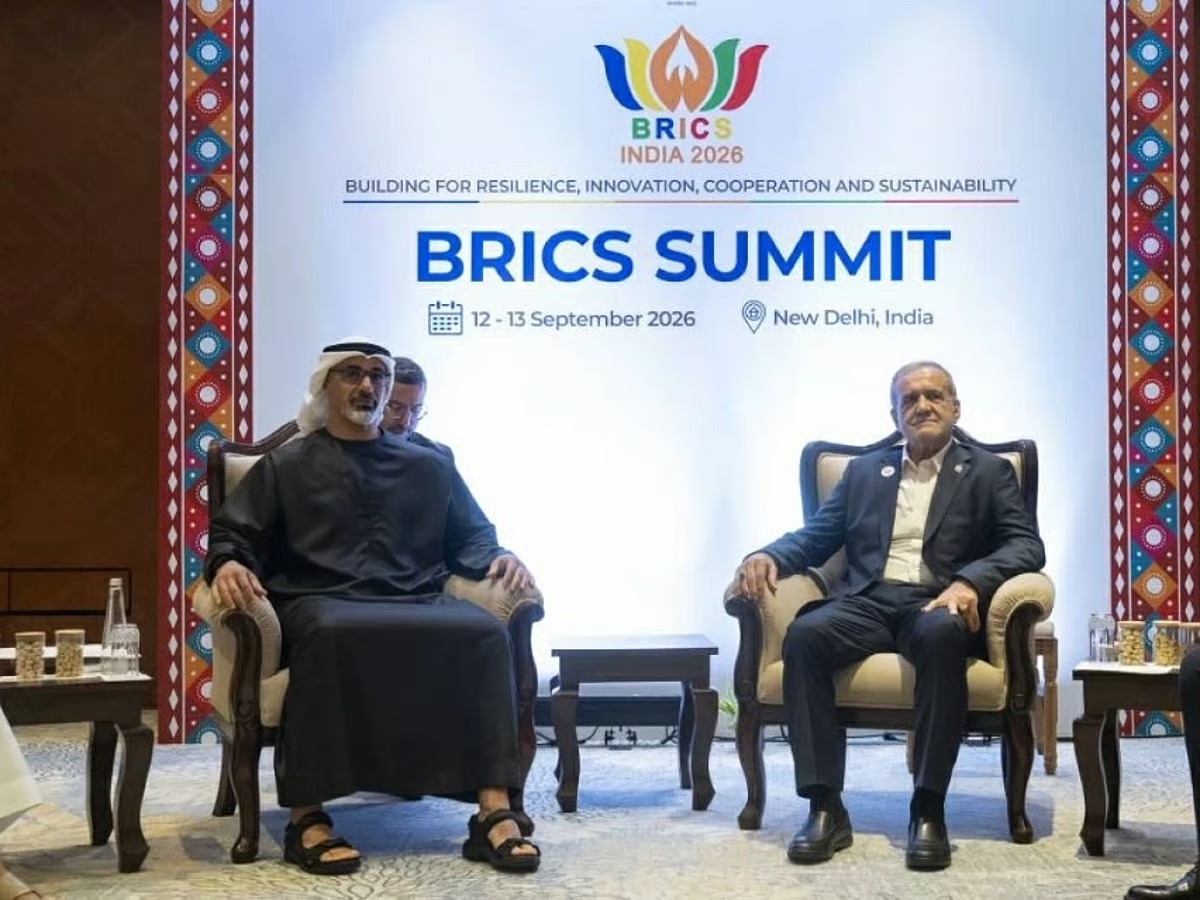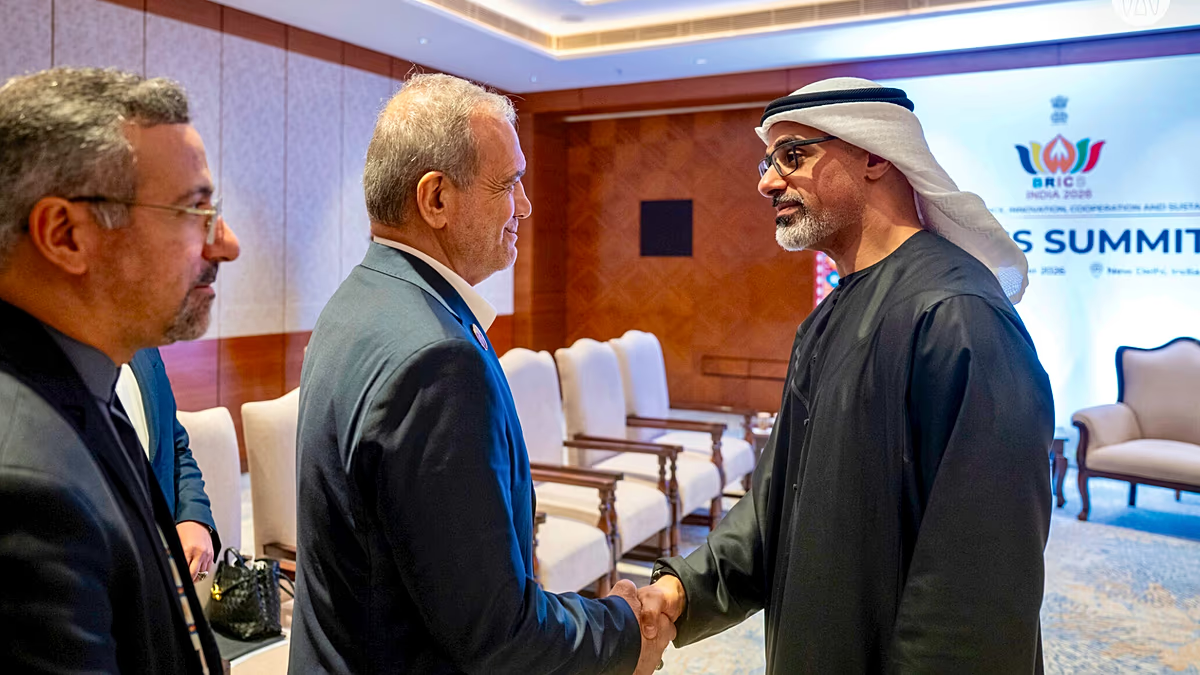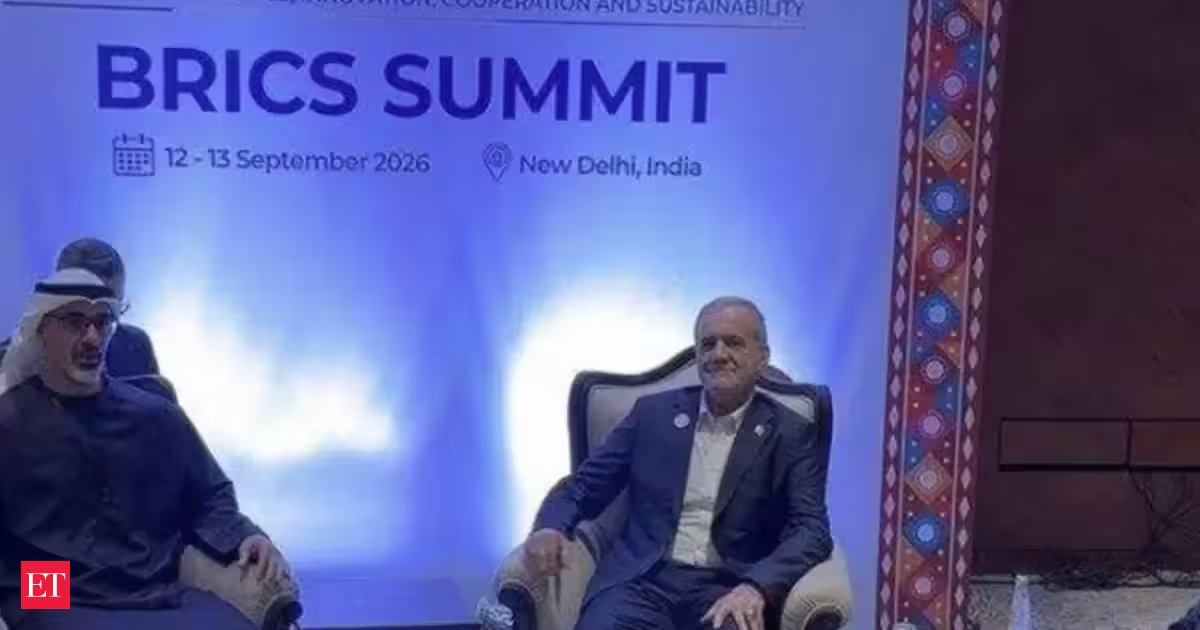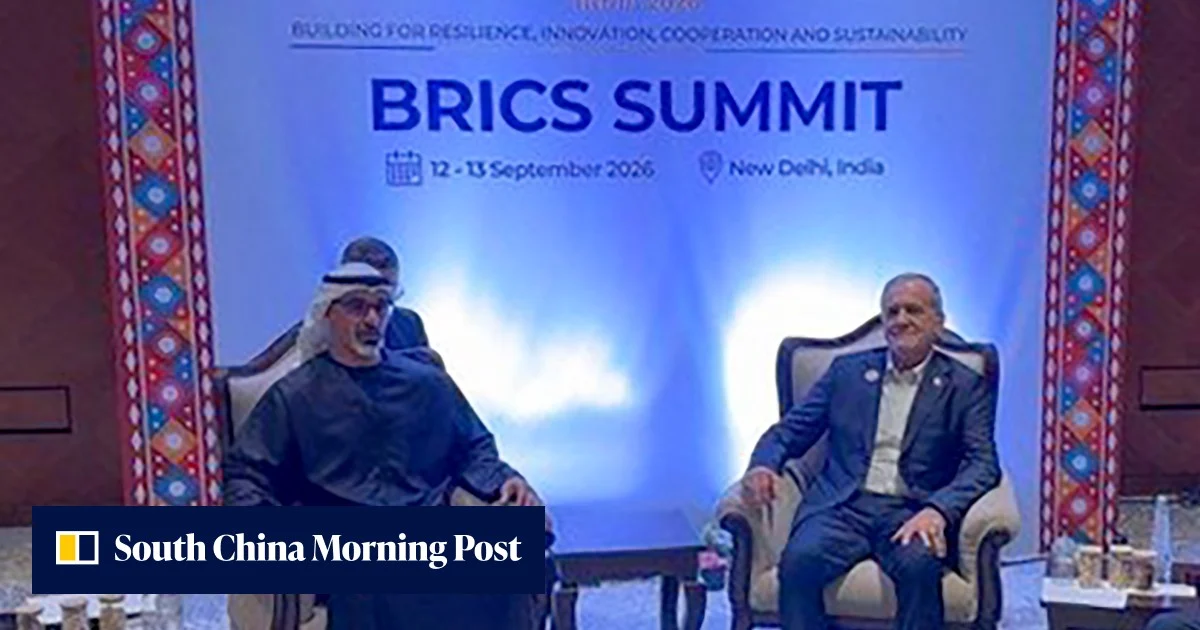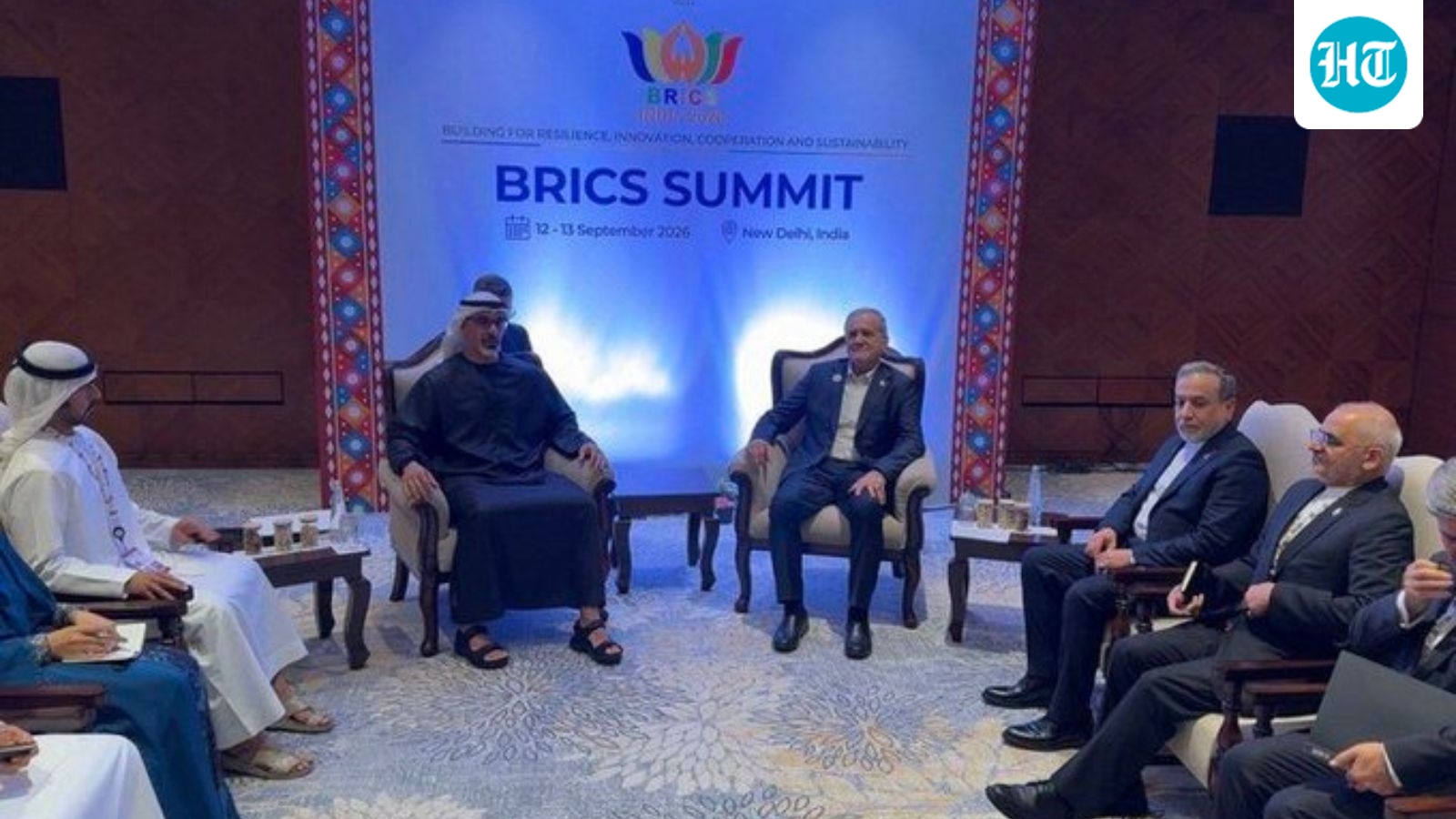
Abu Dhabi Crown Prince Sheikh Khaled bin Mohamed bin Zayed Al Nahyan sat down with Iranian President Masoud Pezeshkian on the sidelines of the 18th BRICS Summit in New Delhi on September 12, marking the most significant diplomatic contact between the UAE and Iran since their relationship cratered earlier this year.
The central topic: how to keep ships moving through the Strait of Hormuz, a narrow waterway that happens to be the single most consequential bottleneck in global energy markets.
Why Hormuz matters more than almost any other waterway
The Strait of Hormuz sits between Iran and the Arabian Peninsula, connecting the Persian Gulf to the open ocean. Roughly one-fifth of the world’s oil supply passes through it on any given day, along with a massive share of global liquefied natural gas exports.
Earlier in 2026, the broader US-Iran conflict escalated sharply, with Iranian missile and drone attacks affecting UAE infrastructure and disrupting maritime operations in and around the strait.