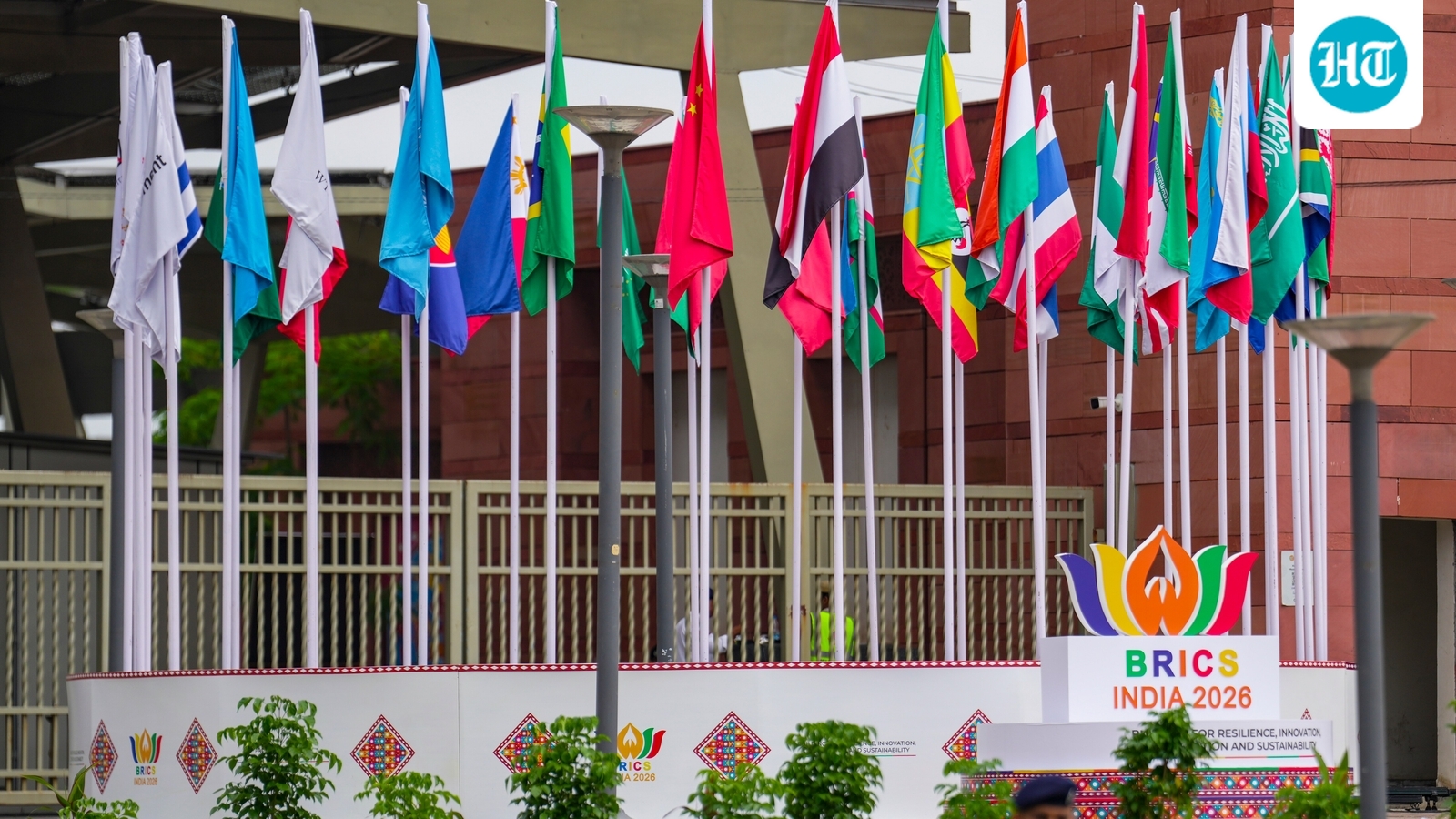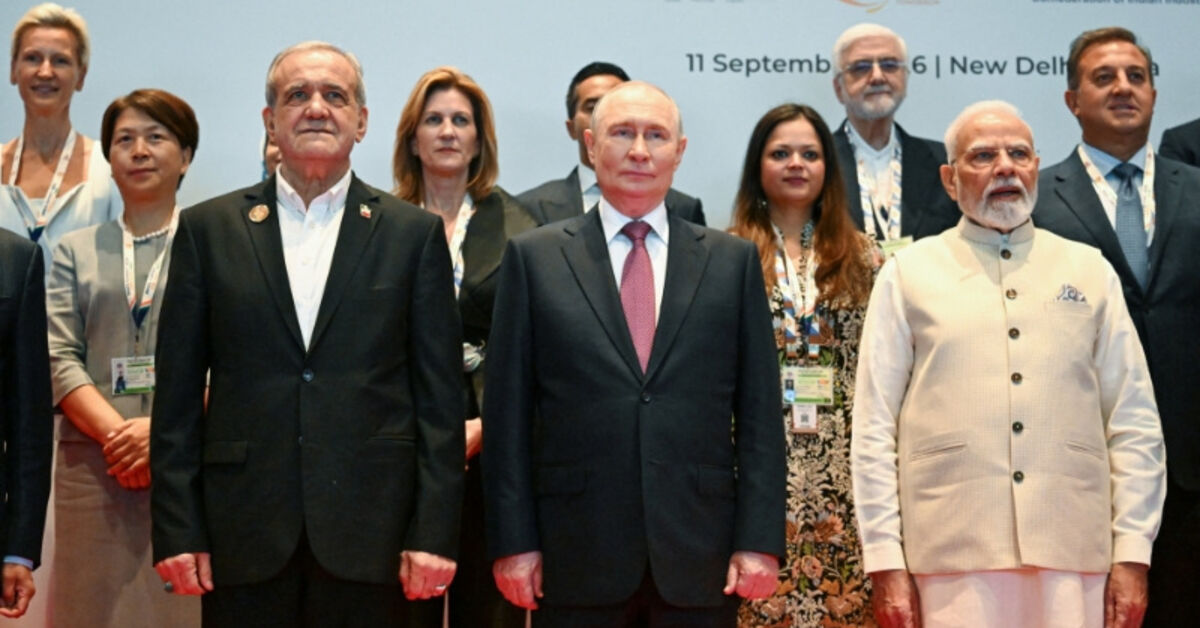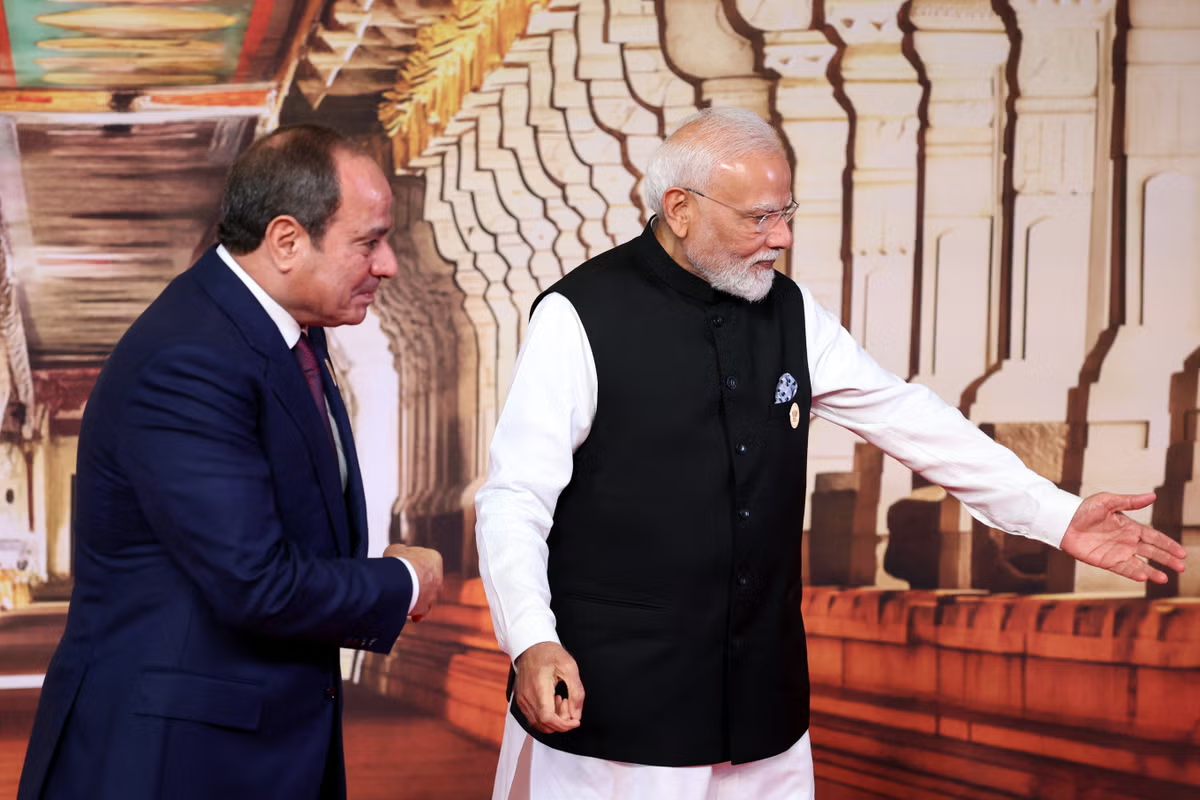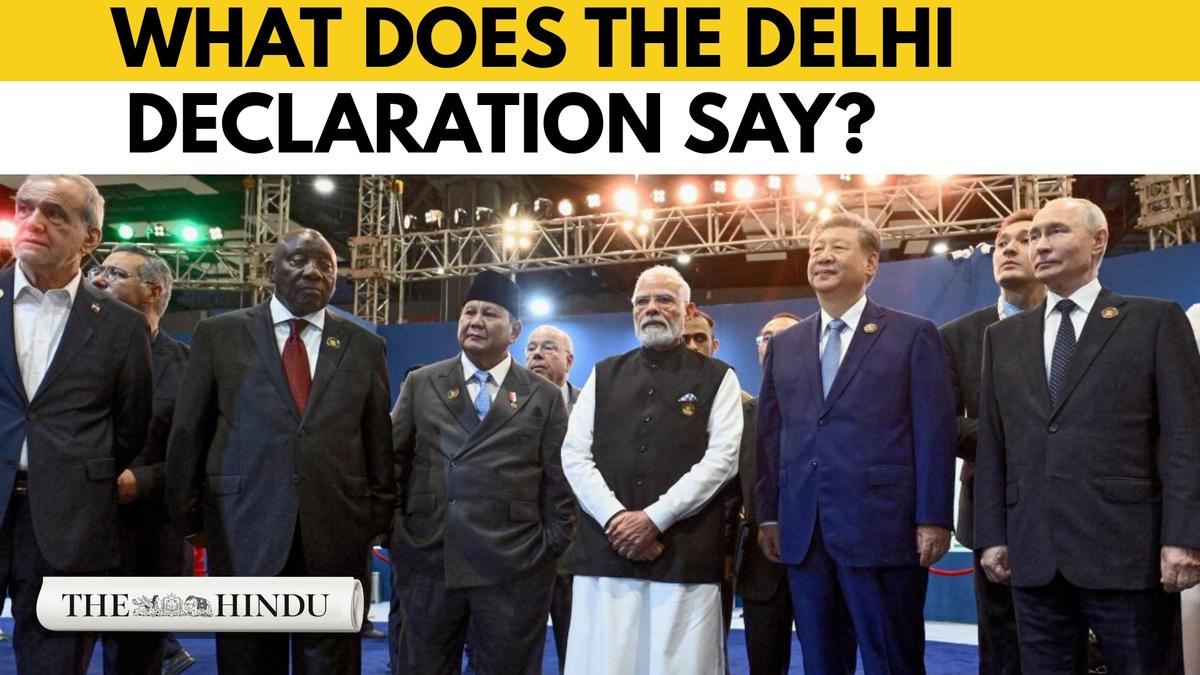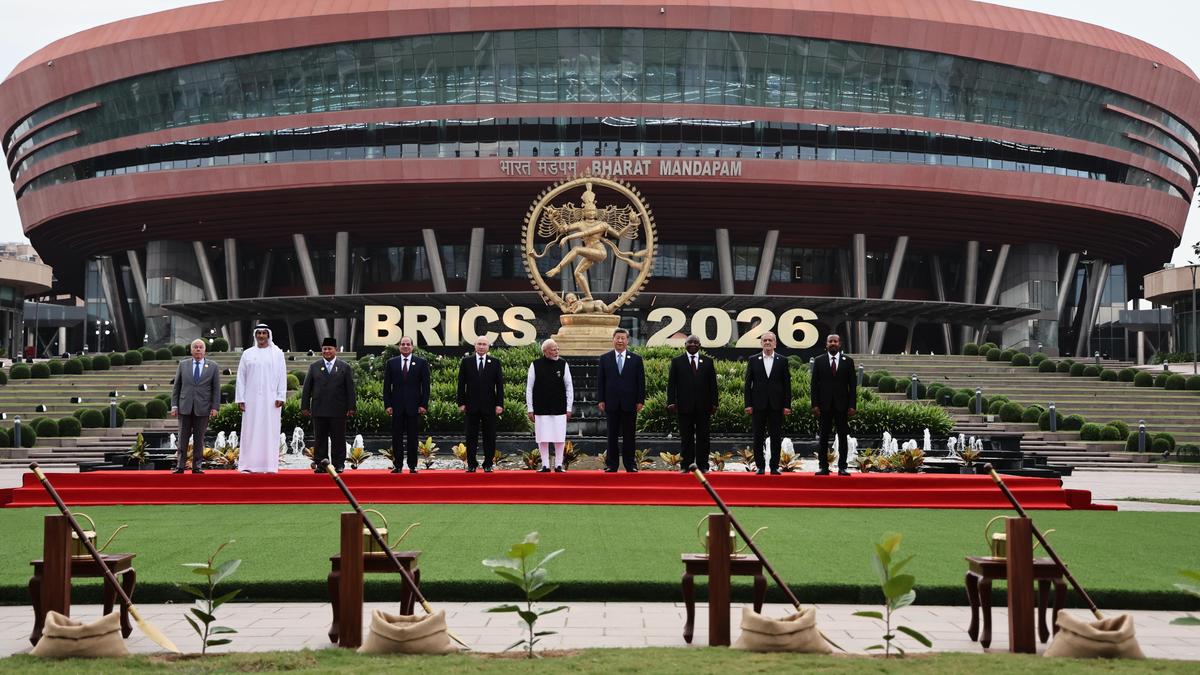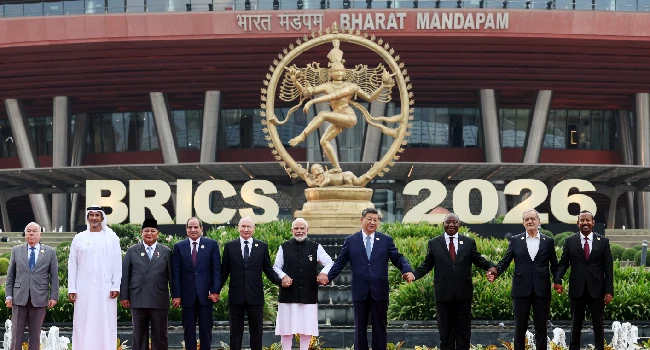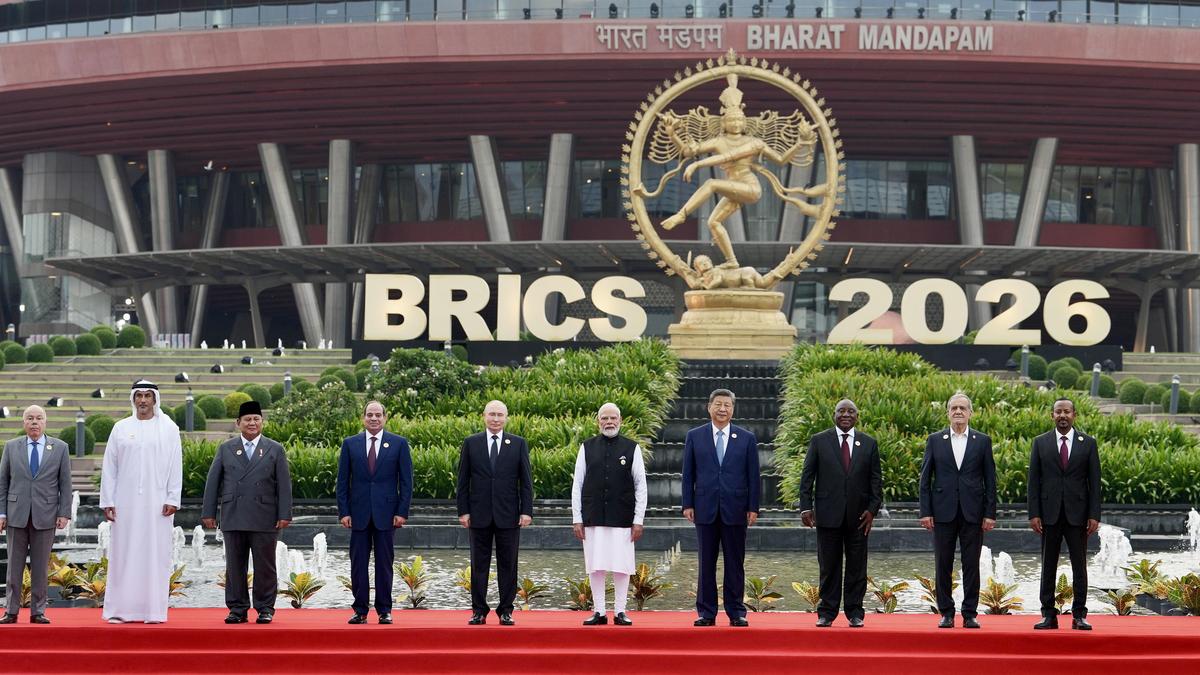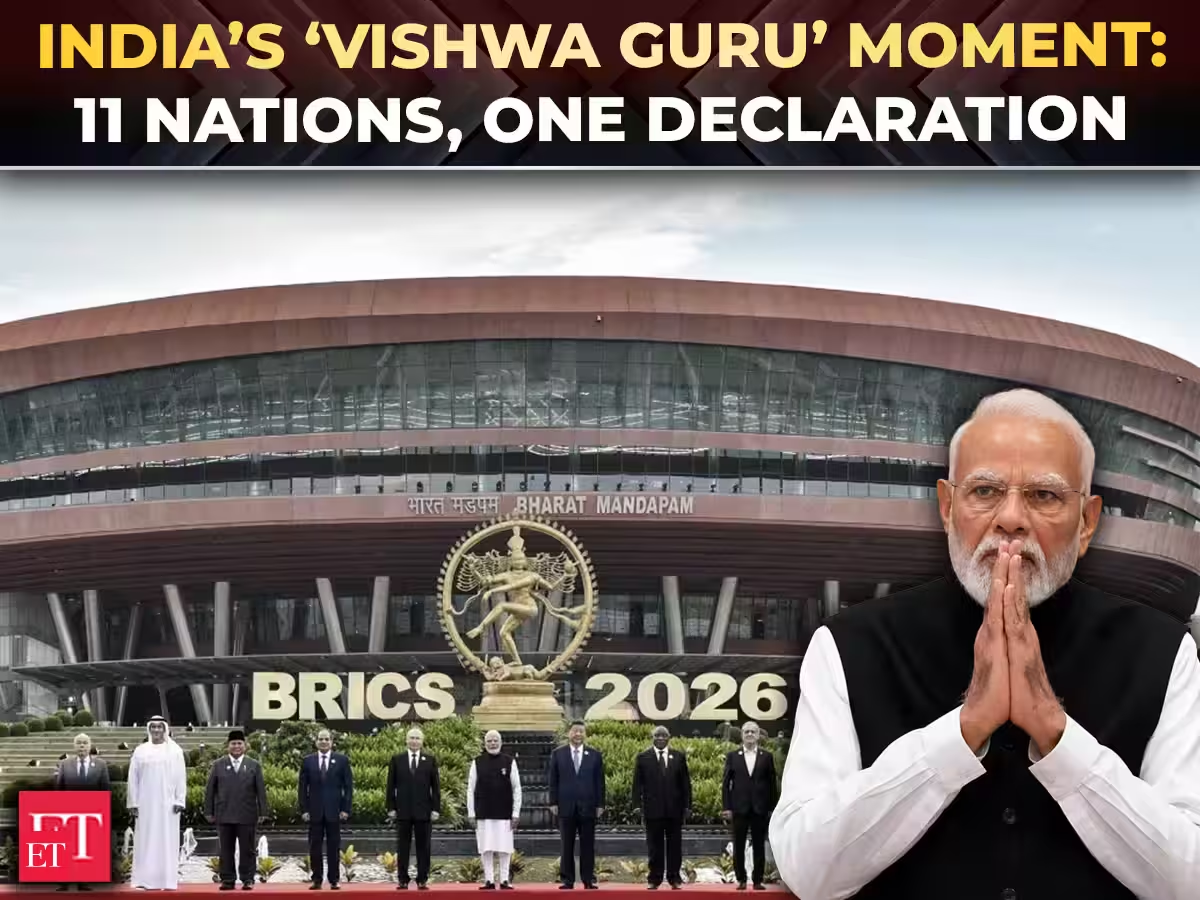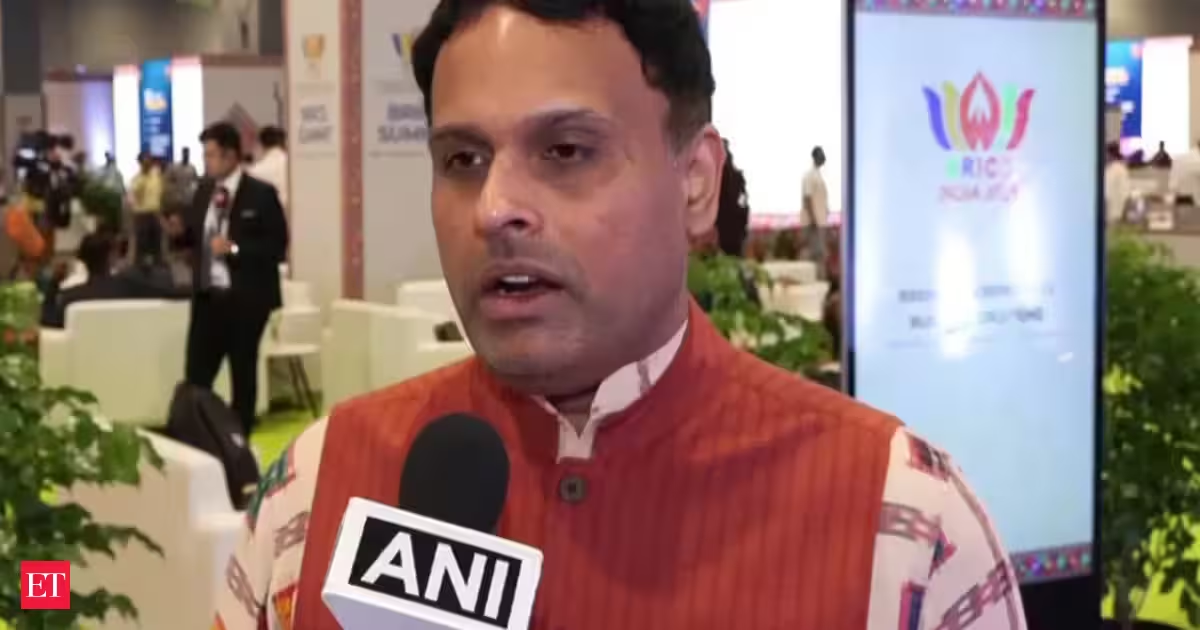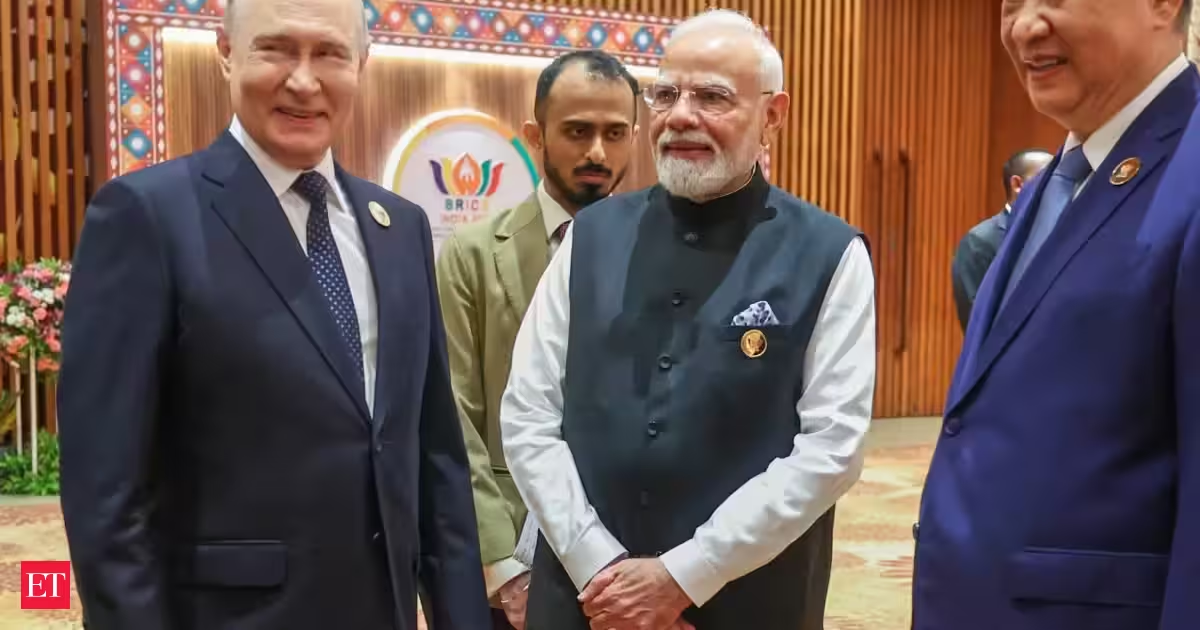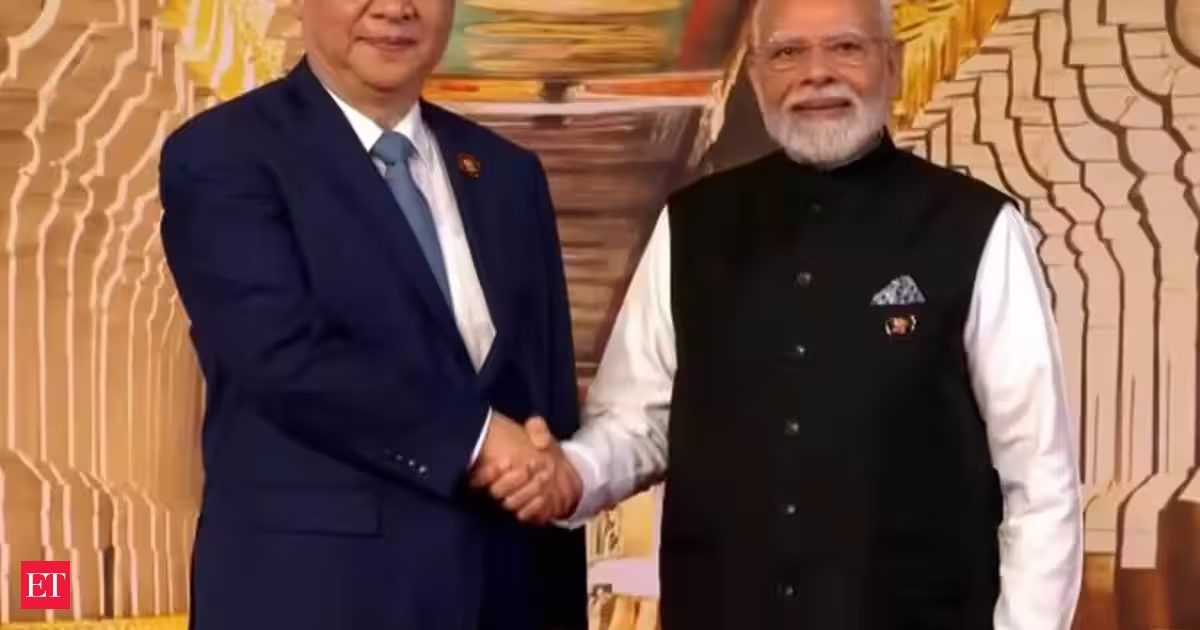
New Delhi: From a Chinese global television network to an Indonesian news portal, several foreign journalists covering the BRICS Summit in India, welcomed the consensus New Delhi Declaration, some terming it a "breakthrough" while others describing it as a "good move".India is hosting the BRICS Summit at the sprawling Bharat Mandpam in central Delhi on September 12-13, which is being attended by Chinese President Xi Jinping, Russian President Vladimir Putin and several other heads of state, among other top dignitaries.A large number of foreign journalists from several countries, including China, Russia, South Africa, Kazakhstan, Indonesia, Saudi Arabia, Egypt, among others, have converged in the national capital for covering the mega Summit at the Bharat Mandapam complex.Read all BRICS related stories hereBetween filing their reports for newspapers or TV channels, a cross-section of these mediapersons spoke to PTI on their experience of covering the 18th BRICS Summit under India's Chairship and their views on the New Delhi Declaration.In a major diplomatic victory for India, the BRICS grouping adopted a consensus joint declaration on Saturday after overcoming sharp differences between the United Arab Emirates and Iran regarding the West Asia conflict, but skipped any direct mention of the US strikes on Iran or the Iranian military's attacks on several Gulf Arab nations.Huang Yue, a reporter, is part of the 12-member team from Beijing-headquartered China Global Television Network (CGTN), who has closely watched the Summit, moreso as Chinese President Xi Jinping is attending it. He last visited India in 2019.Read more: BRICS must move ‘from files to real life impact’, PM Modi says as New Delhi summit ends"The New Delhi Declaration is a long list. From my perspective, the key takeaways are in three areas. First is global governance. The BRICS partner countries are major voices of the Global South, so it's important for Global South countries to work together, to contribute to development of developing countries, especially under the current circumstances of global uncertainties," she told PTI at the International Media Centre hosted at the Summit venue.The second one is promoting peace, which has come out of the declaration, as BRICS leaders have raised concern over the conflict happening in West Asia, and "called for relevant parties to exercise restraint" and to promote dialogue and use diplomatic ways to resolve these conflicts, the Chinese journalist added.And the third one is "practical cooperation," Huang said, and cited the instance of the New Development Bank, saying, even though "some parts of the world is under turbulence", BRICS countries with the support of the NDB is providing financing to developing countries.On the bilateral meeting between President Xi and Prime Minister Narendra Modi on Saturday evening on the on the sidelines of the Summit, she said, "I think after the meeting between them in New Delhi, the bilateral relations will become more close."PM Modi on Saturday conveyed to President Xi that peace and tranquillity along the frontier remains "essential" basis for development of India-China relations, even as the two leaders welcomed "steady progress" in the bilateral ties.BRICS, comprising Brazil, Russia, India, China and South Africa, expanded in 2024 to include Egypt, Ethiopia, Iran, the UAE and Saudi Arabia, with Indonesia joining in 2025.Belarus, Bolivia, Kazakhstan, Cuba, Malaysia, Nigeria, Thailand, Uganda, Uzbekistan and Vietnam became BRICS partner countries last year.Egyptian journalist Amina Zaki, who writes on foreign affairs at Al Dostor newspaper, described the declaration as a "breakthrough", and said all members succeeded in reaching a consensus.She said Iran and the UAE were at the same table at the Summit, and hence, this consensus being reached is very significant."Also, the message was very clear, BRICS leaders reject all kinds of terrorism, without double standards," she said.BRICS in its Leaders' declaration also fully backed India's call for zero tolerance towards any form of terrorism and shunning double standards in countering the menace as the top leaders of the influential grouping agreed to have a concerted approach in dealing with the challenge.The grouping also condemned in the "strongest terms" the Pahalgam terror attack in Jammu and Kashmir last year that killed 26 people.The Cairo-based journalist said the declaration assumes significance, as the US-Iran war is undermining stability in the Middle East and the stability of the global economy.Zaki underlined that BRICS isn't just a political network, it is an "important voice for the Global South", and the Global South need more attention.Egyptian President Abdel Fattah El-Sisi and Indonesian President Prabowo Subianto and Malaysian Prime Minister Anwar Ibrahim are also among the leaders who attended the two-day Summit.Indonesian journalist Fahri Zulfikar, who works for a news portal, is also in New Delhi to cover the Summit."The declaration, achieved through consensus is a good move. While it touches various aspects, including the conflict in West Asia, and unilateral sanctions, among other key issues, I feel it doesn't offer concrete solutions as such, but it is a good move," Zulfikar told PTI.A native and resident of Yogyakarta, he also recalled Prime Minister Modi's visit to this region during his official tour to Indonesia in July 2026.He also hoped that sometime in the future, Indonesia will also host the BRICS Summit.Malaysian journalist Azura Abas, who works at Sun Media Corporation, described the New Delhi Declaration as a "very comprehensive" document that touches "a lot of areas".One of the points mentioned in the declaration says that BRICS leaders expressed concern about illicit financial flows, including financing of terrorism, trafficking of firearms, trafficking of persons, the laundering of drug-related crimes proceeds, financial fraud through organised crimes and circumvention of domestic regulatory frameworks that have an adverse impact on economic stability, sustainable development and the integrity of the international financial system, she said.BRICS has emerged as an influential grouping as it brings together 11 major emerging economies of the world, representing around 49.5 per cent of the global population, around 40 per cent of the global GDP and around 26 per cent of the global trade.The year 2026 also marks a milestone as BRICS completes 20 years since its establishment.
'Breakthrough', 'good move': Several foreign journalists covering BRICS Summit welcome New Delhi Declaration
Foreign journalists covering the BRICS Summit in Delhi welcomed the New Delhi Declaration. Some called the consensus document a breakthrough while others described it as a good move. The declaration addressed global governance and promoting peace through dialogue and diplomacy. It also highlighted practical cooperation and the role of the New Development Bank. BRICS leaders also condemned terrorism and backed India's call for zero tolerance.
994 words~5 min read