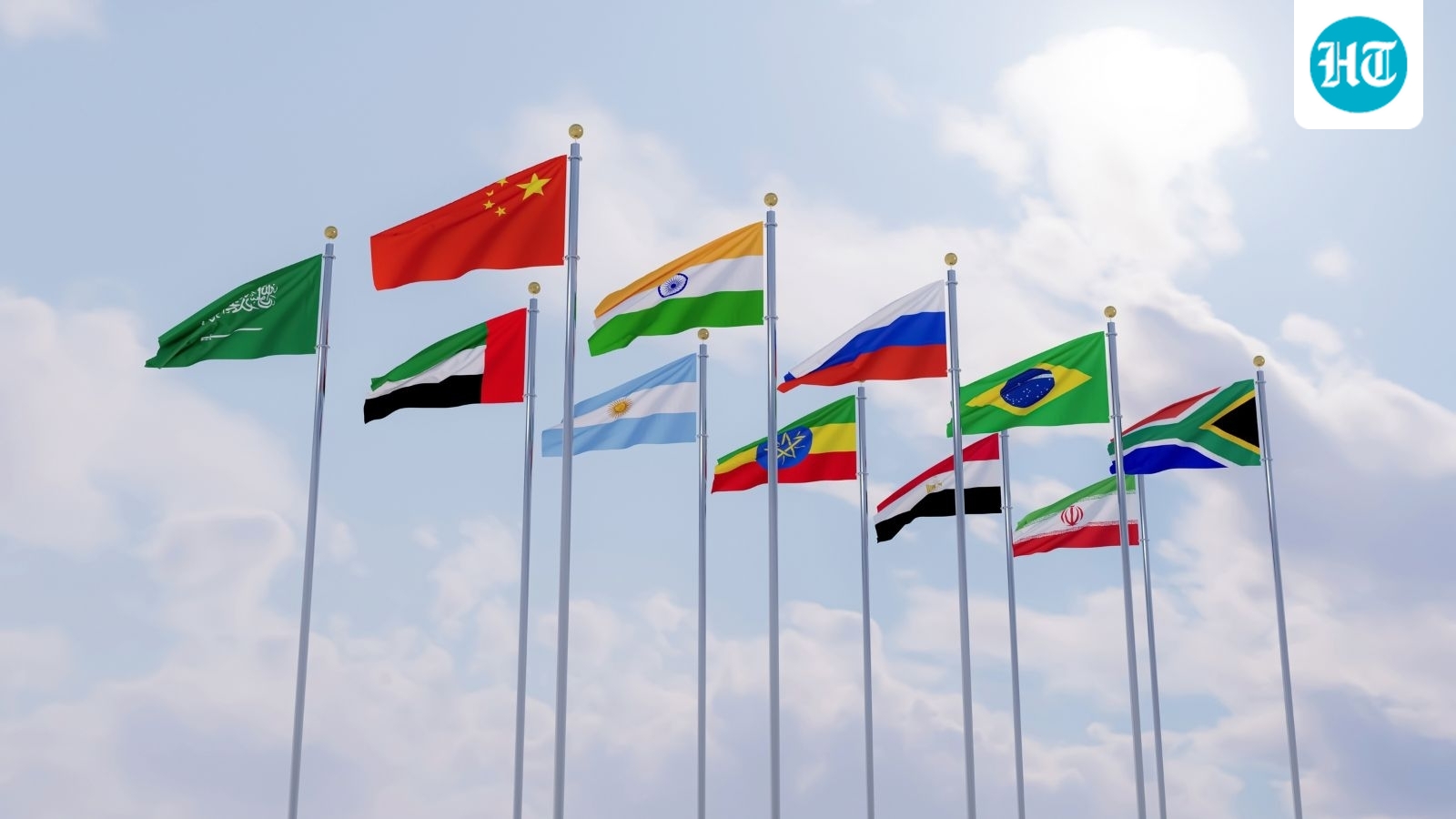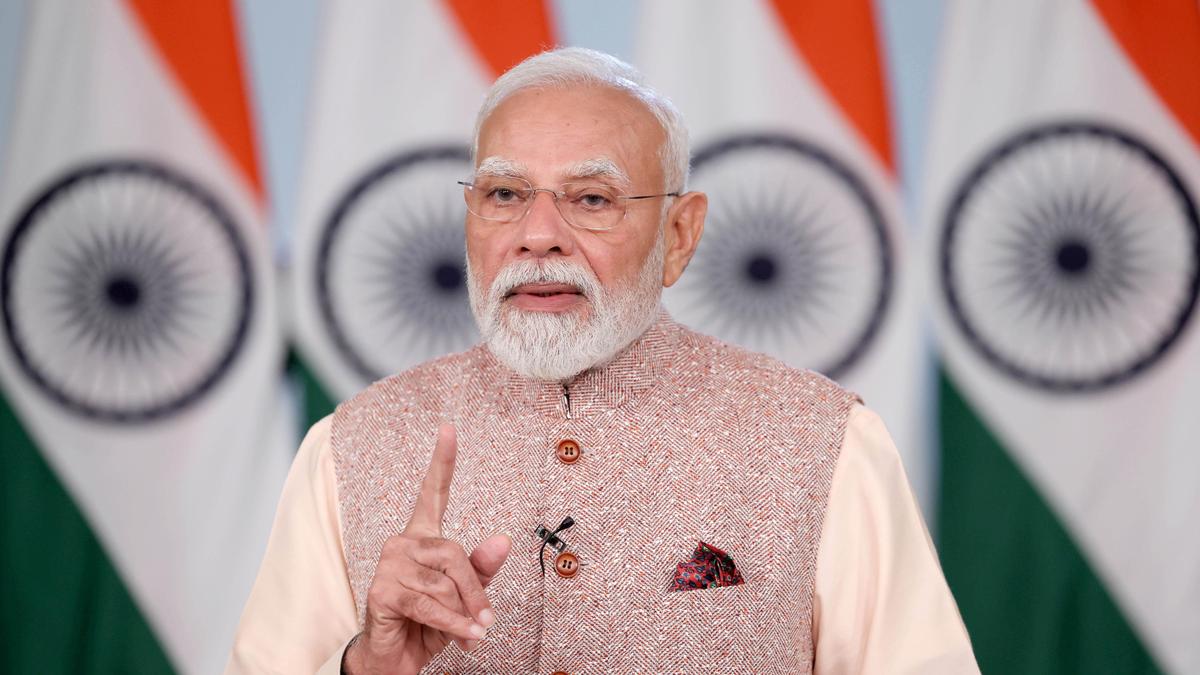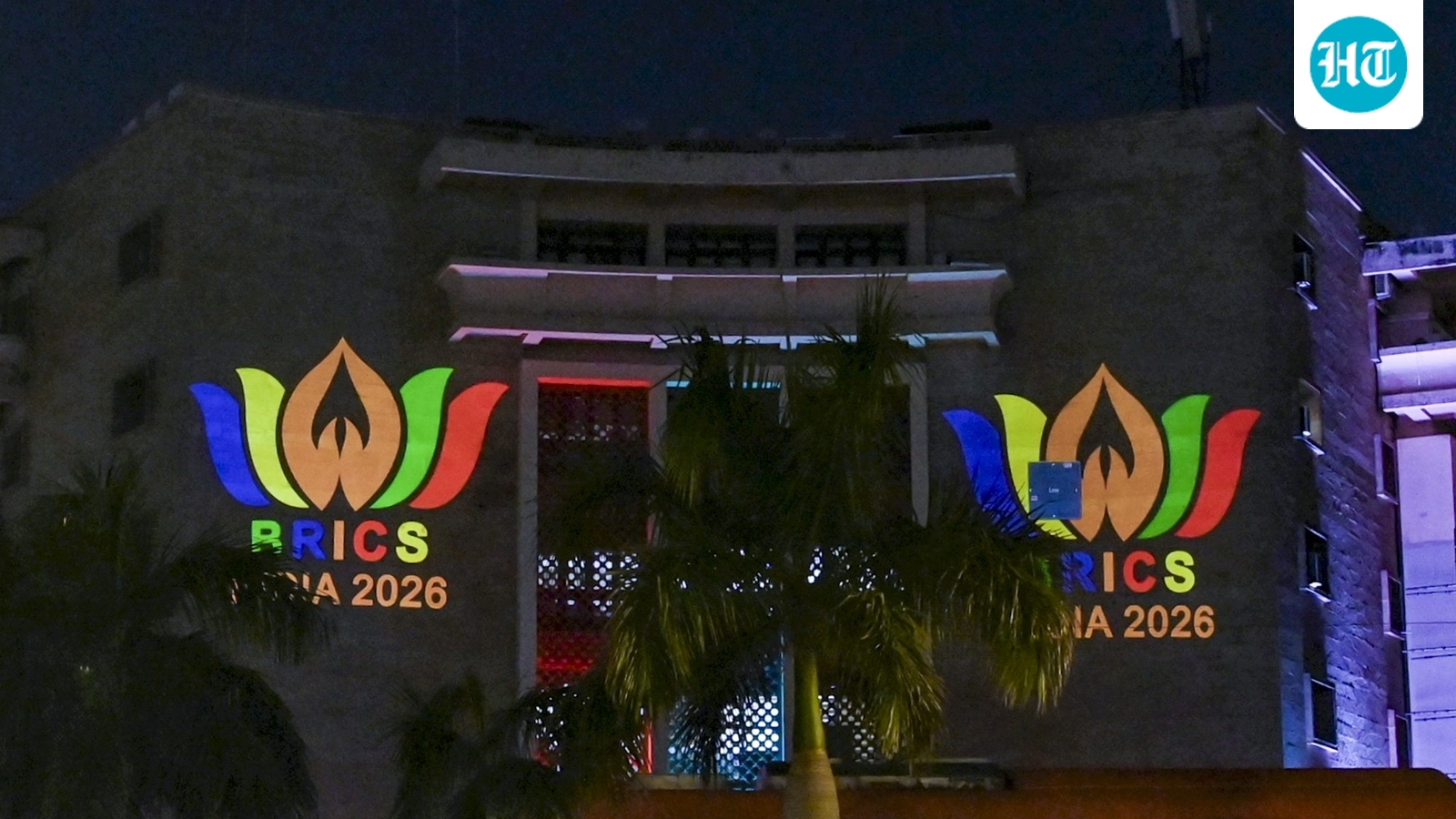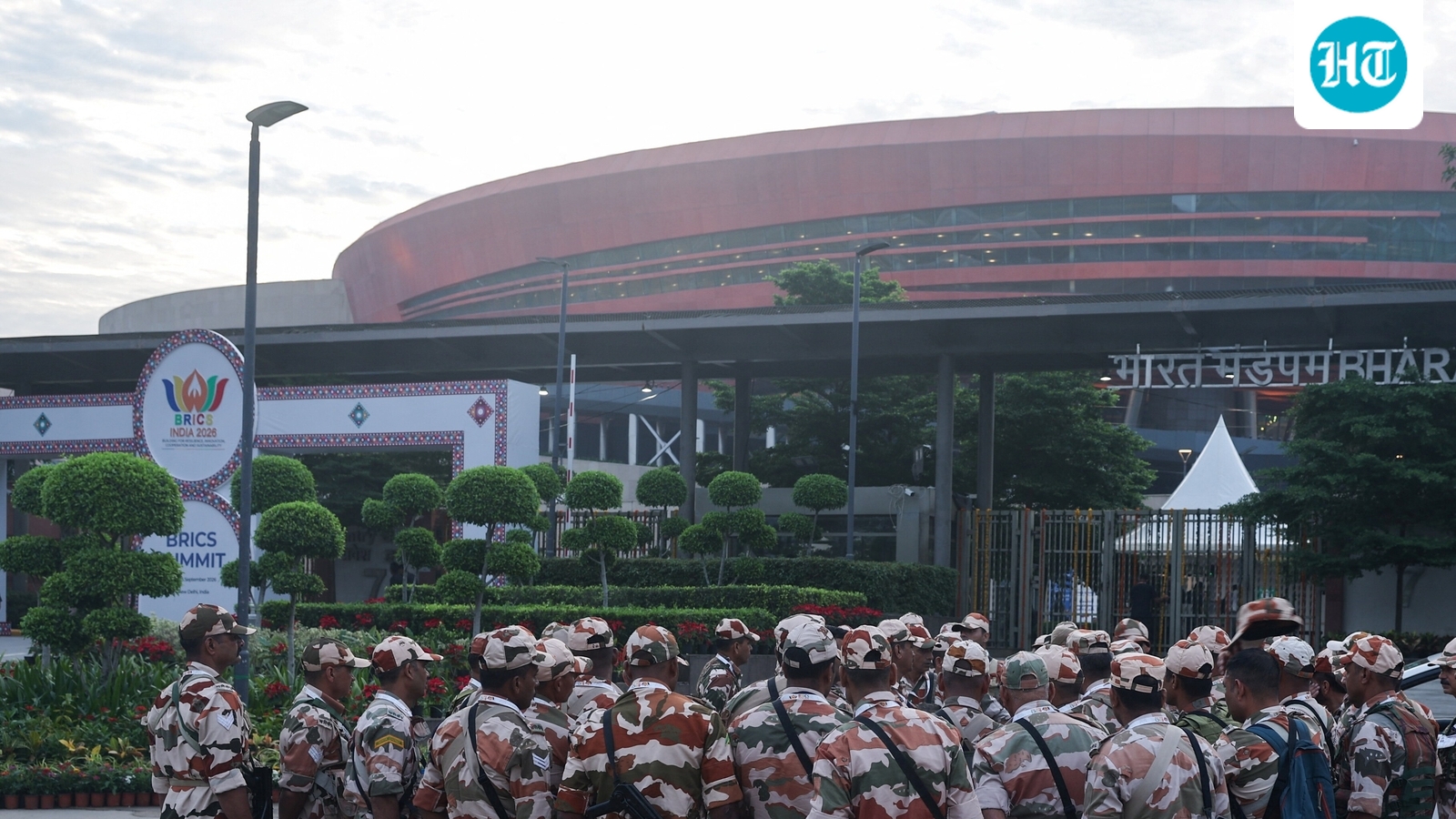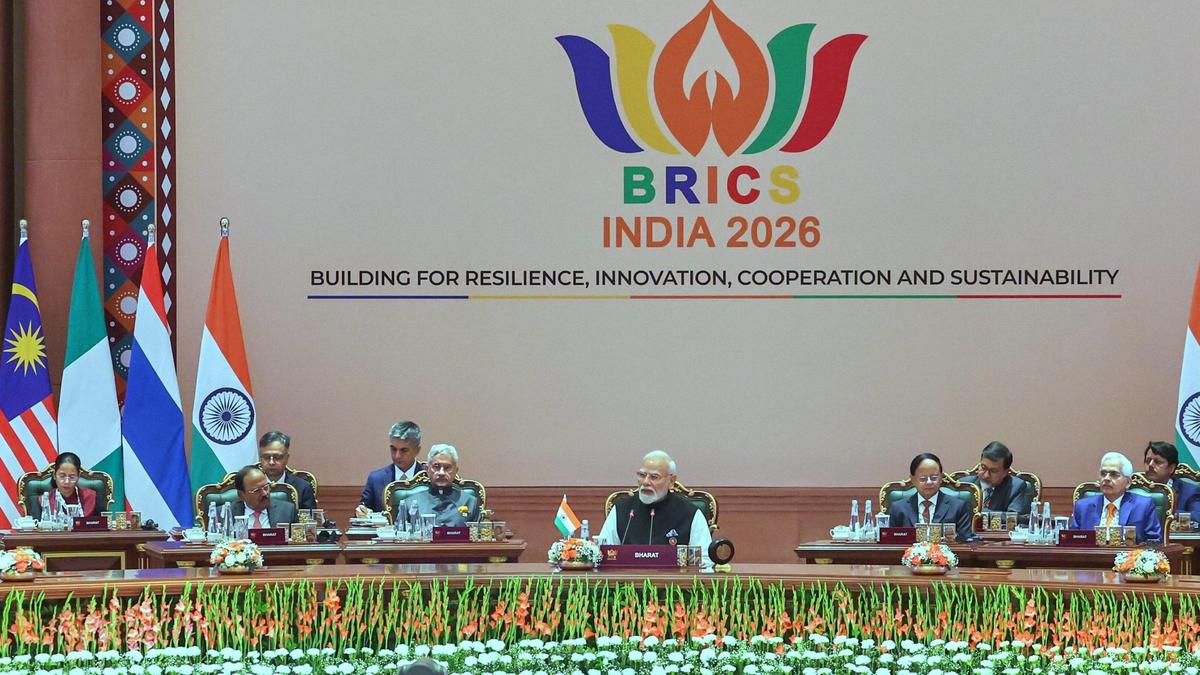
At the 18th BRICS Summit, India is doing more than hosting another diplomatic event. The summit falls in the twentieth year of BRICS cooperation and during India's fourth chairship. BRICS has 11 members and represents close to half the world's population.For India, the value of BRICS has never rested on turning it into another rigid bloc. Our foreign policy is strongest when it enlarges our room for manoeuvre. Strategic autonomy means freedom to work with different partners on different issues. BRICS gives India an additional platform to advance a more representative global order, while continuing to build strong partnerships elsewhere.For more BRICS coverage click hereThe expanded grouping requires ambition and realism. Its members do not share identical political systems or foreign-policy priorities; consensus will sometimes be difficult. India's contribution should be to keep BRICS focused on areas where cooperation is possible: development, technology, health, food and energy security, counter-terrorism and reform of global governance.The aim should be practical multipolarity, not bloc politics. BRICS as a means of strengthening multipolarity without compromising India's other partnerships is identified as one of the grouping's principal utilities for Delhi.India's 2026 chairship has tried to give this approach a human face. At the Rio Summit last year, Prime Minister Narendra Modi said India would take BRICS forward with a "people-centric approach" and in the spirit of "Humanity First".That idea runs through the chairship theme of Resilience, Innovation, Cooperation and Sustainability. More than 350 meetings have been concluded as part of a programme of over 400 engagements, spread across nearly 30 Indian cities. The political test is whether these mechanisms improve citizens' lives.Consider agriculture. The BRICS Network on Digital Agriculture and Centres of Excellence on Agro-Ecology and Regenerative Agriculture can help share technology and climate-resilient practices. The real test is whether this knowledge travels through our agricultural universities and state governments to improve crop choices and reduce risk.The same test applies to health and employment.There is promise for India's startups. The action plan on innovation-led growth by startups provides for a BRICS Incubator Network connecting nodal agencies, incubators and firms across member countries, including referrals of qualified startups to incubators in other BRICS economies. It recommends a BRICS Startup Innovation Fund, with voluntary public and private financing, for early- and growth-stage ventures.During Brazil's 2025 chairship, the BRICS Women's Startups Contest was designed to connect women-led ventures with investors, accelerators and innovation ecosystems.Also Read: The Modi-Xi-Putin picture and the rise of a multipolar world trying to remake global powerIndia should now make that logic more durable than episodic. The proposed "Bharat Innovates" platform can add momentum by showcasing India's startup and innovation ecosystem to the BRICS network.The BRICS MSME Cooperation Portal, Dialogue on Finance and Workplan on the Internationalisation of MSMEs are intended to improve access to finance, technology and markets. India should use these mechanisms to widen opportunities by reducing procedural friction, improving standards cooperation and helping smaller firms participate in value chains across broader markets.India's chairship produced principles on community-based adaptation, climate-resilient urban infrastructure, smart grids and energy storage. The New Development Bank's 2022-26 strategy set a target of directing 40% of financing to climate mitigation and adaptation. A useful step would be to connect BRICS climate principles more systematically with finance, perhaps through a climate-resilience window or guarantee facility within NDl.The BRICS Leaders' Framework Declaration on Climate Finance adopted in Rio provides political grounding, while the BRICS Multilateral Guarantees initiative is being incubated as a pilot within NDB to de-risk infrastructure and sustainable-development investment. A focused climate window could turn those principles into investible projects.NDB shows how multilateral institutions become politically relevant when they produce visible assets. As of June 2026, India was its second-largest recipient, with 35 approved projects worth $10.5 b and roughly $6 billion disbursed. The portfolio includes transport, water, clean energy and urban infrastructure.Regarding security, terrorism, cybercrime, illicit drugs, disruptions in food and energy supplies and fragile supply chains affect the safety of families, cost of living and local economies. Prime Minister Modi has argued within BRICS for an unequivocal approach to terrorism and against double standards. Cooperation matters when it improves information sharing, institutional capacity and preparedness.The credibility of India's chairship should be judged a year later: Are incubator links functioning? Are startups securing cross-border pilots or investment? Are MSMEs using the platforms? Are farmers and researchers participating? Are climate and infrastructure projects moving from approval to completion? Several mechanisms remain voluntary or developmental; implementation will determine their real value.BRICS can strengthen India's strategic autonomy and amplify the voice of the Global South. But its lasting legitimacy will come from something more immediate: whether international cooperation creates greater security and opportunity for ordinary people. India should seek a BRICS that is ambitious abroad, practical in its institutions and accountable at home.The writer is a Rajya Sabha MP(Disclaimer: The opinions expressed in this column are that of the writer. The facts and opinions expressed here do not reflect the views of www.economictimes.com.)
Beyond bloc politics: India’s BRICS bet on multipolarity - The Economic Times
Under India's BRICS chairmanship, the importance of practical cooperation is underscored with an aim to launch impactful development initiatives. Enhancing citizens' lives through tailored health programs and technology is paramount. The chairmanship also prioritizes the nurturing of startup ecosystems and the support of micro, small, and medium enterprises (MSMEs), while dedicating significant efforts to climate finance and vital infrastructure projects.
822 words~4 min read