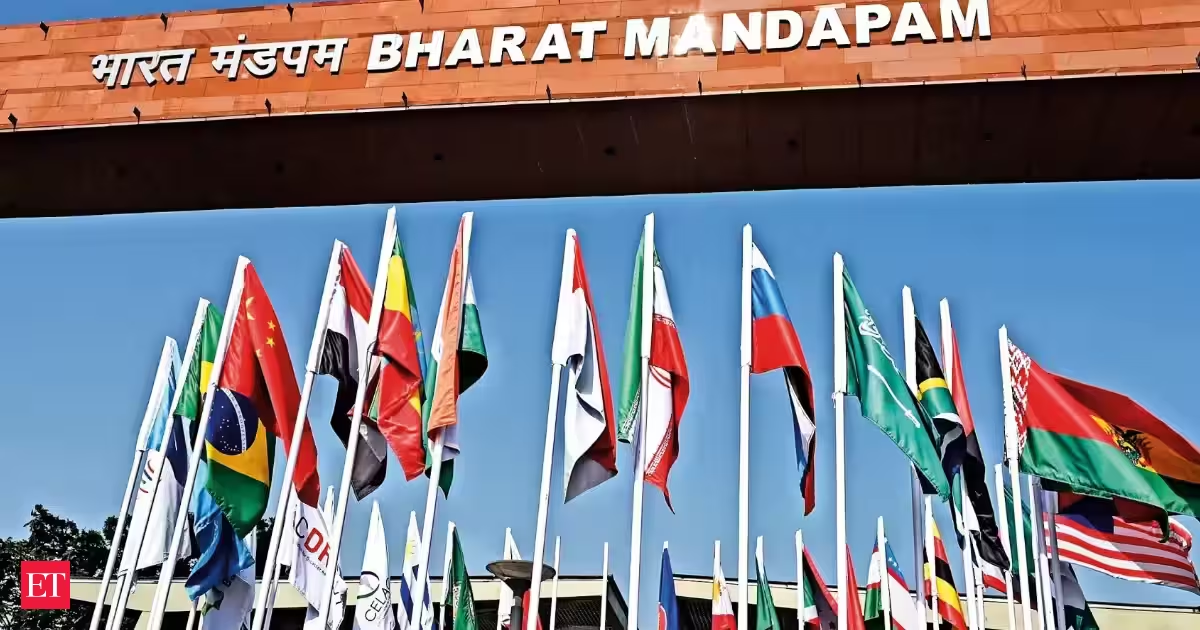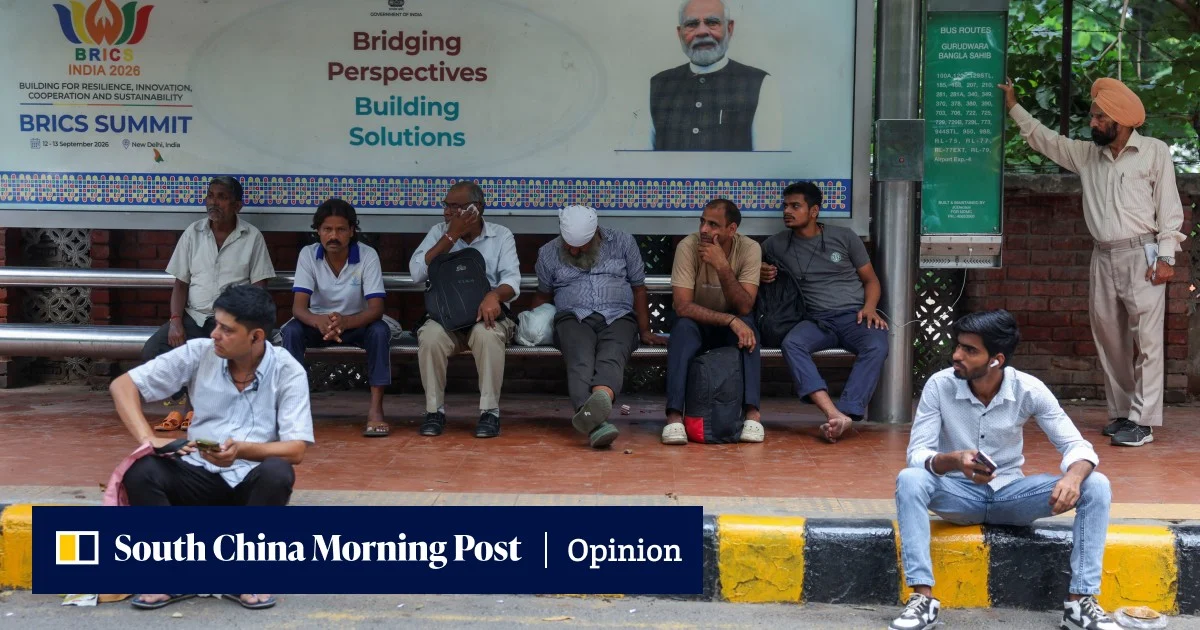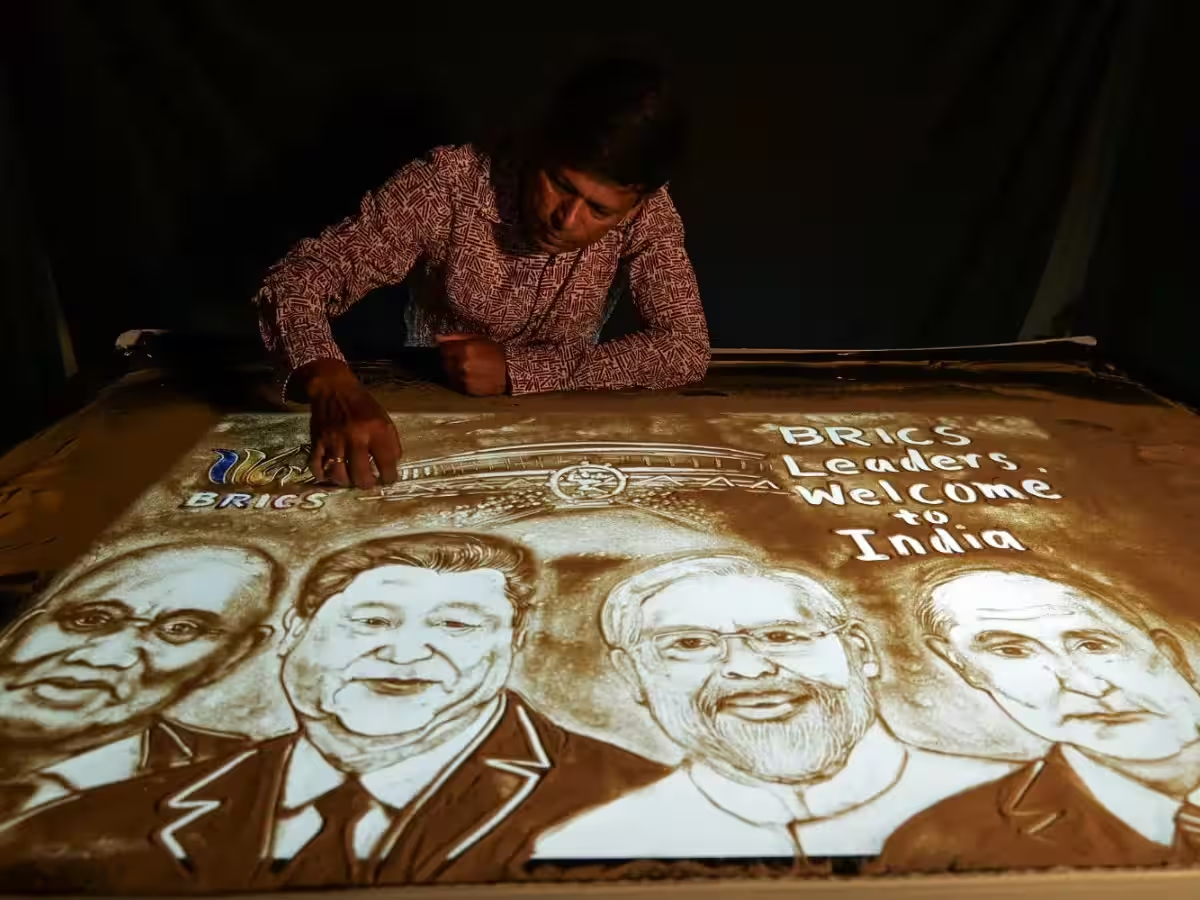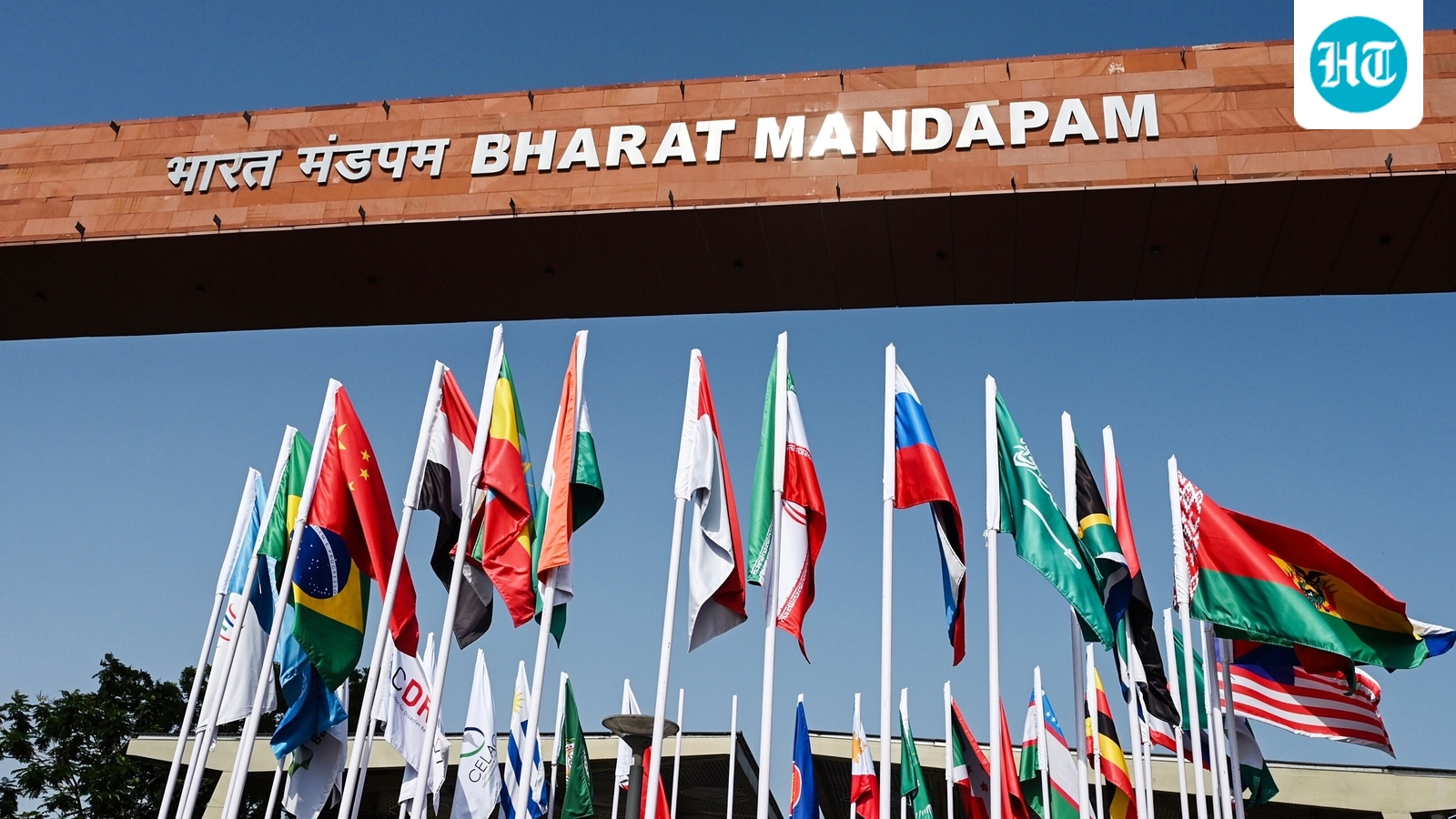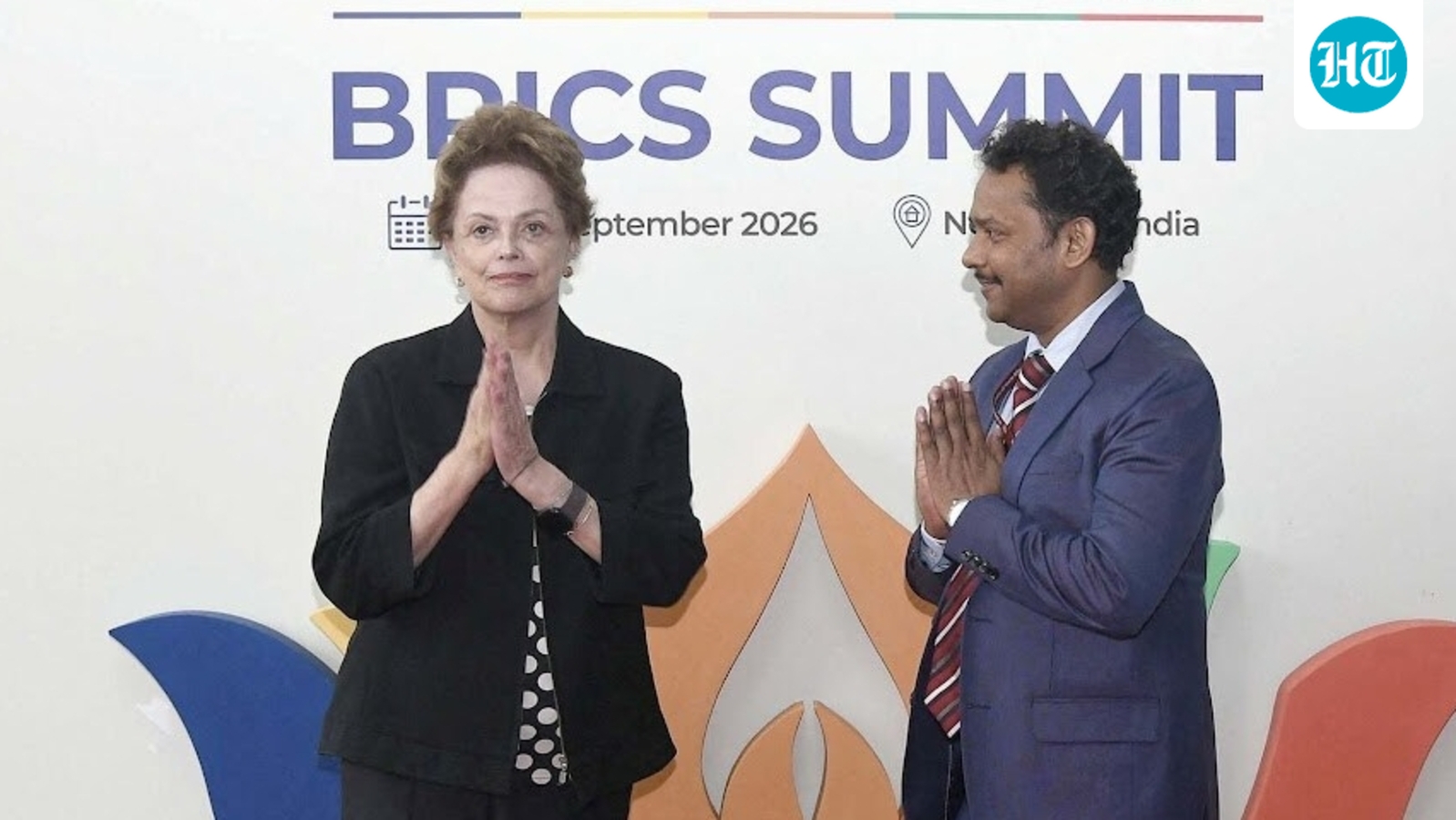
As India hosts BRICS’s 18th summit, the grouping’s true significance sits somewhere between the hype and the scepticism surrounding it. The need now is to look at BRICS’s relevance for India and the Global South, assessing the past 20 years of its existence to determine what it must do to become the bloc it was intended to be.The true power of BRICS won’t lie in any one big-number declaration made in Delhi at the end of the summit, but the mundane process of establishing payment networks, development finance, and diplomatic leverageThe BRICS summit 2026 in Delhi comes at a time of unceasing rounds of US tariff threats and a fragile India-China thaw. On the same dates as the summit, Delhi will host iBRICS, a related but separate meeting of sovereign wealth funds, pension funds, and family offices with a combined portfolio of $1 trillion. A single chair managing such events concurrently is certainly rare.The question to ask about BRICS is: What is its ground reality? Is it merely one of narratives or does the grouping have real impact to show?Also Read | Modi urges Iran’s Pezeshkian to resolve West Asia conflict through dialogueThere are also other unanswered questions regarding the grouping’s goals, mechanisms, and outcomes on the financial front, especially on BRICS Cross Border Payments (BRICS Pay) and de-dollarisation in BRICS+ countries. The latter seems more like speculation than an articulated goal so far, even though the bloc has existed for 20 years.iBRICS is worth careful thought — the event has claimed a fair share of the spotlight shone on the BRICS summit. Delhi’s will be the first iBRICS meet, where participants will discuss cross-border investment, non-dollar settlement corridors, and interoperability between payment platforms such as India’s Unified Payments Interface and Brazil’s Pix. A Sovereign Capital Compact is expected to be signed, but the precise funding amounts or the projects that the investments will be channelled into have not been revealed yet.The justification forwarded for keeping things under wraps is understandable: Tariffs and sanctions are squeezing traditional financial flows, and big pools of capital are looking for alternatives to move funds internationally.This speaks volumes about where institutional capital thinks the world is headed, and hints at more than any communique ever can.Also Read | Modi calls for safeguarding freedom of navigation in talks with Iranian President PezeshkianOver the past two years, Egypt, Ethiopia, Iran, Saudi Arabia, the UAE, and Indonesia joined the original five in the grouping as member-States, and about a dozen other nations now have BRICS partner-country status. These two groups combinedly represent nearly half of the world’s population and about 40% of the global GDP in terms of purchasing power.The major challenge India faces, with respect to its membership and stewardship of BRICS, is dealing with Washington. US President Donald Trump, on several occasions since early 2025, said that if the bloc takes any step towards a joint currency, it will face tariffs of up to 100%. India has always said a common currency for BRICS is not something that it is interested in and it will continue with the quiet expansion of trade settlement in local currency. Both India’s external affairs ministry and the Reserve Bank of India have said as much publicly, well aware that Indian exports already face their own tariff pressures from the US, including for the country’s purchase of Russian oil.Beyond the rhetoric, what the summit is likely to actually produce will have more to do with payment infrastructure than an outright payment revolution. The New Development Bank (NDB), which is now a true multilateral lender with loans granted to well over 100 approved projects and $30-40 billion disbursed since 2016, is moving towards increasing the local-currency share of its lending, from around a quarter to nearly a third by this year. The bank has just welcomed Uzbekistan as a new member.NDB is important for BRICS members as well as others: Pakistan, whose full membership of BRICS has been stalled by regional political compulsions, has been seeking admission to NDB separately, just to have an alternative source of financing to the International Monetary Fund (IMF).Discussions on the interoperability of fast payment systems and central bank digital currencies are likely to result in pilot announcements rather than complete networks, and India will once again push its long-standing demands for the reform of the UN Security Council and IMF at the summit. The demand has been raised for years but has not yielded any structural changes.In the broader developing world, it’s time to have an honest assessment, but not turn cynical. The NDB’s unconditional funding is something that African, Latin American, and Asian borrowers lacked 15 years ago. Its very existence arguably helped make loans from Western lenders available on softer terms.That said, debt relief, climate finance, and food and fuel security — commitments that the bloc and its official processes are under-delivering on, as per the People’s BRICS civil-society forum — remain promise, not programme.The true power of BRICS won’t lie in any one big-number declaration made in Delhi at the end of the summit, but the mundane process of establishing payment networks, development finance, and diplomatic leverage that diminishes the dependence of smaller States on legacy institutions or the benevolence of any single power.Vesselin Popovski is professor, Jindal Global Law School, and Pawan Kumar is an assistant professor at Amity University, Noida. The views expressed are personal
BRICS success leans on money and its mundane processes
The true power of BRICS won’t lie in any one big-number declaration made in Delhi at the end of the summit.
895 words~4 min read