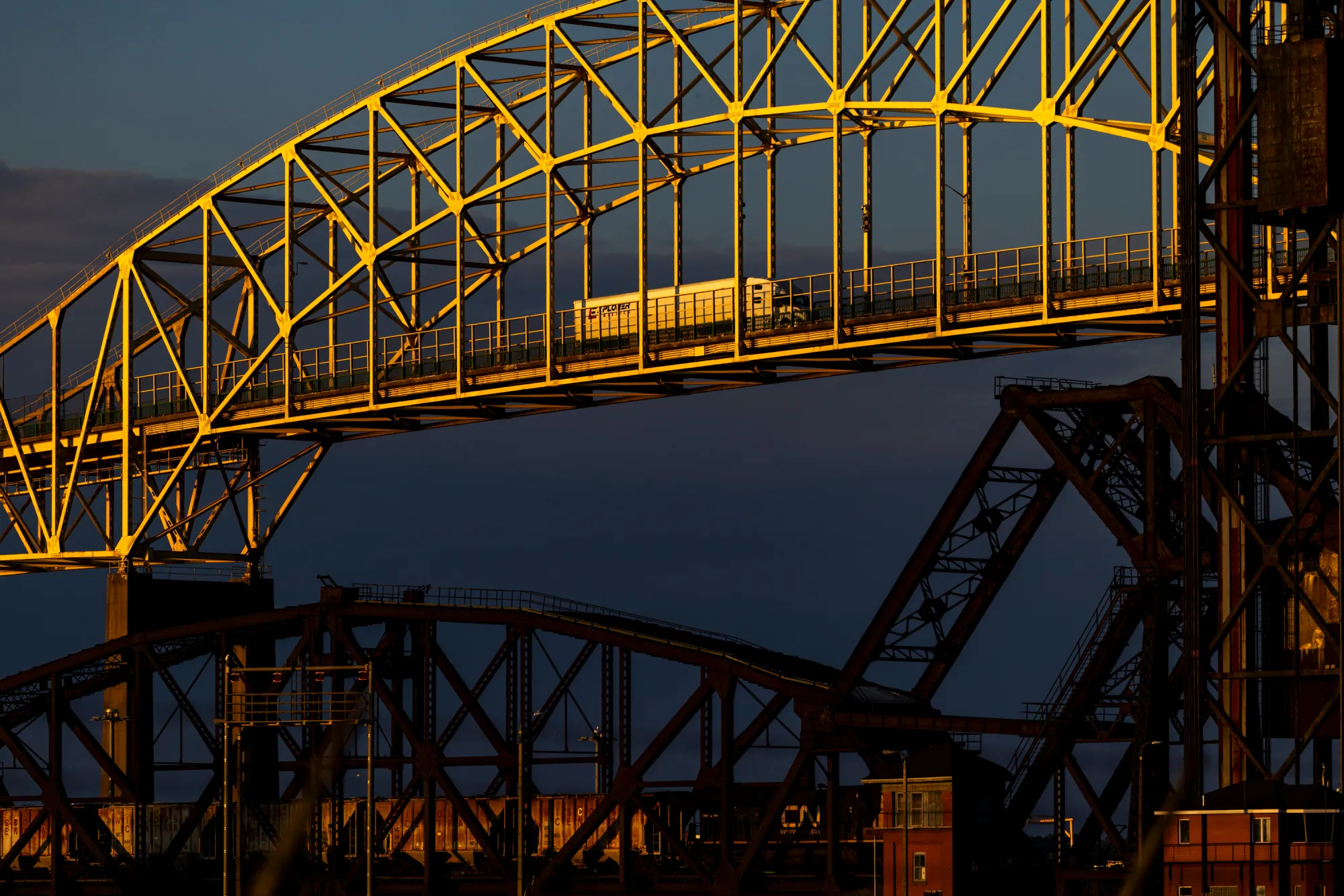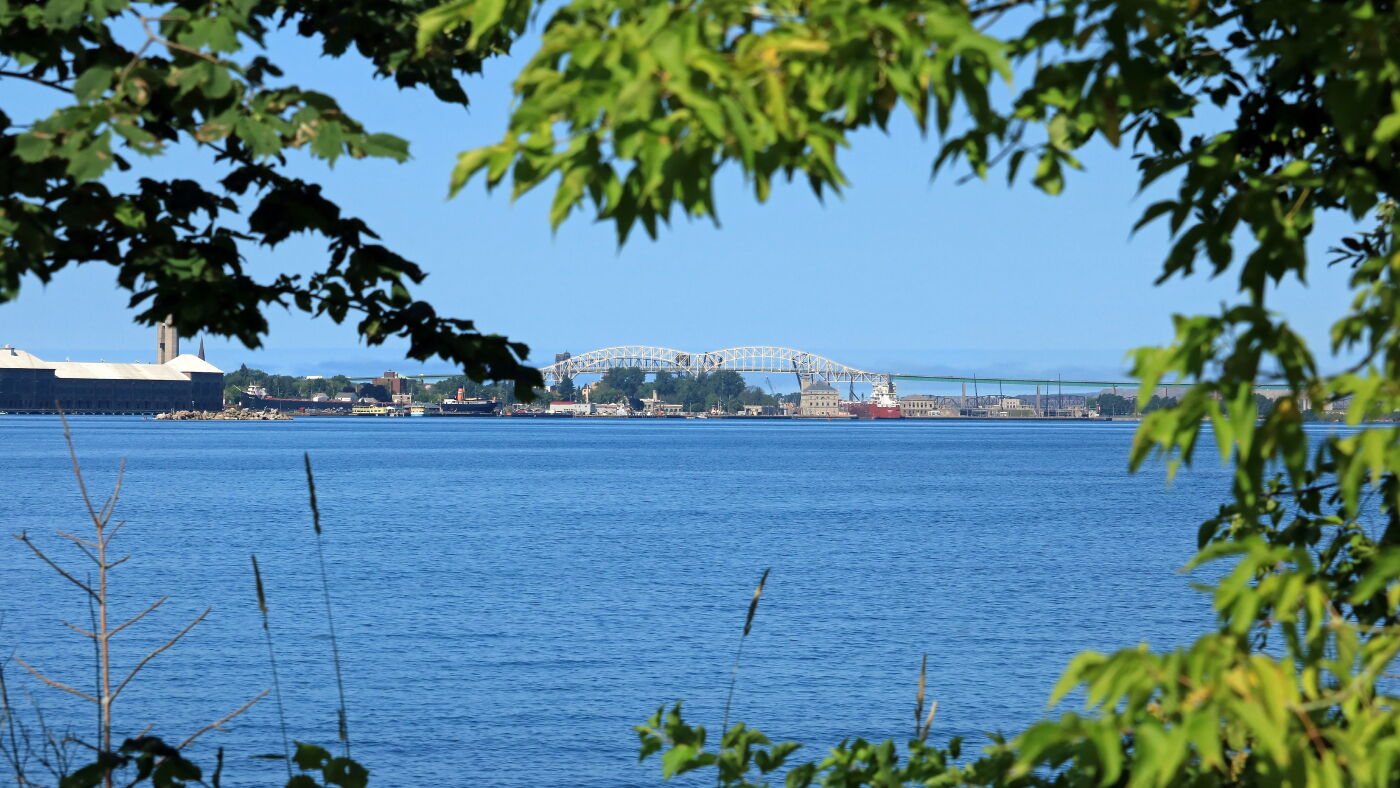
My father and I fished the American side of the St. Mary’s River out of Sault Ste. Marie, in far-northern Michigan on Monday. The St. Mary’s (like the Detroit River) serves as the international border between Michigan and Ontario. Native people have gathered near “The Soo” to fish the rapids for whitefish and walleye for thousands of years. Sault Ste. Marie and its now-far larger Canadian sister city were used as fur-trapping hubs for generations, but the area is now known for housing the famous “Soo Locks.” These narrow locks allow massive Great Lakes freighters to navigate the 21-foot drop in the St. Mary’s, which connects Lake Superior to Lake Huron.During World War II, President Franklin D. Roosevelt understood that the Soo Locks were the “jugular vein” of the war effort. Ninety percent of the iron ore headed to Detroit, Toledo, and beyond — necessary to build the tanks, Jeeps, and planes that won the war for the Allies — had to pass through this narrow bottleneck. Fearing (for good reason) German or Japanese sabotage, Roosevelt turned Sault Ste. Marie, Michigan, into the most heavily fortified location in North America.
Stay informed.Stay ahead.
Join Washington Examiner for unlimited access to the news, analysis, and commentary that matter most.