Put an American and a Canadian side by side while traveling abroad, and it is highly likely that most foreigners would struggle to tell them apart. They speak the same language, consume much of the same culture and often have more in common with each other than with almost anyone else.
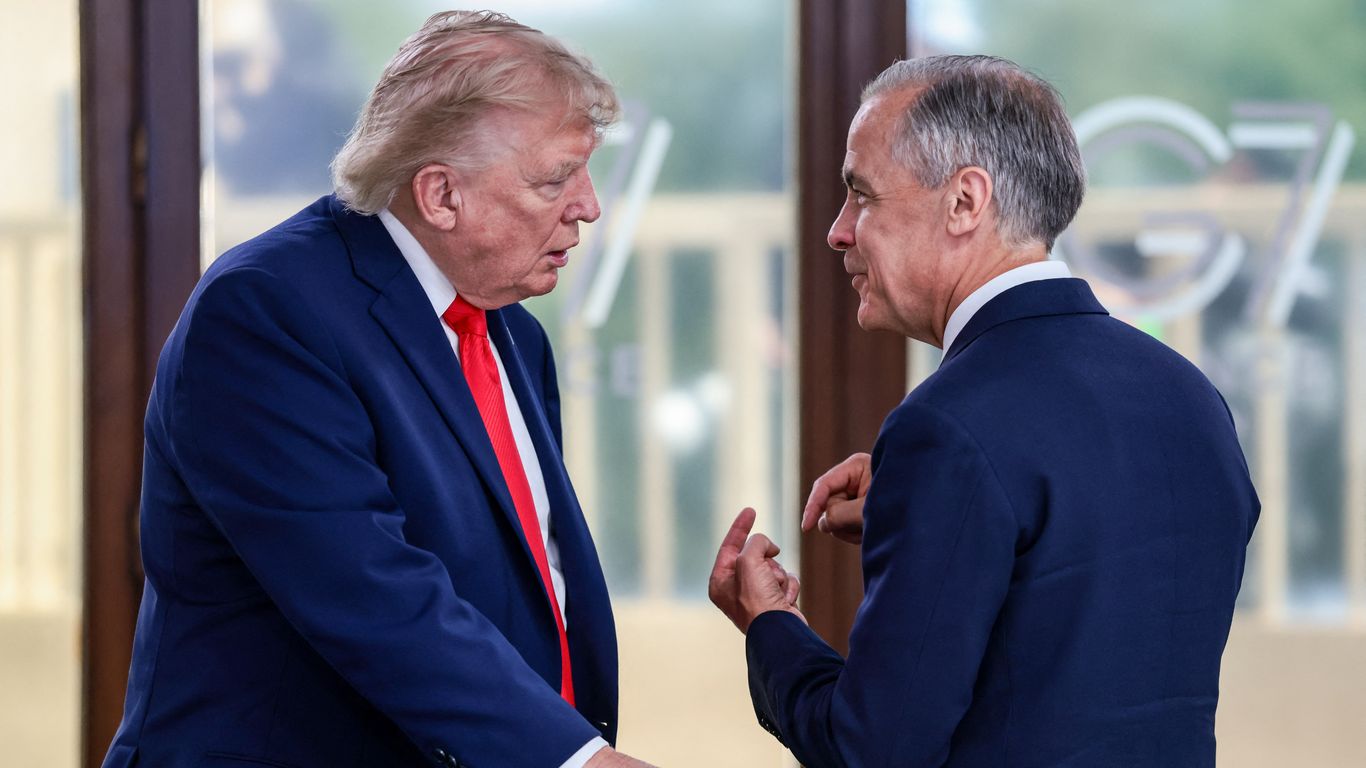
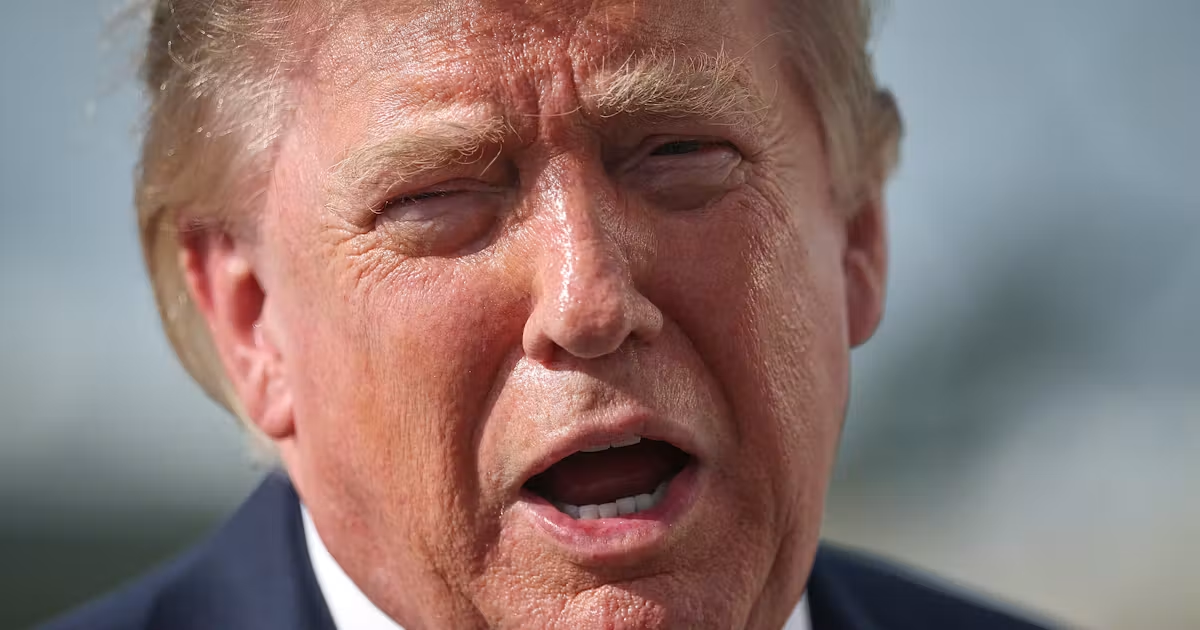
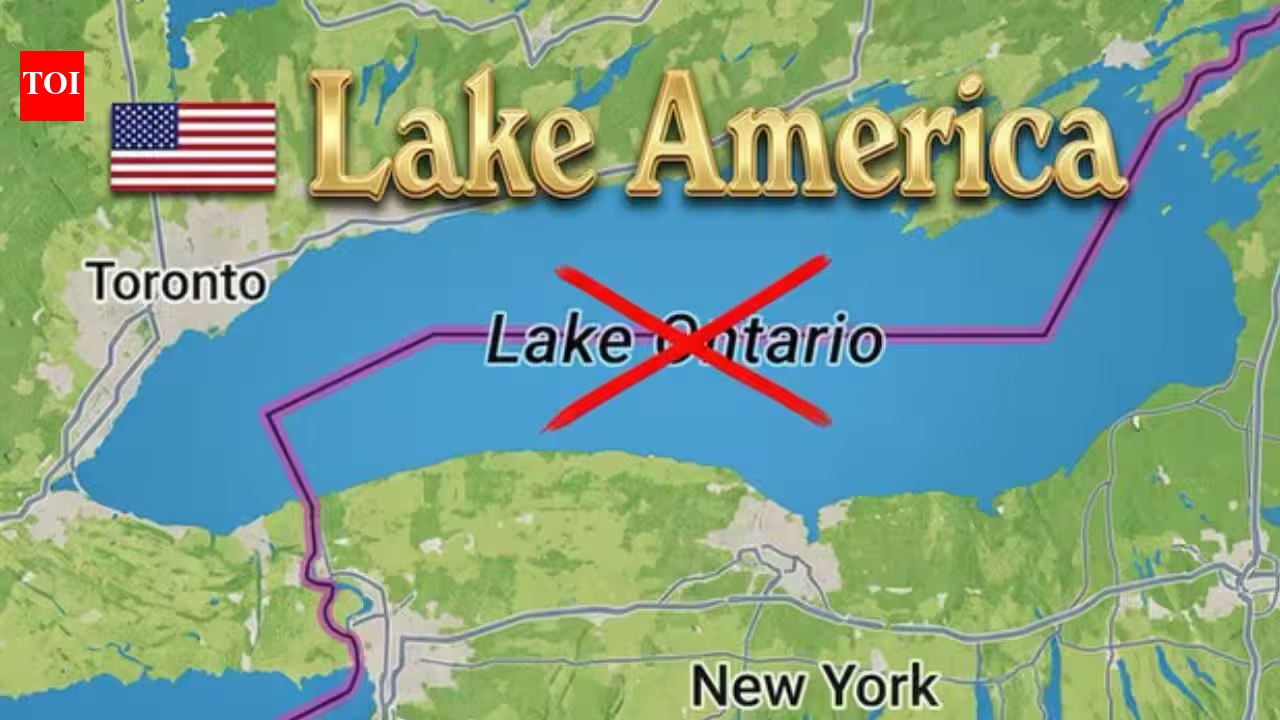
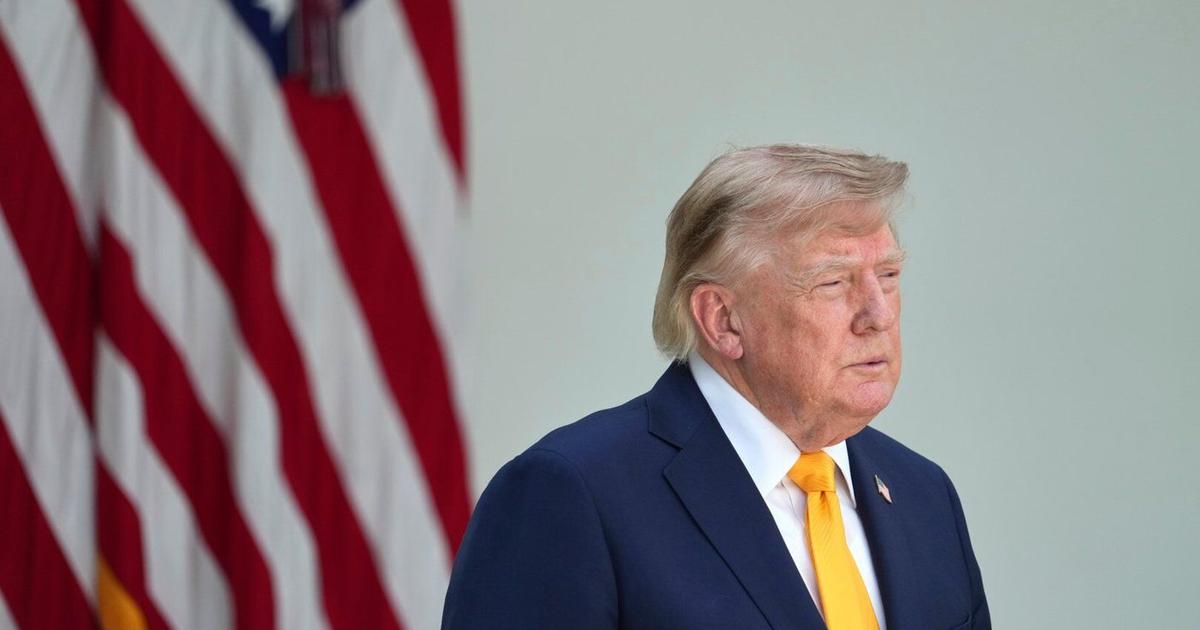
This is one of the things that make the growing quarrel between Washington and Ottawa so bizarre. Few countries have more in common than the U.S. and Canada, yet President Donald Trump's increasingly aggressive stance toward its northern neighbor is turning one of America's closest friends into something resembling a foe.
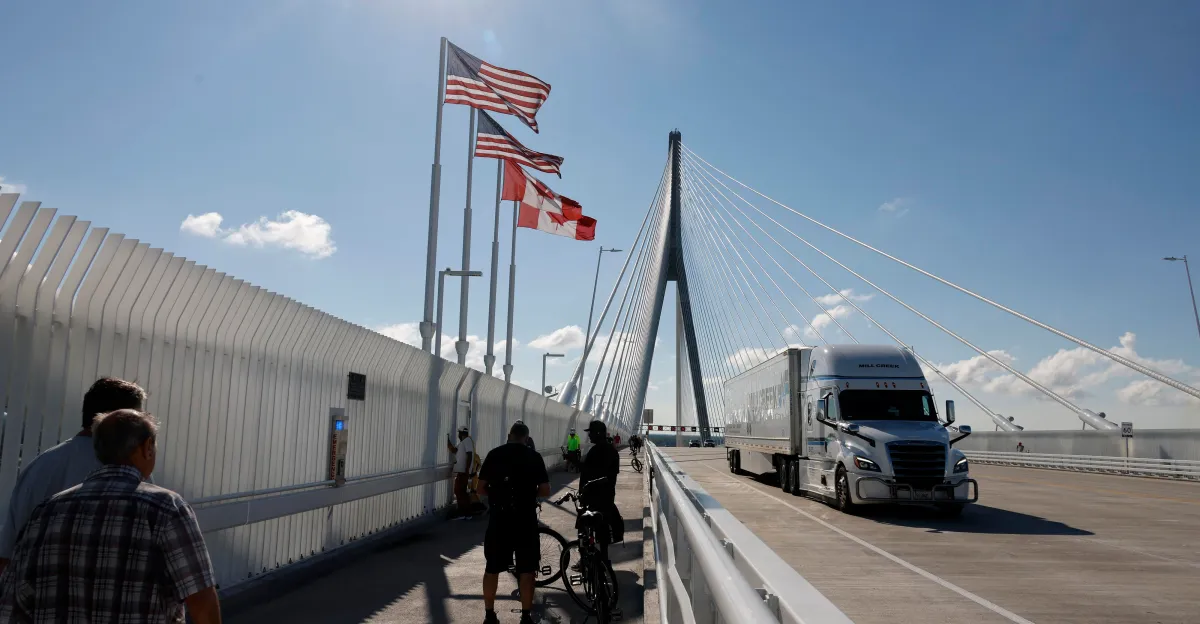
And this is about much more than a trade war or another provocative remark from the U.S. president. Canada is not an enemy challenging American power. It is a NATO ally, a fellow G-7 member and one of Washington's closest economic and security partners. The two countries have closely linked industries, energy ties and supply chains, as well as a shared culture, similar lifestyles and a long history of cooperation along their border.
Damaging that relationship would be relatively easy. Finding a strategic benefit for the U.S. is much harder.
Yet Washington increasingly treats Ottawa as if America's greater power gives it the right to dictate the relationship, reflecting Trump's tendency to see power as a right to impose his will. That is a dangerous approach: might is not always right.