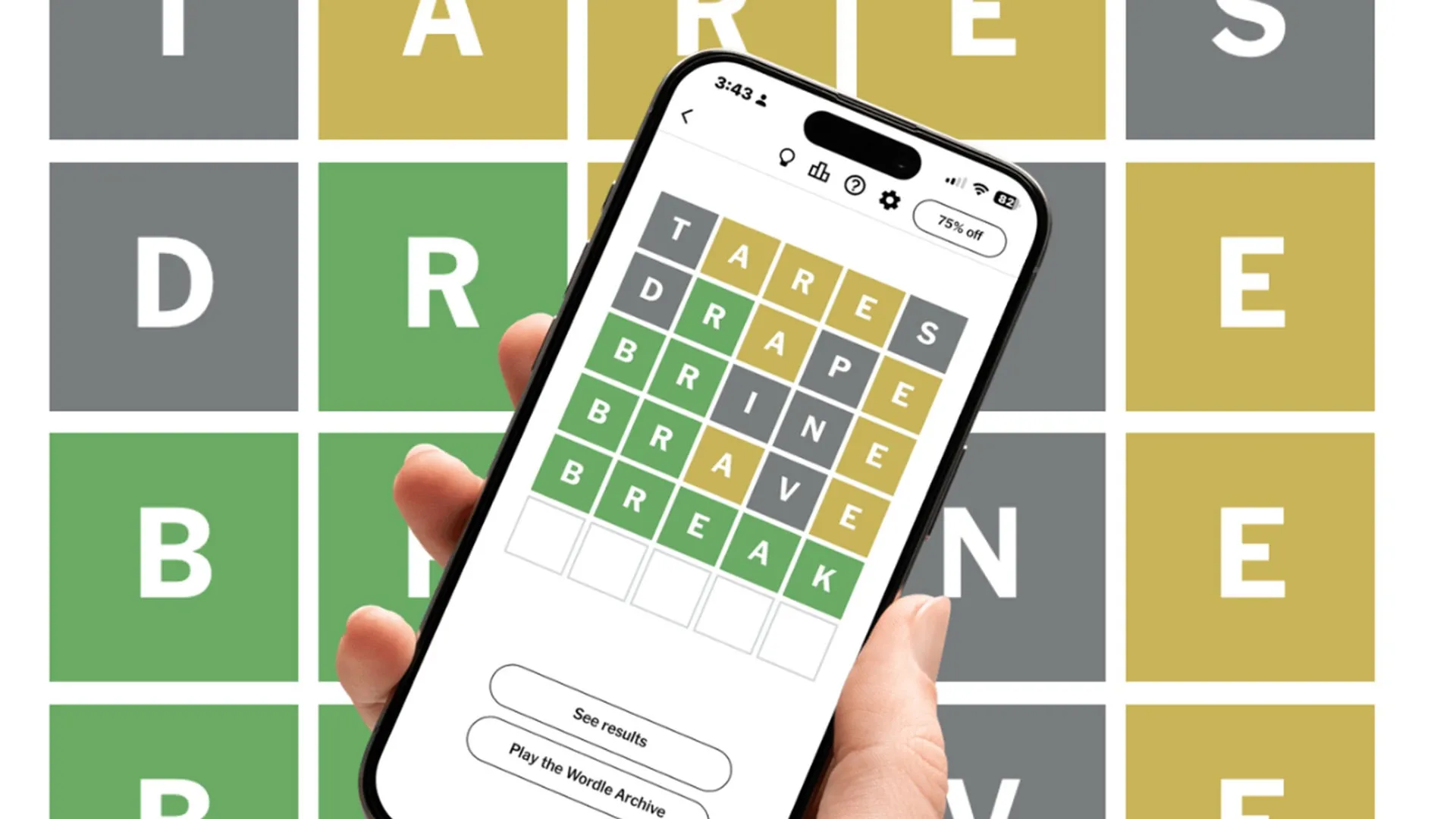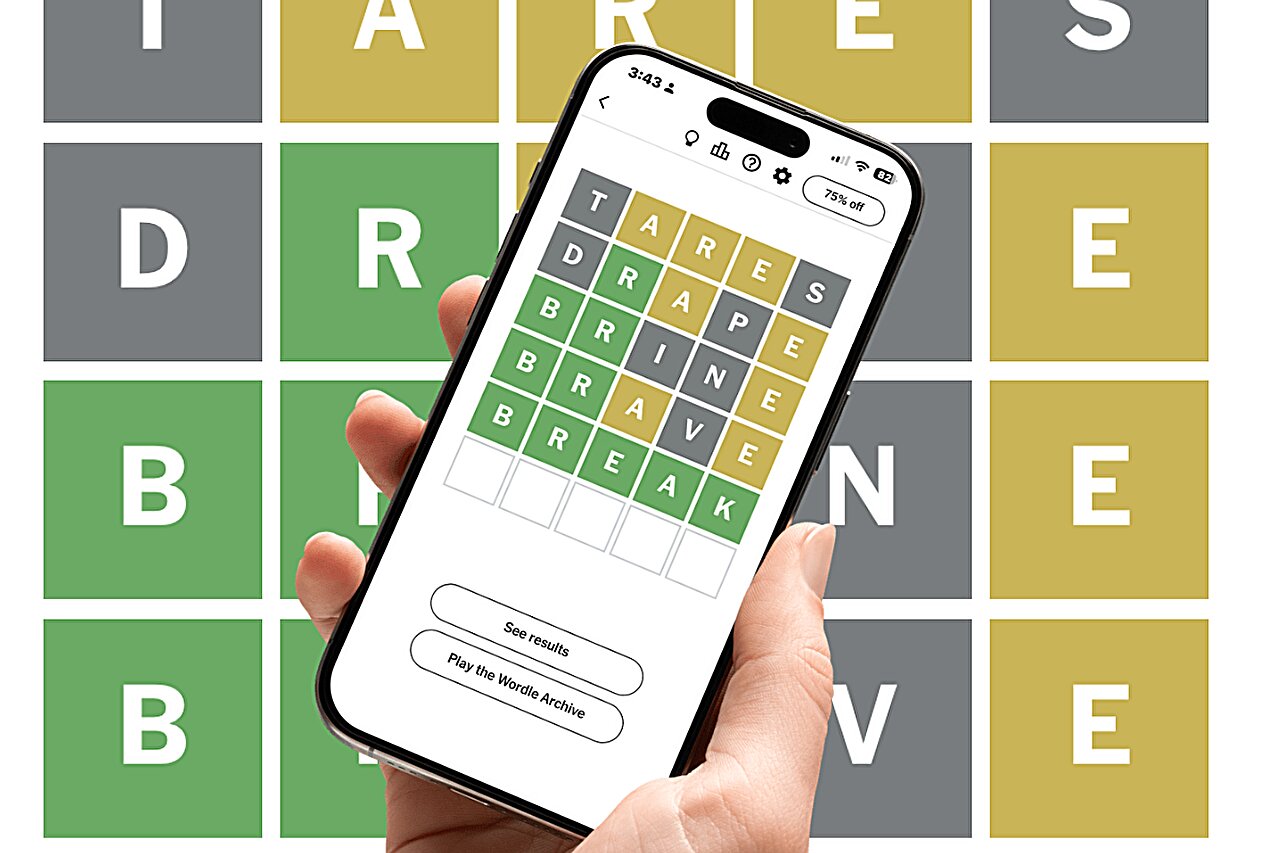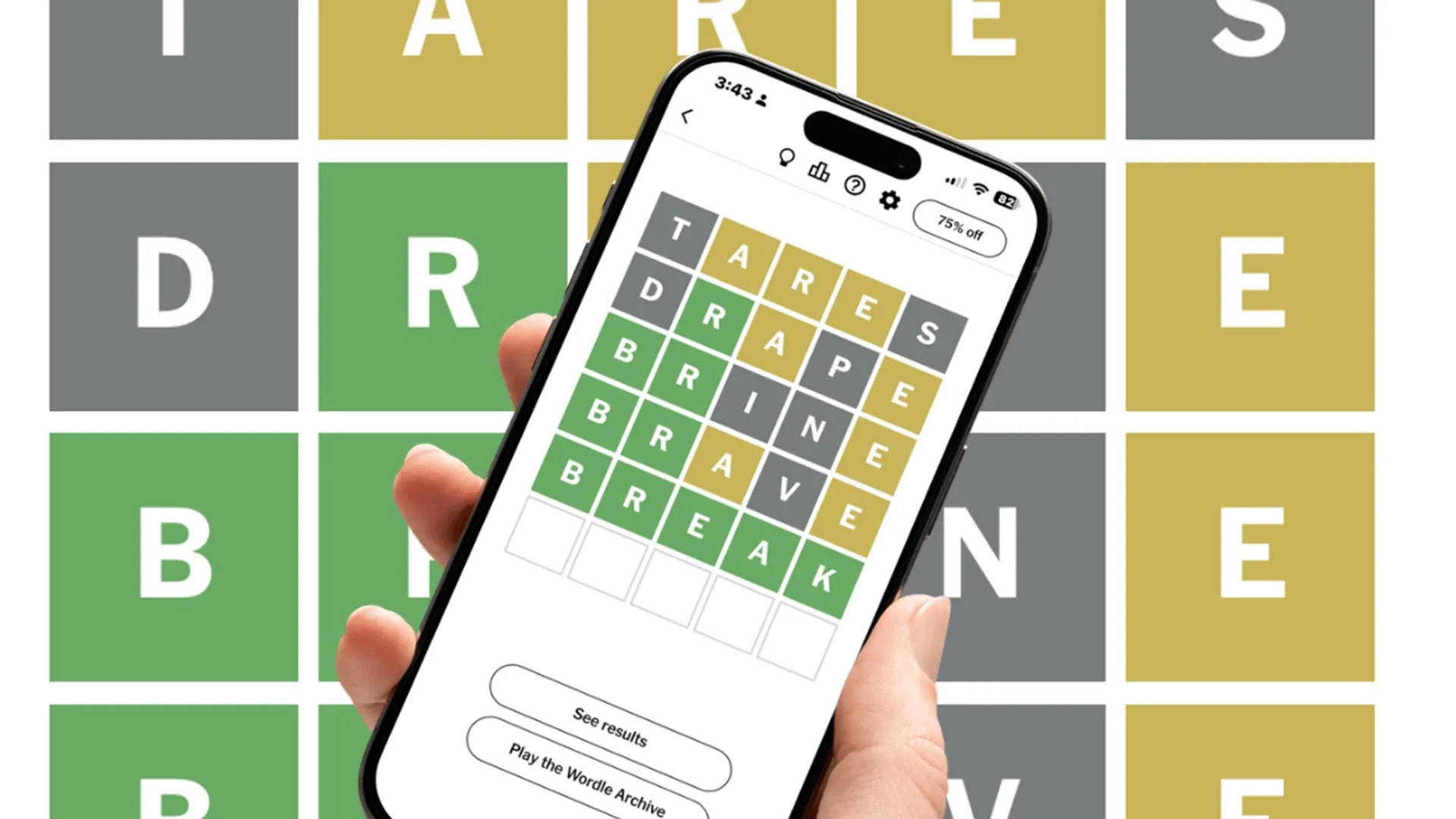
Millions of people open Wordle each day hoping to solve its five-letter puzzle before their six guesses run out. Now, researchers at Binghamton University, State University of New York, say mathematics can dramatically improve the odds.
By applying information theory, the team developed a strategy that solved 99% of Wordle puzzles in simulations. The key is surprisingly counterintuitive. Instead of always trying to guess the answer as quickly as possible, the method favors words that reveal the greatest amount of useful information.
How Wordle Turns Every Guess Into a Clue
Wordle gives players six attempts to identify a hidden five-letter word. The game begins with no clues, so the first guess can be any valid word.
After each attempt, Wordle uses colors to show how close the player is: Grey means the guessed letter does not appear in the secret word. Yellow means the letter is in the secret word, but it is in the wrong position. Green means the letter is both correct and in the correct position.Players use those clues to narrow the possibilities with each new guess. The game ends when all five squares turn green or when the player uses all six attempts without finding the answer.