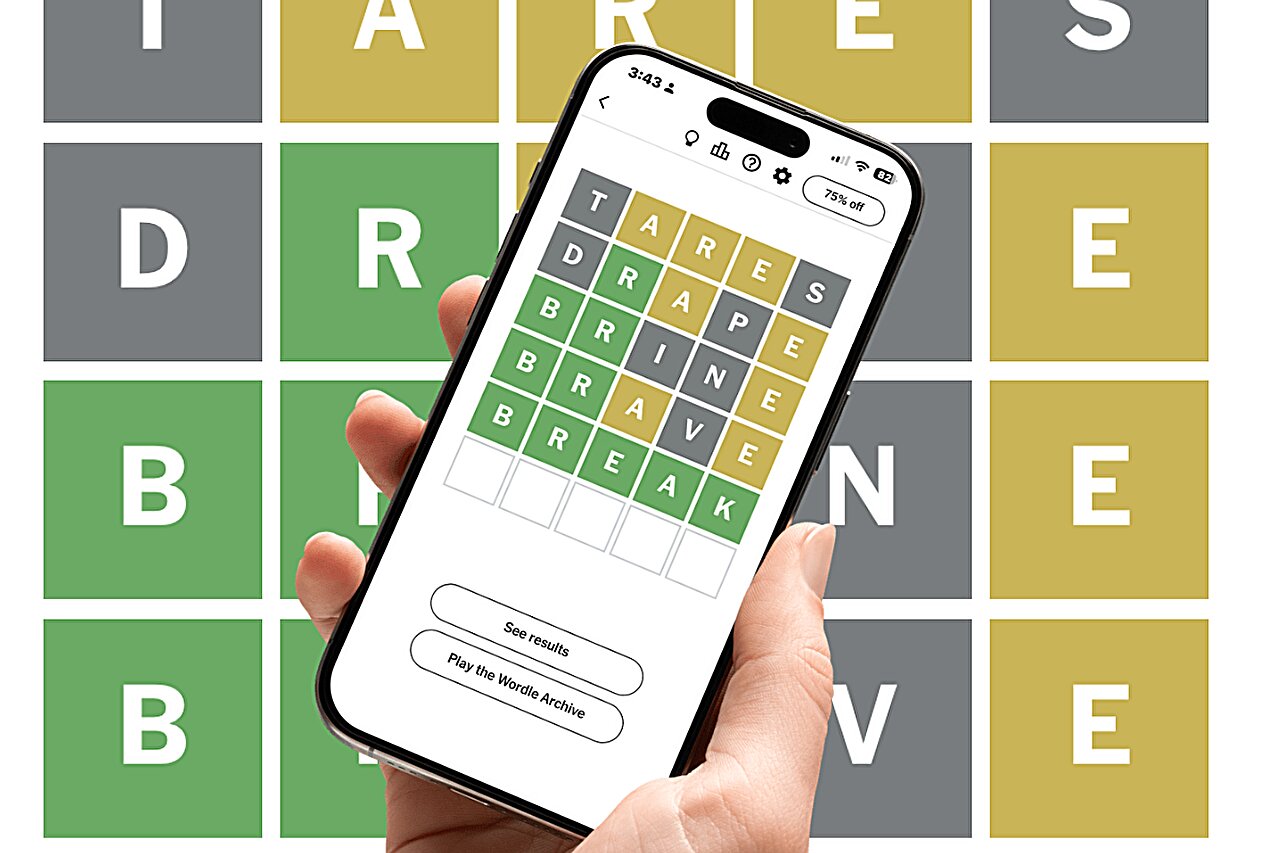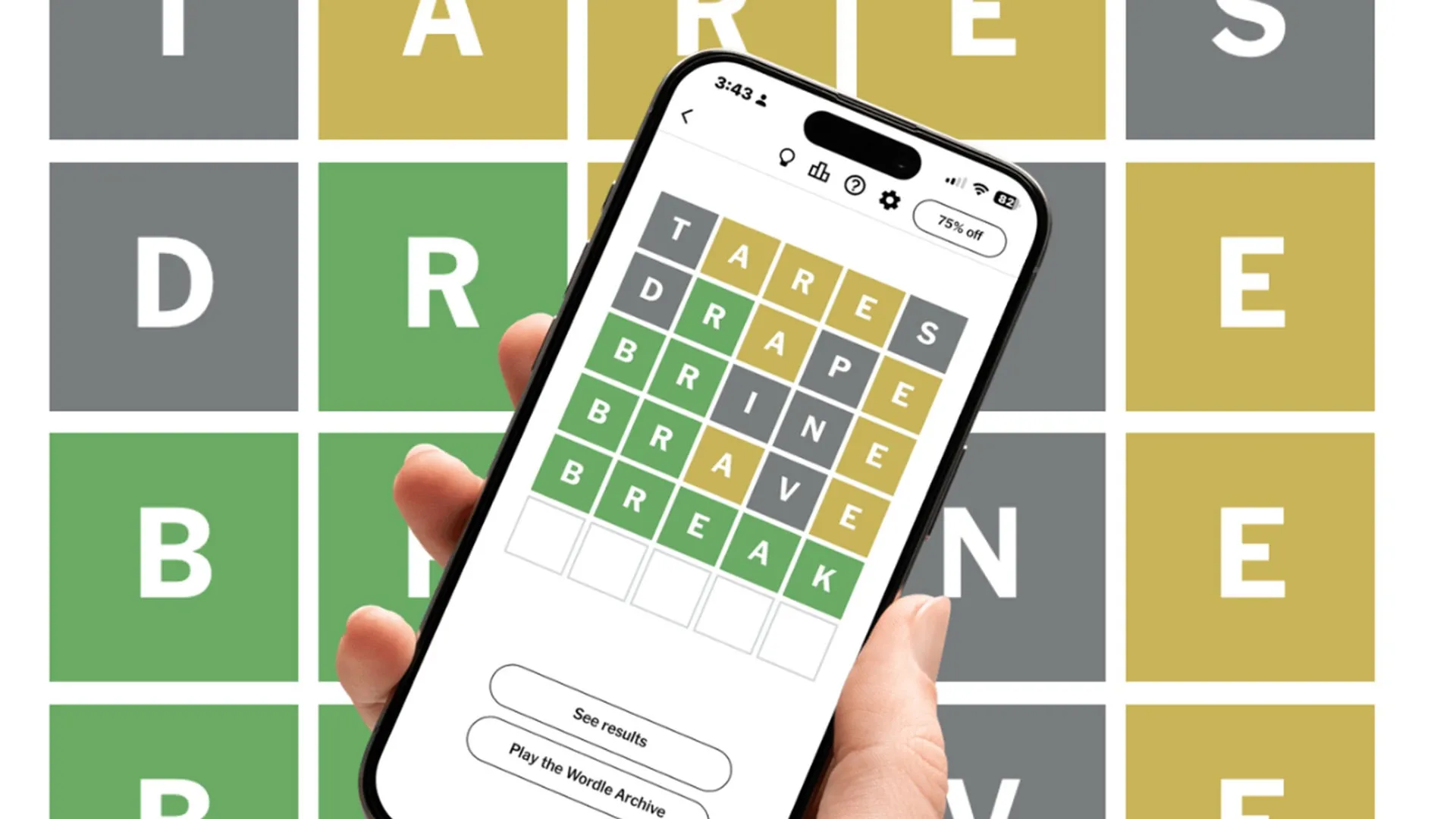
Millions of people tackle Wordle every day, trying to uncover a hidden five-letter word in the New York Times' wildly popular puzzle game. Now, researchers at Binghamton University, State University of New York, say they have developed a mathematical approach that can solve Wordle with a remarkable 99% success rate.
The goal of Wordle is simple. Players have six chances to identify a secret five-letter word. Each game begins with five empty squares and no clues.
When a player enters a guess, such as "BRAVE," the game responds with colored squares that provide hints about the hidden word: Grey means the letter does not appear in the secret word. Yellow means the letter is in the word but is in the wrong position. Green means the letter is both correct and in the correct position.Using these clues, players continue making guesses until they either find the answer and turn all five squares green or run out of attempts.
Using Information Theory to Solve Wordle
The research team, led by Assistant Professor Congyu "Peter" Wu, turned to Shannon entropy, a mathematical concept used to measure uncertainty. Instead of focusing on words that seem most likely to be the answer, the method identifies guesses that reveal the greatest amount of information and eliminate the largest number of possibilities.