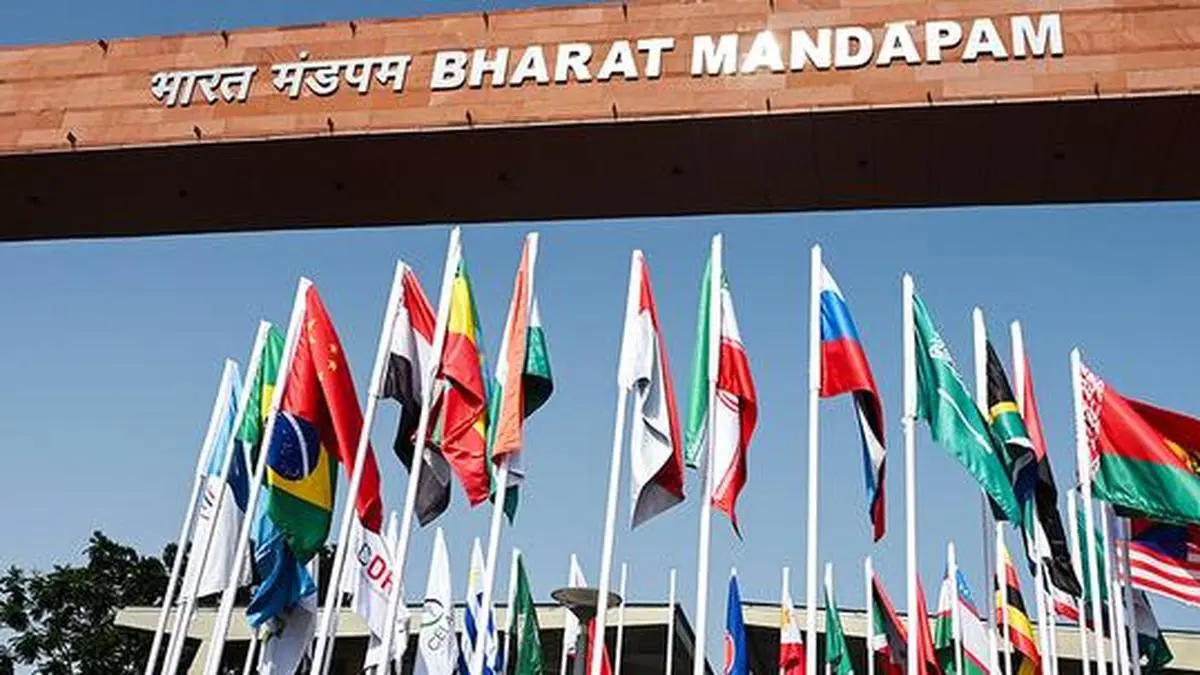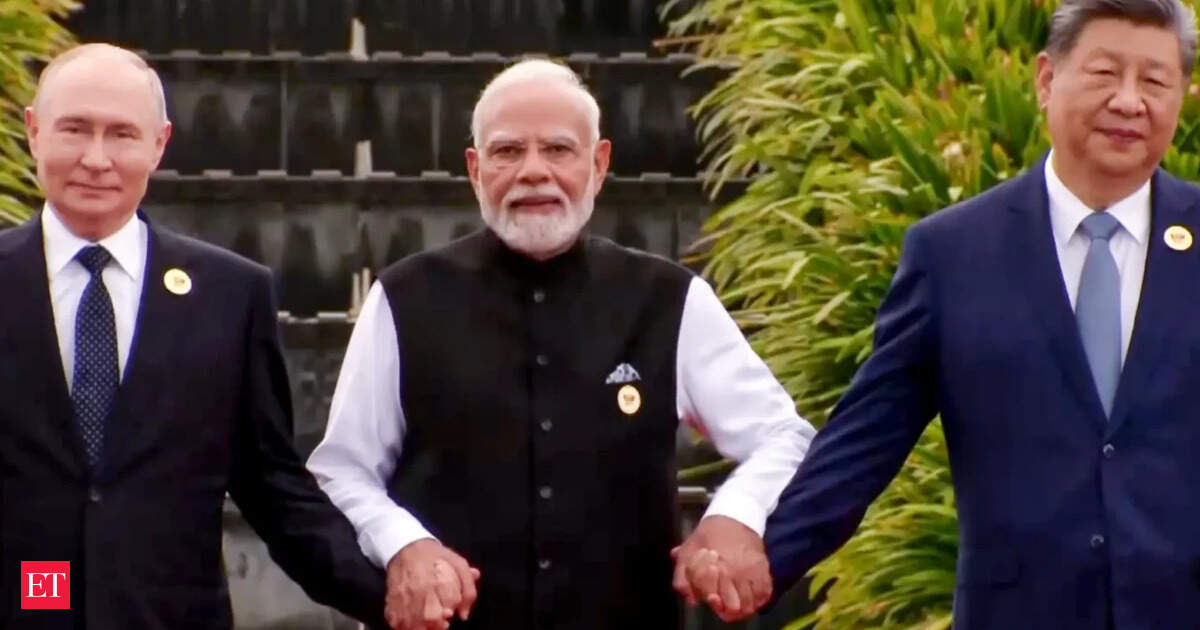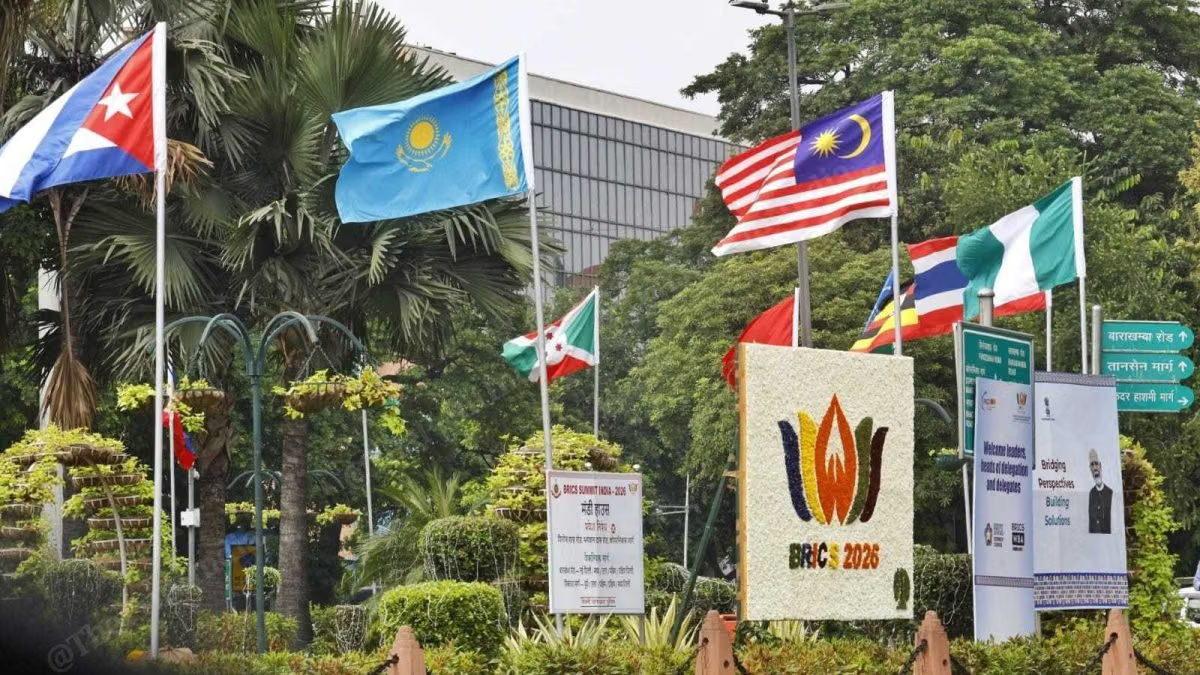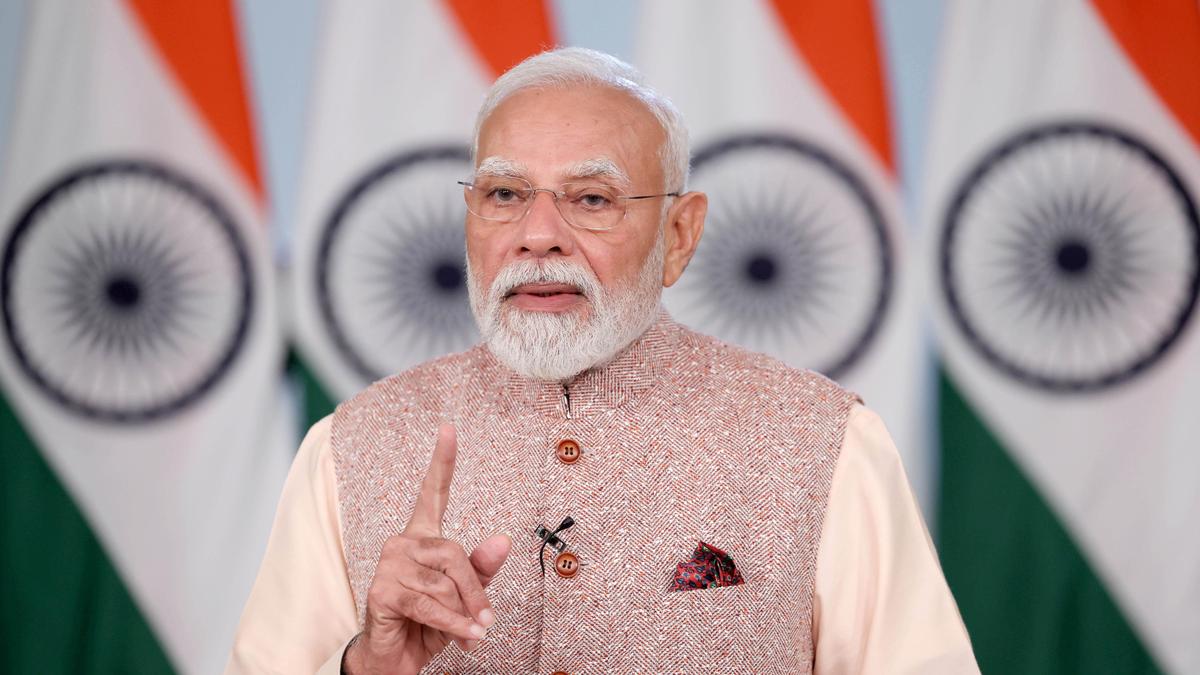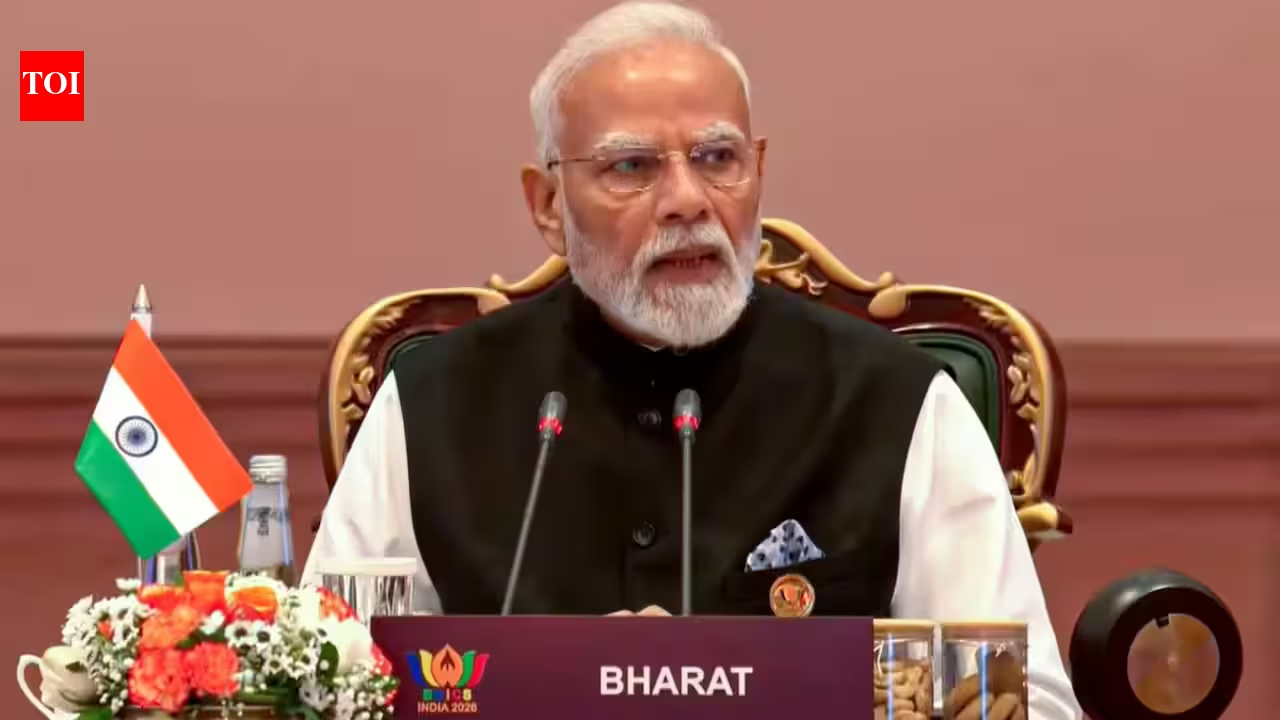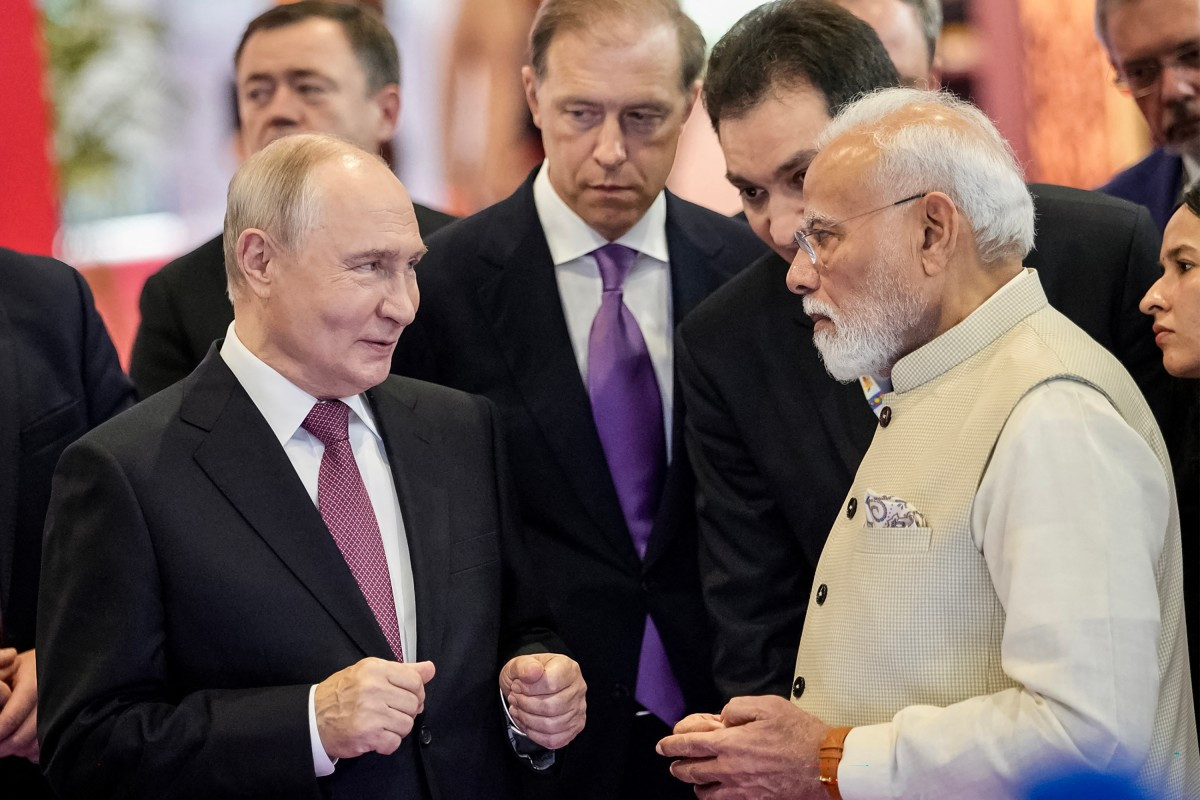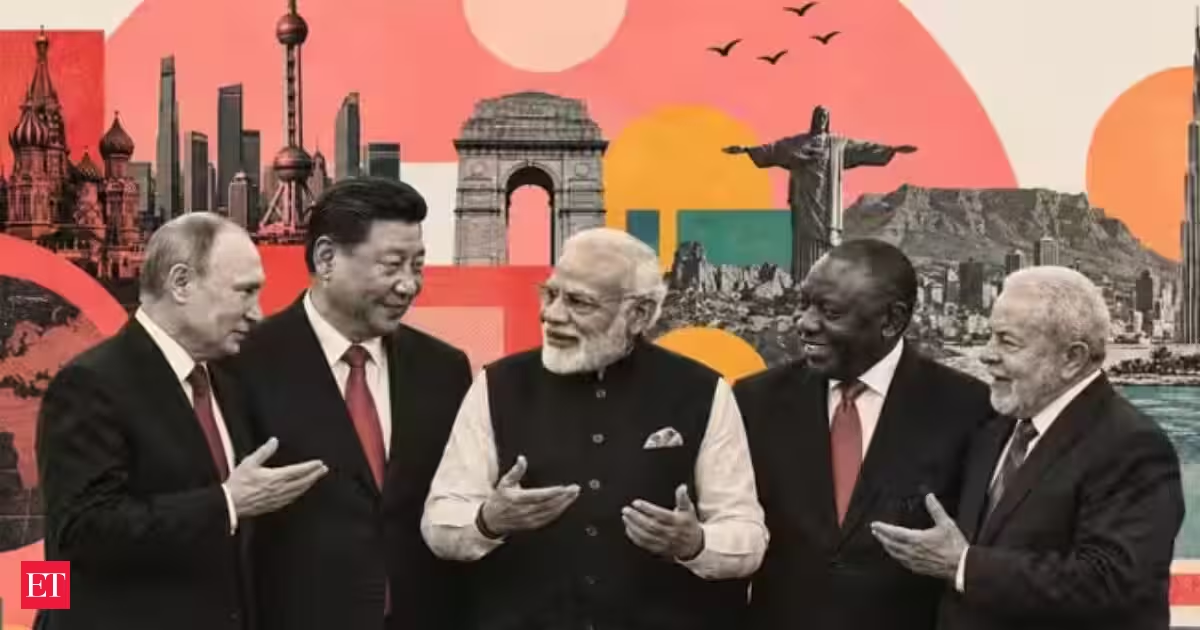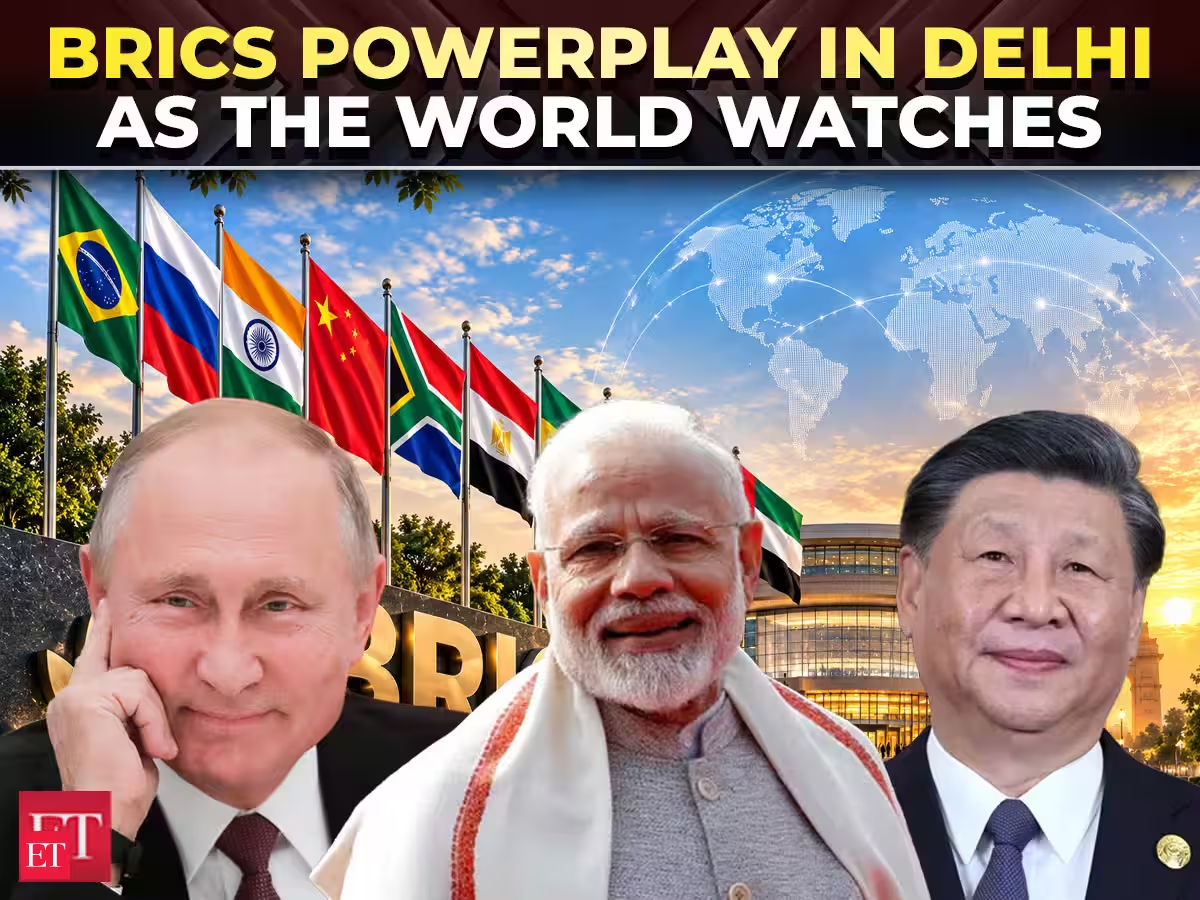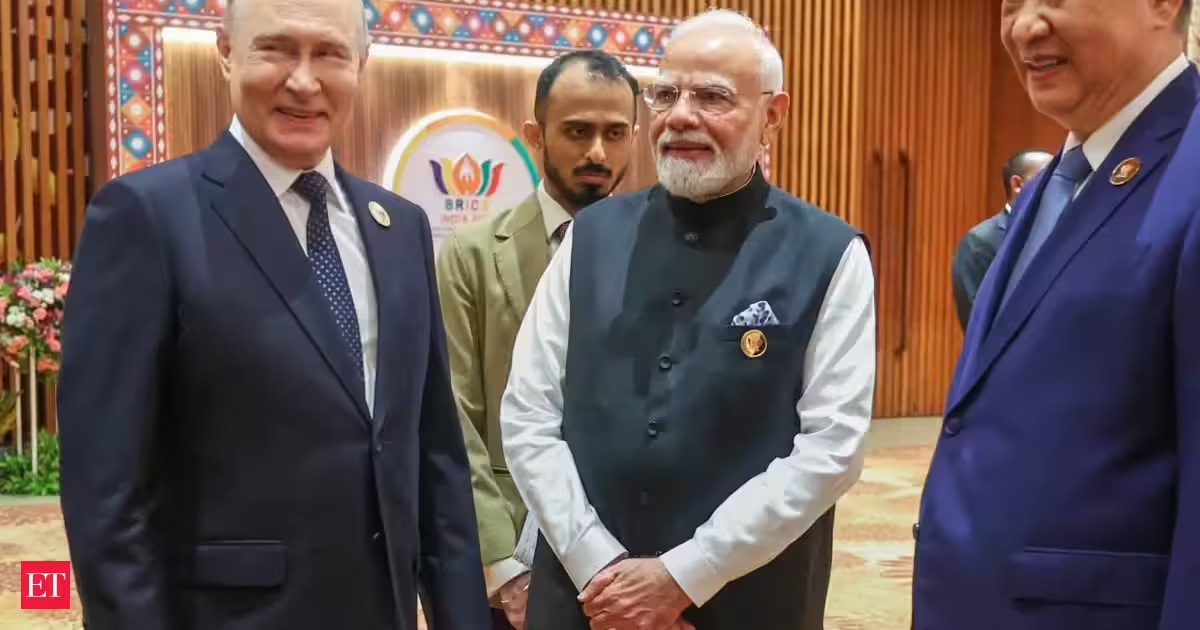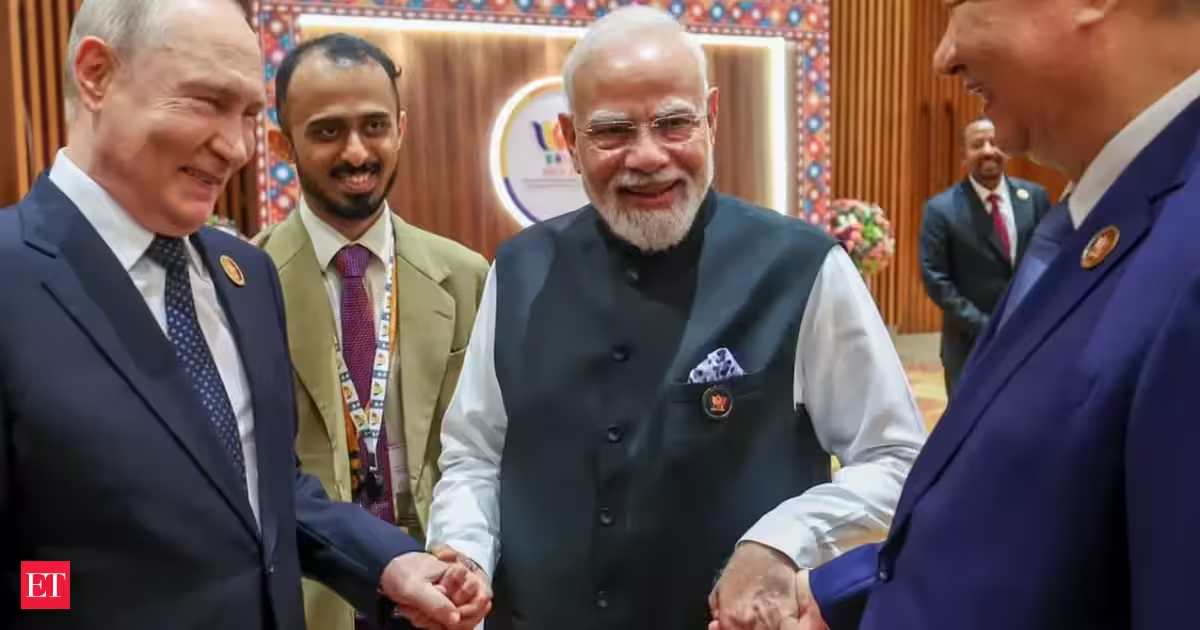
When Prime Minister Narendra Modi, Chinese President Xi Jinping and Russian President Vladimir Putin stood together in New Delhi at the BRICS summit, the photograph carried a message larger than the three men in the frame.A year after their much-publicised huddle at the Shanghai Cooperation Organisation summit in Tianjin, Modi, Xi and Putin were together again, this time at a summit of an expanded BRICS that represents nearly half the world's population and has become an increasingly important platform for countries seeking a bigger voice in global affairs.Also Read: BRICS leaders adopt New Delhi declaration, voice concerns over 'unilateral' tariffs and non-tariff trade barriersIt image was striking because the three countries are increasingly part of a world in which power is being distributed across more centres, and BRICS is becoming one of the places where that transition is taking institutional shape.BRICS leaders unanimously adopted the New Delhi Declaration on Saturday after India worked through differences among members, including over the conflict involving Iran and the UAE. The declaration raised concerns over unilateral tariffs and non-tariff barriers, condemned unilateral coercive measures and called for continued work on practical solutions for cross-border payments.Follow all BRICS related stories hereOnly months earlier, BRICS foreign ministers had failed to issue a joint statement in New Delhi, underscoring how difficult consensus can be in the expanded grouping.The fact that the 11 members managed to reach agreement this time is therefore more than diplomatic housekeeping. It suggests that despite their differences, the countries see enough value in the BRICS platform to keep building it.And that is perhaps the most important message from the Modi-Xi-Putin photograph: the emerging order does not necessarily require countries to agree on everything. It requires them to have institutions where their interests can overlap.ANIPutin-Modi-Xi The old map of power is getting crowdedBRICS has come a long way from the four-country acronym coined by Goldman Sachs economist Jim O'Neill in 2001.Brazil, Russia, India and China became a political grouping in 2009, South Africa joined in 2011, and Egypt, Ethiopia, Iran and the UAE entered in 2024. Indonesia joined in 2025, taking the grouping to 11 members, while Saudi Arabia has participated in BRICS processes without consistently confirming formal accession.Its members now stretch across major manufacturing economies, energy exporters, commodity producers and some of the world's fastest-growing markets. Together, they account for roughly 49% of the world's population, 39% of global GDP and 23% of international trade.Also Read: BRICS at 20 enters coming-of-age phase, PM Modi calls for ambitious agenda for next two decadesThat makes BRICS increasingly difficult to treat as a diplomatic talking shop.Its ambition is also no longer limited to demanding a greater voice in institutions created after World War II. The grouping is trying to build practical mechanisms of its own, from development finance to payment links and greater use of national currencies.This is where the changing geopolitical order becomes tangible.ANIBRICS 2026 picture with all countries' leadersThe BRICS idea is moving into the plumbingThe most consequential changes may not come from a dramatic new BRICS currency or a single declaration against the West. They may come from the infrastructure underneath global trade.BRICS countries have been working on making cross-border payments faster, cheaper and more accessible, including through greater interoperability between their payment systems. India's UPI and Brazil's Pix have emerged as examples of the scale that domestic instant-payment systems can achieve, while BRICS discussions are looking at how such systems can be connected across borders.The objective is not necessarily to eliminate the dollar.It is to create alternatives. That distinction matters. A world with multiple payment channels, more local-currency settlement and additional sources of development finance would give countries greater room to choose how they trade and invest.The New Development Bank provides another piece of that architecture. Established in 2015, it has approved about $42.9 billion for 139 projects, while India had 32 approved projects worth $9.53 billion by the end of 2025.These institutions are still small compared with the World Bank and other established lenders.But the significance of BRICS lies less in whether it can replace Western institutions than in whether it can build enough alternatives to give emerging economies greater bargaining power.India is at the centre of that balancing actFor New Delhi, this is not a project to create an anti-American bloc. India's BRICS strategy has always been more nuanced and includes preserving strategic autonomy, strengthening the voice of the Global South and expanding India's options while continuing to work with the US, Europe, Japan and other Western partners.That makes India's position increasingly important as the global system becomes more fragmented.New Delhi has close strategic ties with Washington. It remains one of Russia's most important economic and defence partners. At the same time, China is India's largest source of imports, and the two Asian powers have begun rebuilding a relationship badly damaged by the 2020 Galwan clash.Xi's visit to India, his first in seven years, is therefore significant beyond BRICS.The two countries have moved cautiously towards stabilising ties since the 2024 disengagement agreement along the disputed frontier. Direct flights have resumed and diplomatic and commercial engagement has picked up, even as major security and territorial concerns remain.China has again become India's largest source of imports, with supplies of critical components making the economic relationship impossible to ignore. Reuters reported that Chinese supplies to India reached $132 billion in 2025/26.A stable India-China relationship does not mean a strategic partnership.It means that the world's two most populous countries can compete, cooperate and manage differences without allowing every disagreement to become a wider geopolitical rupture.Modi's advantage is that India does not have to chooseThe Modi-Xi-Putin picture also captures something distinctive about India's foreign policy. New Delhi is increasingly comfortable sitting at several tables at once.India can deepen defence, energy and trade ties with Russia while urging Moscow to pursue dialogue and diplomacy on Ukraine. It can work with the US through the Quad while resisting pressure that constrains its economic relationship with Moscow. It can seek a more stable relationship with China while remaining deeply concerned about the border and trade imbalance.The emerging order is not necessarily one in which countries switch allegiance from Washington to Beijing, or from the West to BRICS.It is one in which countries want the ability to work with several power centres at once. Russia wants alternatives. China wants influence. India wants roomThat is why the three leaders can stand together despite having very different motivations.For Russia, BRICS has become particularly important as sanctions and its confrontation with the West have pushed Moscow towards non-Western markets, payment arrangements and diplomatic partners.For China, the grouping provides another avenue to press for a more representative international system and greater influence in institutions where Western powers have traditionally held disproportionate weight.For India, BRICS offers something different: a platform through which it can push for reform without joining an anti-Western camp.The three objectives overlap just enough. That is the real strength of the grouping.Modi's message at the summit captured the larger ambition.The Global South, he argued, should move from being at the “back row” of global decision-making to having a meaningful role in shaping the future.That demand is becoming harder to dismiss simply because the economic weight behind it is growing.The expansion of BRICS has brought together countries that collectively represent a huge share of the world's population and an increasingly significant portion of global output. Their demand for reform of the UN Security Council, IMF, World Bank and other institutions is therefore backed by a much larger economic constituency than it was when BRICS was first created.The handshake is the signal, not the outcomeThat is why the Modi-Xi-Putin photograph matters. It does not prove that the three countries have solved their differences. It does not mean BRICS has become a unified geopolitical bloc. And it certainly does not mean the dollar or Western institutions are about to disappear.What it shows is something subtler, and potentially more consequential.India, China, Russia and the other BRICS members are building more economic links among themselves, demanding greater representation in global institutions and exploring financial and technological mechanisms that reduce their dependence on any single external power.The New Delhi Declaration showed that an expanded BRICS can still find common ground even when its members are divided by wars and competing interests.The Modi-Xi thaw showed that geopolitical competition can coexist with economic engagement.The Modi-Putin meeting showed that India's longstanding strategic partnership with Russia remains resilient, with both sides seeking to deepen trade, defence, energy and other cooperation.Taken together, these developments point to a world that is not neatly dividing into two camps. It is a picture of the old one changing.
The Modi-Xi-Putin picture and the rise of a multipolar world trying to remake global power
The expanded BRICS grouping now represents nearly half the world's population. Leaders adopted the New Delhi Declaration, showing consensus despite differences. BRICS aims to build practical mechanisms for global trade and finance. India seeks strategic autonomy and a stronger voice for the Global South. This evolving order allows countries to engage multiple power centers simultaneously.
1,433 words~7 min read