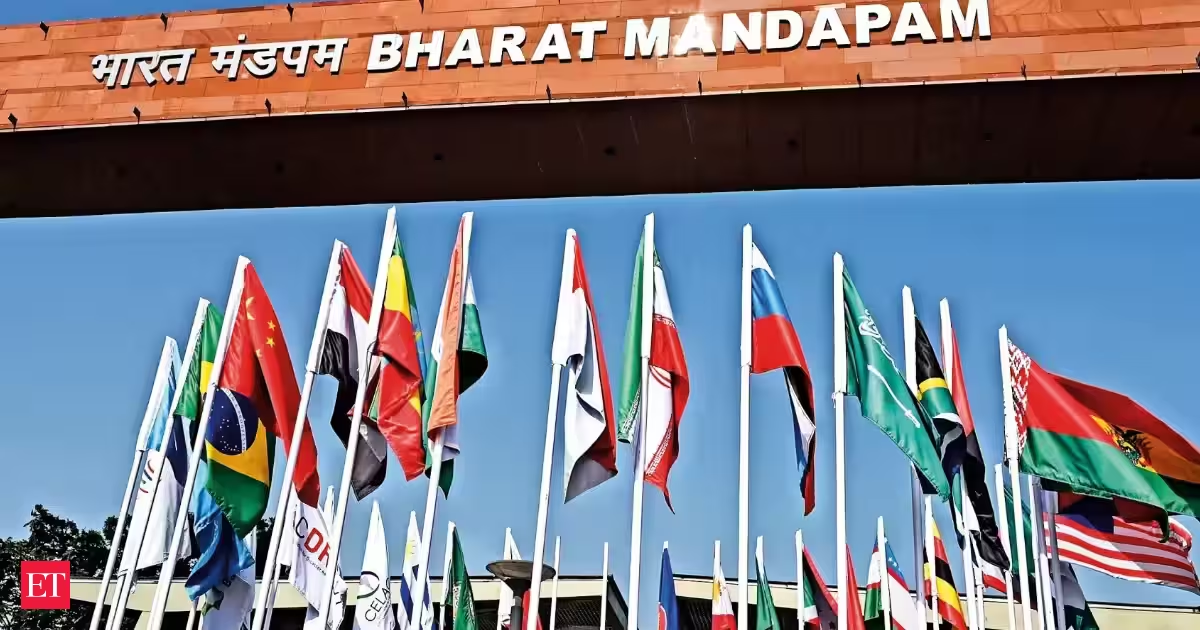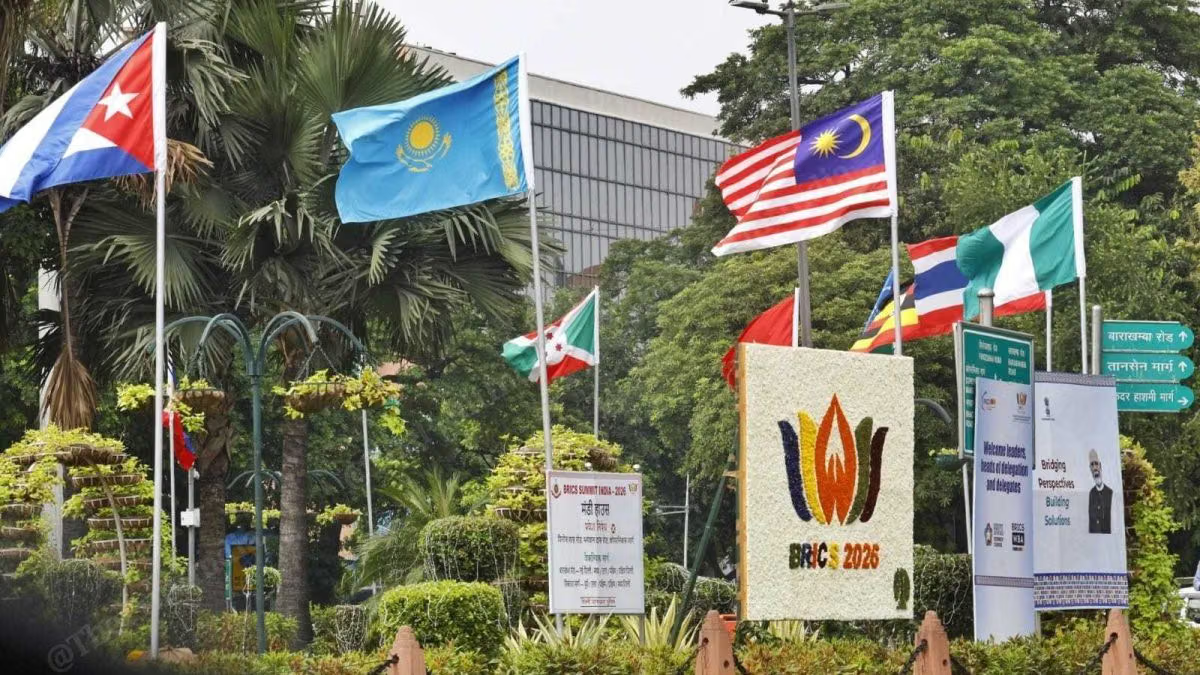
New Delhi: New Delhi’s BRICS moment arrives at a critical moment in geopolitics, even as the expanded grouping grapples for consensus over a range of issues — from conflicts in West Asia to reform of the United Nations Security Council. Chinese President Xi Jinping, Russian President Vladimir Putin and Iranian President Masoud Pezeshkian are among the leaders attending the BRICS 2026 summit, in a show of diplomatic force among non-Western economies. The scale and scope of the diplomacy in the offing make BRICS ThePrint’s Newsmaker of the Week.
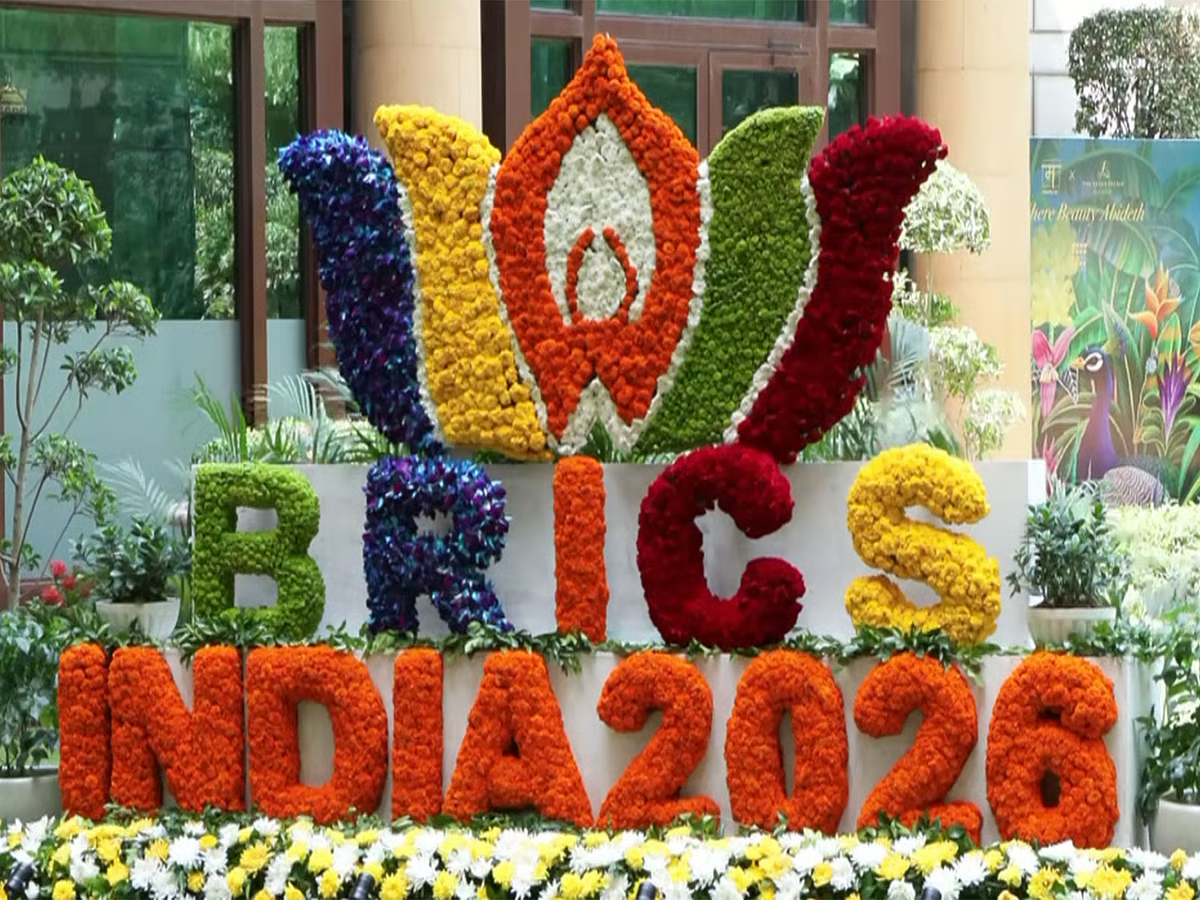
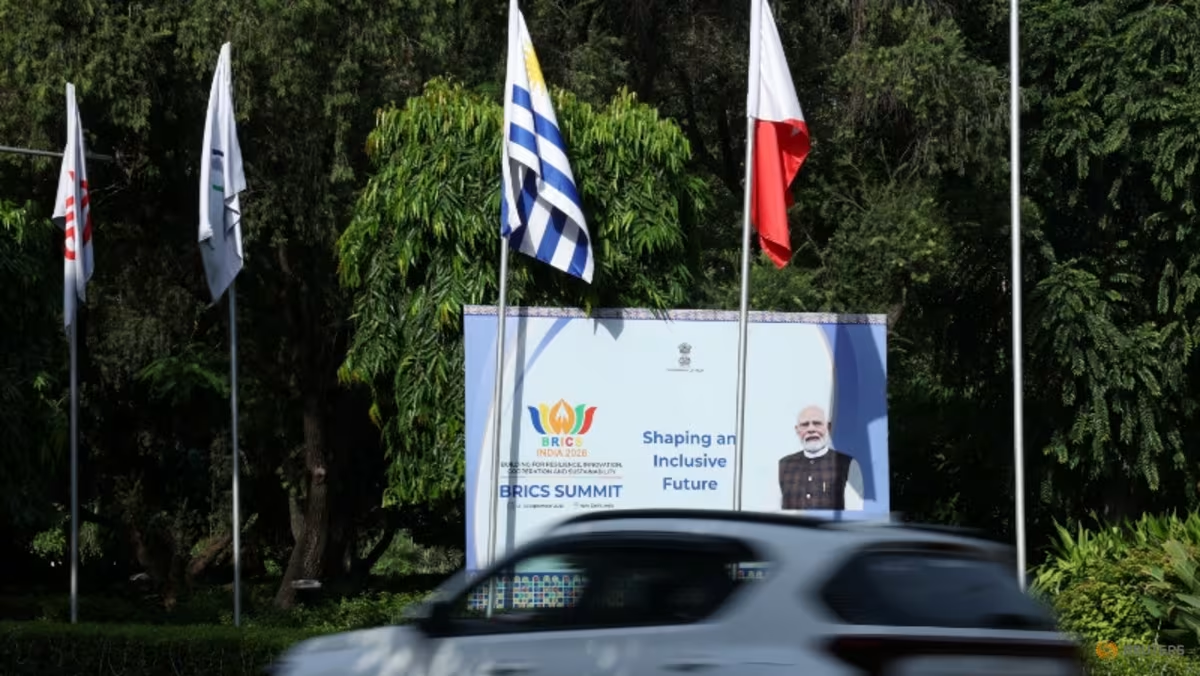
India’s fourth chairship of the grouping has been a rather low-key affair. The pomp and show seen during the last major geopolitical summit hosted by New Delhi – the G20 Leaders’ Summit in September 2023 – has been largely missing.The G20 summit witnessed months-long city beautification drives, colourful murals around the national capital and huge billboards of Prime Minister Narendra Modi welcoming the delegates. In contrast, the preparations have been far more subdued this time around, as Bloomberg noted in a report.
BRICS has also come under the scanner of the US, with President Donald Trump promising steep tariffs if the grouping’s 11 member states – Brazil, Russia, India, China, South Africa, Egypt, Ethiopia, Indonesia, Iran, the United Arab Emirates and Saudi Arabia — move towards “de-dollarisation.”The organisation is also beset by internal contradiction over the ongoing conflict in West Asia, with Iran and the UAE on opposing sides. These developments point to a more unwieldy grouping that has little to show in terms of substantive outcomes since the New Development Bank was established 11 years ago.Nevertheless, the forum offers India a moment in the geopolitical limelight. For New Delhi, the main challenge will be to bring its two bilateral partners — Iran and the UAE — together and forge consensus on a joint leaders’ declaration. New Delhi’s quiet confidence that it can achieve this would underline its role as a neutral arbiter between countries in West Asia.Such a consensus would come after months of Pakistan claiming success in mediating between Iran and the US, followed by the Islamabad memorandum of understanding that collapsed within days of coming into effect.A successful Indian diplomatic effort would build on New Delhi’s success in bringing Russia, the US and the European Union together on common language regarding the war in Ukraine at the G20 three years ago.It would also strengthen New Delhi’s diplomatic pivot and its pitch to bring Russia and Ukraine to the negotiating table. Modi last month, in the Kyrgyz capital of Bishkek, called on Putin to move from an “endless war to the end of war”. Days later, External Affairs Minister S Jaishankar visited the Ukrainian capital of Kyiv and underlined the necessity of dialogue and diplomacy to end the war, now approaching half a decade.All of this adds to the geopolitical stakes for the Indian presidency. Modi met Putin Friday afternoon and Iranian President Pezeshkian later in the evening. The discussions with both leaders partly focused on global conflicts and their impact on food, fertilisers and fuel.BRICS 2026: A grouping at crossroads