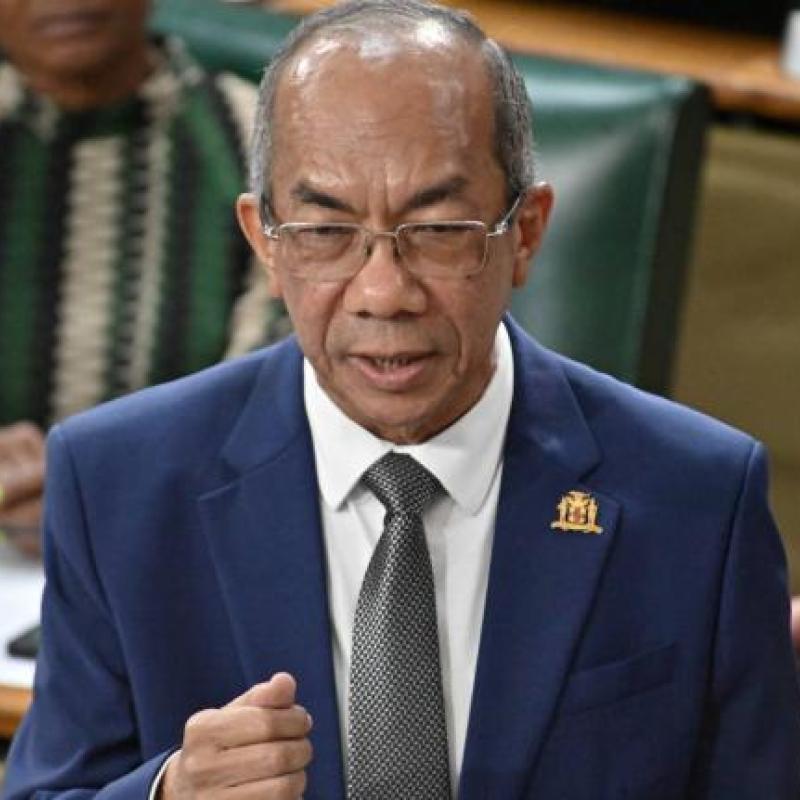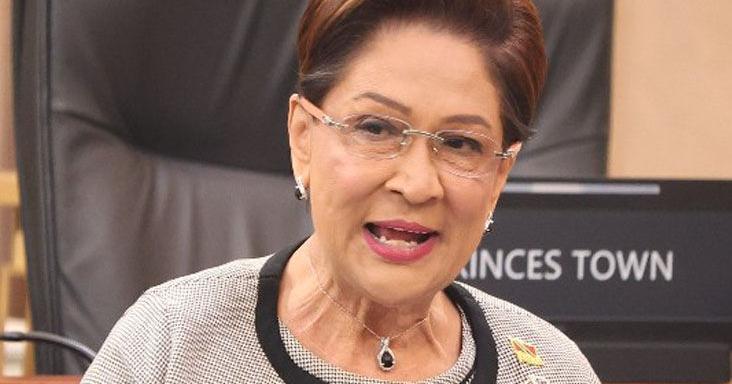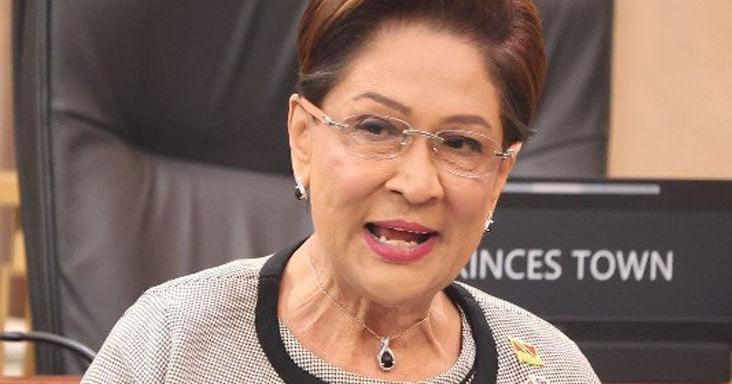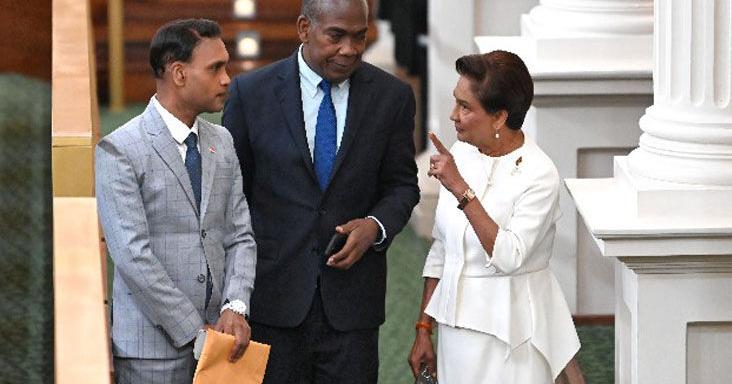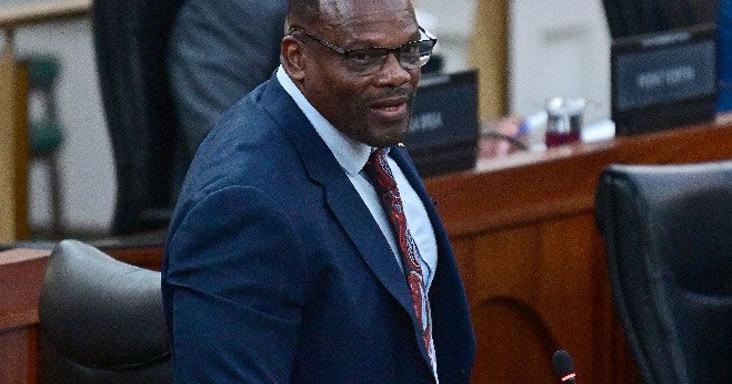
Minister of Homeland Security Roger Alexander has announced that Government will be returning the controversial Zones of Special Operations (ZOSO) to the Parliament.In a statement to the House of Representatives last night, he said the Government will not be extending the state of emergency (SoE), which comes to an end on September 17, 2026.The minister’s statement followed Prime Minister Kamla Persad-Bissessar’s meeting with the National Security Council, including Police Commissioner Allister Guevarro, on Thursday at the Diplomatic Centre, St Ann’s.Alexander said the SoE was one measure within a wider strategy in the anti-crime fight as he detailed measures to treat with crime, including the return of ZOSO.The legislation, he said, is intended to provide special measures to uphold the rule of law, public order, citizen security, and public safety within geographically defined areas.The announcement signals Government’s second attempt this year to secure passage of the legislation.The Law Reform (Zones of Special Operations) (Special Security and Community Development Measures) Bill, 2026 was first introduced in the House of Representatives by Attorney General John Jeremie, SC, on January 16.It passed in the Lower House the following day by 27 votes to 11.However, the legislation required a three-fifths special majority and was defeated in the Senate on January 27, following four sittings of debate.The Government, with 15 senators, needed at least four additional votes for passage.At the final vote, all 15 Government senators supported the legislation, while 14 senators—the six Opposition senators and eight Independent senators—voted against it.Independent Senator Courtney Mc Nish abstained.The bill therefore failed to secure the required 19 votes.At the time, the proposed legislation attracted concern over the extensive powers it would have granted to the State to designate geographical areas as special operations zones and deploy enhanced security measures in those communities.The bill provided for areas to be declared ZOSO for up to 180 days.Yesterday, Alexander made it clear that Government intends to revisit the measure as the country transitions out of the SoE.He argued that ZOSO was not simply about sending police and soldiers into troubled communities but was designed to combine security operations with community development.“Its importance lies in its combined approach,” he said.Alexander said ZOSO “is not simply about entering a community with law enforcement but it is about security and community development operating together.“It allows the State to concentrate resources in an area affected by serious crime, while also addressing the conditions that criminal organisations exploit.”He said this would include better co-ordination of public services, community engagement, and targeted social intervention, alongside firm action against gangs, guns and violence.Public safety should notbecome a casualtyAlexander also threw the issue back at parliamentarians, saying when the legislation returns, every member would have to determine whether it offered greater protection to vulnerable communities.“When that bill returns to this House, every member will have a responsibility to judge it on whether it gives vulnerable communities stronger protection and better State support. Public safety should not become a partisan casualty,” he said.Alexander said Government had never presented the SoE as the sole answer to crime.“It is one instrument within a broader and continuing national security strategy,” he said.That strategy involved strengthening manpower, improving police mobility and visibility, modernising legislation and technology, protecting the country’s borders, disrupting trafficking and cyber-crime, and addressing the social and behavioural conditions that placed young people at risk.Alexander said 233 police recruits were progressing towards their passing-out ceremony.“That means more trained officers preparing to serve the people of Trinidad and Tobago,” he said.Recruitment will continue, he said, because sustained policing required sustained investment in people.Cabinet has also approved the absorption of 800 Special Reserve Police officers into the regular T&T Police Service (TTPS).Alexander described them as experienced officers who were already contributing on the front line.He said the initiative was intended to reduce the manpower gap, strengthen divisional capacity, and provide the TTPS with additional personnel for patrols, investigations, community policing and specialist operations.The strengthening of the protective services, he said, was not limited to the police.Prison Service recruitment and training were also being advanced.Alexander said 250 Prison Service recruits from the latest intake were already in training by July as part of a programme to recruit 800 prison officers by 2027.“We are rebuilding the front line across the protective services,” he said.He also announced that six joint police and Defence Force mobile units have been positioned and are scheduled to become operational shortly.Another 24 units are to be placed at strategic locations throughout T&T based on operational assessments and community needs.“Visible security must not remain concentrated in offices and compounds. It must be present where people live, work, travel, study, and conduct business,” he said. “We are taking security closer to the people.”
Govt to bring back ZOSO Bill
Minister of Homeland Security Roger Alexander has announced that Government will be returning the controversial Zones of Special Operations (ZOSO) to the Parliament.In a statement to the House of Representatives
778 words~4 min read