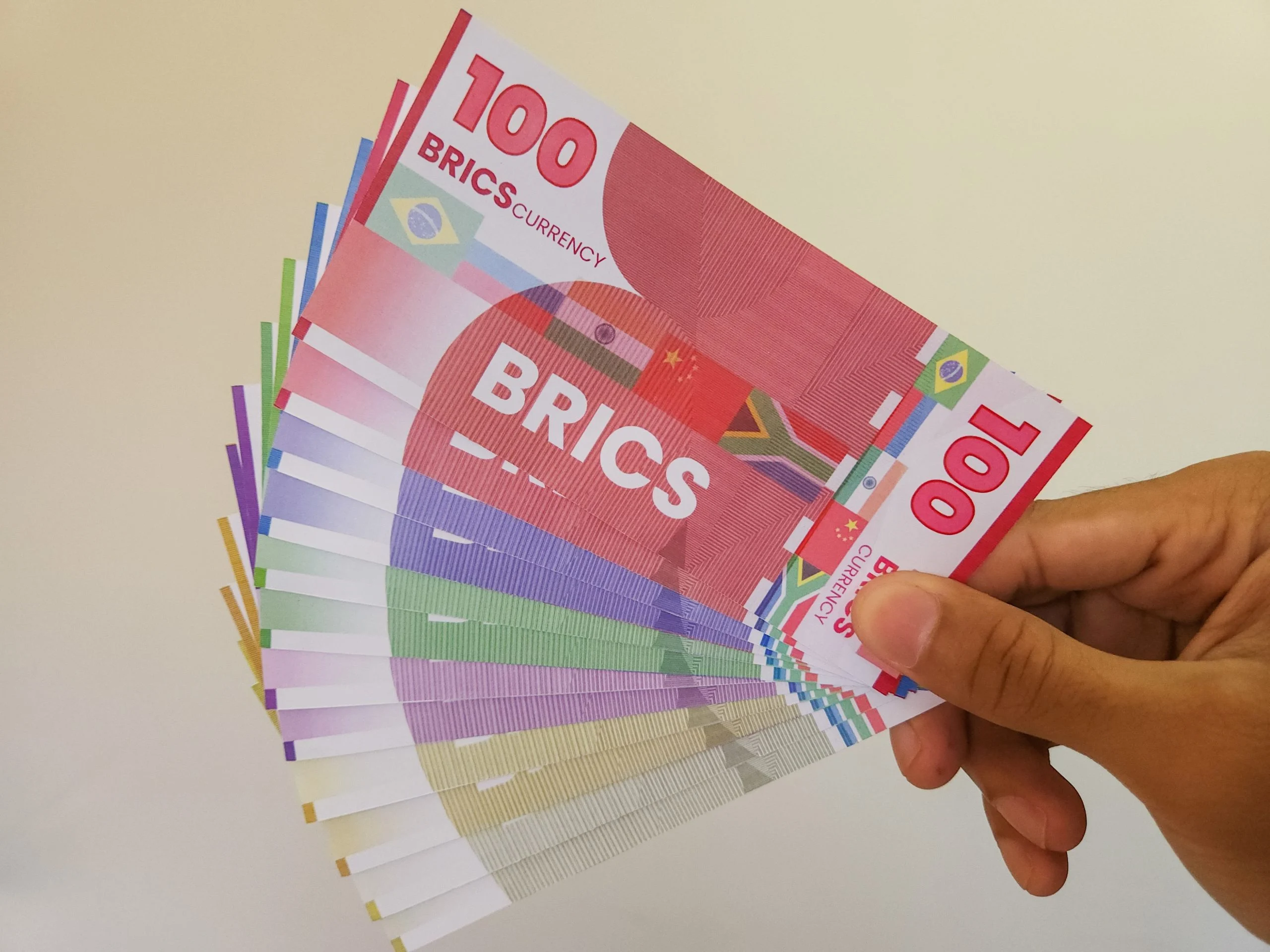
SynopsisThere is no mention of a common BRICS currency or a formal call for replacement of the US dollar. Instead, the document sticks to the more incremental, technocratic language the bloc has used since Rio and Kazan: interoperable payment systems, local-currency settlement, and voluntary cooperation among members who "respect national priorities."Listen to this article in summarized formatReutersDe-dollarisation would mean settling more bilateral trade in national currencies; linking or improving payment and messaging systems.For a grouping often associated with the idea of loosening the dollar’s grip on global finance, BRICS is taking a measured route, focusing less on replacing the US currency and more on building alternatives around local currencies and cross-border payments.The joint statement issued after a meeting of BRICS finance ministers and central bank governors makes no reference to a common BRICS currency or a formal move to replace the dollar. Instead, it emphasises interoperable payment systems, local-currency settlements and voluntary cooperation that respects national priorities.The statement backed the work of the BRICS Payment Task Force (BPTF) in exploring pragmatic solutions for cross-border payments. It called for continued efforts to develop payment mechanisms that are fast, low-cost, accessible, efficient, transparent and safe.The push for de-dollarisation, however, remains central to the wider BRICS debate, as remarks by Iranian President Masoud Pezeshkian and Russian President Vladimir Putin at the BRICS Business Forum in New Delhi showed.Also read | BRICS Summit 2026 full coveragePezeshkian made a strong case for reducing dependence on the dollar. He called for wider use of national currencies in trade among BRICS members, along with instruments to manage currency risks and reciprocal settlements. He argued that the concentration of the international financial system around a limited number of currencies leaves economies exposed to political shocks.Ahead of the summit, Pezeshkian had also pointed to the New Development Bank (NDB), saying its financial capacity could help BRICS members conduct economic transactions with less dependence on the US currency.For Iran, which faces extensive US sanctions, alternative payment mechanisms, greater use of national currencies and BRICS institutions offer a way to reduce exposure to dollar-based financial restrictions.Putin also argued that sanctions, secondary sanctions and other measures were being used to restrict international trade. He said BRICS should work towards a new and sustainable platform for global growth.Russia has a strong incentive to develop financial channels outside Western systems after sanctions sharply limited its access to parts of the dollar- and euro-based financial architecture.De-dollarisation: Aspiration versus realityDe-dollarisation would involve more bilateral trade in national currencies, interconnected payment and messaging systems, fewer intermediaries, greater local-currency financing by the NDB, stronger BRICS financial safety nets and instruments to attract private capital.Also read | BRICS already has the big oil arsenal. Now comes the hard partThe joint statement called on the NDB to expand local-currency financing and diversify its funding sources. It also supported the BRICS Multilateral Guarantees initiative to improve project creditworthiness, reduce financing costs and attract private capital.Replacing the dollar, however, remains difficult. Its dominance rests on the depth and liquidity of US financial markets, its role in global trade and commodity pricing, and the scale of dollar-denominated markets.BRICS members also face uneven currency internationalisation, limited convertibility and imbalanced trade. These gaps can make local-currency settlements difficult because countries accumulating another member’s currency need deep markets where those holdings can be invested or spent.India has backed greater use of local currencies and more efficient cross-border payments. At the BRICS Business Forum, Commerce and Industry Minister Piyush Goyal called for payment systems to be linked and local-currency trade to be expanded, citing India’s Unified Payments Interface as an example of infrastructure that could support wider cross-border connectivity.Read More News on
De-dollarisation: BRICS takes a measured route, focuses more on payments and not on common currency
There is no mention of a common BRICS currency or a formal call for replacement of the US dollar. Instead, the document sticks to the more incremental, technocratic language the bloc has used since Rio and Kazan: interoperable payment systems, local-currency settlement, and voluntary cooperation among members who "respect national priorities."
605 words~3 min read