Linking BRICS payment systems and CBDCs could make it easier for members to settle trade directly in their local currencies, reducing the need to use the dollar or euro as an intermediary currency
| Photo Credit:
tommy
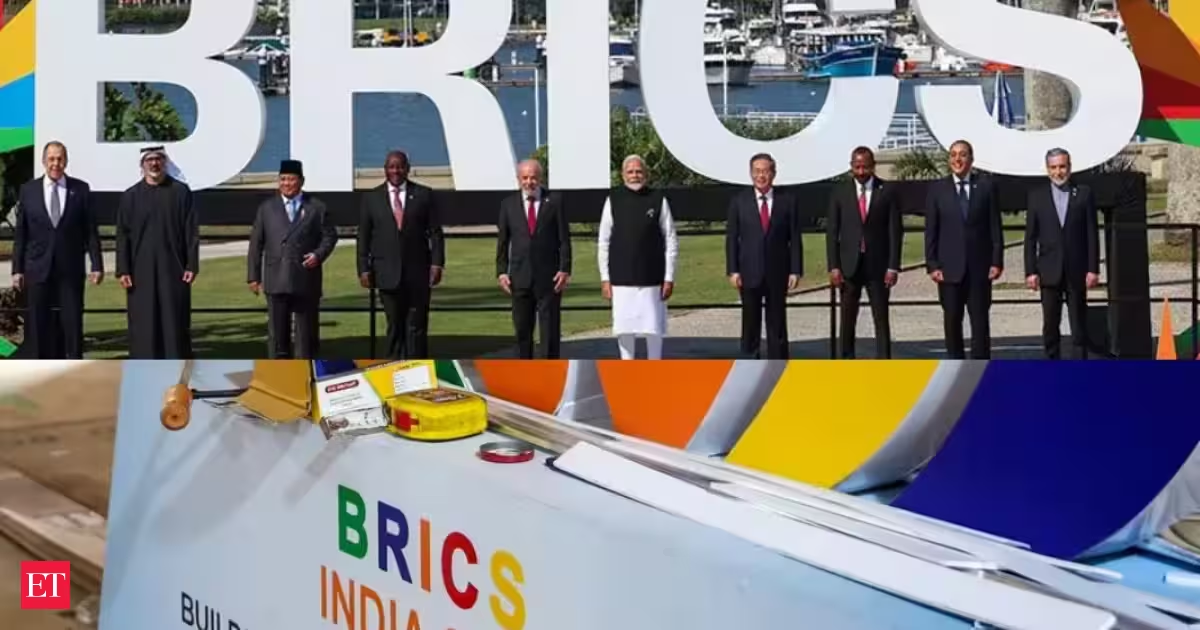
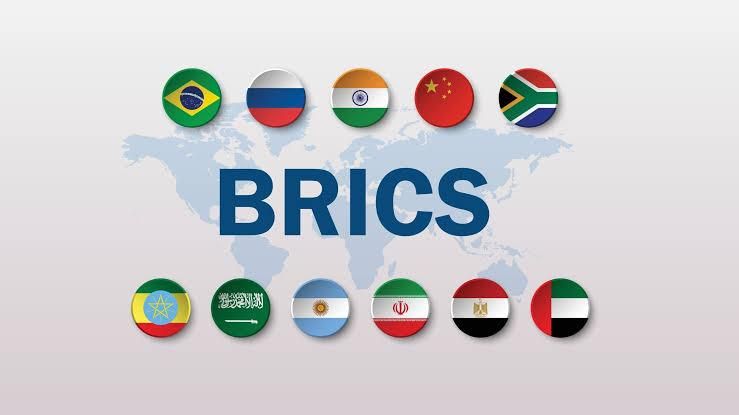
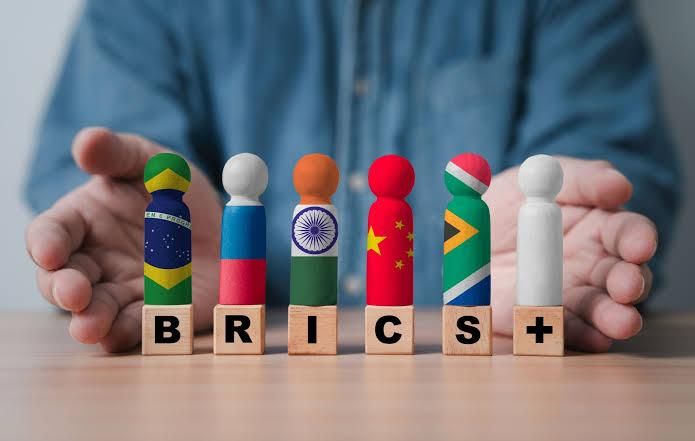
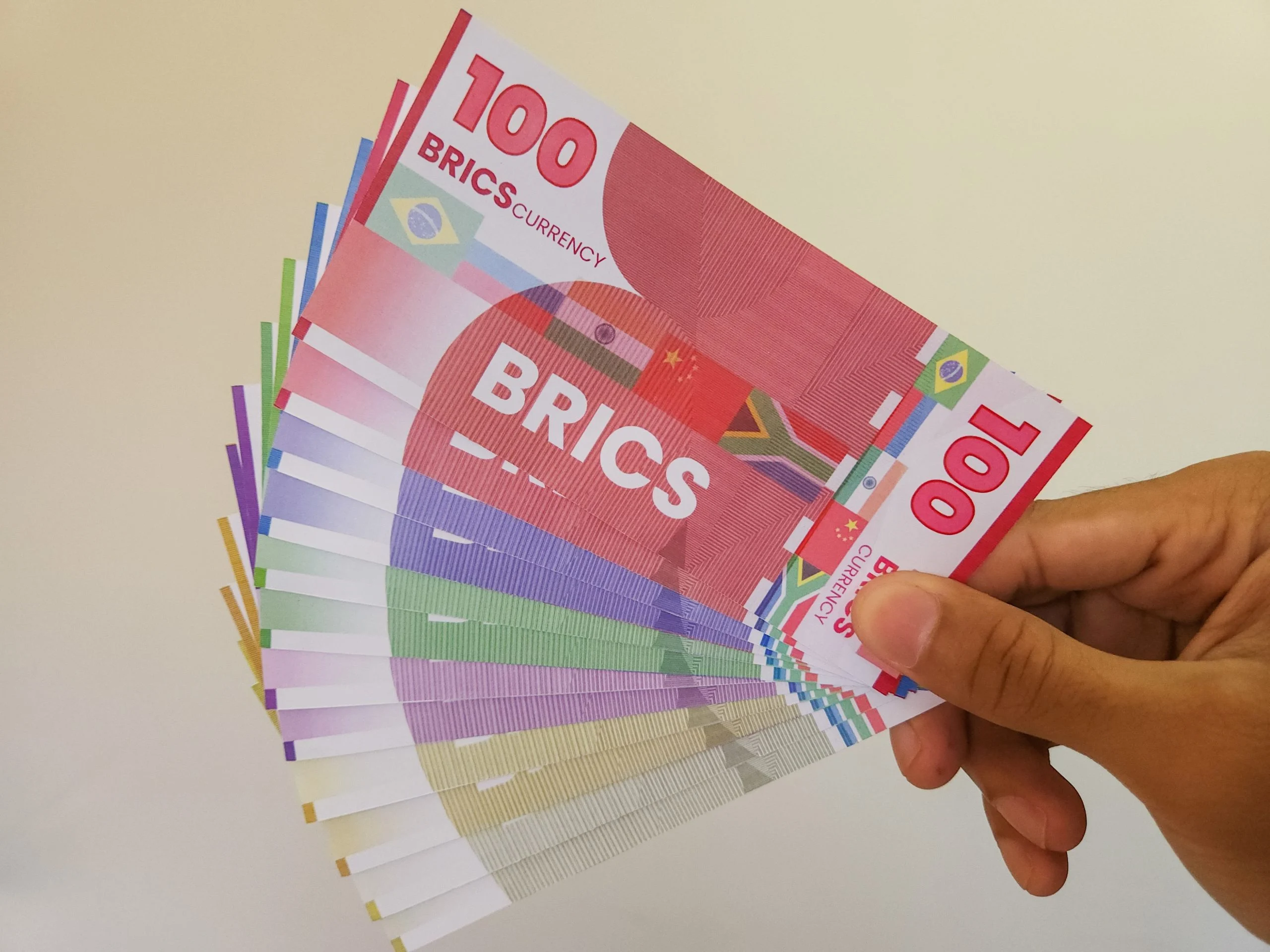
The BRICS Summit in New Delhi next month is likely to push for mechanisms to facilitate cross-border payments between members, including links between digital payment systems and central bank digital currencies (CBDCs). India has projected these as a way to cut transaction costs and boost trade and investment, rather than as an alternative to global payment systems, or an attempt at de-dollarisation, said sources.“The BRICS Finance Ministers and Central Bank Governors (FMCBG) track is expected to meet again early September to provide greater clarity on the possible way forward on CBDC and fast payment system linkages that could be adopted at the BRICS Summit,” a source tracking the matter told businessline.W. Asia crisisThe heads of state and senior representatives of the 11-member BRICS, including Brazil, Russia, India, China, South Africa, Egypt, Ethiopia, Saudi Arabia, the UAE, Iran and Indonesia, will meet in New Delhi on September 12-13, against the backdrop of the West Asia crisis and escalating US tariff pressures.Before the BRICS meeting, the issues of financial cooperation, cross-border payments and the greater use of national currencies in mutual settlements were discussed by the BRICS FMCBG in Jaipur on August 12-13.Linking BRICS payment systems and CBDCs could make it easier for members to settle trade directly in their local currencies, reducing the need to use the dollar or euro as an intermediary currency, another source explained. “The gains would come from lower currency-conversion and transaction costs, faster settlement and reduced demand for hard currency liquidity, while also giving member currencies a greater role in international trade,” said the second source.BRICS currencyHowever, officials have sought to distinguish these efforts from any move to create a common BRICS currency, or replace the US dollar. The emphasis, instead, is on interoperability, lower costs and faster settlement through existing national currencies, digital currencies and payment infrastructure.The clarification comes amid US President Donald Trump’s earlier threats of imposing 100 per cent tariffs on BRICS countries’ exports if they tried to replace the US dollar as the main currency in global trade.“The aim of this discussion is to look at practical mechanisms to reduce transaction costs for bilateral trade. And, this has been encouraged as complementary to what we already have globally in terms of payment and settlement systems. I would like to also say that these discussions are not framed against country A, country B, or grouping A, grouping B; they stand on their own footing,” said the source.India has already established cross-border payment integration with the UAE and is working on similar systems with individual BRICS member countries such as Russia, Saudi Arabia, Egypt and Ethiopia.Published on August 27, 2026