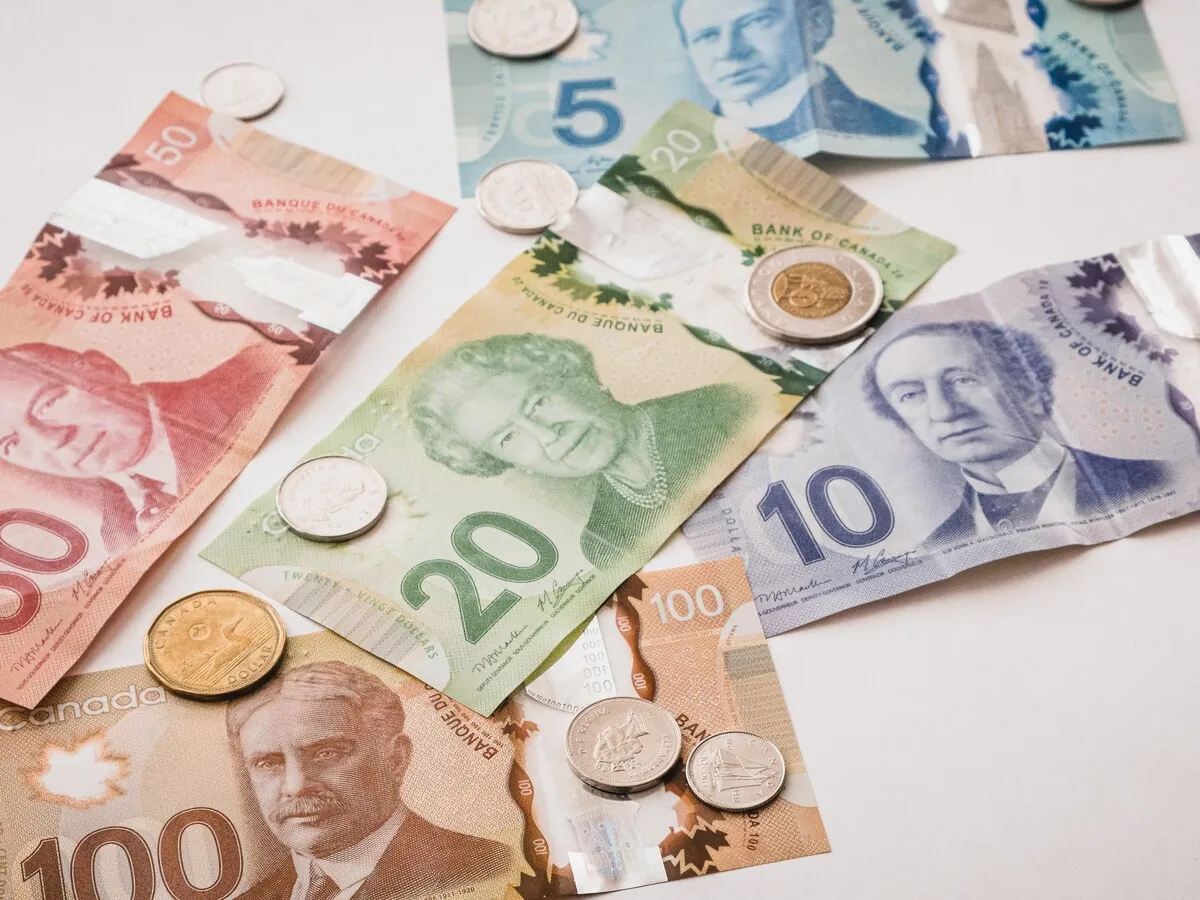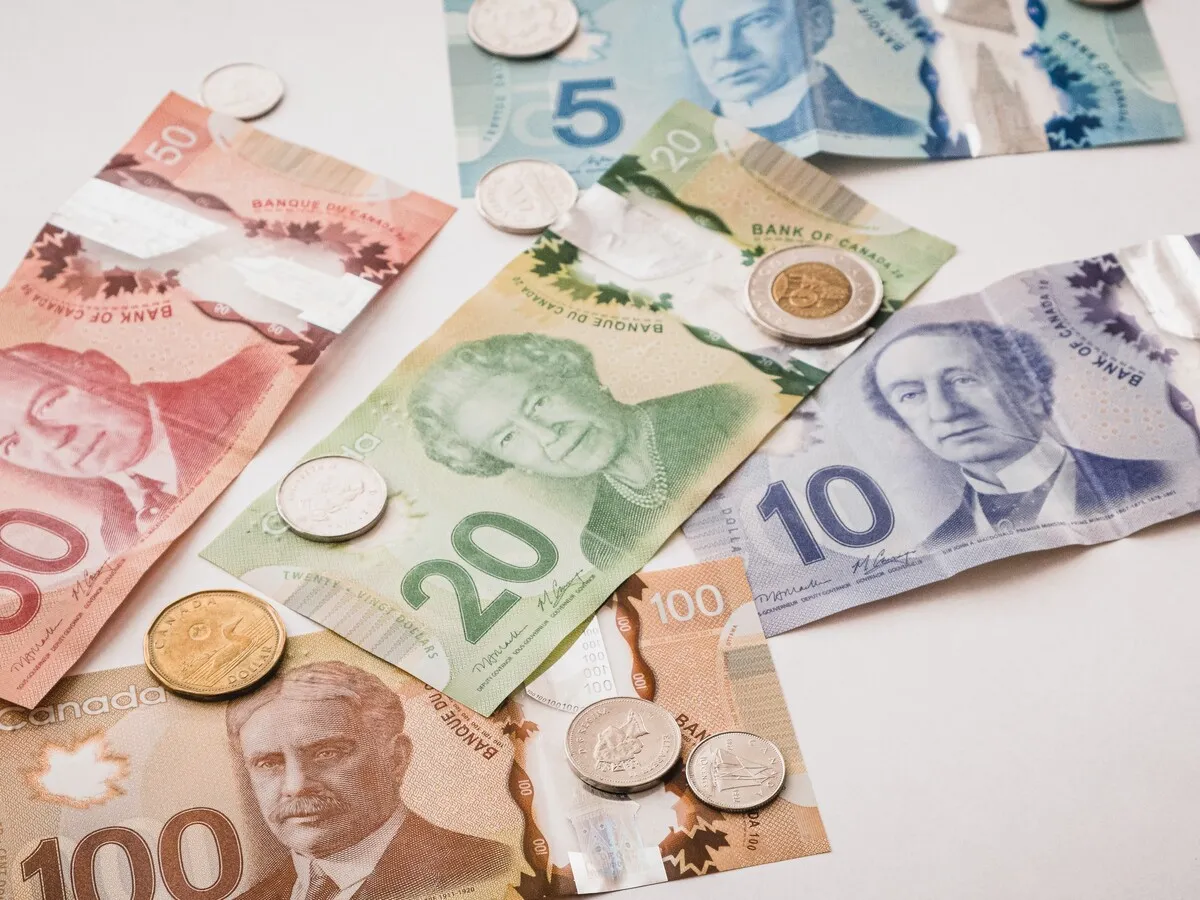
Skip to Content News Archives Economy Energy Oil & Gas Renewables Electric Vehicles Mining Commodities Agriculture Real Estate Mortgages Mortgage Rates Finance Banking Insurance Fintech Cryptocurrency Work Wealth Smart Money Wealth Management Investor Personal Finance Family Finance Retirement Taxes High Net Worth FP Comment Executive Women Puzzmo Newsletters Financial Times Business Essentials More Innovation Information Technology FP500 Podcasts Small Business Lives Told Tails Told Shopping Financial Post Store Obituaries Place a Notice Advertising Advertising With Us Advertising Solutions Postmedia Ad Manager Sponsorship Requests Classifieds Place a Classifieds ad Working Profile Settings My Subscriptions My Offers Newsletters Customer Service FAQ News Economy Energy Mining Real Estate Finance Work Wealth Investor FP Comment Executive Women Puzzmo Newsletters Financial Times Business Essentials HomeWealthCanadian household wealth tops $19 trillion for the first time as equities drive a 'blow-away quarter'Households added about half a trillion dollars to their collective wealth, almost 3% higher than the first quarter of 2026, according to Statistics CanadaHousehold financial assets, which include stocks, underwent their strongest quarterly gain since the fourth quarter of 2020. Photo by Getty ImagesCanadian household wealth eclipsed the $19 trillion mark for the first time in the second quarter of 2026, driven by the rally in equity markets.Subscribe now to read the latest news in your city and across Canada.Exclusive articles from Barbara Shecter, Joe O'Connor, Gabriel Friedman, and others.Daily content from Financial Times, the world's leading global business publication.Unlimited online access to read articles from Financial Post, National Post and 15 news sites across Canada with one account.National Post ePaper, an electronic replica of the print edition to view on any device, share and comment on.Daily puzzles, including the New York Times Crossword.Subscribe now to read the latest news in your city and across Canada.Exclusive articles from Barbara Shecter, Joe O'Connor, Gabriel Friedman and others.Daily content from Financial Times, the world's leading global business publication.Unlimited online access to read articles from Financial Post, National Post and 15 news sites across Canada with one account.National Post ePaper, an electronic replica of the print edition to view on any device, share and comment on.Daily puzzles, including the New York Times Crossword.Create an account or sign in to continue with your reading experience.Access articles from across Canada with one account.Share your thoughts and join the conversation in the comments.Enjoy additional articles per month.Get email updates from your favourite authors.Create an account or sign in to continue with your reading experience.Access articles from across Canada with one accountShare your thoughts and join the conversation in the commentsEnjoy additional articles per monthGet email updates from your favourite authorsSign In or Create an AccountorHouseholds added $550 billion to their collective wealth, a 2.9 per cent jump from the first quarter of the year, to hit $19.4 trillion, according to Statistics Canada’s latest national balance sheet, released Friday. Stock market gains steered the ratio of financial to non-financial assets to its highest level since 2000, with $1.24 in financial assets for every dollar of non-financial assets.Toronto-Dominion (TD) economist Maria Solovieva said she was not expecting such strong growth in household wealth, calling Q2, “a blow-away quarter.”Get the latest headlines, breaking news and columns.By signing up you consent to receive the above newsletter from Postmedia Network Inc.A welcome email is on its way. If you don't see it, please check your junk folder.The next issue of Top Stories will soon be in your inbox.We encountered an issue signing you up. Please try again“We definitely didn’t expect a 4.5 per cent surge in the financial assets,” she said, adding that TD was anticipating roughly half that growth. “That was a positive surprise.”The S&P/TSX Composite index rose 6.4 per cent in the second quarter, nearly double the pace of growth in the first quarter, said Royal Bank of Canada (RBC) economist Rachel Battaglia in a note. “U.S. equities (measured in Canadian dollars) contributed outsized returns of 17 per cent.”Household financial assets, which include stocks, underwent their strongest quarterly gain since the fourth quarter of 2020. Non-financial assets, which include residential real estate, edged upwards by just 0.5 per cent compared with the previous quarter.Equity markets have helped support Canadian financial conditions in the face of trade uncertainty and high energy prices, wrote Tu Ngyuen, an economist for RSM Canada LLP, in an email. “Households became wealthier, even though the impact was most prominent in the top quintile income.”Statistics Canada said in the report that 69 per cent of all financial assets and nearly half of non-financial assets are held by the highest wealth quintile, or the wealthiest fifth of Canadians.The value of household residential real estate ticked up by 0.4 per cent quarter over quarter to a cumulative $8.5 trillion in the second quarter of 2026 (though it dropped 0.3 per cent year over year).The household debt service ratio, an indicator of households’ ability to pay off their debts — measured as total obligated payments of principal and interest on credit market debt as a proportion of household disposable income — declined to 14.5 per cent. This improvement was partially due to households coming out of the mortgage renewal cycle, Soloveiva said.In the second quarter, Canadian households also improved their saving rate to 3.7 per cent as disposable income outpaced spending. Solovieva attributed this in part to stronger income growth as well as the one-time GST/HST credit top-up payment from the federal government offering income support, which was issued in June.“Now we’re kind of seeing a bit of normalization in the Canadian household savings rate, but most likely we’re going to see a decline next quarter again as this one-time effect of federal support wanes,” she said.Higher gas prices could also eat away at purchasing power, pushing households to dip into their savings or cut back on consumption in future quarters, RBC’s Battaglia said in her note.Nguyen said it is possible, though, that households could hold onto more of their savings as a precautionary measure amid uncertainty.Soloveiva is expecting moderate gains in household wealth for the third quarter of 2026, but not like the “outsized growth” seen in the second quarter.Nguyen said equity markets have shown no signs of retreating, which could keep Canadian household balance sheets afloat next quarter, but added escalating trade tensions with the United States could hurt hiring and income growth.“While the direct effects of the tit-for-tat trade war are measured in terms of inflation and lost revenue, the indirect impact is far greater: firms might hesitate to hire, promote and pay more, which could lead to household income not rising as quickly,” she said. Join the Conversation This website uses cookies to personalize your content (including ads), and allows us to analyze our traffic. Read more about cookies here. By continuing to use our site, you agree to our Terms of Use and Privacy Policy.
Canadian household wealth tops $19 trillion for the first time as equities drive a 'blow-away quarter'
Households added $500 billion to their collective wealth, almost 3% higher than the first quarter, according to Statistics Canada. Read more
1,125 words~5 min read