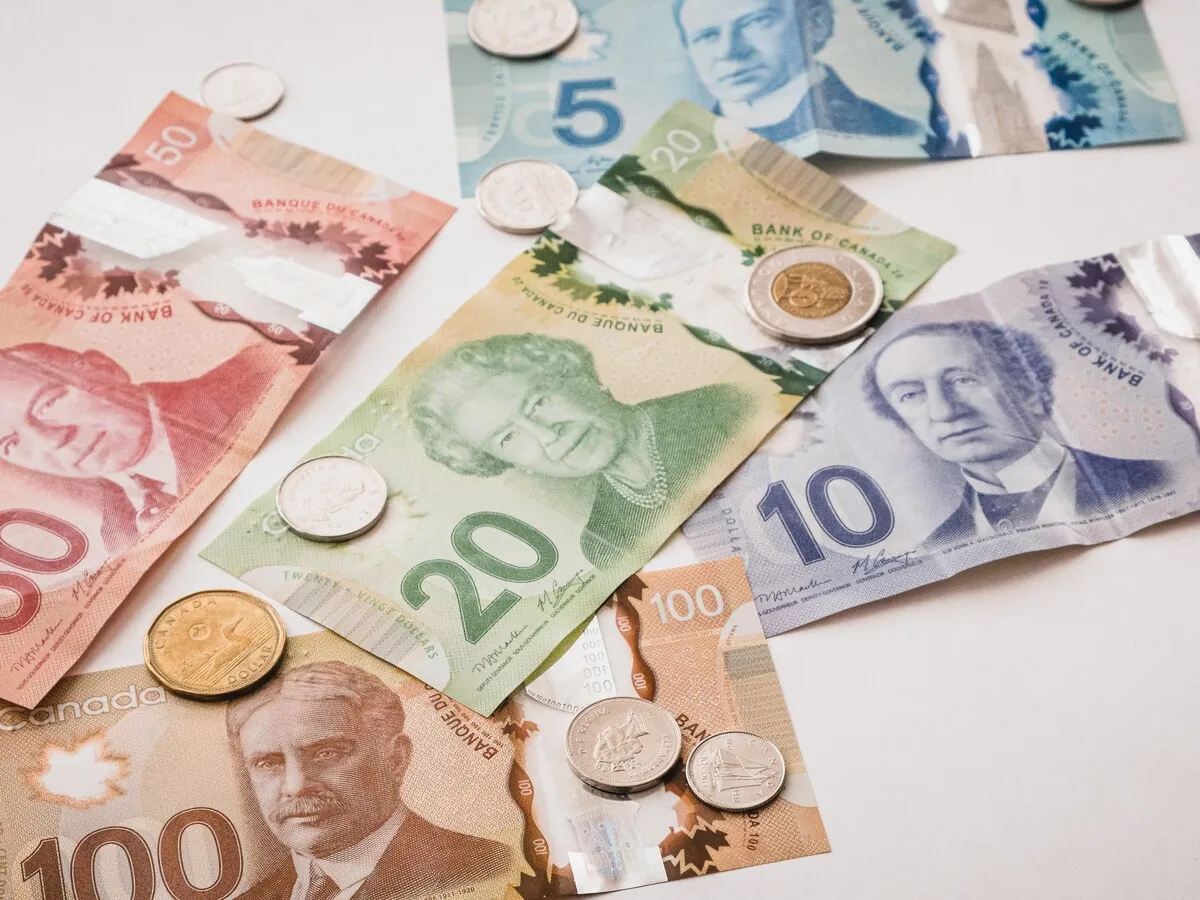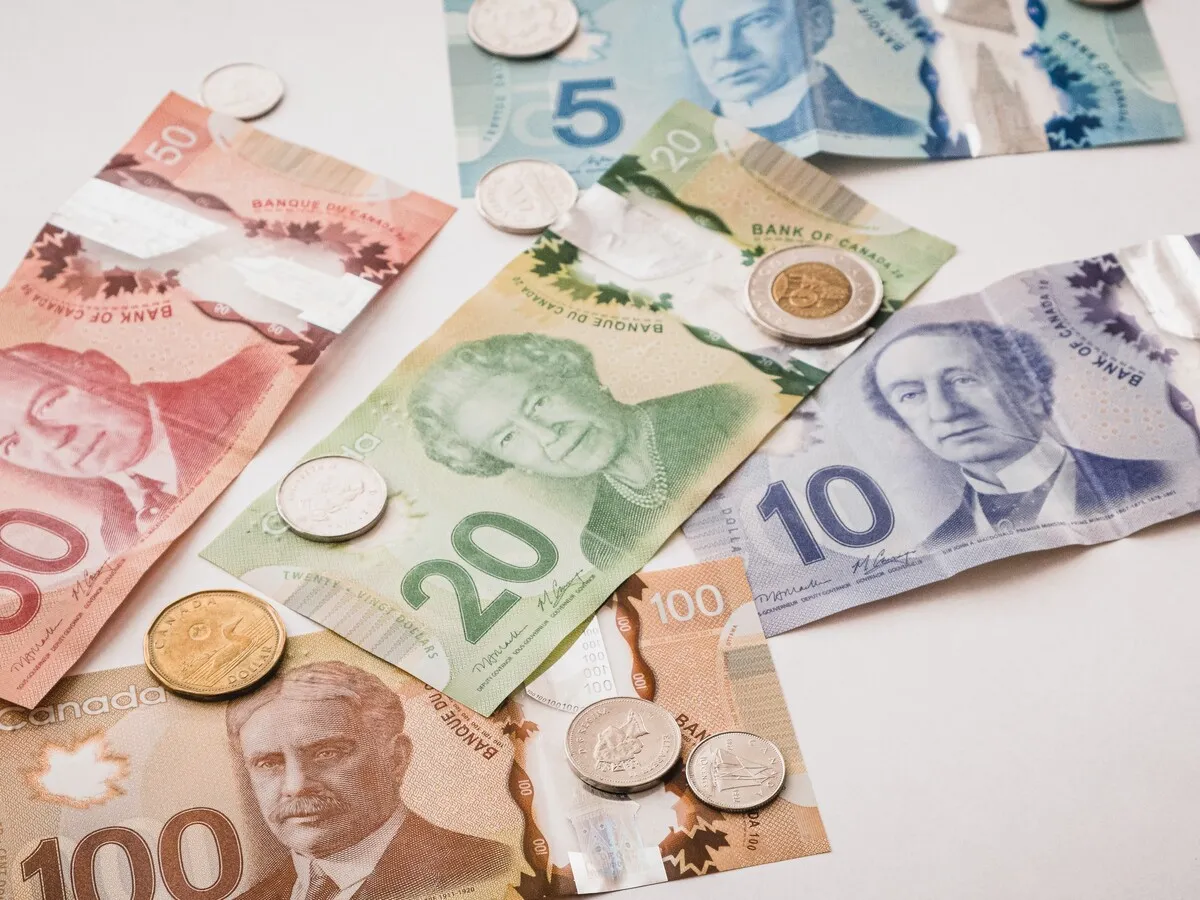
Skip to Content News Archives Economy Energy Oil & Gas Renewables Electric Vehicles Mining Commodities Agriculture Real Estate Mortgages Mortgage Rates Finance Banking Insurance Fintech Cryptocurrency Work Wealth Smart Money Wealth Management Investor Personal Finance Family Finance Retirement Taxes High Net Worth FP Comment Executive Women Puzzmo Newsletters Financial Times Business Essentials More Innovation Information Technology FP500 Podcasts Small Business Lives Told Tails Told Shopping Financial Post Store Obituaries Place a Notice Advertising Advertising With Us Advertising Solutions Postmedia Ad Manager Sponsorship Requests Classifieds Place a Classifieds ad Working Profile Settings My Subscriptions Saved Articles My Offers Newsletters Customer Service FAQ News Economy Energy Mining Real Estate Finance Work Wealth Investor FP Comment Executive Women Puzzmo Newsletters Financial Times Business Essentials HomeWealthPandemic years saw a surprising change in Canada's wealth gap, report saysAverage net worth surged by a record 76% for the bottom 40% of Canadian households. But will the divide grow again?Last updated Mar 11, 2026 You can save this article by registering for free here. Or sign-in if you have an account.The wealth gap underwent a surprising reversal in growth in the pandemic era, according to a recent report. Photo by Getty Images/iStockphotoThe wealth gap underwent a surprising reversal in growth in the pandemic era, according to a report Wednesday from Toronto-Dominion (TD) Bank using Statistics Canada data.Subscribe now to read the latest news in your city and across Canada.Exclusive articles from Barbara Shecter, Joe O'Connor, Gabriel Friedman, and others.Daily content from Financial Times, the world's leading global business publication.Unlimited online access to read articles from Financial Post, National Post and 15 news sites across Canada with one account.National Post ePaper, an electronic replica of the print edition to view on any device, share and comment on.Daily puzzles, including the New York Times Crossword.Subscribe now to read the latest news in your city and across Canada.Exclusive articles from Barbara Shecter, Joe O'Connor, Gabriel Friedman and others.Daily content from Financial Times, the world's leading global business publication.Unlimited online access to read articles from Financial Post, National Post and 15 news sites across Canada with one account.National Post ePaper, an electronic replica of the print edition to view on any device, share and comment on.Daily puzzles, including the New York Times Crossword.Create an account or sign in to continue with your reading experience.Access articles from across Canada with one account.Share your thoughts and join the conversation in the comments.Enjoy additional articles per month.Get email updates from your favourite authors.Create an account or sign in to continue with your reading experience.Access articles from across Canada with one accountShare your thoughts and join the conversation in the commentsEnjoy additional articles per monthGet email updates from your favourite authorsSign In or Create an AccountorThe difference in the share of wealth held by the top 20 per cent and the bottom 40 per cent of households by net worth, contracted by five per cent from 2019 to 2023, reaching a record low of 61 per cent, said Mekdes Gebreselassie, TD economist analyst and author of the report.“There was the injection from government transfers (and) savings were high because people were in lockdown and spent less on services, so I think all that aggregated to increase the wealth jump for the bottom 40 per cent,” Gebreselassie told Financial Post.Get the latest headlines, breaking news and columns.By signing up you consent to receive the above newsletter from Postmedia Network Inc.A welcome email is on its way. If you don't see it, please check your junk folder.The next issue of Top Stories will soon be in your inbox.We encountered an issue signing you up. Please try againBoth financial and real estate assets showed strong strong growth during this period, as did vehicles and other non-financial assets, boosting net worth gains for all households. But Gebreselassie noted that lower-wealth households were also able to access the housing market at unprecedented rates compared with the recent years before then.Average net worth surged by a record 76 per cent for the bottom 40 per cent — more than seven times faster than for the top 20 per cent, who saw their wealth climb 10 per cent between 2019 and 2023.The numbers were similar for younger households under 35 years old who saw their wealth skyrocket by 81 per cent, compared with 11 per cent for the average household aged 35 or older during the same period.Younger households also experienced a record increase in their share of total household wealth (up three per cent to hit nine per cent) despite a two per cent decline in their population share of 19 per cent.Gebreselassie noted younger Canadians often overlap with the bottom 40 per cent of households, in part because they have had less time to build wealth compared with older age groups.The homeownership rate for younger households hit its highest point in history and also grew at a faster pace compared with the rest of the population (seven per cent compared with 0.6 per cent), according to TD.Wealth transfers from family members, in the form of inheritances, loans and gifts, likely played a key role in helping some younger Canadians access the housing market. The average inheritance for under-35 households rose 45 per cent (to $138,438) compared with 22 per cent for all households (to $197,245), in real 2023-dollar terms, between 2019 and 2023, according to TD.It is important to note that in recent years, the wealth gap has been slowly widening, though it is still narrower at 62.4 per cent in the third quarter of 2025 (the most recent quarter for which this data is available) than it was in 2019 when the wealth gap was close to 65 per cent.Gebreselassie said the wealth gap by income quintile is widening, which she attributed to interruptions in employment and income for the lower-income quintiles that have trickled down to household wealth. (Income quintiles measure income distribution by dividing a population into five equal, ranked groups.)Also, she said, younger Canadians have been exiting the housing market due to being priced out.In comparison, Statistics Canada’s latest quarterly report showed booming equity markets have been a massive driver of net worth gains for the top 20 per cent of households.Intergenerational wealth transfers could also be broadening the divide between younger Canadians with parents who can afford to support them financially, versus those who do not have this buffer, Gebreselassie said.“It is possible that (the wealth gap) could (continue to) widen, if income prospects are not so positive for the low-income, low-wealth group,” Mekdes said. “But the fact that it has somewhat stabilized at the narrowed level seen in 2023 gives hope that it might hold for some time.” Join the Conversation This website uses cookies to personalize your content (including ads), and allows us to analyze our traffic. Read more about cookies here. By continuing to use our site, you agree to our Terms of Use and Privacy Policy.
Pandemic years saw a surprising change in Canada's wealth gap, report says
Average net worth surged by 76% for the bottom 40% of Canadian households during the pandemic. But will the divide grow again? Find out more
1,145 words~5 min read