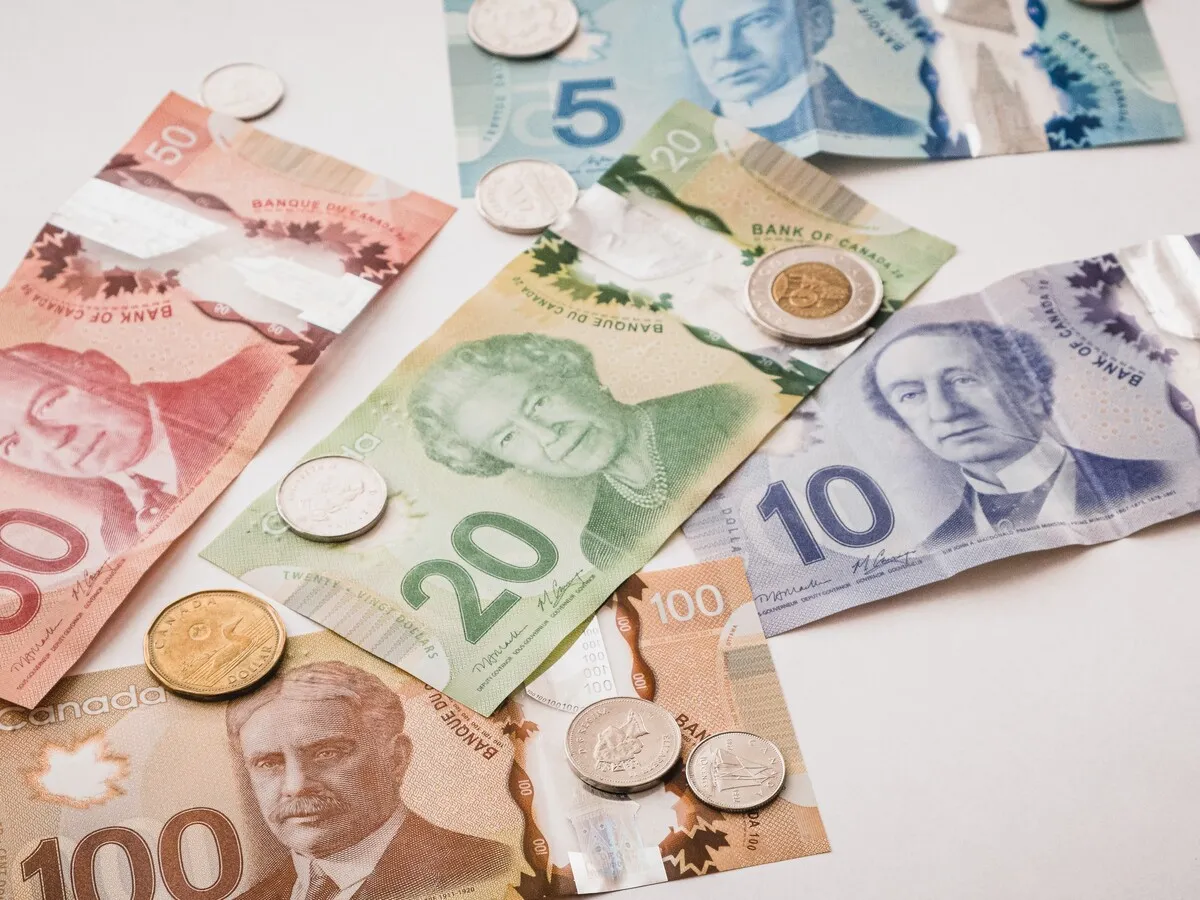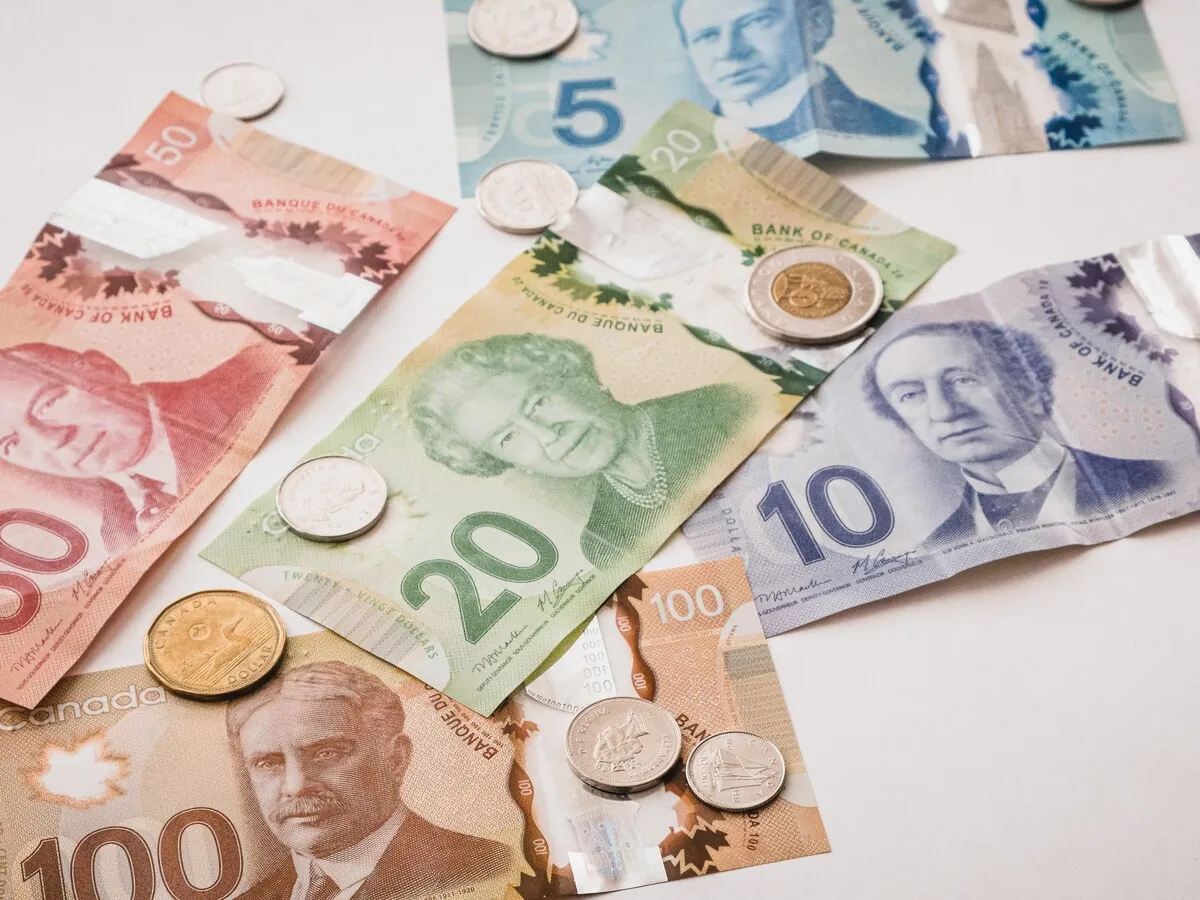
Skip to Content News Archives Economy Energy Oil & Gas Renewables Electric Vehicles Mining Commodities Agriculture Real Estate Mortgages Mortgage Rates Finance Banking Insurance Fintech Cryptocurrency Work Wealth Smart Money Wealth Management Investor Personal Finance Family Finance Retirement Taxes High Net Worth FP Comment Executive Women Puzzmo Newsletters Financial Times Business Essentials More Innovation Information Technology FP500 Podcasts Small Business Lives Told Tails Told Shopping Financial Post Store Obituaries Place a Notice Advertising Advertising With Us Advertising Solutions Postmedia Ad Manager Sponsorship Requests Classifieds Place a Classifieds ad Working Profile Settings My Subscriptions Saved Articles My Offers Newsletters Customer Service FAQ News Economy Energy Mining Real Estate Finance Work Wealth Investor FP Comment Executive Women Puzzmo Newsletters Financial Times Business Essentials HomeNewsPosthaste: Canada racks up more millionaire households, but in one province that's no guarantee of financial resilience, says TDHigher debt and lower wage growth mean some are living on the edge despite being technically richerLast updated 52 minutes ago You can save this article by registering for free here. Or sign-in if you have an account.Household net worth in Canada broke through the $1-million level in 2025, but people in some regions are still feeling financially vulnerable. Photo by stock.adobe.comSubscribe now to read the latest news in your city and across Canada.Exclusive articles from Barbara Shecter, Joe O'Connor, Gabriel Friedman, and others.Daily content from Financial Times, the world's leading global business publication.Unlimited online access to read articles from Financial Post, National Post and 15 news sites across Canada with one account.National Post ePaper, an electronic replica of the print edition to view on any device, share and comment on.Daily puzzles, including the New York Times Crossword.Subscribe now to read the latest news in your city and across Canada.Exclusive articles from Barbara Shecter, Joe O'Connor, Gabriel Friedman and others.Daily content from Financial Times, the world's leading global business publication.Unlimited online access to read articles from Financial Post, National Post and 15 news sites across Canada with one account.National Post ePaper, an electronic replica of the print edition to view on any device, share and comment on.Daily puzzles, including the New York Times Crossword.Create an account or sign in to continue with your reading experience.Access articles from across Canada with one account.Share your thoughts and join the conversation in the comments.Enjoy additional articles per month.Get email updates from your favourite authors.Create an account or sign in to continue with your reading experience.Access articles from across Canada with one accountShare your thoughts and join the conversation in the commentsEnjoy additional articles per monthGet email updates from your favourite authorsSign In or Create an AccountorThe average Canadian household’s net worth topped $1 million in 2025, a 37 per cent gain from 2019, but some are still living on the edge despite being technically richer.“Household balance sheets often look reassuring in the aggregate, and in 2025, Canada’s headline numbers delivered,” Maria Solovieva, an economist at TD Economics, said in a report on June 9. “However, important regional differences reveal nuances in the level of financial resilience.”Household net worth in British Columbia, Ontario and Alberta came in at $1.34 million, $1.27 million and $1.02 million, respectively, but “from a vulnerability perspective, Ontario stands out as the most leveraged province in the country,” Solovieva said, given the province has the highest household-debt-to-disposable-income ratio. Breaking business news, incisive views, must-reads and market signals. Weekdays by 9 a.m.By signing up you consent to receive the above newsletter from Postmedia Network Inc.A welcome email is on its way. If you don't see it, please check your junk folder.The next issue of Posthaste will soon be in your inbox.We encountered an issue signing you up. Please try againDebt ratios in B.C. and Alberta have significantly fallen from before the pandemic and have declined in all other provinces except Prince Edward Island.“Higher (debt-to-income) ratios signal greater sensitivity to interest rates and less capacity to absorb shocks,” Solovieva said.She said Ontario households’ financial vulnerability is due to weak income growth last year that impaired people’s ability to reduce their debt even as the leverage rate of growth slowed due to higher interest rates and a slumping housing market.The trend has continued. Ontario wages grew 0.8 per cent in the first quarter of 2026 from the final quarter of 2025, the second-lowest level after Quebec and well off B.C.’s two per cent increase, according to Statistics Canada data.Prior to the pandemic, B.C. had the highest household-debt-to-income ratio among the provinces, but borrowing there has slowed in recent years, thereby easing debt levels, Solovieva said.In the West, she said lower home prices are helping to keep a lid on debt growth as they grew at the slowest pace in Saskatchewan, and while they grew in Alberta and Manitoba, it was at a rate “well below” the national average.Red-hot financial markets drove most of the gains in household wealth in 2025 as real estate — the previous driver — slumped.Solovieva estimated that average stock market gains landed in the range of 8.8 per cent to 10.3 per cent last year and it looks like some households are tapping those windfalls to “bridge the income gap” — at least they did in 2025.That appeared to be the case in Ontario. Despite household disposable income gains trailing those in other provinces, spending stuck around the national average as the stock market windfall for Ontarians came in close to the national average.P.E.I. and Alberta households recorded decent gains in wages, but less-than-stellar financial asset gains in 2025, which could explain why they spent less of their disposable income last year than the national average.Saskatchewan had a banner year for wage gains, but Solovieva said household spending was “restrained” due to the large number of people in the province who are self-employed.“Income gains tend to be more volatile and less readily translated into consumption,” she said.Stronger financial market gains coupled with above-average income growth and higher overall household wealth pushed spending in B.C. to the highest level among the provinces.But despite the generally good times last year, households’ debt and dependence by some on stock market gains to buttress spending could come home to roost in 2026.“These differences may become increasingly important as provincial economies navigate a period of softer growth, still-elevated borrowing costs and a housing market that remains subdued across much of the country,” Solovieva said. Sign up here to get Posthaste delivered straight to your inbox.Canadian residents are starting to travel to the United States again, but not as often as they did before U.S. President Donald Trump‘s second term. Canadians took a total of 1.9 million return trips to the U.S. in May, a 9.5 per cent increase from the same month in 2025, according to Statistics Canada’s monthly data on international arrivals to Canada.The rebound in travel to the U.S. was driven by a 15.1 per cent increase in trips by automobile, while trips by air dropped 5.5 per cent from 2025.May’s data marked the second consecutive month of year-over-year increases in trips to the U.S. and the second increase since December 2024.Travel trends among Canadians started to shift in early 2025 as political tensions grew between Canada and the U.S., with trips across the southern border declining ever since. — Denise Paglinawan, Financial PostRead the full story here.Elon Musk’s SpaceX is set to go public in the largest IPO in historyToday’s data: Canada national balance accounts, University of Michigan consumer sentiment index, inflation expectations indexEarnings: Roots Corp., Foot Locker Inc., Paramount Group Inc.Choosing a financial adviser that is right for you might seem like a daunting task, but there are ways to go about it — for example, by following a red flag check list — while also searching out people based on less tangible criteria such as personal qualities. Read John De Goey here to find out more.Interested in energy? The subscriber-only FP West: Energy Insider newsletter brings you exclusive reporting and in-depth analysis on one of the country’s most important sectors.Are you worried about having enough for retirement? Do you need to adjust your portfolio? Are you starting out or making a change and wondering how to build wealth? Are you trying to make ends meet? Drop us a line at wealth@postmedia.com with your contact info and the gist of your problem and we’ll find some experts to help you out while writing a Family Finance story about it (we’ll keep your name out of it, of course).Want to learn more about mortgages? Mortgage strategist Robert McLister’s Financial Post column can help navigate the complex sector, from the latest trends to financing opportunities you won’t want to miss. Plus check his mortgage rate page for Canada’s lowest national mortgage rates, updated daily.Visit the Financial Post’s YouTube channel for interviews with Canada’s leading experts in business, economics, housing, the energy sector and more.Today’s Posthaste was written by Gigi Suhanic with additional reporting from Financial Post staff and Bloomberg.Have a story idea, pitch, embargoed report, or a suggestion for this newsletter? Email us at posthaste@postmedia.com.Bookmark our website and support our journalism: Don’t miss the business news you need to know — add financialpost.com to your bookmarks and sign up for our newsletters here Join the Conversation This website uses cookies to personalize your content (including ads), and allows us to analyze our traffic. Read more about cookies here. By continuing to use our site, you agree to our Terms of Use and Privacy Policy.
Posthaste: Canada racks up more millionaire households, but in one province that's no guarantee of financial resilience, says TD
The average Canadian household's net worth topped $1 million in 2025, but some remain financially vulnerable despite being richer. Read on.
TL;DRAI
Canadian household net worth exceeded $1M in 2025 (+37% since 2019), but Ontario faces the country's highest debt-to-income ratio, undermining financial resilience. Ontario wage growth stalled at +0.8% Q1 2026—versus BC's +2%—limiting households' debt-reduction capacity and signaling contraction risk for enterprise IT spending.
1,561 words~7 min read