Germany's school system has recorded its worst results since PISA assessments began 25 years ago. Politicians are calling for language tests and tougher standards, while experts argue the real problem lies elsewhere.
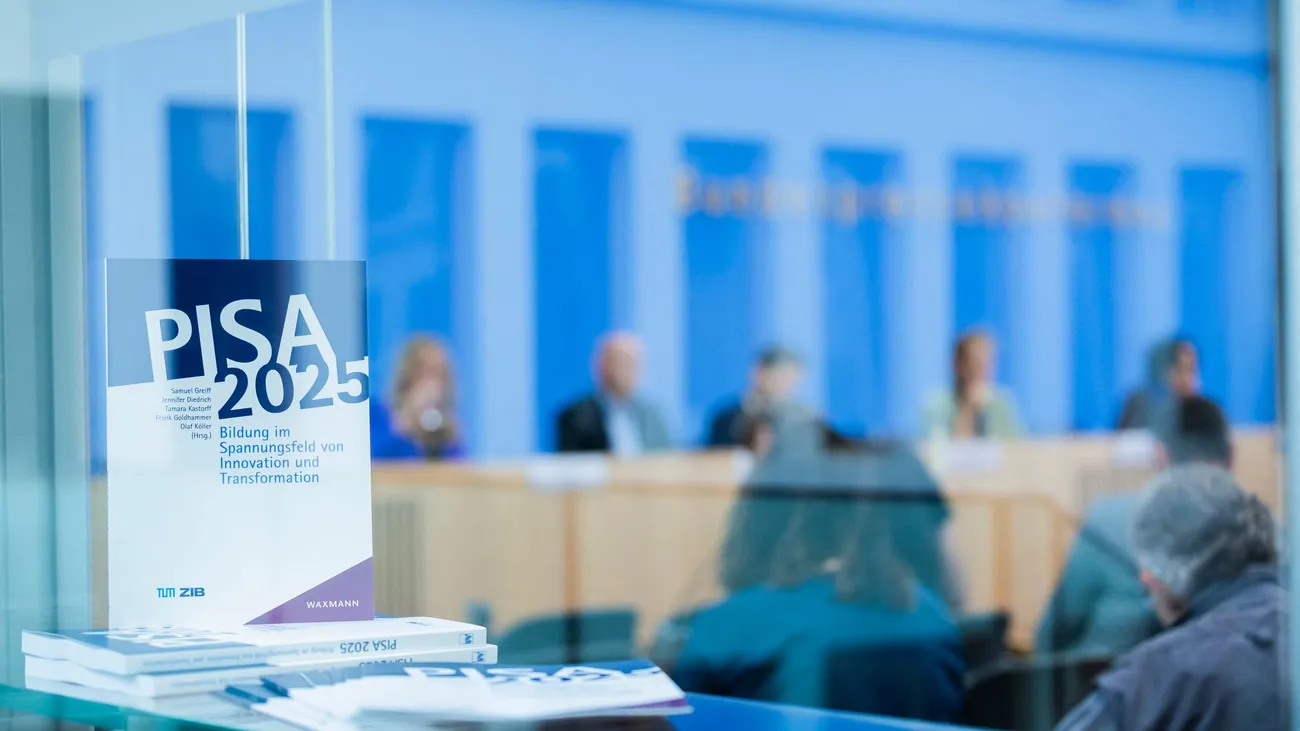
When the latest PISA study was published this week, German 15-year-olds recorded their lowest scores yet in reading, maths and science.
That original report triggered what Germans still call the PISA-Schock, prompting years of education reforms which produced clear improvements in reading, maths and science scores until around 2012.
Now, with results even worse than those of a quarter of a century ago, Germany is once again debating what's gone wrong and what should happen next.
Much of the debate is centred on two competing explanations. Politicians often emphasise language skills, school readiness and family factors, while many education experts place greater emphasis on poverty, inequality and structural weaknesses in the education system.