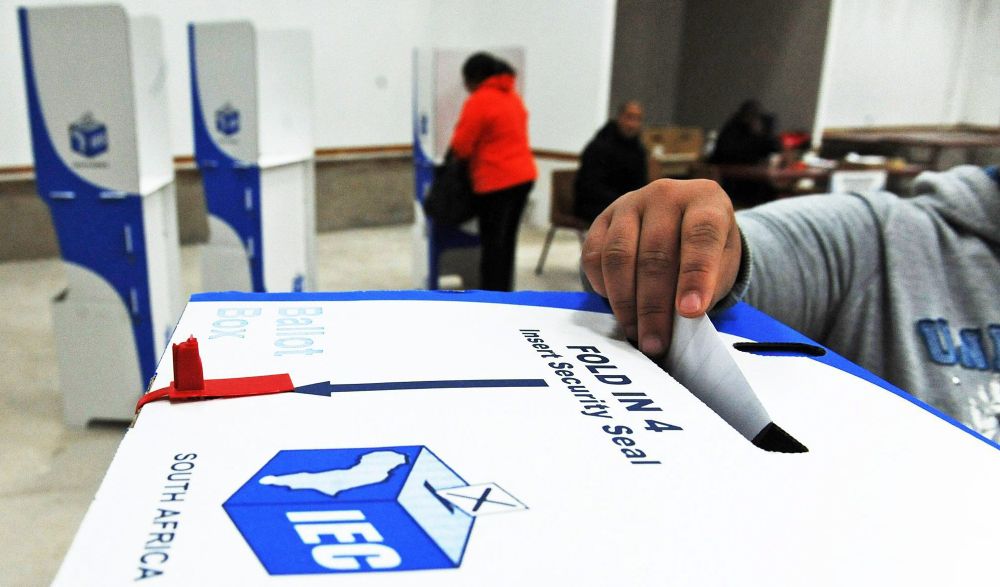
South Africa’s 2026 local government elections will be fought in municipalities, but the real negotiations over power will happen far beyond the council chambers. The conventional way of thinking about local elections is that voters choose who they want to run their municipality. But South Africa’s fragmented political landscape has made that much more complicated. In a country where few parties can govern alone, a vote in Johannesburg, Tshwane or KwaZulu-Natal is no longer simply a vote for a mayor. It is a bargaining chip in a far larger political negotiation and the results will create a national marketplace for power. Parties will campaign against one another at a local level while simultaneously negotiating with one another nationally. A party may be an opponent in one municipality and a coalition partner in another. A few seats in a hung council could become the currency with which parties negotiate influence elsewhere. This is where the local government election becomes particularly interesting for the government of national unity. The ANC and DA have spent months attacking each other in Gauteng, trying to convince voters that the other party cannot be trusted to govern their cities. But once the votes are counted they may need each other to form a government. Gauteng’s government of provincial unity is already more fragile than the national arrangement, with the ANC dependent on other parties to govern. A poor local election result could weaken it further, while a strong DA performance could make DA-led coalitions across the province difficult to avoid. The irony would be considerable: the ANC and DA could spend an election campaign trying to defeat each other, only to conclude that governing together is the most practical option once the votes are counted. KwaZulu-Natal presents a similar problem. The IFP-led provincial government has only a narrow majority. A strong MK performance in the local elections could make it central to coalition negotiations across the province. The EFF, meanwhile, could use its seats in hung councils to bargain for influence beyond the municipal level.The point is that votes will not necessarily remain where voters cast them. A party that wins 10% in a municipality could suddenly have enormous leverage if those seats determine who becomes mayor. That leverage can then be traded. Support for one party’s mayor in one municipality can become part of a negotiation over another council, a provincial government or even the broader relationship between parties at national level. This creates a new problem for voters. For decades the calculation was relatively simple. If you wanted the ANC to govern, you voted ANC. If you wanted the DA, you voted DA. Coalition politics makes that calculation far harder. Voters may support a smaller party because they believe it represents them better, only to discover that those votes ultimately help that party secure a coalition deal with a party they oppose. Others may begin voting strategically. Instead of asking which party they like most, they may ask which party has the best chance of governing their municipality — or which party they trust to negotiate the coalition that follows. The election could therefore produce fewer votes based purely on loyalty and more votes based on calculation. This is the new reality of South African politics: your vote does not necessarily determine who governs. It determines the bargaining power of the party you vote for. And that bargaining power can travel. Municipal votes can influence provincial coalitions. Provincial arrangements can affect national relationships. National parties can trade support across different governments and tiers of government in ways that voters may not see until after the election. That makes November about more than who wins Johannesburg, Tshwane or Cape Town. It is about who enters the post-election negotiations with enough political currency to dictate the terms. For voters, the question is no longer simply “who do I want to govern?” It is becoming “what do I want my vote to enable?” That may be the defining question of the 2026 election. • Roos is Business Day parliamentary reporter.
TARA ROOS | Your vote is about to become a bargaining chip
Seats in hung councils become currency in the national power marketplace
673 words~3 min read