Welcome back to Foreign Policy’s Situation Report.
Here’s what’s on tap for the day: The counterterrorism landscape 25 years after 9/11, Germany’s reluctance to punish Russia more severely, and the United States and Iran continuing to exchange fire.
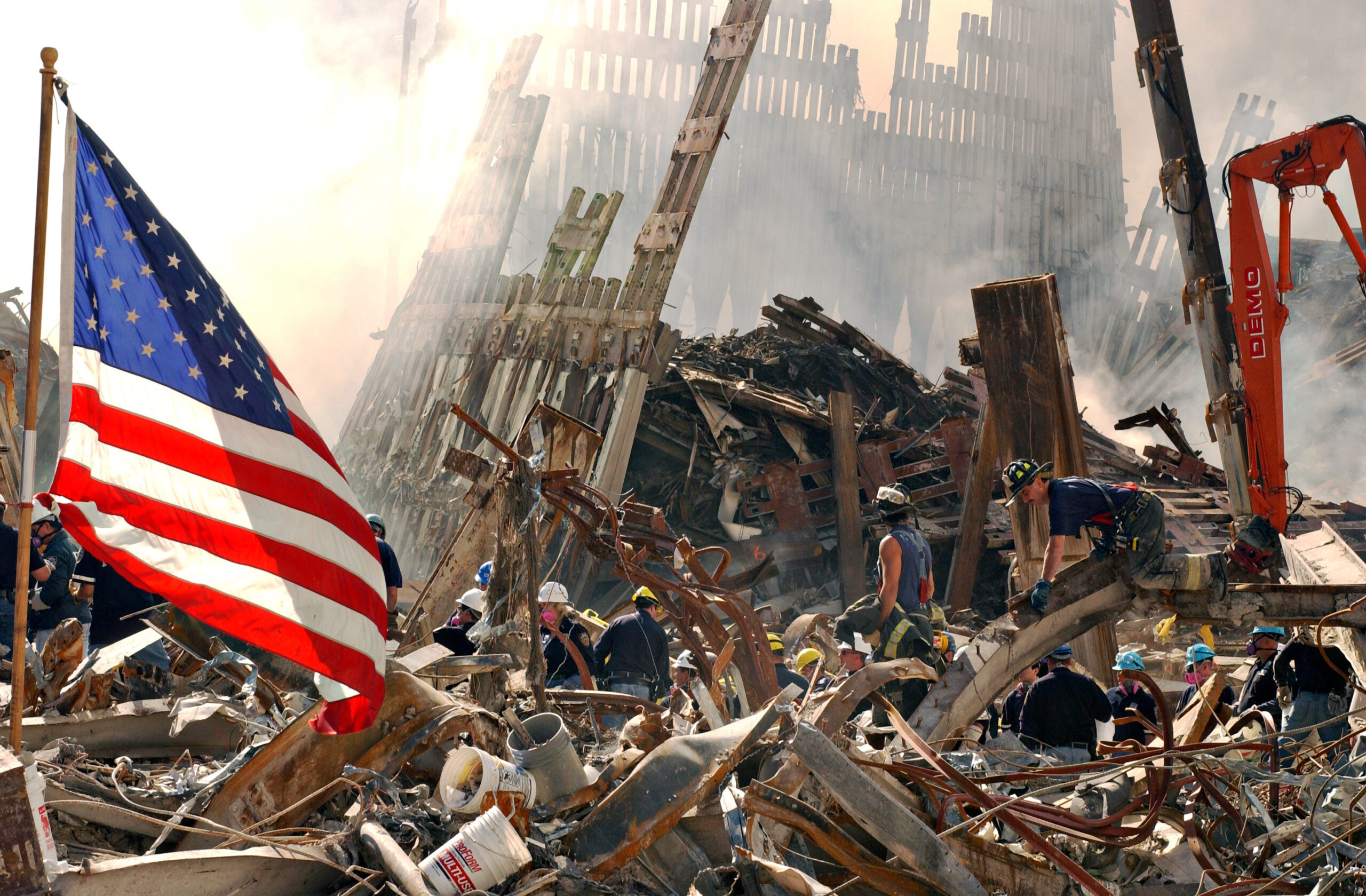
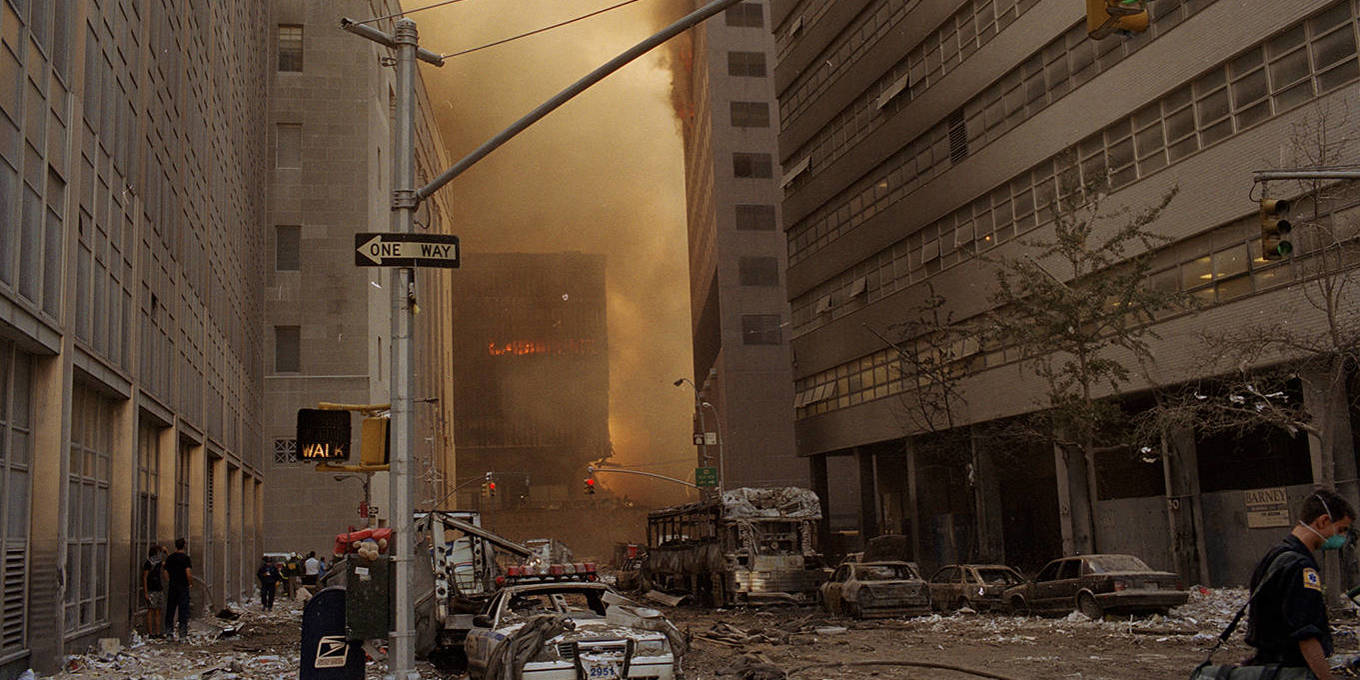
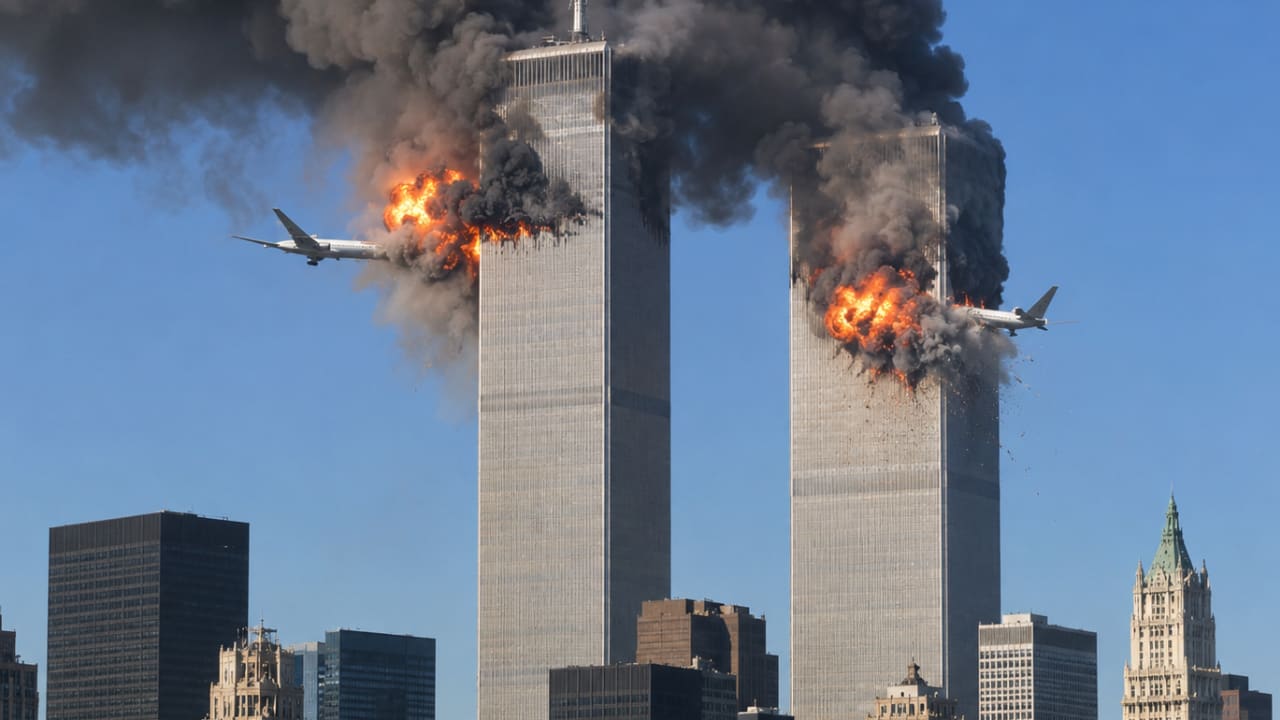
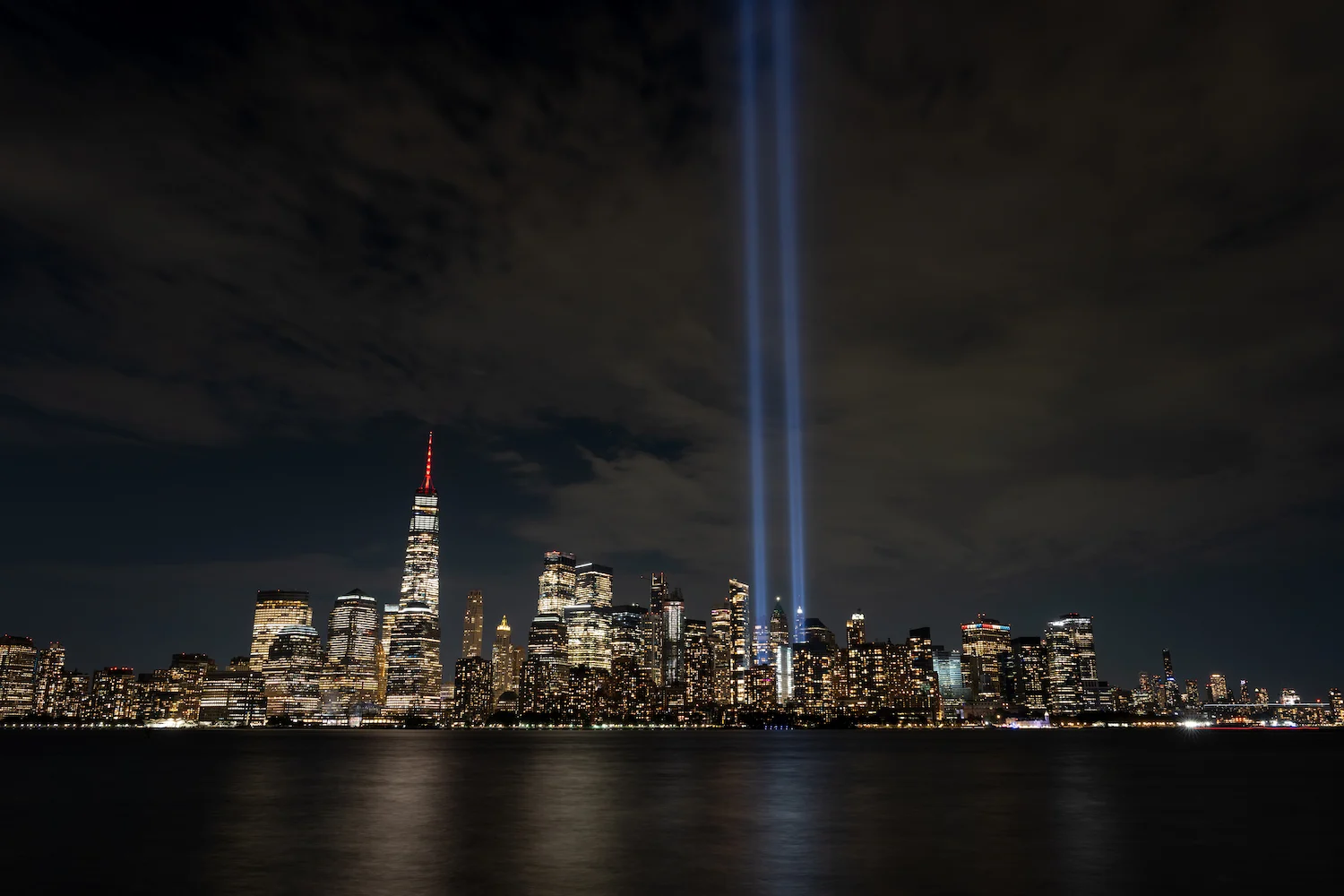
Twenty-five years after the 9/11 attacks, global jihadism is no longer viewed as the top terrorism threat to the U.S. homeland, and Washington’s foreign-policy priorities have shifted away from counterterrorism and toward great-power competition. But terrorism remains a challenge for the United States both at home and abroad, particularly as its adversaries increasingly look to exploit rapidly evolving technologies such as artificial intelligence (AI).
At the Soufan Center’s Global Summit on Terrorism and Political Violence in New York City on Wednesday, John moderated a fireside chat with three top experts—who served and advised both Republican and Democratic administrations—on what a 21st-century counterterrorism strategy should look like. Much of the discussion focused on how Washington can best confront emerging threats.
The 9/11 Commission Report attributed the attacks, in part, to a “failure of imagination” from the U.S. government and intelligence community. Asked whether the United States is currently failing to imagine new terror threats to the homeland, Jen Easterly, who served as the director of the U.S. Cybersecurity and Infrastructure Security Agency from 2021 to 2025, recalled how the Boston Marathon bombers learned how to make explosives via a digital al Qaeda magazine—and related this to the capabilities that AI offers.