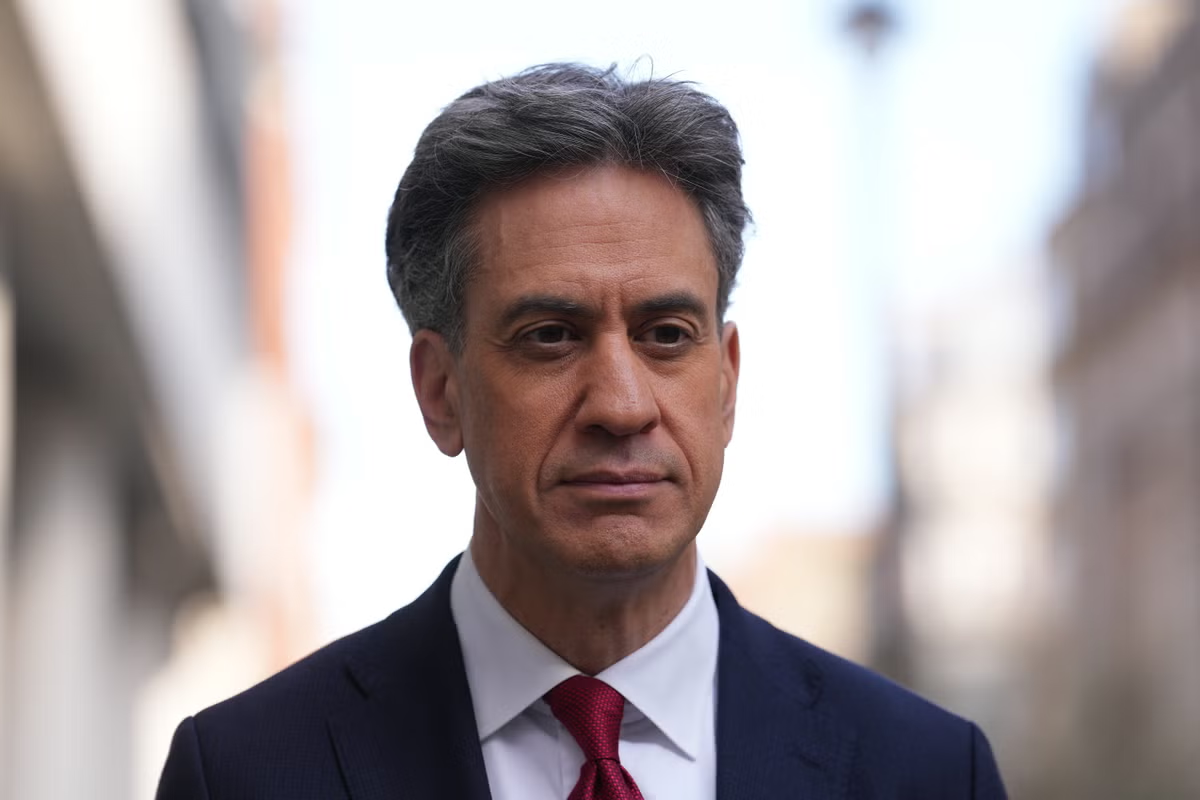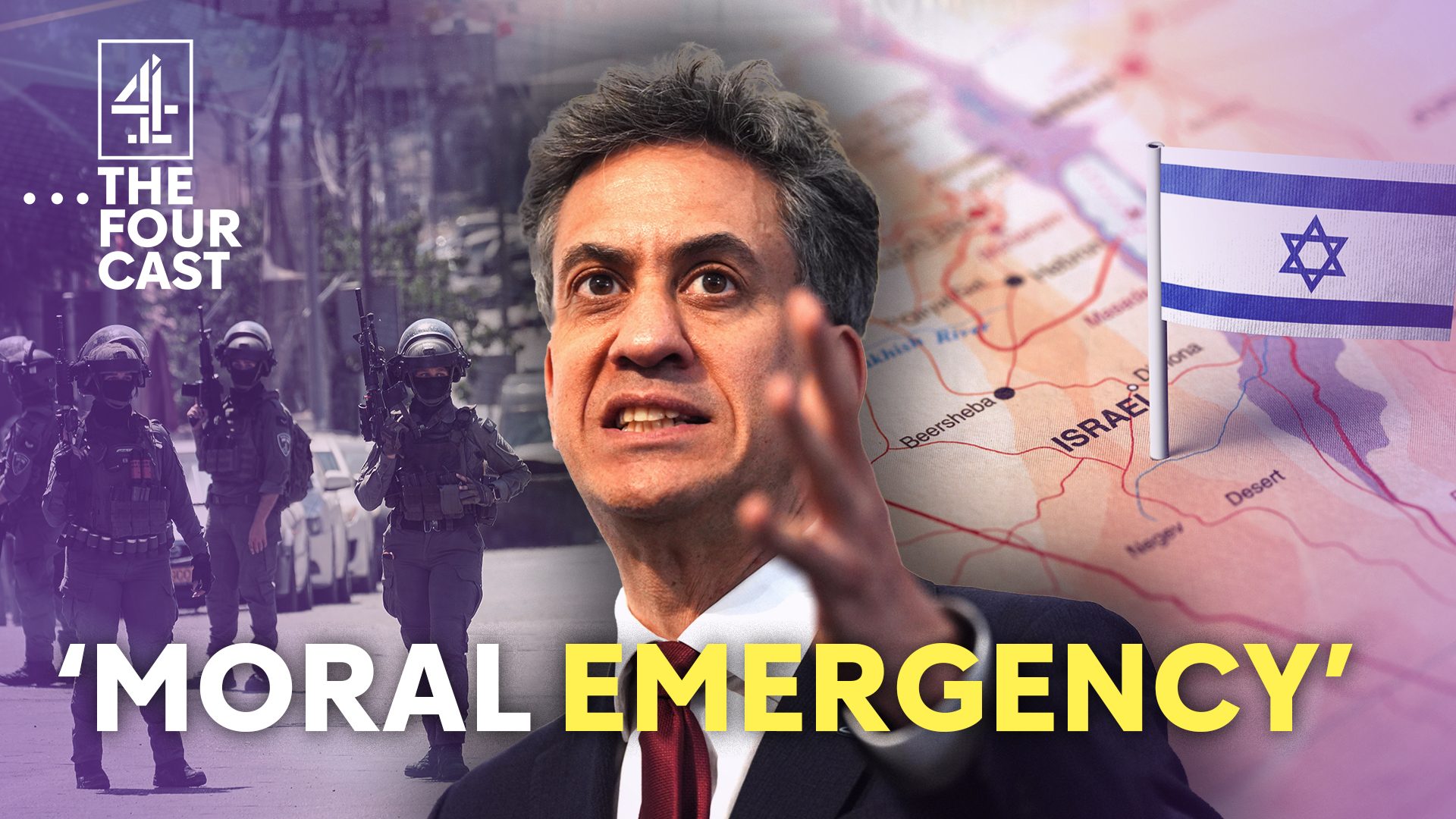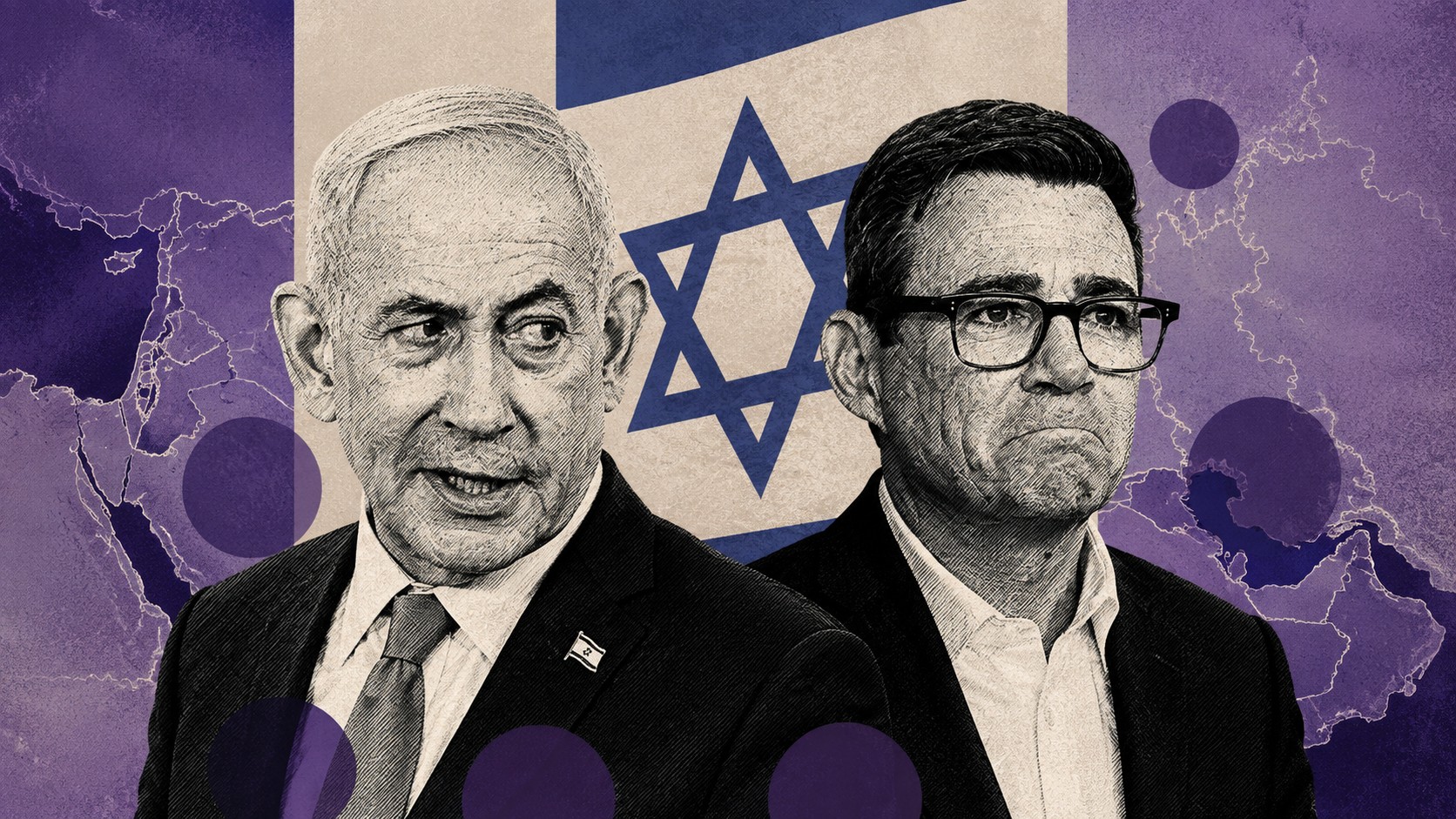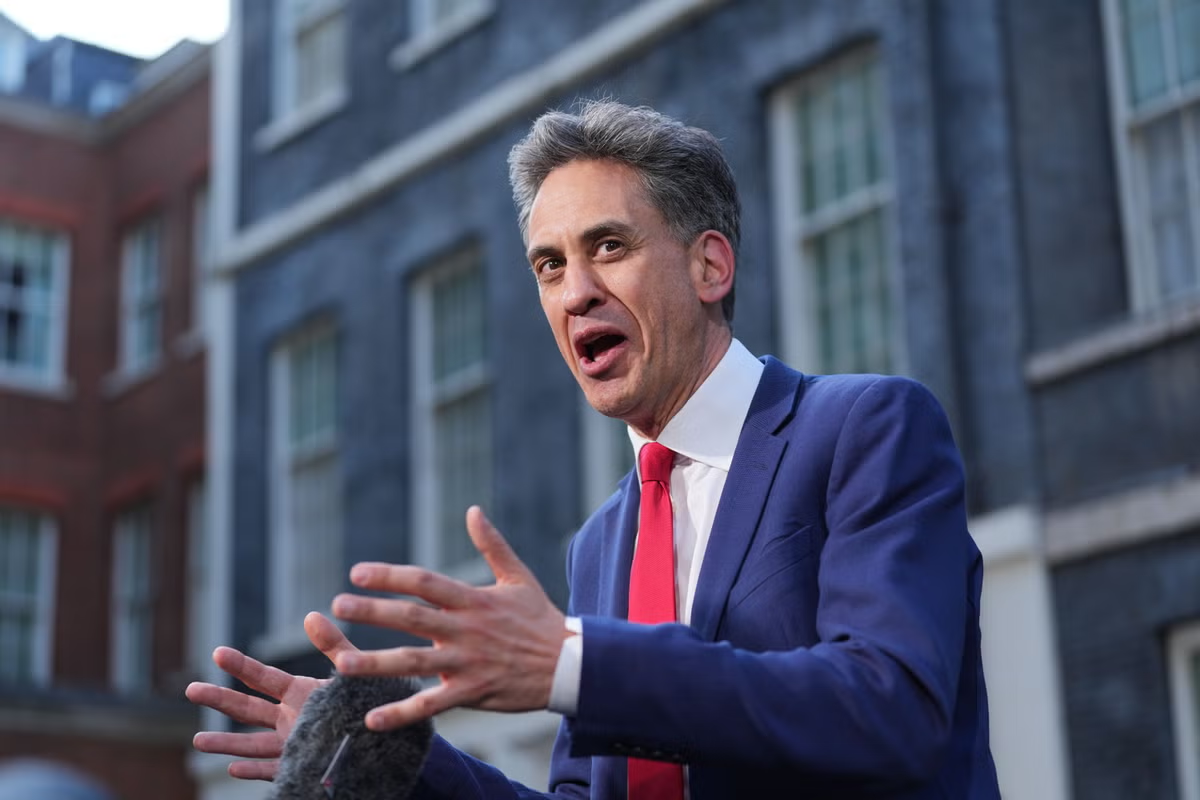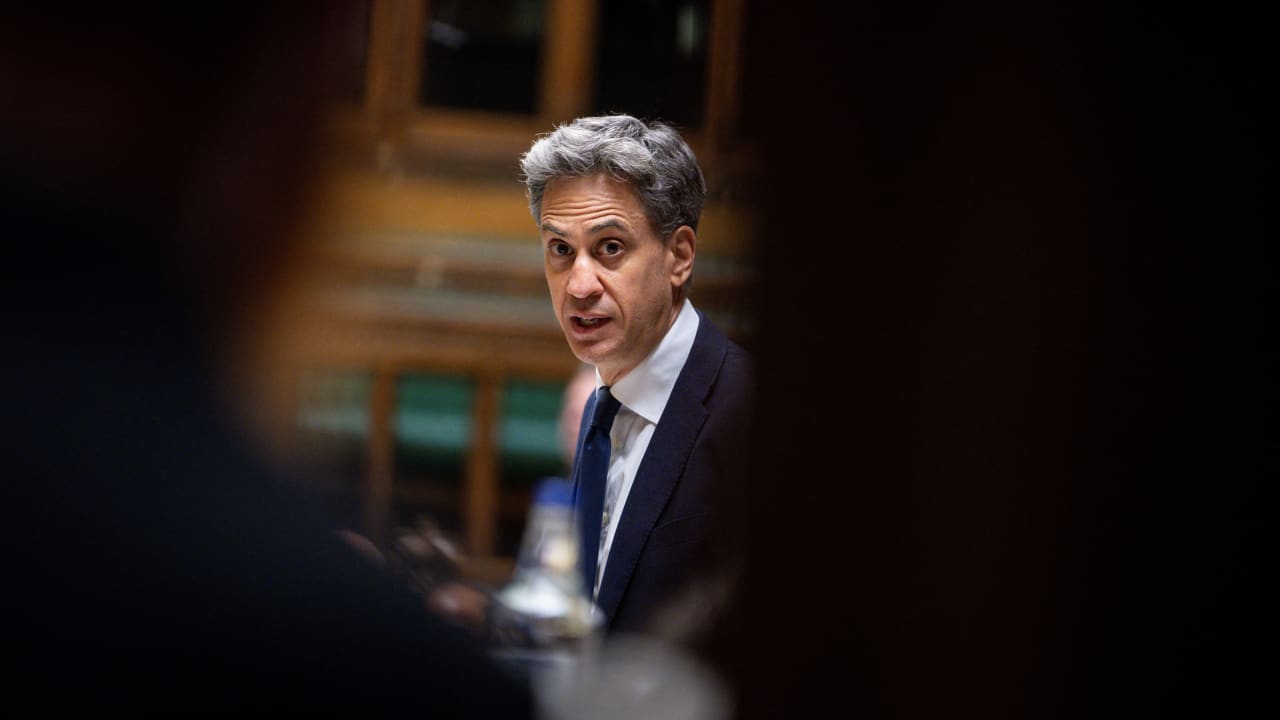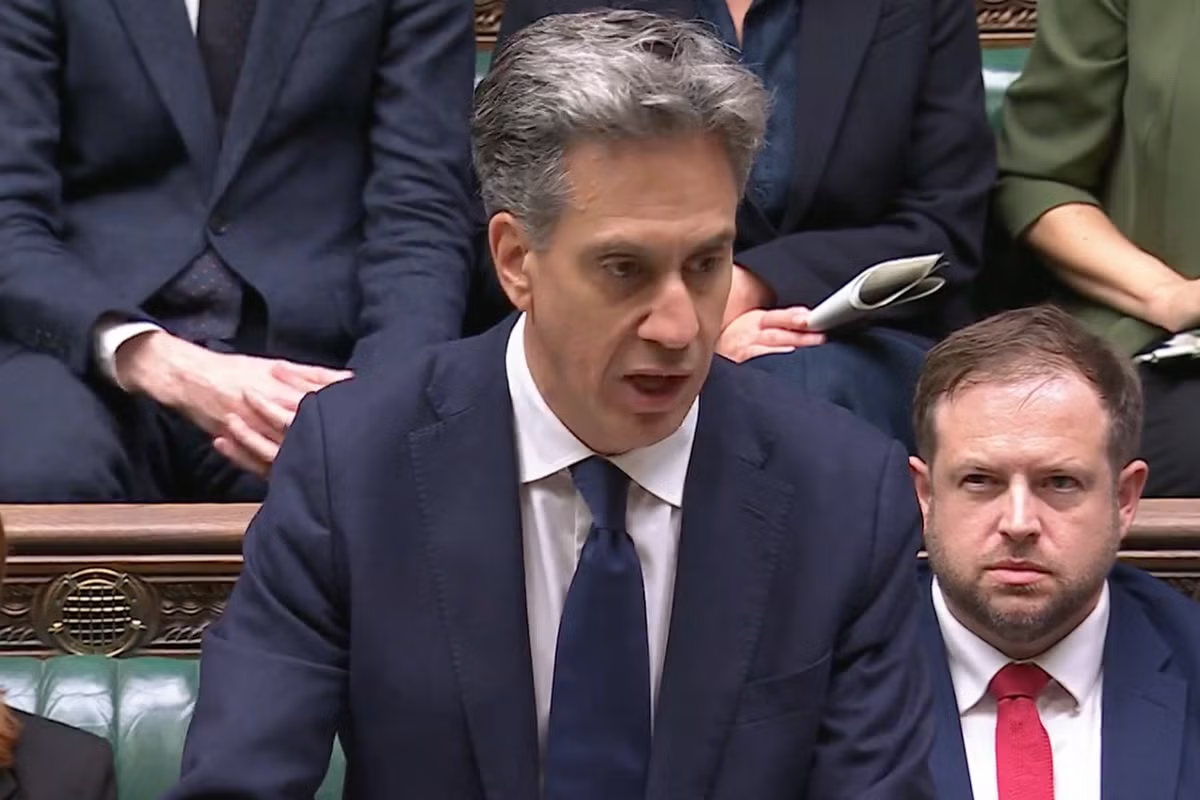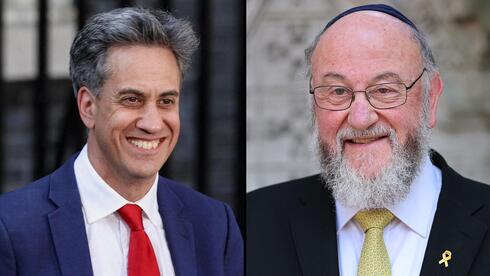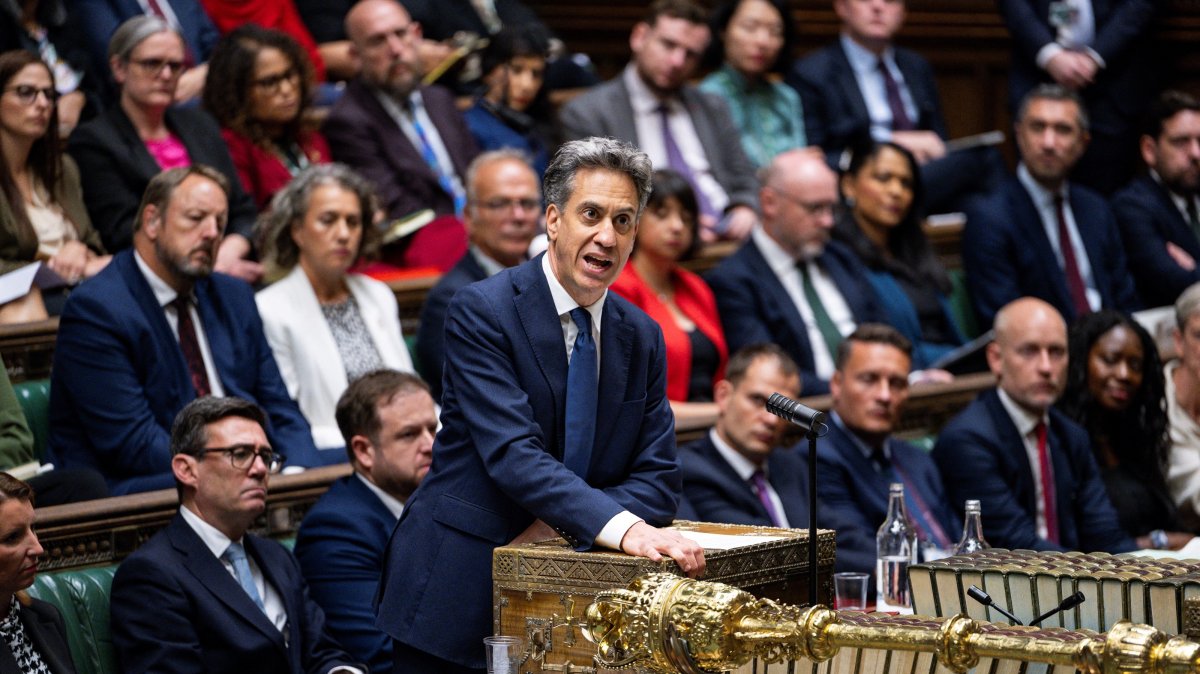
The rumors over the past week that British Foreign Secretary Ed Miliband was going to announce a “reset” in relations with Israel sparked a fearmongering campaign aimed at dissuading the government from taking what Israeli President Isaac Herzog described as “miscalculated” steps. Such steps would supposedly be miscalculated because Britain, like any other country, has to calculate what antagonizing Israel could mean for its security within the rules-based international order. To further highlight the potential consequences, the Telegraph published an interview with Conservative Shadow Foreign Secretary Tom Tugendhat, in which he suggested that, if implemented, the new government policy would make it more difficult to deal with future terrorist threats. This came after Argentina’s present threat to take over the Falkland Islands, itself arguably in retaliation for Britain’s planned sanctions on individuals and entities aiding and abetting the “Israeli occupation.”
On Tuesday, Miliband finally announced a trade ban on goods and services from illegal Israeli settlements in the West Bank, along with a set of other measures intended to prevent Israel from “burying” the two-state solution. Though the two-state solution has long been underground, this shift in policy was welcomed by many, among them Palestinian Ambassador to the U.K. Husam Zomlot. In his words, it was “a step in the right direction.” Despite Bloomberg’s report that the British government had assured the U.S. government ahead of the announcement that its action would remain largely symbolic, the reaction to the news from Israel’s most fanatical supporters indicates that, indeed, it was at least a step worth taking. And it was taken alongside 11 other countries, including France and Canada, both of which recognized the State of Palestine last year.